Hepper is reader-supported. When you buy via links on our site, we may earn an affiliate commission at no cost to you. Learn more.
Trazadone for Dogs: Usage, Dosage & Side Effects (Vet Answer)

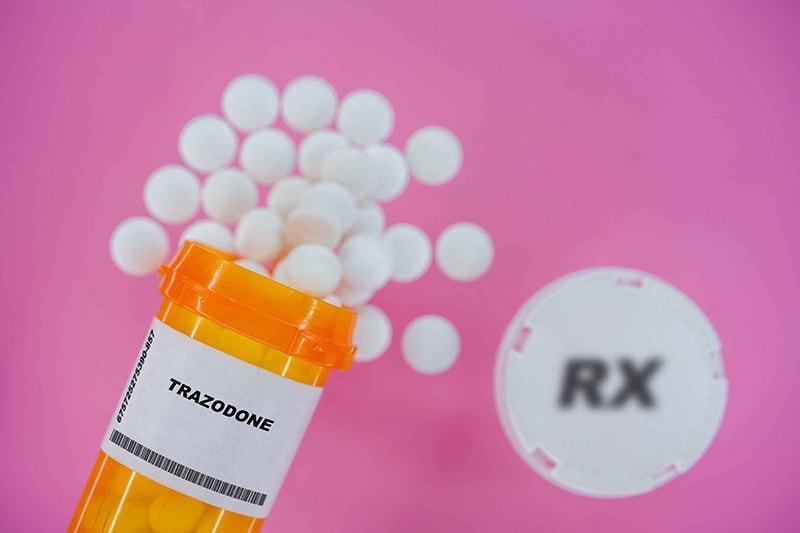
Does your dog suffer from fears or anxieties that affect their (or your!) quality of life? Thankfully, veterinary medicine allows us to help our pets live a more balanced and happy life with the potential use of medication coupled with behavior modifications. One medication option is a human antidepressant used “extra label” (i.e., using a drug for another use than what it is labeled for) by veterinarians called Trazodone hydrochloride. It can be used by itself for dogs who experience anxiety, fear, or other behavioral issues.
However, it can also be used in combination with other behavioral drugs that work better together in a synergistic effect. Read on below to find out more.

What is Trazodone?
Other brand names of Trazodone include Desyrel and Oleptro. It is specifically a serotonin 2A antagonist/reuptake inhibitor which means it helps prevent the removal of serotonin, allowing for more to stay in the body. Why does this matter, and what exactly is serotonin? Serotonin is often called the “feel-good hormone” and is a chemical messenger that travels from the brain to various parts of the body via the nervous system. It plays a key role in mood and happiness, digestion, sleep, and many other functions. If serotonin is low, it is thought to contribute to depression, anxiety, phobias, and other health conditions. Therefore, in situations where Trazodone is used, it can allow for more of the “feel-good hormone” to be present, and in an ideal world, helps your pet feel calmer and more relaxed.
In humans, this medication has been used for treating depression, aggressive behavior, and insomnia, among other issues. In dogs, it is often used for treating fears and anxieties that could include separation from an owner, fear of loud noises (such as thunderstorms or fireworks), or travel phobia (struggling with car or plane rides, going to a veterinary or grooming appointment, etc.). Trazodone has also been used in the veterinary hospital setting for those dogs who are stressed while hospitalized, or in dogs post-surgery to help them remain calm to allow for optimal healing.
How is Trazodone Given?
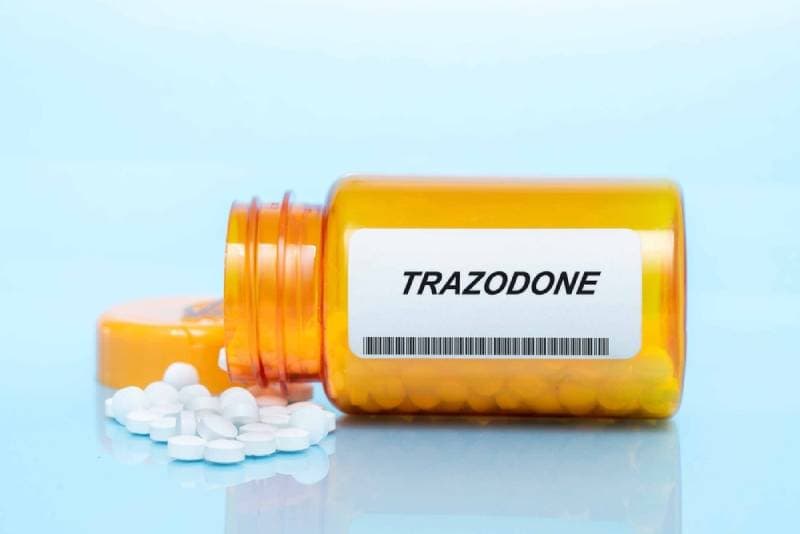
Trazodone is typically given by mouth in tablet form. Your pet’s veterinarian will consider your pet’s need for the medication, their weight, and clinical dose range to come up with a plan. They may start out at a lower dose and then slowly increase the amount over time until the desired response is reached without any serious side effects.
This medication is best given with food and can be given up to every 8 hours. If being used for a specific situational event, such as a grooming appointment, it is ideally given at least 60 minutes prior to the anticipated event.
What Happens If You Miss a Dose?
For pets that are taking Trazadone on a regular basis, if a dose is missed, there are a few options. One is to give the medication as soon as you realize you missed a dose, and the next dose would be given based on this new time frame going forward. Another option, which may be more prudent if it is closer to the next timed dose, is to simply wait until the next dose is due and give it normally. Do not ever double the amount given, even if a dose was missed. If you have questions or concerns, please contact your veterinarian.

Potential Side Effects of Trazodone
This medication is typically well-tolerated in dogs. In fact, in one study, about 80% of dogs receiving Trazodone did not suffer any negative side effects over the course of being on it for several months to even years.
Some potential side effects, while rare, could include:
- Sedation
- Lethargy
- Imbalanced walking
- Vocalization
- Vomiting/gagging
- Diarrhea
- Constipation
- Increased appetite
- Increased excitement
- Increased aggression
- Behavior changes (for example, counter surfing or getting into the trash when it hadn’t been done before medication)
- Serotonin syndrome


Frequently Asked Questions
How could Trazodone cause serotonin syndrome?
Serotonin syndrome is a conglomeration of signs that occur when serotonin levels are very high in the body. In normal Trazodone dose ranges used clinically, serotonin syndrome is not expected to occur, but it could if additional factors come into play. Such factors could include repeated use, an overdose, or receiving other additional medications that also increase serotonin in the body.
Signs of serotonin syndrome typically include at least a few of the following experienced simultaneously: vomiting, diarrhea, seizures, fever, dilated pupils, hypersalivation, vocalization, blindness, difficulty breathing, difficulty in coordination needed for walking, disorientation, agitation, and tremors or spasms. While not a common occurrence with Trazodone, it is important to be aware of this syndrome as it constitutes a veterinary emergency for the affected pet.
What other medications does Trazodone react with?
Monoamine oxidase inhibitors (MAOI) are a class of antidepressants that are contraindicated for use with Trazodone as they can increase the likelihood of serotonin syndrome. Additionally, as previously discussed, if being given with other antidepressants or medications that increase serotonin, serotonin syndrome could occur. Some other medications that could potentially be problematic with Trazodone include some antifungals, macrolide antibiotics, metoclopramide, NSAIDS, aspirin, and antihypertensive medications, among others. One should let their veterinarian know of any other medications or supplements their pet may be on, so the veterinarian can be aware if there are potential negative interactions.
What are other reasons Trazodone may be used with caution?
While rare, in dogs that have reacted poorly to this medication or had negative side effects that cannot be managed, this medication may not be the best fit. For pregnant dogs, this medication seems to be safe, but there is a need for more reproductive studies. At extremely high doses in lab animals, Trazodone has resulted in a small increase in fetal deaths and birth defects. For nursing animals, the medication is present in the milk in very small amounts, but this is not thought to have much if any, effect on the young. Additionally, Trazodone is typically used with caution in dogs who have major heart, liver, or kidney disease. In any situation in which this medication may be used, it would be helpful to consider the potential “risks vs benefits” for the pet and their specific situation.
Conclusion
Trazodone can be a helpful medication that may be used by itself or as a part of a regimen for dogs that suffer from fear or anxiety. It functions to block serotonin from being taken away in the body which, in turn, allows for more “feel-good hormones” to be present. If you think a plan may be in order to help your pet with severe negative emotions or would like to know more about Trazodone as a potential option for your pet, make sure to have a conversation with your veterinarian.
Sources
Featured Image Credit By: luchschenF, Shutterstock
Get Hepper In Your Inbox


Pet care tips from our vets and experts, straight to your inbox.
You may opt-out at any time. View our Privacy Policy for more information.
Meg is a veterinary surgeon and writer originally from Australia, who currently is living and working in Scotland with her family. She is a passionate advocate of preventative medicine, client education and believes medicine never has a one size fits all approach. When not practicing veterinary medicine, her happy place is out walking the hills with her baby daughter and over-excited Labrador, and writing.
Dr. Meg is from Australia and currently lives with her family in Scotland. When she's not working, you can find her taking her clan out on the hills, writing, and consuming books. She enjoys the variety of general practice and the feeling that there is always something new to learn. There is never a boring day behind the doors of a veterinary clinic!
Education
Meg graduated in 2015 from James Cook University, Australia.
Experience
Dr. Meg has been in practicing veterinary medicine for over seven years. Before traveling and working in the United Kingdom, she spent her formative years after graduating from university obtaining a wide variety of experience in rural Australia, with a focus on both small animal and equine medicine. She has developed a keen interest in client education, learning over the years that once the patient has had the surgery or the medicine to "fix" an issue, it is ultimately awareness that improves patient outcomes.
Join the conversation
Ask a question, share your story, or send private feedback.