Hepper is reader-supported. When you buy via links on our site, we may earn an affiliate commission at no cost to you. Learn more.
Weaning Puppies: Vet-Approved Step-By-Step Guide



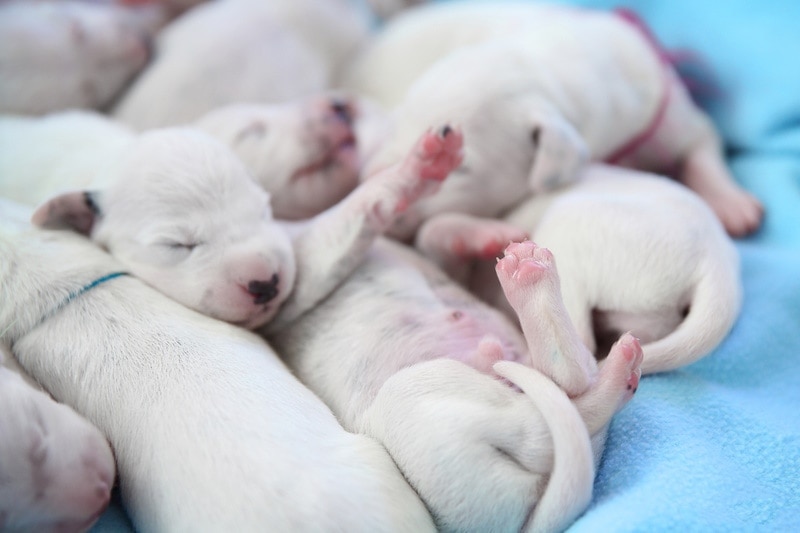
Whether you are a beginner breeder or are caring for some unplanned puppies, knowing how to care for them is crucial for their survival and overall health. Hopefully, your dog is a good mom that's feeding and tending to them regularly, and the pet owner is monitoring things like their weight and physical maturity.
Once the mother dog begins to leave her puppies, the pet owner will need to get involved with the feeding and weaning process. So, here is a step-by-step guide on how and when to start.

Before You Start: When to Wean
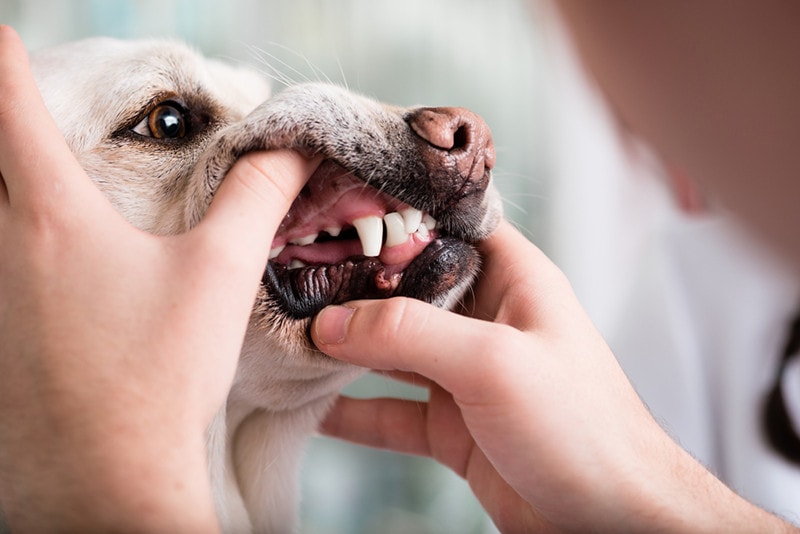
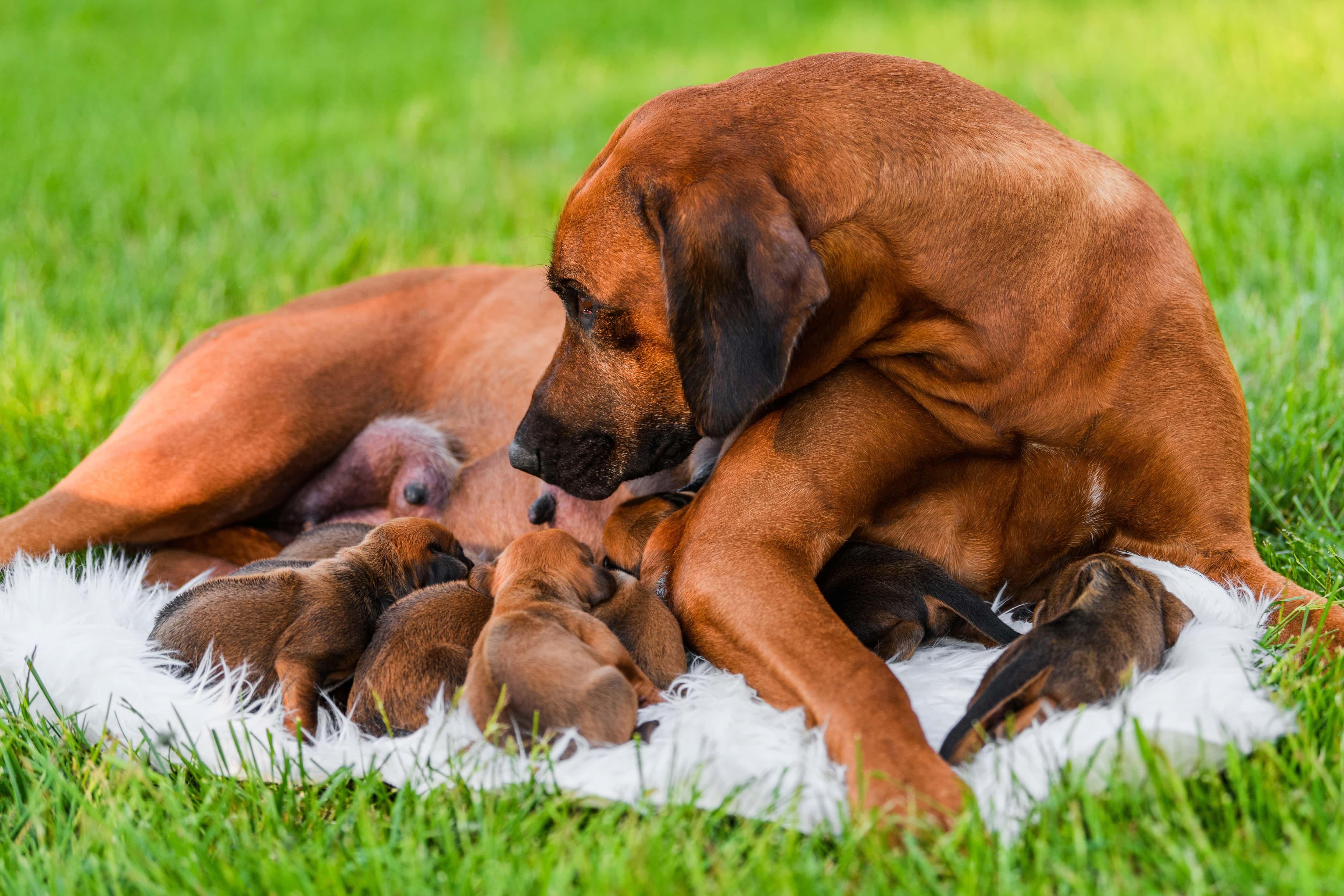
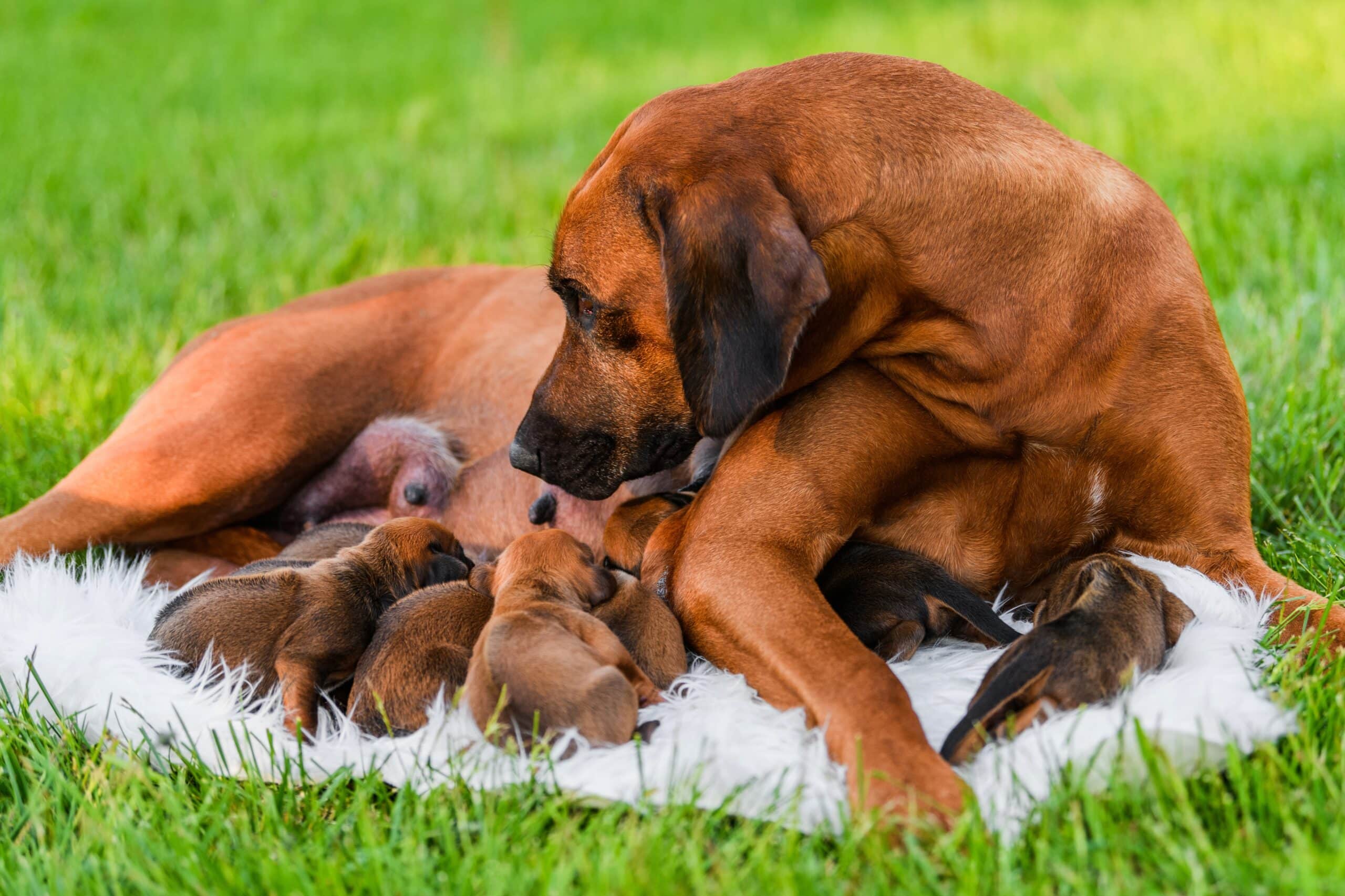
At about three to four weeks old, puppies begin to develop teeth 1. As they begin to develop teeth, their suckling is painful to the mother. As a result, the mother pup will begin to shy away from the puppies for increased periods of time. This is when the natural weaning process begins.
In addition, even though milk production for the mother dog will peak when her puppies are around 4 weeks of age, the puppies cannot be sustained on milk alone beyond this point. The mother will begin to regurgitate her food to feed her young. No need to worry—this is a normal process. However, when dogs are kept as pets, this system alone may not be enough for the puppies.
In addition, the mess from this process is often too much to keep up with. Therefore, it’s best to assist the mother with weaning once the puppies are around 4 weeks old.

Step-By-Step Guide: How to Wean Puppies
1. Offer the Pups Milk Replacement
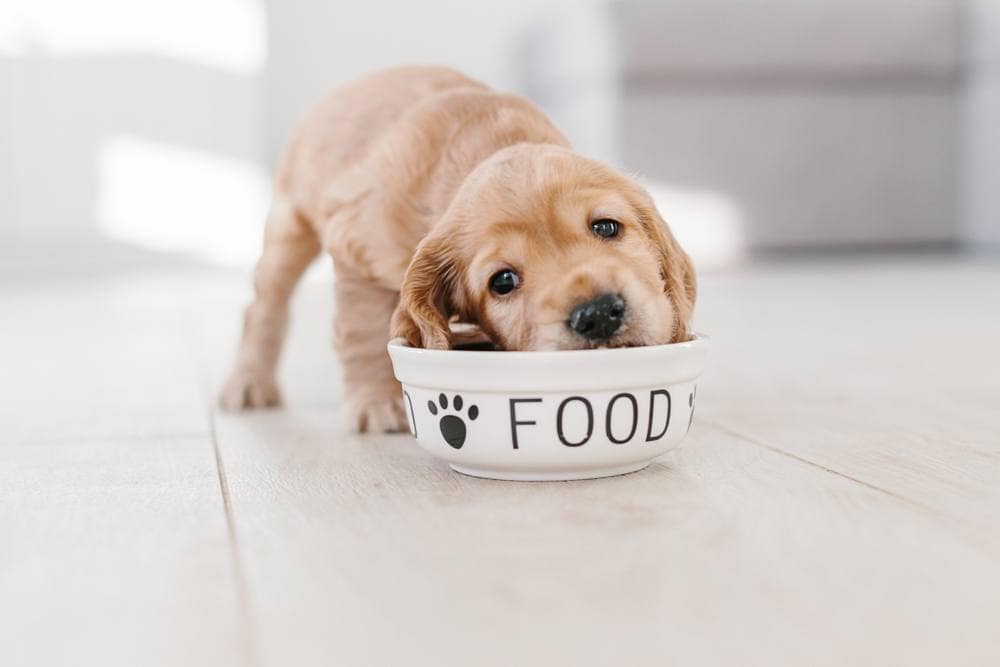
To help the mother wean her pups, use puppy milk replacers. Place the mixture in a flat saucer or pie plate. To entice the pups to drink it, use your finger to place small drops on the puppies’ mouths and noses. Continue doing so two to three times daily. They puppies should begin to drink the formula on their own within one to four days.
2. Start the Pups on Half Milk and Half Puppy Food
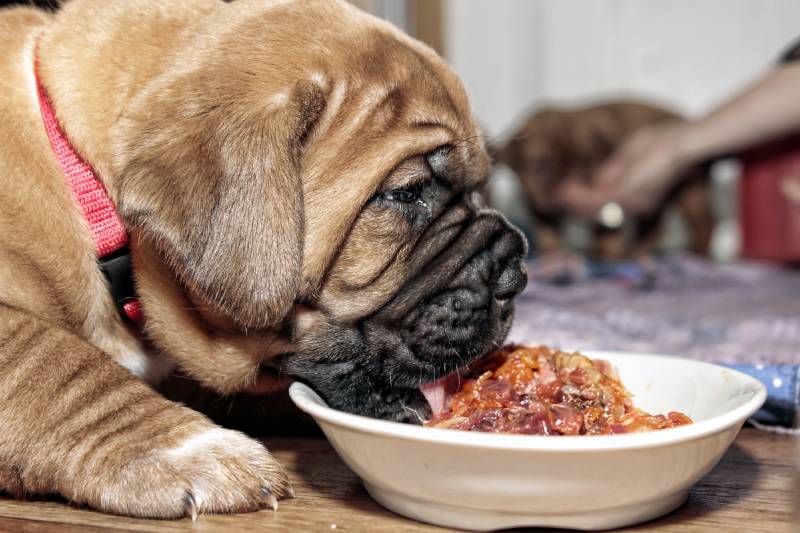
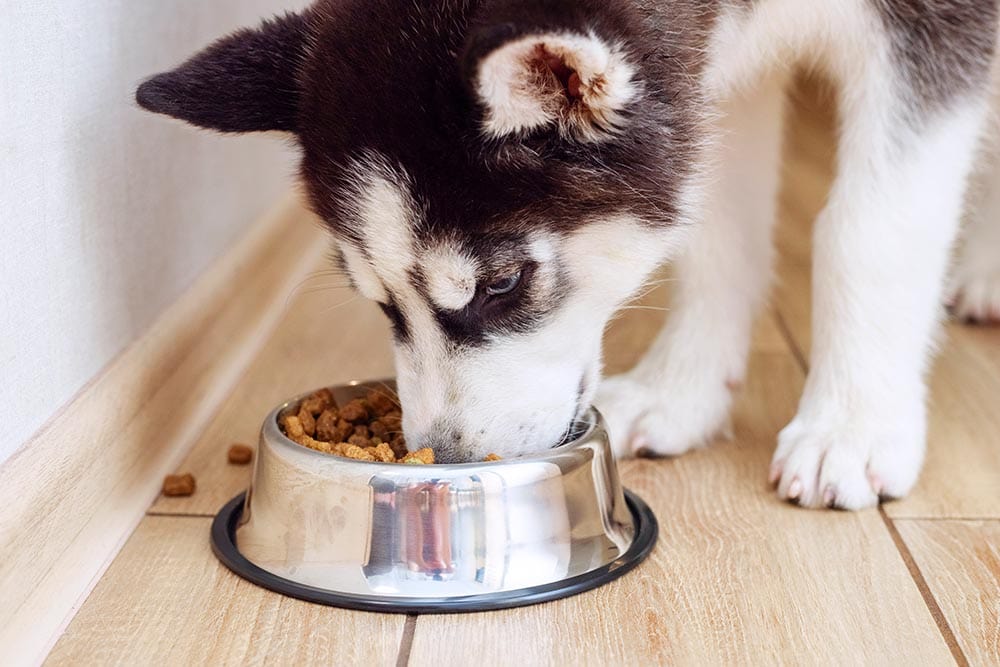
The next step is to offer the pups some milk replacer with high-quality puppy food. They will get bits of food as they lap the milk. The goal is to make a slurry, similar to what regurgitated food from a mother dog would look like. It’s best to start with a mixture of around 80–90% milk and 10–20% puppy food. The goal is to slowly reduce the amount of milk replacer every 2–3 days, while increasing the amount of solids by a similar amount.
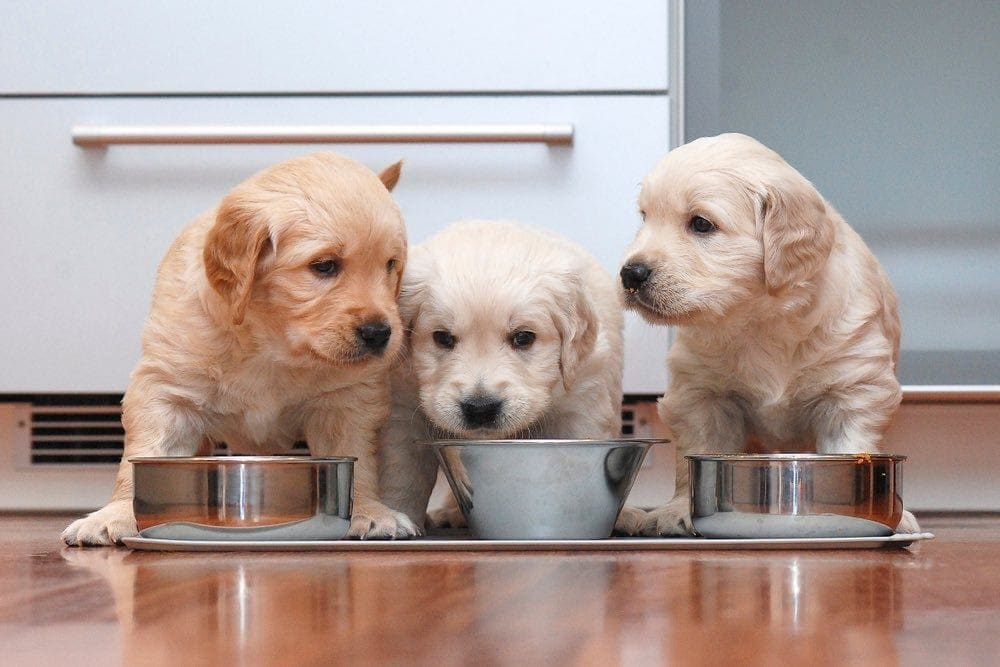
Puppies should be fed multiple times a day, and aiming for six to eight small meals a day is a good starting point; the number of meals can be slowly reduced as the puppies grow. Four to six meals a day by the time they are around 6–8 weeks old is recommended.
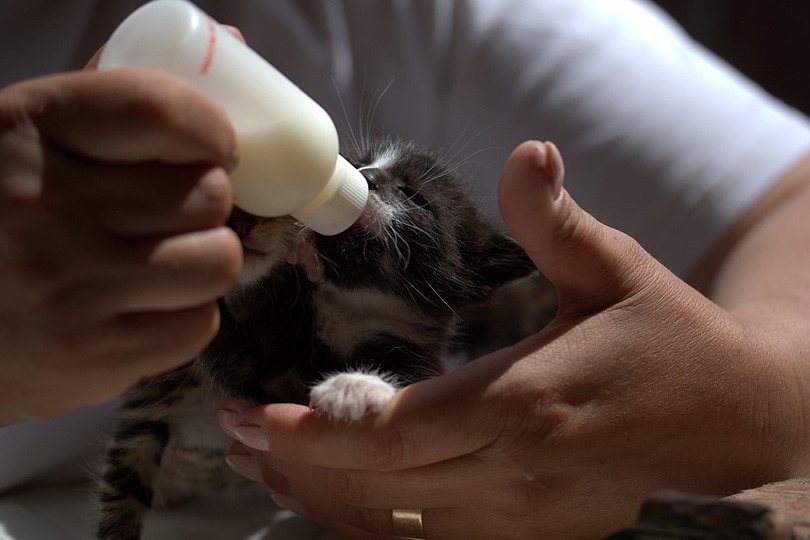
For hand-raised puppies, you can begin to wean them slightly sooner with a similar slurry when their eyes are fully opened and they’re slightly mobile (at around 3–4 weeks of age).

3. Decrease the Milk Replacement
Decrease the amount of milk added to the canned food while increasing the amount of solids in the slurry over the next 2 weeks. As explained above, this is a gradual process. By the time the puppies are 6 to 7 weeks old, the pups should be consuming the canned food with little to no added milk replacer.
The milk replacer can alternatively be diluted or replaced with water. This is more acceptable when the mother is still nursing her puppies periodically, as she still offers them some milk. However, for orphaned puppies, it is best to stick to milk replacers throughout this process and only replace with a dilution or water once they are about 8 weeks old.
4. Continued Until the Pups Are Fully Weaned
At about eight to ten weeks, the pups should be fully weaned from their mother. At this time, they should be getting four to six small feedings per day.
5. Increase Meal Quantity and Frequency
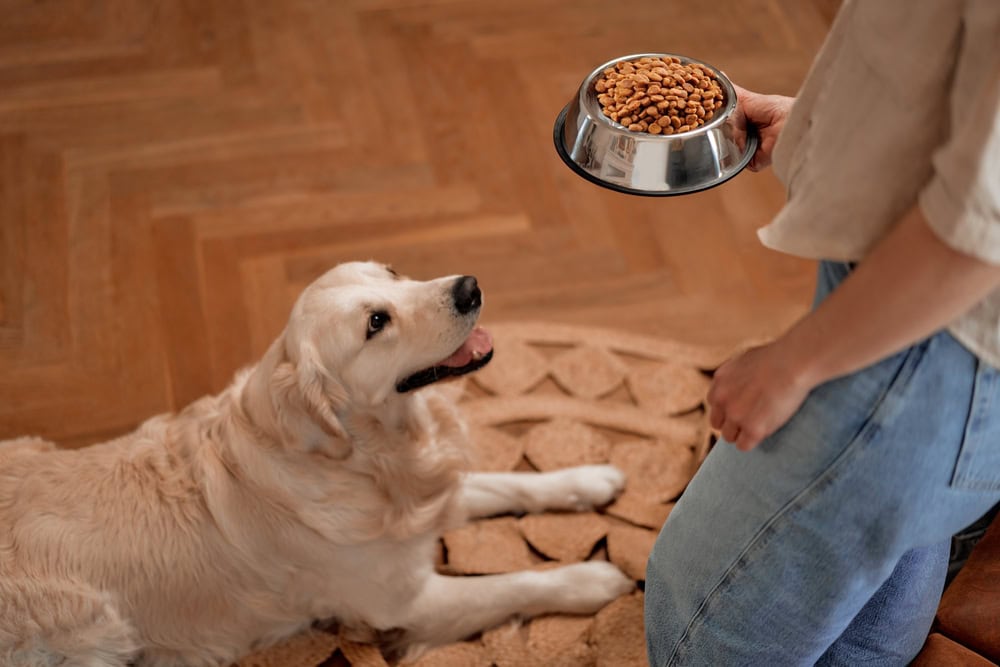
Once the puppies no longer rely on milk and are fully able to sustain themselves with solids alone, the frequency of meals can be reduced; however, the amount of food they’re fed at each meal should increase to keep up with their nutritional needs.
Their ideal feeding regimen will depend mostly on their breed, as larger breeds take longer to mature than smaller breeds. For instance, Great Dane puppies may need to eat more frequently until they mature at about age 2, while a smaller breed will mature much sooner. We recommend that you discuss this transition with your veterinarian.
6. Monitor the Pups
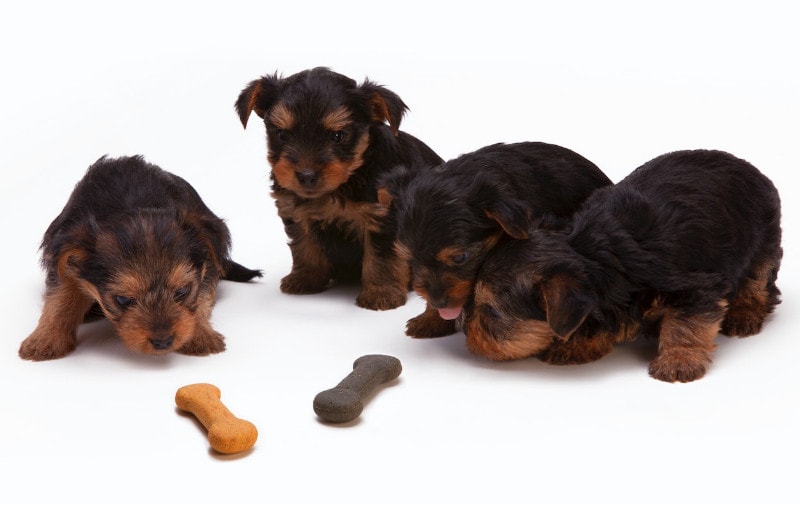
It is important to monitor the pups, especially while they are being weaned. They need to be weighed daily to ensure they are all gaining weight. They also need to be monitored to ensure that they are not reacting adversely to the process. Signs of an incompatible diet or weaning issues include weight loss, ill thrift, weakness, diarrhea, or vomiting. In these instances, we recommend that you seek the advice of your veterinarian.
7. Don’t Forget the Mother!
During the weaning process, the mother should also be considered. While she is still nursing, ensure that she gets adequate nutrition (usually via puppy food) and unrestricted access to water at all times to keep up with milk production for her puppies.
Though many mother dogs naturally start to wean their puppies when they are around 4 weeks old, it is important to note that the process of weaning is gradual. You should not separate the mother from her puppies if she is willing to nurse them. The additional nutrition is great for puppies, and puppies rely on their mothers for more than just milk. Mother dogs teach puppies the skills they need to socialize with other dogs and their caretakers, and also offer them warmth and protection.
Not allowing a lactating mother to feed her puppies milk is detrimental to her health. Not only is she likely to show signs of stress, but a sudden cessation of lactation can lead to health problems such as mastitis (an inflammation of her mammary glands), which requires medical care.
It’s best to discuss a mother dog’s nutritional needs with your veterinarian during her pregnancy itself (often when you take her in for a pregnancy diagnosis). It is also advised to check in with your veterinarian if your puppies are over 8 weeks old and the mother seems to not want to wean them at all. In such an instance, your veterinarian can help formulate a gradual separation plan for the dog to ensure that she weans her puppies appropriately.
Final Thoughts
Like babies, puppies get nourishment from their mother’s milk. Their survival depends on it. After about 4 weeks, they will slowly need to learn to eat on their own. The weaning process does not happen overnight, however. It will need to be done gradually and should not be rushed.
It will take about 6 to 8 weeks for the pups to be eating on their own and be completely weaned. Though most dog mothers are naturally adept at figuring out when to wean their puppies, you should consult with your veterinarian if you observe your mother dog if she seems overly attached to her pups and refuses to wean them when they’re over 8 weeks old.
Featured Image Credit: olgagorovenko, Shutterstock
Get Hepper In Your Inbox


Pet care tips from our vets and experts, straight to your inbox.
You may opt-out at any time. View our Privacy Policy for more information.
Nicole is a lover of animals of all sizes but is especially fascinated with the feline variety. She’s the proud mom of Baby, a Burmese, and works every day so he can relax in the sunshine or by the fire. She’s always had a cat in her home and has spent countless days with others, observing behaviors and softening up even the grouchiest of the lot. Nicole wants to share her kitty expertise with you so you and your cat can live happy, healthy, and care-free.
Join the conversation
Ask a question, share your story, or send private feedback.