Hepper is reader-supported. When you buy via links on our site, we may earn an affiliate commission at no cost to you. Learn more.
My Dog Keeps Leaving Her Puppies, What's Wrong? Our Vet Explains What to Do

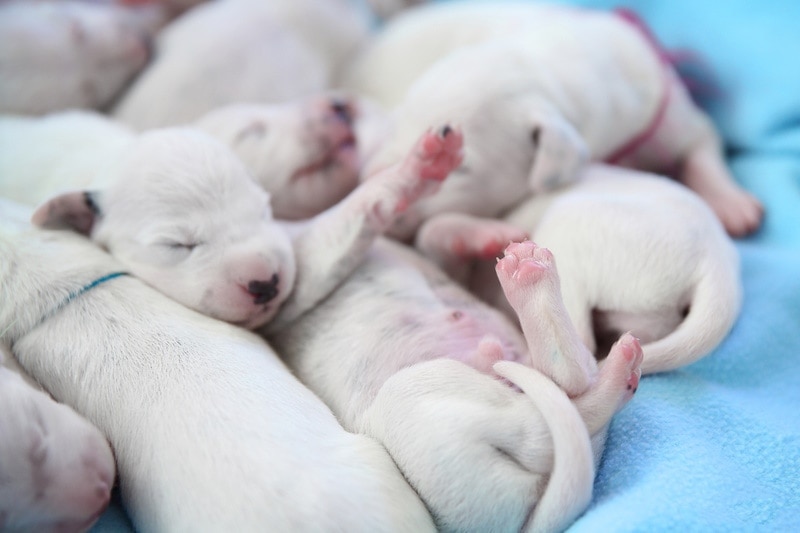
When it comes to having pups, most of the time, nature takes over and your dog will know exactly what to do. Although there are many things that you need to do to make sure your dog is fit, healthy, and prepared to have a litter, looking after the pups is usually up to her.
So, when your dog doesn’t want to stay with her pups, it can be quite worrying. Sometimes, there is a simple explanation; other times, there is something more serious going on. We’re going to take a look at six reasons why your dog might keep leaving her puppies, and what you can do about it.

The 6 Reasons Why Your Dog Keeps Leaving Her Puppies
1. She’s Too Hot
We are often focused on making sure we have provided a warm and cozy environment for your dog to have her puppies in, but sometimes, we can be a bit overzealous about keeping her and her pups warm. If your dog is panting a lot and if you notice that the pups tend to be spread out rather than cuddled up together, it might mean that you need to bring the temperature down a bit.
She could also be hot if she is running a fever. It’s always a good idea to have a rectal thermometer handy when you have an expectant canine mother because a drop in body temperature can be a good indicator that it’s nearly time for the arrival of puppies. Being able to monitor your dog’s temperature after the birth is also important for making sure everything is as it should be. The normal temperature of a dog is around 101oF to 102.5oF. If her temperature is higher than this, you should contact your vet in case she is unwell.
2. She’s Unwell
After giving birth, there are a number of things that could cause your dog to become unwell, any of which could make her avoid or abandon her puppies. The most common include:
- Mastitis: Inflammation or infection of one or multiple mammary glands. This is usually quite obvious due to the enlarged, painful gland.
- Retained pup or placenta: Sometimes, there can be a pup that didn’t make it, or a placenta that has stayed inside the uterus. This can cause a pretty nasty infection, and you would likely notice a very unpleasant smell, as well as some discharge from her vulva.
- Milk Fever: Also known as hypocalcemia, this is more common in tiny breeds but can be a serious, potentially fatal complication. It usually occurs 2–4 weeks after birth but can occur even earlier. It is usually due to insufficient dietary calcium, or the overproduction of milk (particularly in large litters).
3. There Is Something Wrong With the Puppies
Fortunately, it would be uncommon for there to be a health problem with a whole litter, but it is not unusual for a mother dog to neglect or abandon a puppy that has a poor chance of survival. This may seem heartless, but in the wild, it simply isn’t sensible to waste resources on one puppy if it means neglecting the rest of the litter. If your dog seems to be avoiding one pup in particular or, in some cases, is treating the pup with aggression, you should definitely be making an appointment to see the vet.

4. The Puppies Are Biting!
Puppies start to get their sharp little teeth coming through when they are around 3 weeks old, and this can be a tough time for their mother. If her sweet, suckling babies start biting when they eat, you can’t blame her for wanting to take a break.
5. It’s Weaning Time
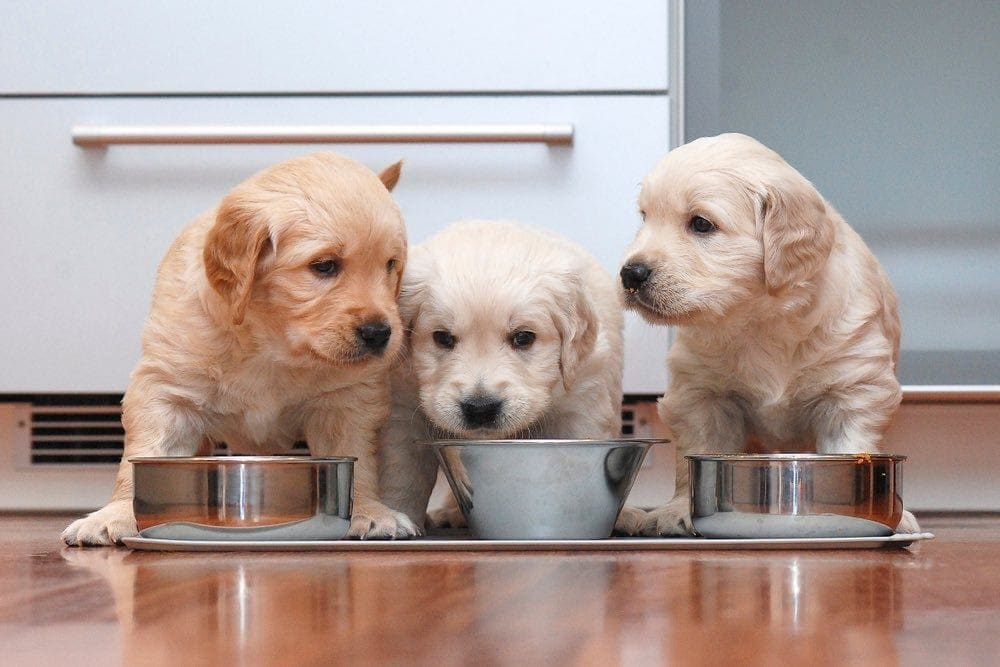
When her pups are around 4–5 weeks old, the mother will start to spend less time with them and be less attentive, and you will need to provide the puppies with solid foods. By the time they are 6–7 weeks old, the puppies should be fully weaned, although if the mother allows it, many will carry on drinking milk for much longer.
6. She Doesn’t Want Them
Let’s begin by addressing a common myth: You should let a dog have puppies. There is absolutely no scientific evidence that supports the idea that female dogs benefit, either in terms of health, behavior, or temperament, from having a litter. So, where did this myth come from? It is an example of something known as anthropomorphism, where we assign human emotions and reactions to the actions and behavior of animals.
We know that dogs experience a huge range of emotions, but we cannot assume that they share our priorities, choices, or lifestyle preferences. When a dog has a litter, she raises them, weans them, and, in most cases, that is the end of their relationship. They do not form long-term familial attachments in the same way we do. In fact, if a male pup stayed with his mother, he would quite happily try to mate with her when he is old enough.
What does all this have to do with why a dog might leave her pups? Well, some dogs just don’t want to be mothers, but they are often not given the choice. This isn’t a common scenario, and in most cases, even dogs who might not have been keen on the idea of mating will instinctively look after her pups. Some, however, have no interest in looking after squeaking, squalling babies.
My Dog Keeps Leaving Her Puppies. What Now?
If you have realized that the problem is simply that she is too hot, that the puppies are using their sharp teeth, or that they are on their way to being weaned, that’s great. Keep a close eye on the situation and contact your vet if you have any concerns.
However, if there is no obvious reason for your dog to be leaving her puppies, particularly if this is happening within the first few weeks, it is essential that you take both mother and pups to see the vet. She might need antibiotics, calcium, or an ultrasound to see if there is something going on inside. Your vet will also want to check the puppies for any problems or signs of illness.
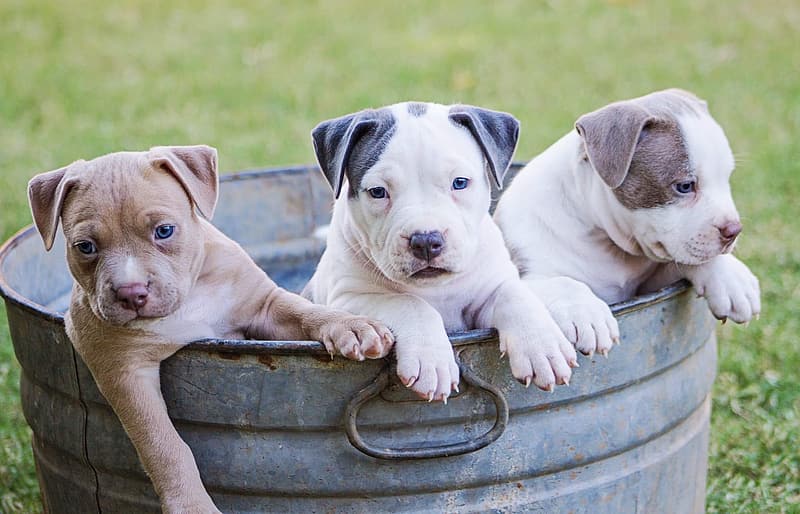
Tips for a Happy Mom and Healthy Pups
If you are thinking about having puppies, or things have already started, it is time to book an appointment with the vet. They can make sure you have everything you need and that your dog is up to date with any vaccinations and parasite treatments she needs. The puppies rely on her immune system for protection, so it needs to be at its best.
- Around 2–3 weeks before the puppies are due, start adding some puppy food to your dog’s diet. This will help boost her weight and her calcium levels in preparation for feeding hungry mouths.
- It is a good idea to have an ultrasound at around 5–6 weeks to ensure everything is progressing well and get an idea of how many puppies you might be expecting.
- Pick up a good thermometer. A rectal thermometer will do the trick, or there are now some decent non-contact thermometers that are even easier! A drop in your dog’s temperature is a pretty good indicator that the pups are around 8–24 hours away.
- Make sure you have a good whelping box. It should be large enough for your dog to move around in but not so big that any pups are going to get lost or trapped under anything. An ambient thermometer is also useful to make sure there are no hot or cold spots.
- Be prepared to raise puppies. Sometimes, a dog just will not take to being a mother and will reject her pups completely, or there may be health reasons that mean she can no longer feed them. If this does happen, it is always better to be prepared by having a supply of puppy formula and feeding bottles on hand.

Conclusion
Although raising pups is something that a mother dog will do instinctively, sometimes that maternal drive fails and we have a dog that keeps leaving her puppies. This can be due to a health problem, a comfort issue, or it could just mean that your dog has had enough.
If you are faced with this situation, the best thing to do is reach out to your vet. They may be able to give advice over the phone, or they might suggest bringing the family in for a checkup.
It is always better to be over-prepared, so if you and your dog are expecting puppies, make sure you have everything you will need, as well as everything you might need, and that includes having your vet’s number on speed dial.
See Also:
Sources
Featured Image Credit: Dulova Olga, Shutterstock
Get Hepper In Your Inbox


Pet care tips from our vets and experts, straight to your inbox.
You may opt-out at any time. View our Privacy Policy for more information.
Karyn has lived in the UK for the past 10 years after moving from Queensland, Australia. In 2010, she graduated from The University of Queensland School of Veterinary Science, and also holds a Bachelor’s degree in Zoology. Karyn is passionate about using evidence, experience, and owner collaboration to provide the best solutions for pets, and believes in making reliable information about animal health accessible to all. She shares her home with 5 cats, 4 dogs, and 1 husband, and when she is not practising as a veterinary surgeon, she spends her time writing, gardening, and cleaning up pet hair!
Join the conversation
Ask a question, share your story, or send private feedback.