Hepper is reader-supported. When you buy via links on our site, we may earn an affiliate commission at no cost to you. Learn more.
How Long Does It Take Dogs to Have Puppies? Vet-Verified Facts & FAQ


In this article
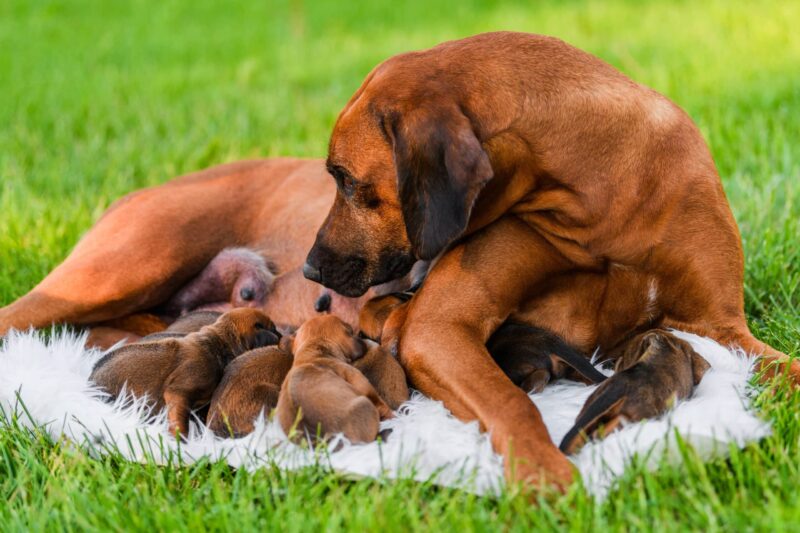
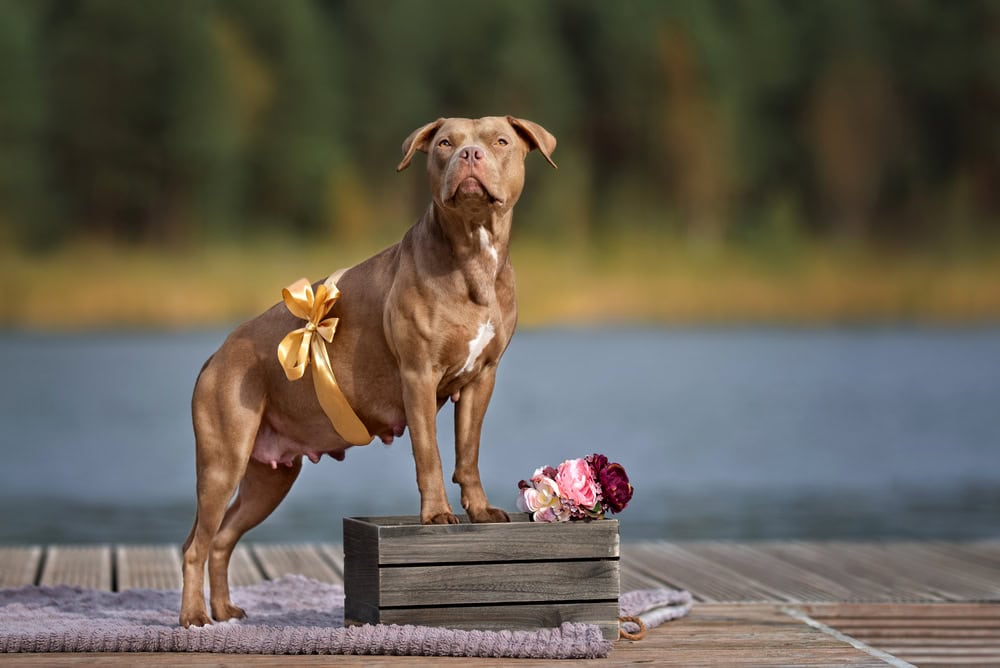
If your dog is pregnant, the next logical question is how long it will be until she has her puppies. Usually, dogs are pregnant between 57–65 days, with 63 days being the average. This equates to about 2 months or about 8 weeks. Obviously, this timing will be a little off if you don’t know the exact breeding date.
The course of a dog’s pregnancy is split between three trimesters, just like human pregnancies, except they’re much shorter. Trimesters are generally only 21 days long. So, you have about 63 days to plan for puppies, and you probably have a lot of work to do! Let’s talk about what you can expect when your dog is expecting.

How to Tell if Your Dog Is Pregnant
It’s not easy confirming your dog’s pregnancy, especially if it’s early in the gestation period.
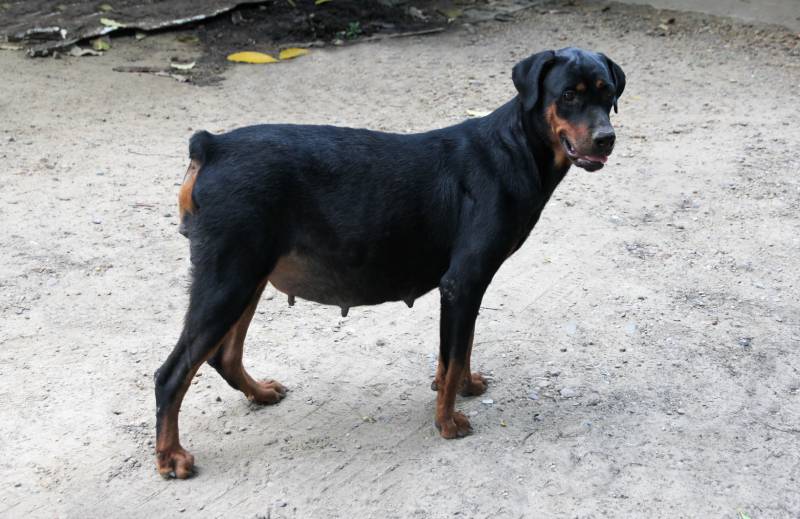
There are a few signs of pregnancy to look out for if you’re still not sure if your dog is pregnant.
Some dogs will have morning sickness and a decrease in appetite, too. Vomiting, inappetence, and an extended belly can also point to other, more severe health concerns, so it's good to take your dog to the vet to be sure.
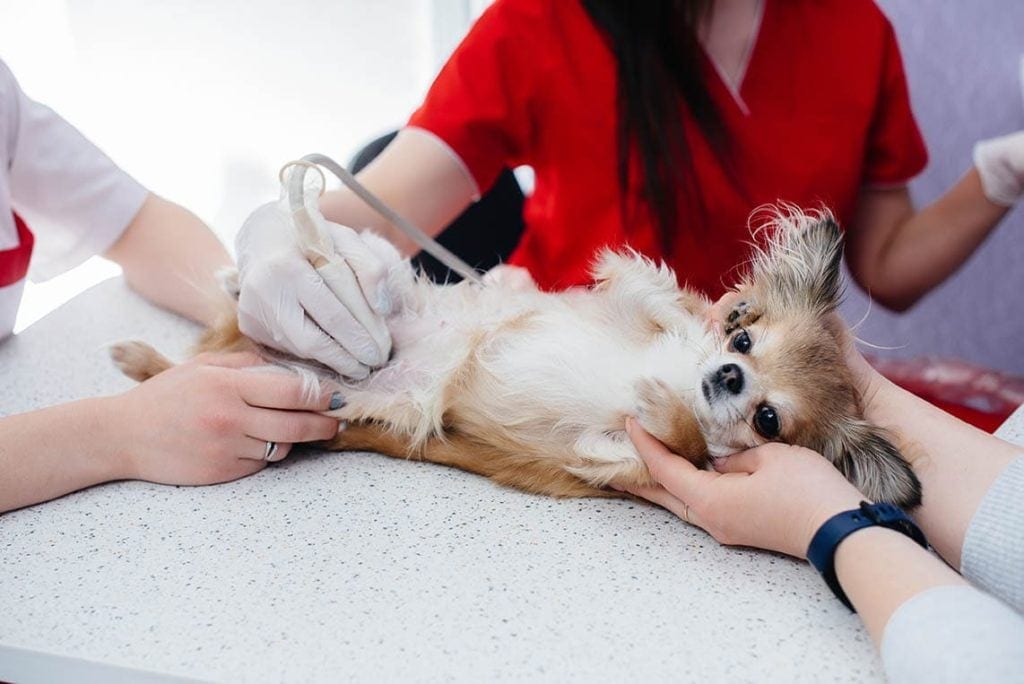
Diagnostic testing is the most accurate way to confirm your dog is pregnant, but it will require paying for a vet visit.
There are a few tests your vet can do, such as:
How Many Puppies Can a Dog Have?
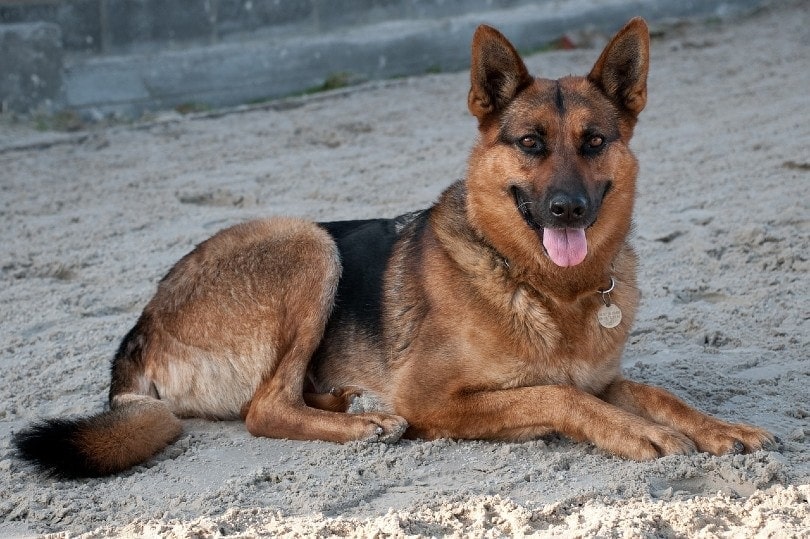
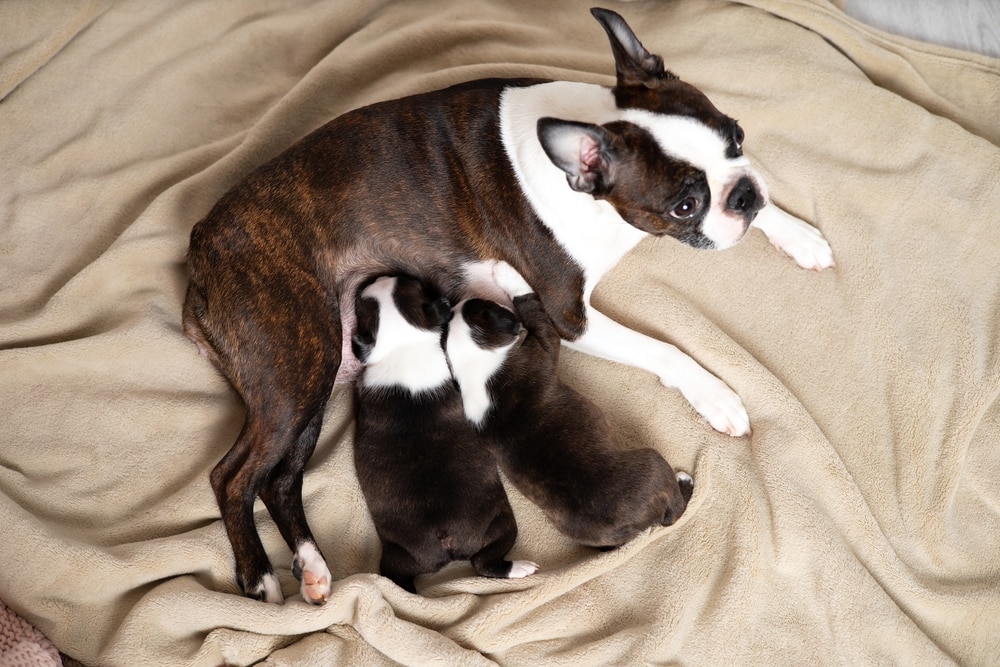
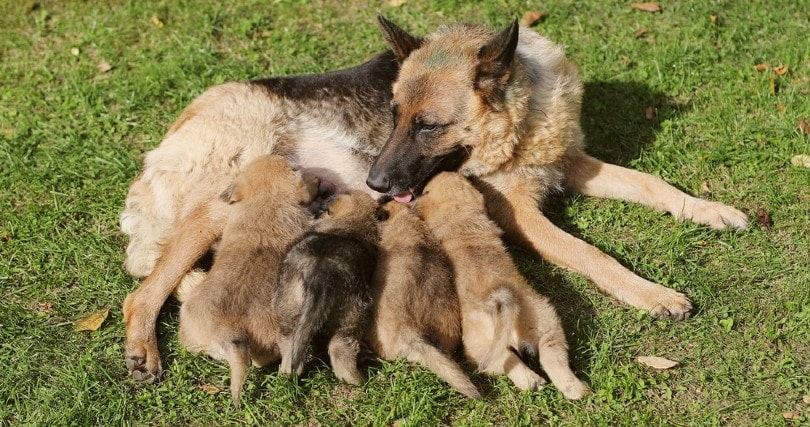
Dogs can have between one and 12 puppies, but there are always variables to consider. It all boils down to the size and breed of the dog. For instance, big dogs like German Shepherds and Golden Retrievers tend to have more puppies because their bodies can carry more puppies. On the other hand, smaller dogs like Beagles and Dachshunds will generally have smaller litters.
To date, the largest puppy litter ever recorded was when a Neopolitan Mastiff gave birth to 15 male puppies and 9 female puppies. Wow! Can you imagine having all those little fur balls running around?
You probably won’t need to plan for your dog to have 24 puppies. On average, dogs have about five or six puppies per litter, so it’s best to plan around this number with a little wiggle room, of course.
What to Do When Your Dog Is Pregnant
So, you’ve confirmed your dog’s pregnancy. Congratulations! Now it’s time to plan for puppies. Birthing puppies in your home is an extraordinary experience. So, what do you do first?
Because the puppies aren’t in your home yet, your dog is the first thing you want to focus on.
The First 6 Weeks
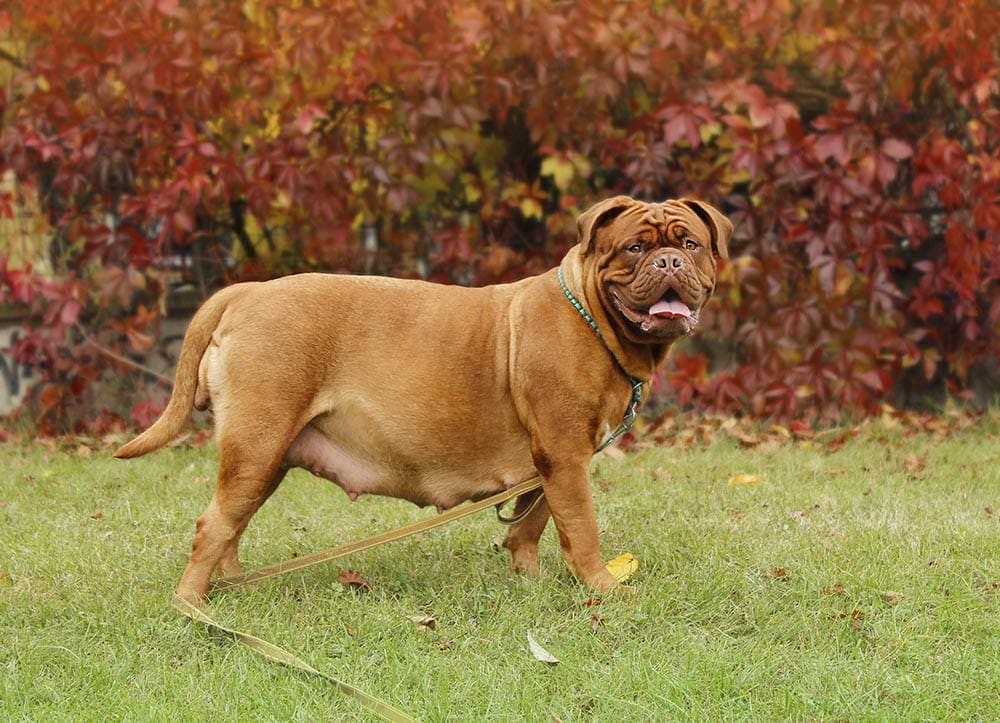
Give your dog plenty of rest during the first few days of pregnancy. Her heat cycle will continue for several more days after conception, so keep any male dogs away that might want to mate with her.
Place food and water in places that aren’t difficult for her to reach. You won’t need to change her diet much in the first 6 weeks of her pregnancy. A high-quality dry dog food high in omega-3 fatty acids is ideal for helping her puppies and breast milk develop.
After 6 Weeks
Continue feeding your dog low-fiber foods that are high in omega-3 fatty acids. This is when you’ll need to increase her food intake. A good rule of thumb is to offer 1.5 times more food than her regular amount. You’ll want to break this down into smaller meals more frequently throughout the day.
Docosahexaenoic acid (DHA) supplements are another option to keep your pregnant pup healthy. Just make sure to discuss these with your veterinarian first.

Preparing for Puppies
Preparing for puppies is one of the most fun parts of this entire experience. This is when you get to set up the birthing box. It’s like a little at-home birthing hospital for dogs. Birthing boxes offer your dog a safe, warm, stress-free environment to birth her puppies.
To set up a birthing box, you’ll need:
When it comes to the birthing box, you can use just about anything. Some people use a simple cardboard box, and others use kid swimming pools or wooden whelping boxes. Get creative, but don’t think you have to spend a lot of money. All that matters is your dog feels comfortable and safe.
Signs of Labor
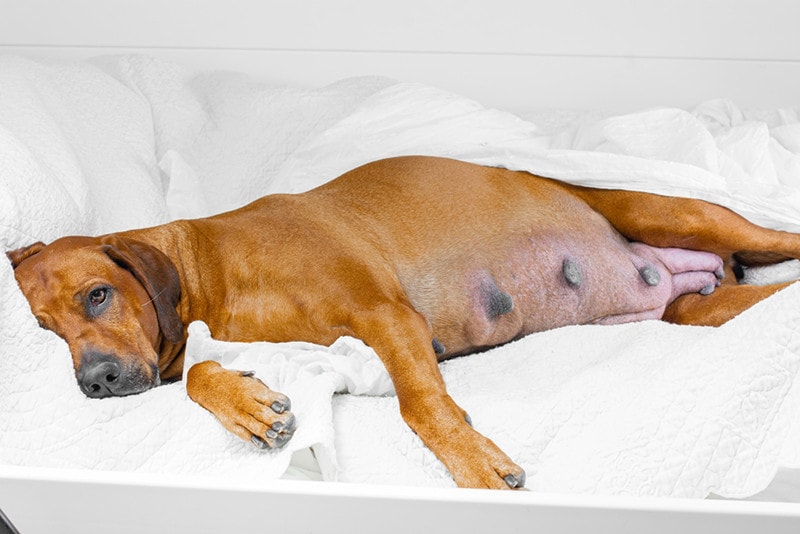
Now that the big day is approaching, all your supplies should be ready to go at this point. Around day 58, keep an eye on your dog as her time for labor approaches.
Some telltale signs of labor include:
How long labor lasts is different for each dog. It depends on how many puppies there are and if your dog runs into any birthing complications. For dogs, labor is divided into three stages.
Your dog will alternate between stages two and three, so you should see afterbirth between 15 minutes after each puppy is born. Some mother dogs will also eat the afterbirth.
How Long Between Each Puppy?
Puppies are usually born every 30–60 minutes with 15 minutes of hard labor. So, plan about one hour of labor for each puppy.
It’s normal for mother dogs to take a break during labor, so don't panic if your dog stops pushing after she gives birth to a puppy. Still, you don’t want your female dog to take a break longer than two hours, or she’ll run into labor complications such as:
Final Thoughts
Dog pregnancy and birth is an amazing experience. It’s both exciting and terrifying, just like a human birth. Your dog has natural instincts that will shine as she gives birth and cares for her puppies. All you really need to do is assist her in the process.
See also:
How Long Is a German Shepherd Pregnant: Vet-Reviewed Gestation Facts
How Long Are Golden Retrievers Pregnant? Breed Characteristics & Facts
Sources
Featured Image Credit: olgagorovenko, Shutterstock
Get Hepper In Your Inbox


Pet care tips from our vets and experts, straight to your inbox.
You may opt-out at any time. View our Privacy Policy for more information.
Cassidy is a vet tech and pet sitter who has more recently become a pet writer. She loves cats and dogs and has had dozens of pets over the years. Her specialty is the human-animal bond.
Cassidy and her husband currently live in Kansas with a German Shepherd named Raven, two cats named Lucy and Streudel, and several backyard chickens.
Join the conversation
Ask a question, share your story, or send private feedback.