Hepper is reader-supported. When you buy via links on our site, we may earn an affiliate commission at no cost to you. Learn more.
Betta Fish Marbling (Color-Changing Gene): Facts & FAQs
In this article
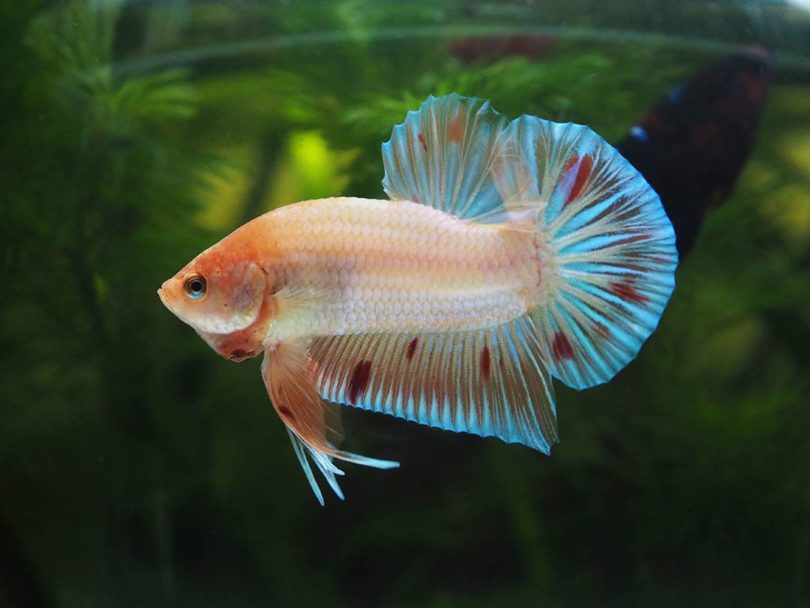
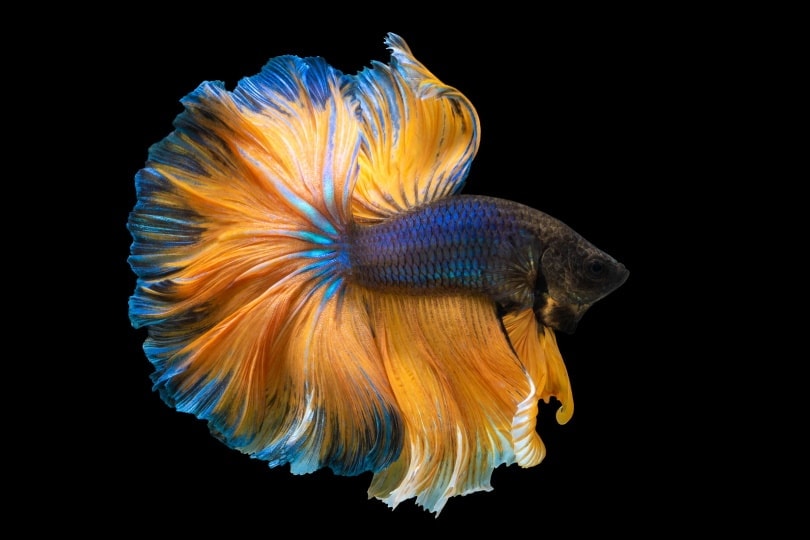
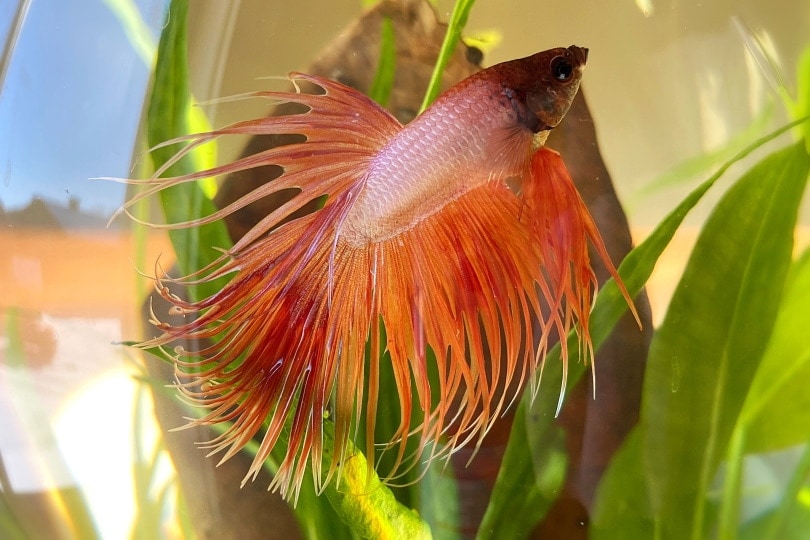
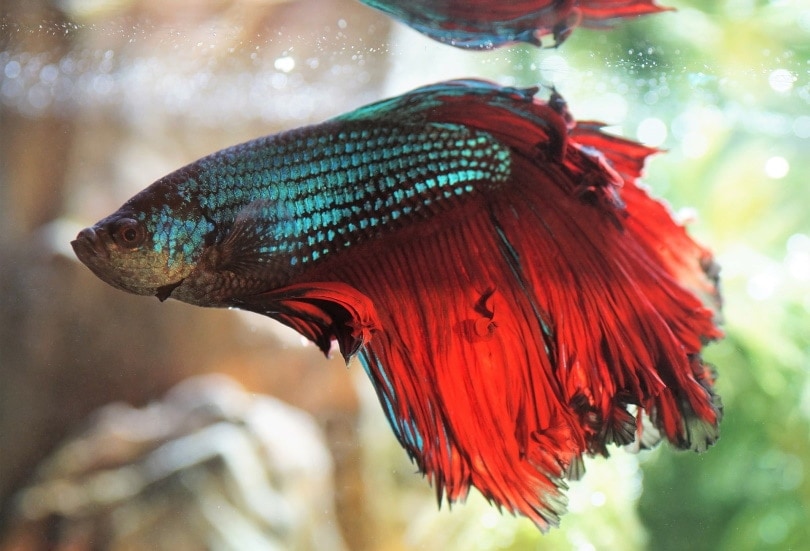
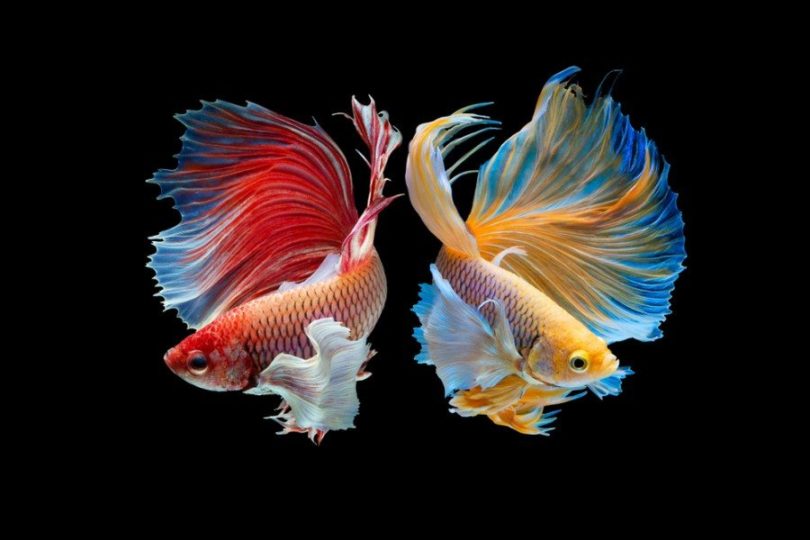
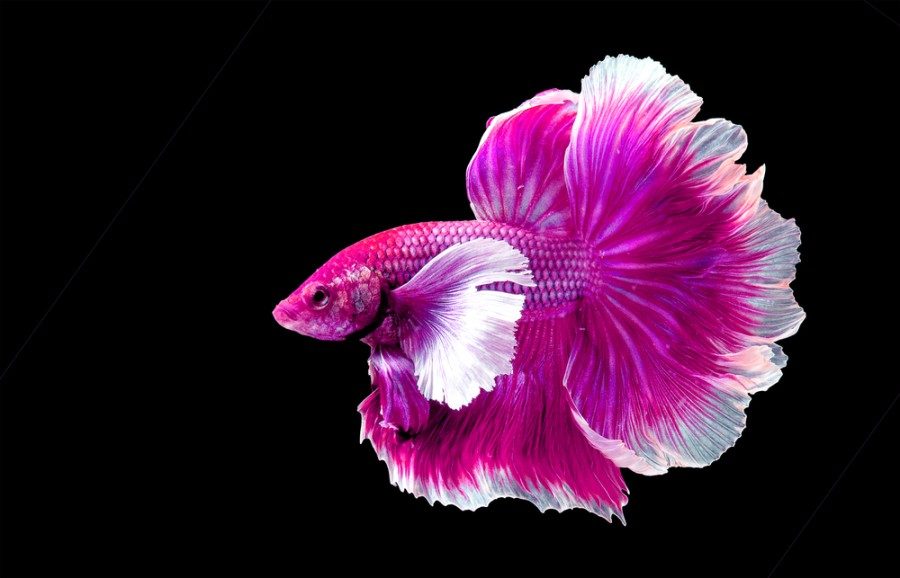
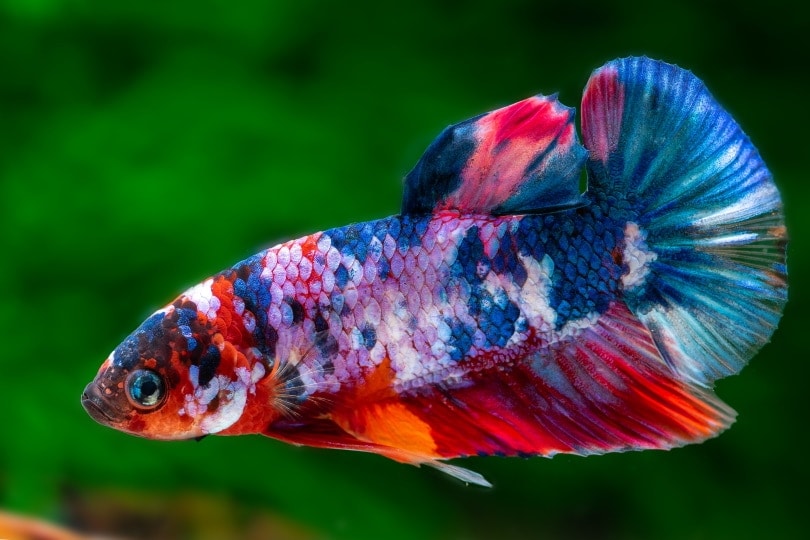
Betta fish are a real feast for the eyes, and their shimmering colors and sail-shaped fin make them a much-desired pet fish. They come in an array of colors and shapes determined by certain specific genes. The marble gene is particularly interesting to aquarists because of the color change it induces in the betta.
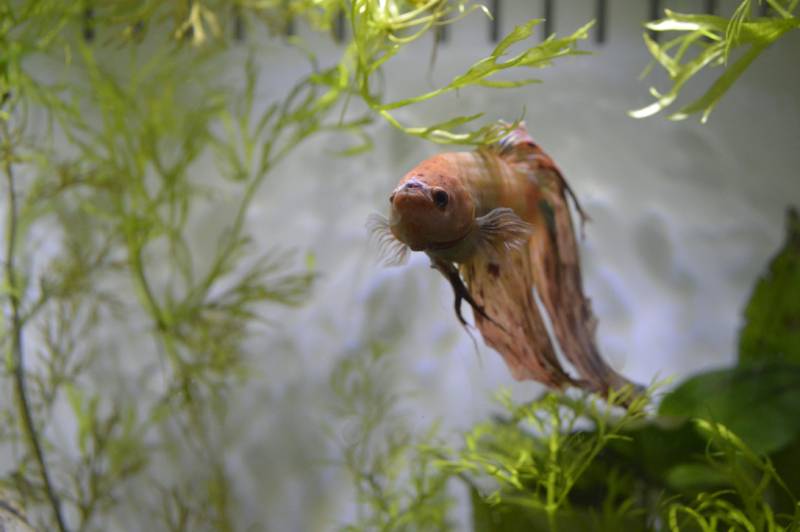
This change is fascinating to watch, as the betta gradually loses its color on its fins and body and subsequently takes on a whole new costume. Find out everything you need to know about betta fish marbling in this handy little guide!

Where Do the Colors Come From in Betta Fish?
The different colors of Betta splendens are due to two different phenomena:
Each pigment is contained in a cell type; xanthophores are for yellow pigments, melanophores are for black, and erythrophores are for red. For iridescent layers, the cells responsible for them are called iridocytes.
According to several theories, the colors of a betta are arranged in layers. However, there are still unknowns on how these layers are arranged or, scientifically speaking, on the color genetics of Bettas with the various phenotypes we know.
- Note: Do not confuse genotype with phenotype. The genotype is the set of genetic characteristics of a living being. The phenotype is the expression of the genotype, which means all the observable traits (such as colors).
The most plausible theory, although it arguably contains errors, is H.M. Wallbrunn's Four Layers Theory. It says that the colors in Betta splendens have been organized into four successive layers:
Each layer has mutations due to a gene comprising two alleles, a dominant (expressed by a capital letter) and a recessive (described by the same letter but lowercase).
Therefore, the color diversity in the domestic Betta splendens corresponds to the different possible allelic combinations for all the genes of each of the four-color layers and the presence or not of the marble gene (MBmb).
What Is the Marble Gene?
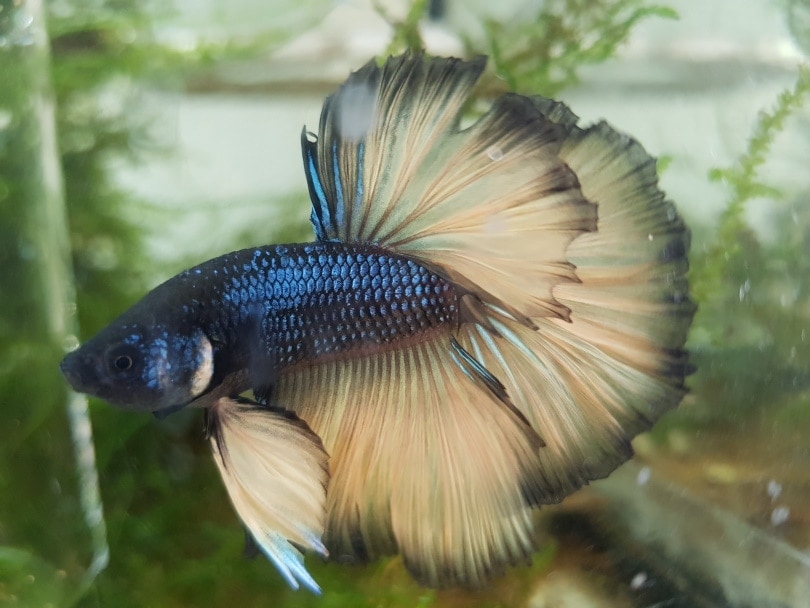
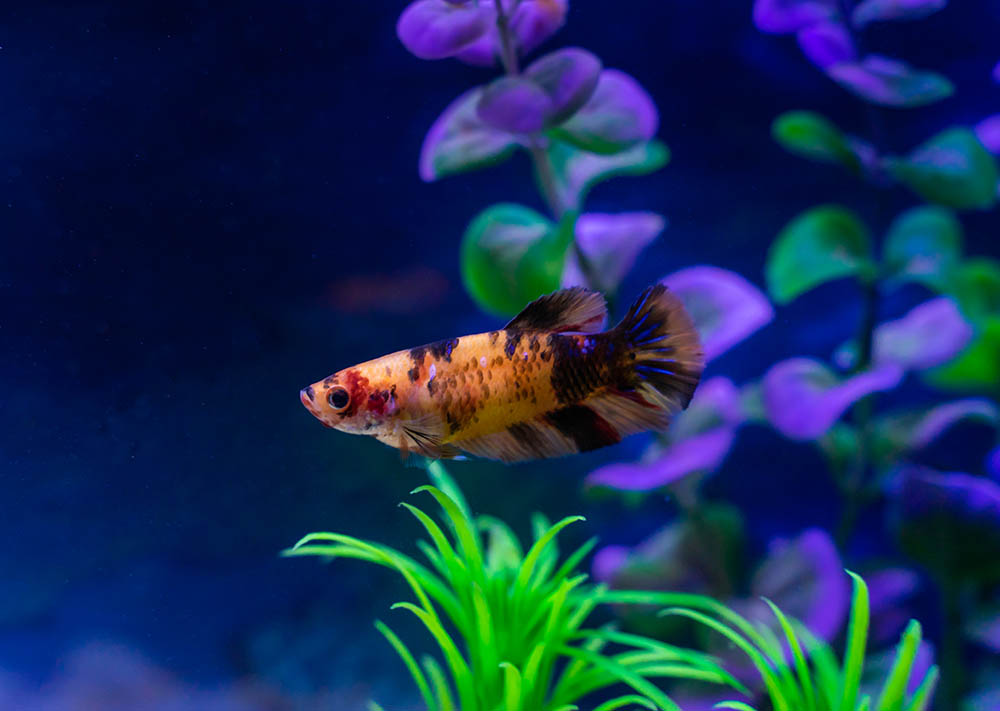
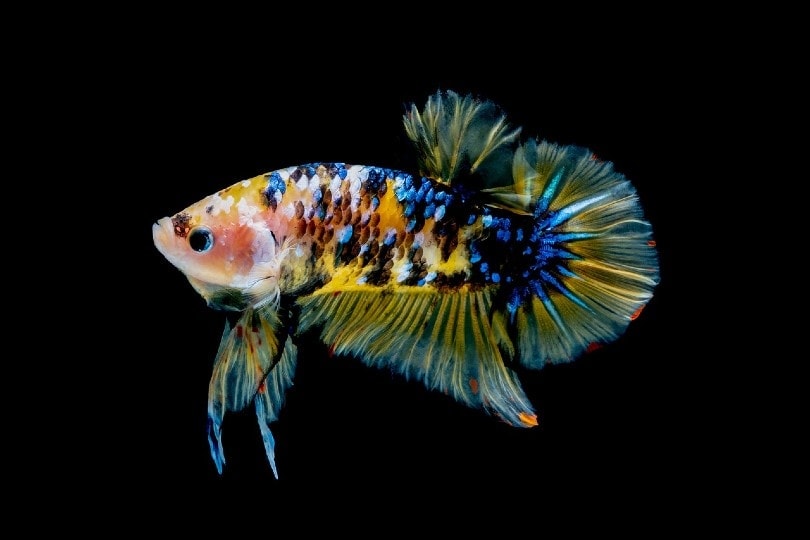
Marbling is when a betta changes color. It can be red, blue, purple, or white, or a combination of both. Marble is also the name of a jumping gene, or transposon, a DNA sequence that can change its position in the fish genome. As a result, marble bettas often have colored patches (or areas without pigment) all over their body and fins.
However, the betta’s color will be unstable due to this same jumping gene. Throughout the fish's life, the gene can activate or deactivate the pigment. This explains why the betta with this gene will not keep the same color patterns all its life. Besides, the jumping gene can affect almost any color pigment, creating a rainbow of possibilities.
What Are the Origins of the Marble Gene?
This strain came about entirely by accident. Orville Gully, a prisoner held at Indiana State Prison, wanted to create butterfly bettas. To do this, he crossed black bettas with white bettas, but instead obtained marble fish. However, the story does not say why Gully was allowed to breed bettas in his small cell.
He later sent his baby bettas to the International Betta Congress (IBC), which caught the eye of Walt Maurus, a betta fanatic and prolific author. So Maurus and other betta lovers started breeding this new strain of fish.
Today, this marble gene applies to all color layers except the iridescent layer.
Meet the Jumping Gene
In 1985, Steve Saunders proposed a theory that a "jumping gene" (or transposons) was associated with the marble gene. Dr. Barbara McClintock has demonstrated the existence of transposable elements during studies on Indian corn, which makes Saunders' theory quite plausible.
Indeed, Dr. McClintock studied the mechanisms responsible for the color variations in Indian corn kernels.
Saunders also gave a summary of the characteristics of the strains of marble bettas:

Final Thoughts
Betta fish marbling results from a transposable element, commonly known as the “jumping gene.” This gene can change its position within the fish’s genome, creating an ever-changing color pattern. This means that if your pretty betta fish has the gene, it will probably experience various color changes throughout its life. So, if you've been wowed by the gorgeous turquoise color of your betta, do not be disappointed if it turns red and white a few weeks later!
Featured Image Credit: Ron Kuenitz, Shutterstock
Get Hepper In Your Inbox


Pet care tips from our vets and experts, straight to your inbox.
You may opt-out at any time. View our Privacy Policy for more information.

Lindsey discovered her passion for fish keeping after a junior high school field trip to the Shedd Aquarium in Chicago. Prior to becoming Editor-in-Chief of It's a Fish Thing, Lindsey studied marine biology at the University of California-Santa Cruz. She loves goldfish, tetras, and mystery snails, and recently began experimenting with a saltwater aquarium.
Join the conversation
Ask a question, share your story, or send private feedback.