Hepper is reader-supported. When you buy via links on our site, we may earn an affiliate commission at no cost to you. Learn more.
5 Common Bloodhound Health Issues: Our Vet Explains Signs & Treatments

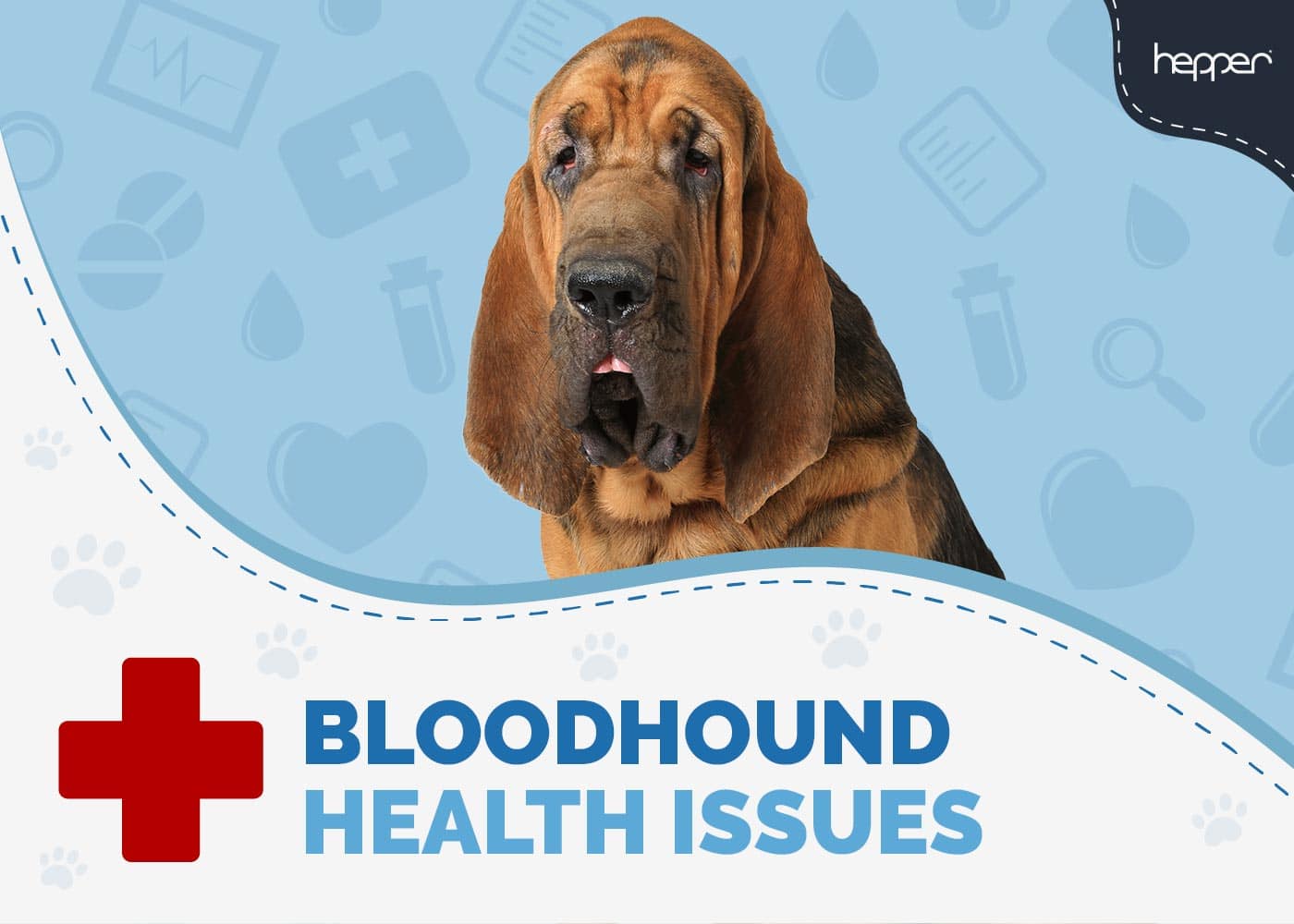
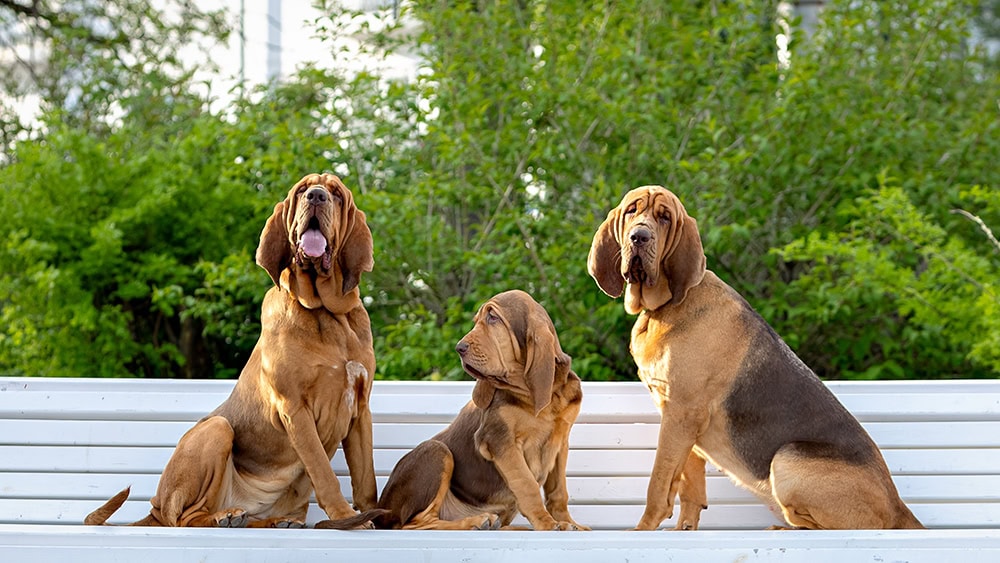
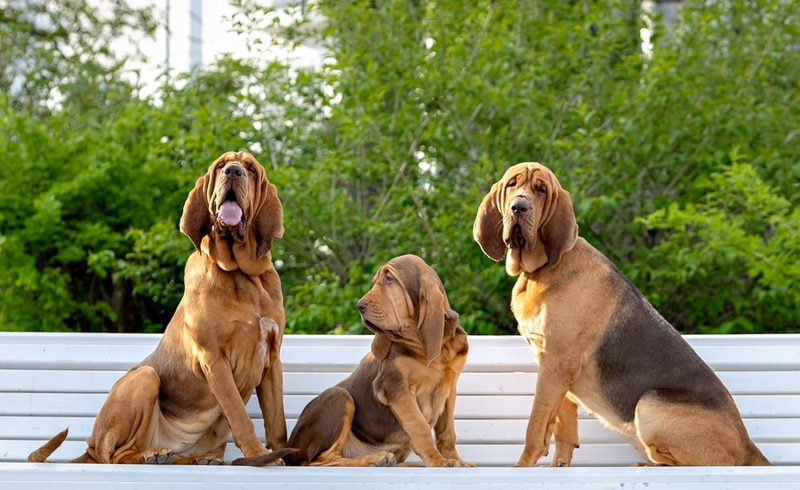
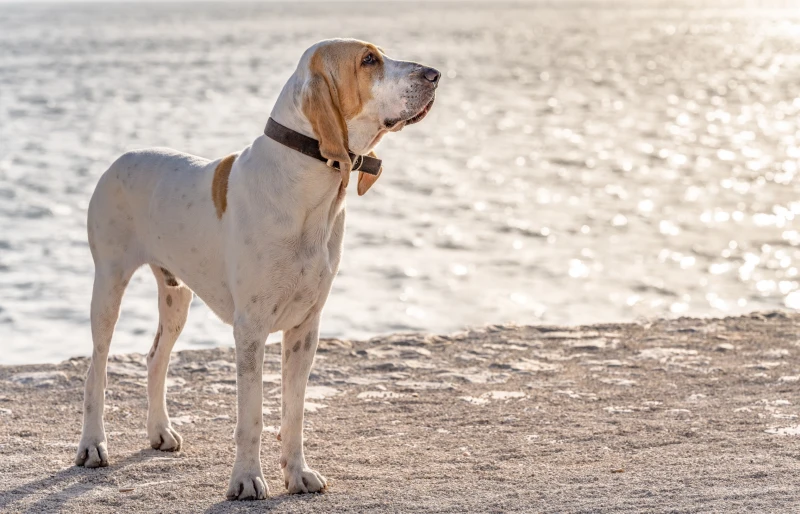
If you’re like us, you might be under the impression that Bloodhounds got their name from their ability to smell blood. While they are undoubtedly capable of doing this, it is not where they got their name. In fact, the Bloodhound is one of the earliest known purebred dogs, and they were named for their “pure blood.”
To this day, the Bloodhound holds the record for being able to track the oldest and longest scent trails, so it’s easy to see why these scent-driven dogs have been used for tracking for over a millennium. In more recent times, these loyal dogs have become popular family pets due to their easy-going natures and, despite their large size, relatively low exercise needs. That’s not to say they don’t need daily exercise, but they generally prefer a nice long walk to a cardio-heavy workout.
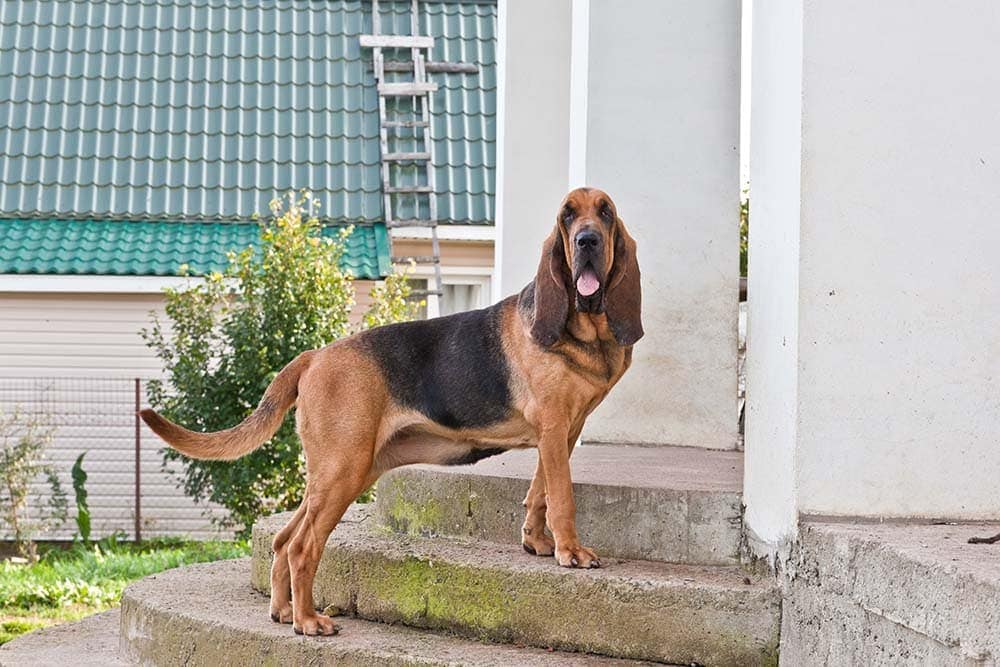
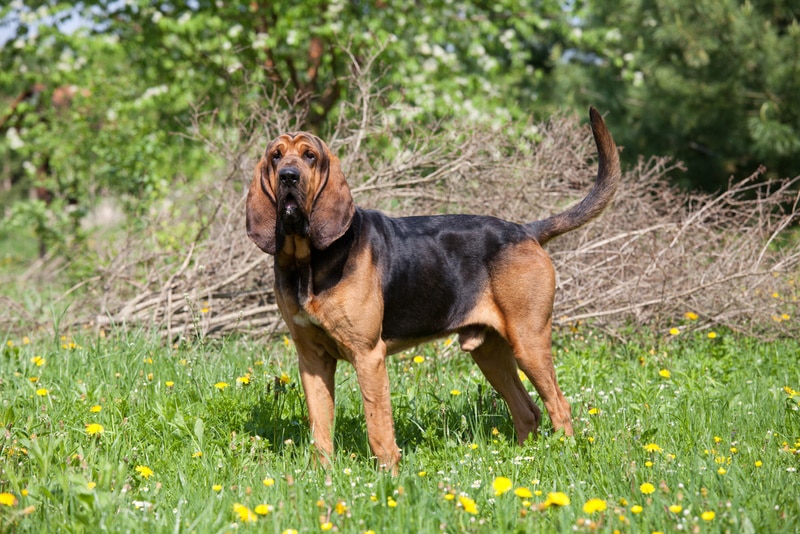
Famous for their hangdog expression, droopy ears, and floppy jowls, selective breeding has resulted in several common health issues that any prospective Bloodhound owner should be aware of.

The 5 Bloodhound Health Issues
1. Eye Problems
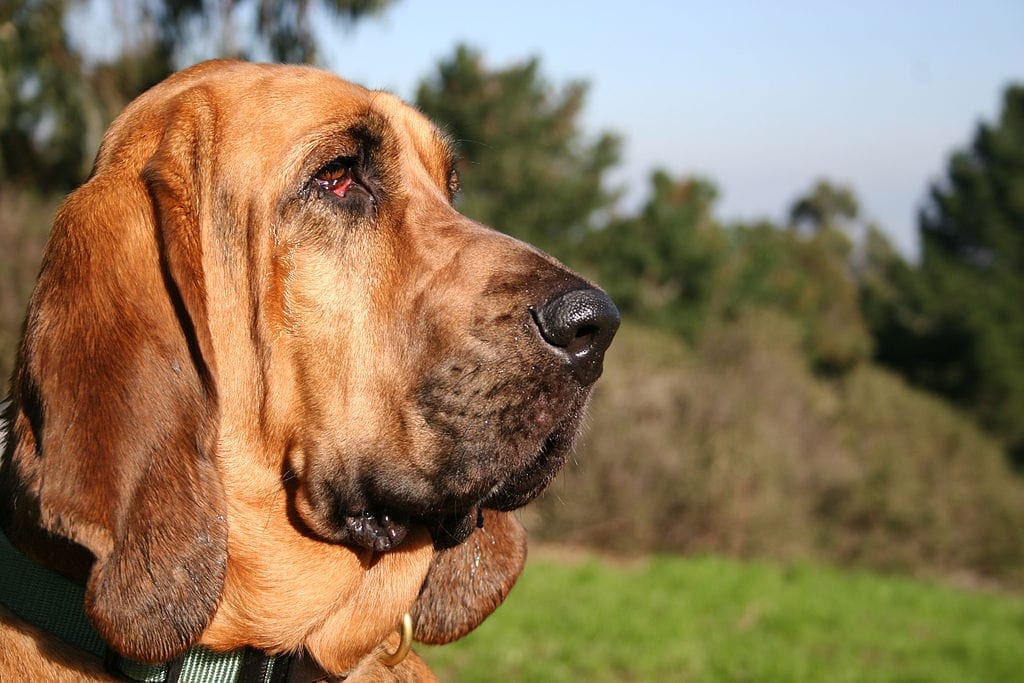
Due to the thick and heavy skin folds that surround the face, Bloodhounds can often suffer from entropion and ectropion. This is where the eyelids roll inwards (entropion) or outwards (ectropion), leading to irritation of the eyes. In some cases, this causes chronic ulceration and scarring of the corneas and can lead to temporary or permanent blindness. This condition requires surgical correction of the folds around the eyes, and sometimes resection of some of the skin of the forehead to relieve the pressure placed over the eyes.
2. GDV (Gastric Dilatation and Volvulus)
If you have a large or deep-chested dog, this is one term you might be familiar with, and shudder when hearing. You may also know it as bloat or twisted gut. GDV occurs when the stomach becomes bloated and rotates on itself, effectively cutting off its own blood supply and trapping gas and fluid inside the stomach. It can occur spontaneously but often occurs when dogs exercise too soon after eating. It can also be associated with tumors in the spleen. It's seen almost exclusively in large, deep-chested dogs, as their anatomy makes this type of rotation possible.
GDV presents with a bloated, firm abdomen, vomiting or non-productive attempts to vomit, weakness, and sometimes collapse. It is a life-threatening condition, and some dogs die acutely with very little warning. Treatment involves decompressing the stomach and opening the abdomen to reposition the stomach and anchor it in place (gastropexy) to reduce the risk of future GDV.
You should never exercise your dog or allow them to run less than 2 hours after a meal. Ideally, exercise your dog 2 hours before their meal to minimize risks even further. This applies to all dogs but is particularly important in large, deep-chested breeds like Bloodhounds, Great Danes, Boxers, Wolfhounds, and Greyhounds.
3. Skin Problems
Bloodhounds can suffer from skin problems like hot spots, bacterial and fungal infections, and moist dermatitis. Severe cases may require surgical correction, similar to those used for entropion repair, but this is a condition that can usually be managed with appropriate treatment, like drying skin folds thoroughly after bathing and swimming and using medicated skin wipes to prevent infection.
4. Ear Problems
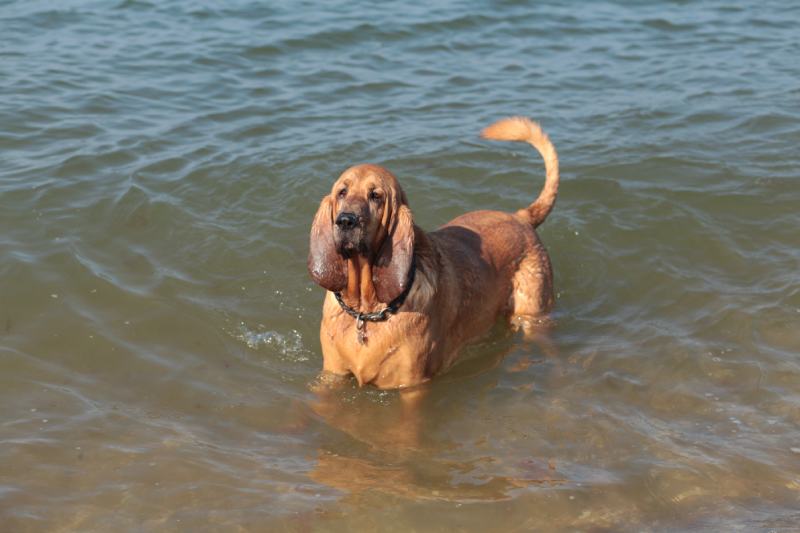
Their big droopy ears are prone to ear infections for the same reasons they suffer from skin problems—trapped heat and moisture. The heavy ears make it almost impossible for air to reach the ear canals, so they often suffer from itchy, irritated, or infected ears.
Inflammation and discharge are signs that you need to see your vet, as ear infections in this breed can escalate quickly. Having a skin and ear cleaning ritual in place is a great way to stay on top of these common issues.
5. Hip and Elbow Dysplasia
A common joint problem of many larger purebred dogs, hip and elbow dysplasia refers to the condition where the shapes of the bones forming the joint don’t fit together properly, leading to problematic movement and friction. This can be mild, causing arthritis to develop over time, or severe, resulting in significant lameness from an early age that may require surgical correction.
Reputable breeders should have their dogs registered with the relevant health screening organizations (e.g., the OFA in the US, or BVA in the UK) and be able to provide hip and elbow scores for both parents of a litter. By only breeding dogs with good hip and elbow conformation, the overall health of the breed may be improved.
In breeds prone to joint problems, like the Bloodhound, feeding high-quality food specifically designed for large breeds can make a huge difference in their bone and joint health. This is particularly important when choosing a puppy food. Using joint supplements from a young age is another great way to maximize joint health and reduce the development of osteoarthritis and degenerative joint disease.

Conclusion
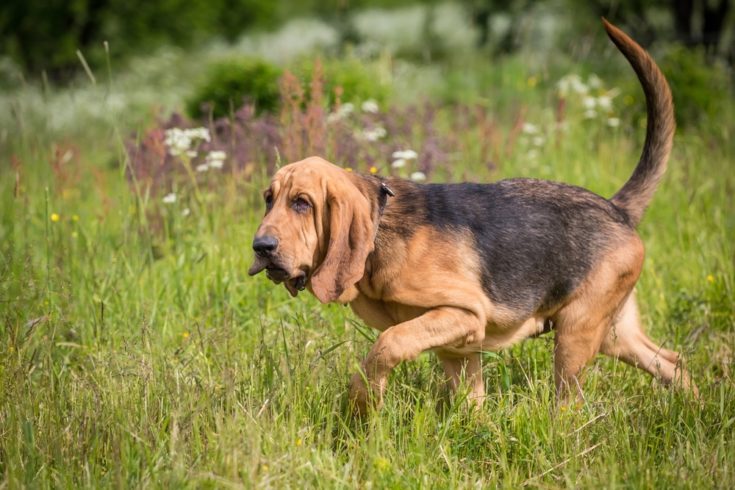
The lovable looks and gentle nature of the Bloodhound have put them in the top 50 most popular breeds in the US. Unfortunately, those droopy ears and wrinkled faces can be a source of real problems for these gentle giants, with many of their health issues associated with their skin folds and ears. On a positive note, by implementing a good maintenance regime from a young age, many of these issues can be managed or kept at bay.
While hip and elbow dysplasia cannot be prevented in an individual dog, responsible breeding can minimize the chances of your dog inheriting unhealthy joints. Feeding a high-quality dog food for large breeds can maximize healthy bone and joint development, and using joint supplements from a young age can help reduce the onset of osteoarthritis and degenerative joint disease.
GDV is a scary and dangerous condition, but by ensuring your Bloodhound does not exercise close to mealtimes, their risk can be greatly reduced.
Overall, the Bloodhound is a relatively healthy breed, and provided you are committed to a healthy skin and ear cleaning routine, you can enjoy spending years together!
Sources
Featured Image Credit: Degtyaryov Andrey, Shutterstock
Get Hepper In Your Inbox


Pet care tips from our vets and experts, straight to your inbox.
You may opt-out at any time. View our Privacy Policy for more information.
Karyn has lived in the UK for the past 10 years after moving from Queensland, Australia. In 2010, she graduated from The University of Queensland School of Veterinary Science, and also holds a Bachelor’s degree in Zoology. Karyn is passionate about using evidence, experience, and owner collaboration to provide the best solutions for pets, and believes in making reliable information about animal health accessible to all. She shares her home with 5 cats, 4 dogs, and 1 husband, and when she is not practising as a veterinary surgeon, she spends her time writing, gardening, and cleaning up pet hair!
Karyn comes from Queensland, Australia, but has lived in the UK for the past 10 years. She is passionate about using evidence, experience, and owner collaboration to provide the best solutions for pets, and believes in making reliable information about animal health accessible to all.
She shares her home with 5 cats, 4 dogs and 1 husband, and when she is not practising as a veterinary surgeon, she spends her time writing, gardening, and cleaning up pet hair!
Education
In 2010, Karyn graduated from The University of Queensland School of Veterinary Science and also holds a Bachelor’s degree in Zoology.
Experience
Dr. Kanowski has worked in small animal practice, both in Australia and the UK, and she will be very happy if she never has to see another post-Brexit Animal Export Certificate again! Karyn has special interests in acupuncture and canine behavior and loves challenging surgical cases.
Join the conversation
Ask a question, share your story, or send private feedback.