Hepper is reader-supported. When you buy via links on our site, we may earn an affiliate commission at no cost to you. Learn more.
7 Common Bernese Mountain Dog Health Problems (2026 Update)


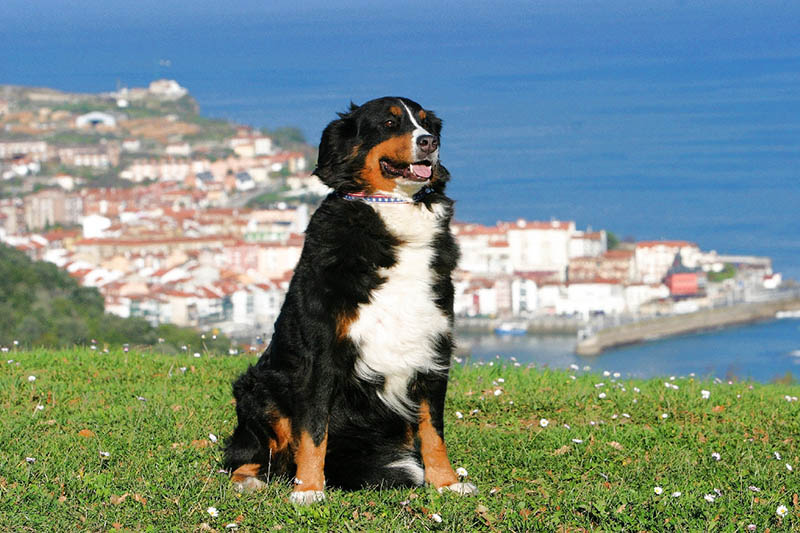
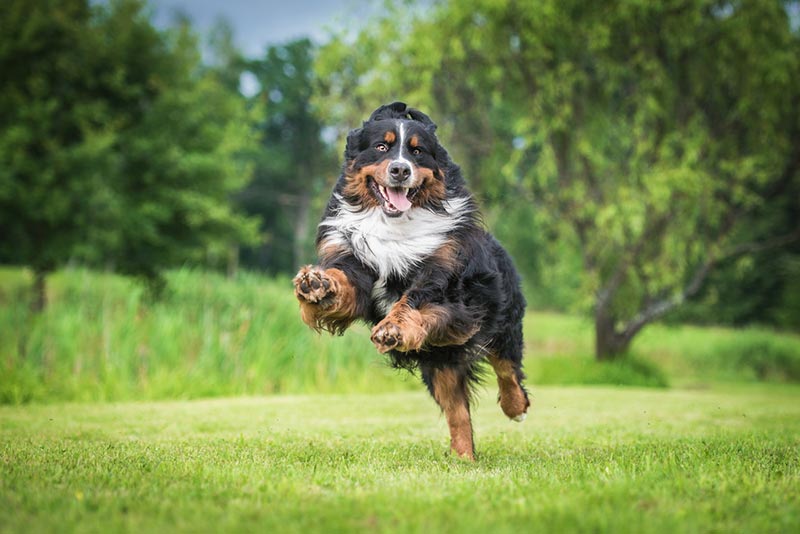
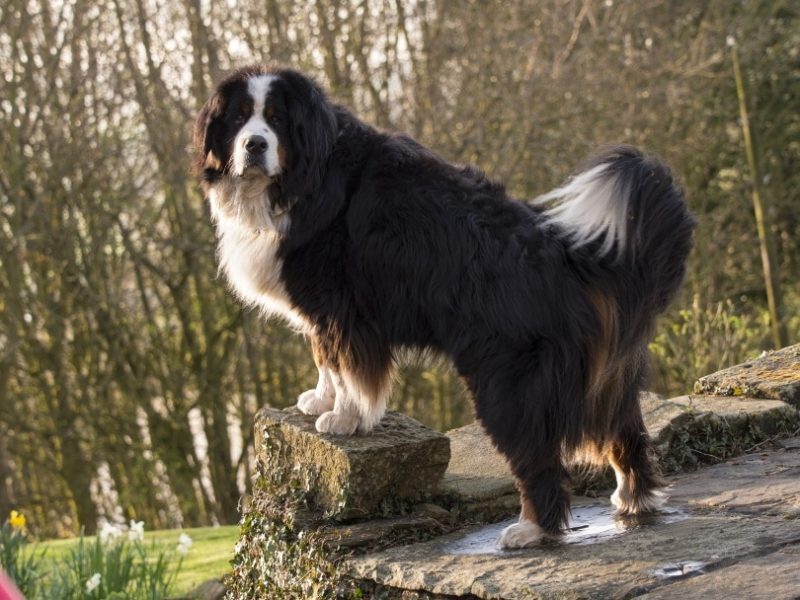
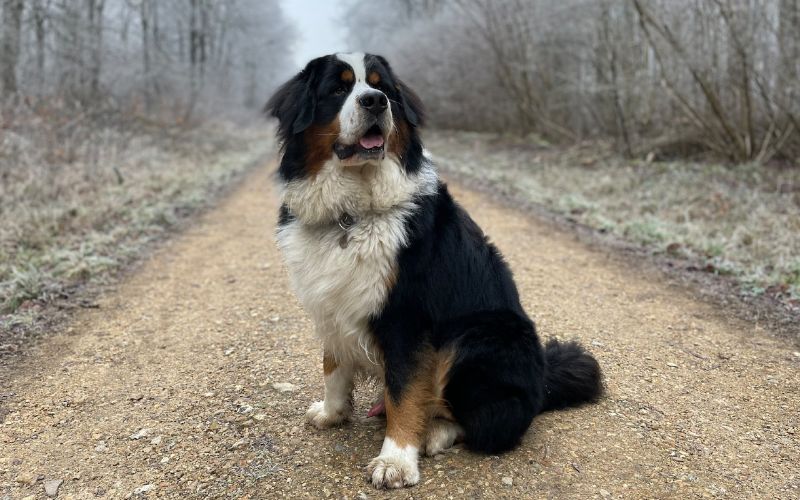
Affectionately known as Berners, these gentle giants are lovey-dovey, sweet-natured, and great with kids and other pets. Bernese Mountain Dogs are strong working dogs that stand at around 27 inches tall.
The average life expectancy of a Berner is around 7-10 years¹, with female dogs surviving a little longer than males. Although most Bernese Mountain Dogs are perfectly healthy, this large breed is susceptible to various health disorders.
In this article, we will list the seven most common Bernese Mountain Dog health problems and the signs and symptoms to watch out for as an owner.

The 7 Common Bernese Mountain Dog Health Problems That You Should Know
1. Cancer
Research has shown that the largest cause of death in Bernese Mountain Dogs is cancer.2 Some cancers are more prevalent in this breed than others, with histiocytic sarcoma or malignant histiocytosis being the predominant form.3
Cancers that some Bernese Mountain Dogs may develop include:
Other forms of cancer can affect Bernese Mountain Dogs, too, but the above are among the most common.
There is evidence4 that it may be possible to reduce the incidence of histiocytosis, and certainly, if you’re looking to adopt a Berner, be sure to look into whether there is a history of histiocytic disease in either parent.
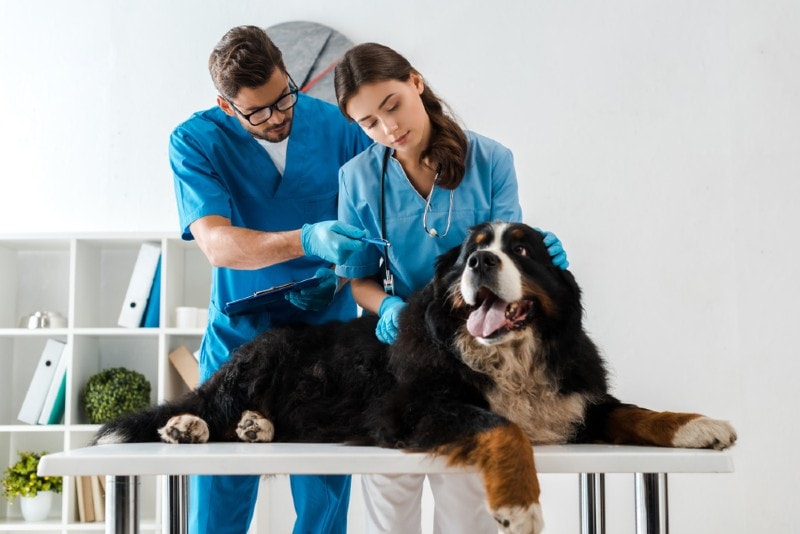
Regular blood tests and checkups are recommended for Bernese Mountain Dogs. If your Berner displays the following symptoms, you should book a visit with the vet as soon as possible:
- Loss of appetite
- Weight loss
- Lethargy or sluggish behavior
- Lesions or bumps on the skin
2. Canine Hip Dysplasia (CHD)
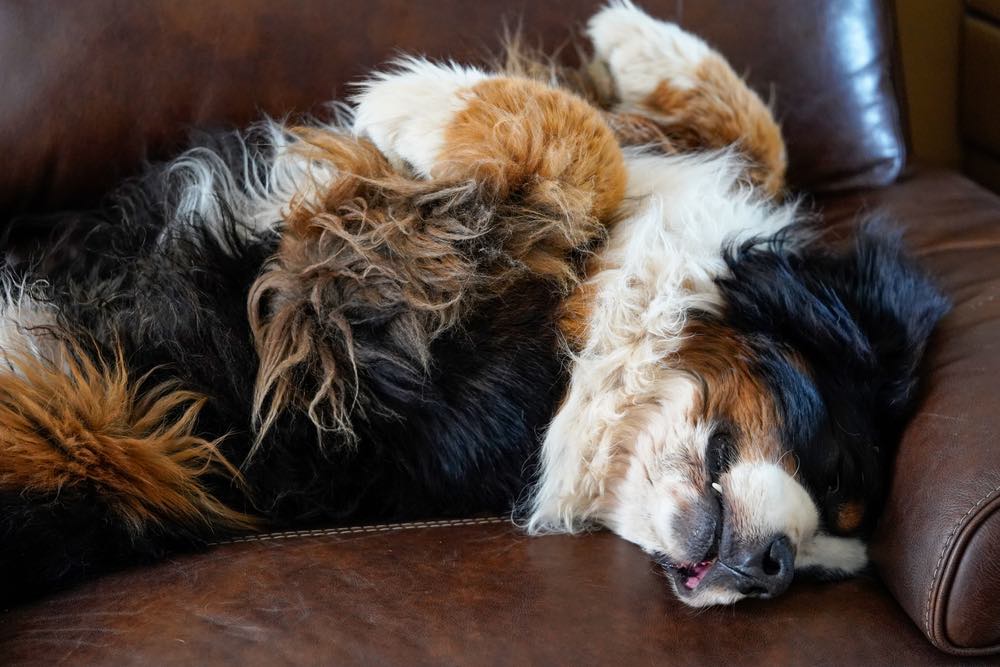
Hip dysplasia occurs more often in larger breeds, including Bernese Mountain Dogs. Hip dysplasia refers to a condition where the head of the femur bone joins with the hip socket incorrectly. The painful condition is hereditary, and responsible breeders should screen their breeding stock for canine hip dysplaysia (CHD), as well as other disorders.
A good, healthy diet can help support joint health and weight management in dogs with CHD; however, it cannot be cured or reversed. Your vet can recommend treatment and help you manage the CHD and support your pet.
Look out for the following symptoms:
3. Elbow Dysplasia
Similar to hip dysplasia, in elbow dysplasia, the elbow joint develops abnormally, leading to pain, limping, and lameness. It can also progress into arthritis. Some Berners with elbow dysplasia may need surgery; however, each dog’s treatment will vary depending on various factors, including the severity of the condition and the dog’s overall health.
Like hip dysplasia, elbow dysplasia is hereditary, but factors like diet, trauma, and exercise can affect the outcome.
4. Gastric Torsion (Bloat)
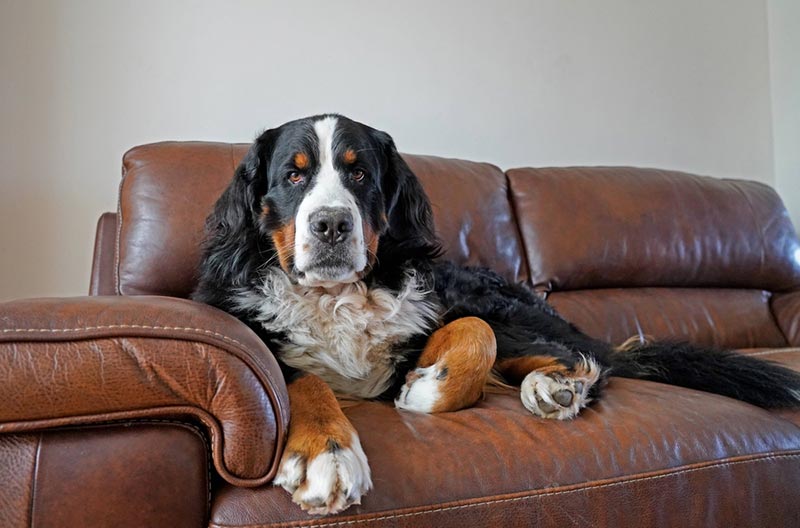
Gastric torsion is a very serious and life-threatening condition that can affect any breed; however, larger dogs, including Bernese Mountain Dogs, are more susceptible to the disease.
It can be caused when a dog consumes a large amount of food or drink quickly, often after exercising. This causes bloating and trapped air that can’t escape naturally. Other factors that can lead to gastric torsion include stress, such as changes to routine, and genetics.
Gastric dilatation-volvulus (GDV), commonly called bloat, is a medical emergency in which the stomach fills with gas and may twist on itself. If you think your dog could be suffering from a dilated stomach or gastric torsion, you should take it to the vet immediately.
The most common symptoms of gastric torsion are:
5. Renal Failure and Kidney Disease
Kidney diseases may contribute to shorter life expectancies for Bernese Mountain Dogs. Research shows that Berners may be more susceptible to renal disorders than other breeds.
It’s important to catch canine kidney disease in its early stages so that your vet can help you get the proper treatment for your Berner.
Here are the symptoms to watch out for:
6. Progressive Retinal Atrophy (PRA)
This is another genetic disease that some Berners can inherit. It's a progressive eye disease that eventually leads to blindness. The disease is not necessarily age-related.
In early-onset PRA, vets can detect abnormal cell development in Berners from as little as three months old. In late-onset PRA, the cells are generated normally, only to degenerate a few years later, causing eyesight problems.
If your dog’s pupils appear dilated, or if they seem disoriented or hesitant to explore new places, they may need to have their eyes checked.
7. Von Willebrand Disease
Von Willebrand disease is a genetic blood disorder that prevents proper clotting, leading to easy bruising and abnormal blood loss in some dogs. Bernese Mountain Dogs may be predisposed to vWD; however, with the proper care, most affected dogs can still reach their normal life expectancy.
Symptoms include frequent nosebleeds, bleeding from the gums, and prolonged bleeding after injuries or surgery.

Summary
Most Bernese Mountain Dogs will live a happy and healthy life; however, these gentle giants are susceptible to various genetic disorders. The most common health problems that Berners face include eye-related problems, such as progressive retinal atrophy, joint and bone issues, such as elbow and hip dysplasia, cancer, and gastric dilatation-volvulus (bloat).
Featured Image Credit By: LightField Studios, Shutterstock
Get Hepper In Your Inbox


Pet care tips from our vets and experts, straight to your inbox.
You may opt-out at any time. View our Privacy Policy for more information.
Cheryl is a freelance content and copywriter hailing from the United Kingdom. With expertise in gardening and photography, as well as a passion for hiking and amateur astronomy, Cheryl is constantly on the go but still makes time to savor the little things, like sipping coffee and cuddling with her cat on a cold morning as she types away.
Join the conversation
Ask a question, share your story, or send private feedback.