Hepper is reader-supported. When you buy via links on our site, we may earn an affiliate commission at no cost to you. Learn more.
Bomb Sniffing Dogs: Training & Effectiveness Explained
Dogs have a much more attuned sense of smell than humans, and the most underappreciated soldiers in the global war on terror may be bomb dogs. Bomb-sniffing dogs are everywhere, from shopping malls and airports to sporting venues and events. They often go unnoticed due to their discrete work and the fact that they are not expected to be seen in high-security situations and environments, but they are the unspoken heroes that deserve more recognition.
In this article, we’ll explain how a bomb-sniffing dog works, how they are trained, and how effectively they prevent explosions and terror attacks.

How Do Bomb Sniffing Dogs Work?
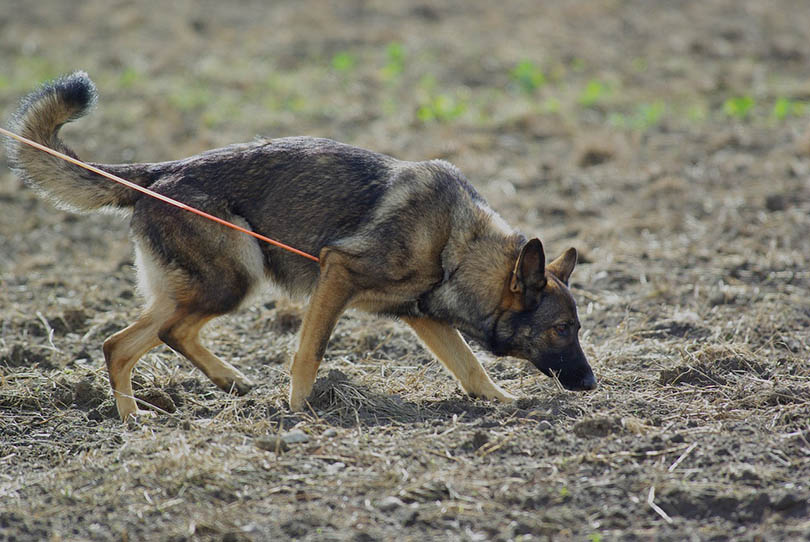
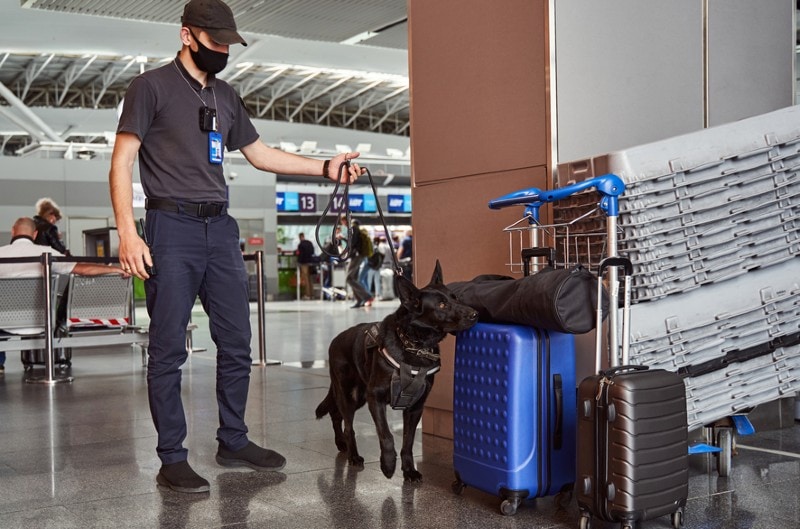
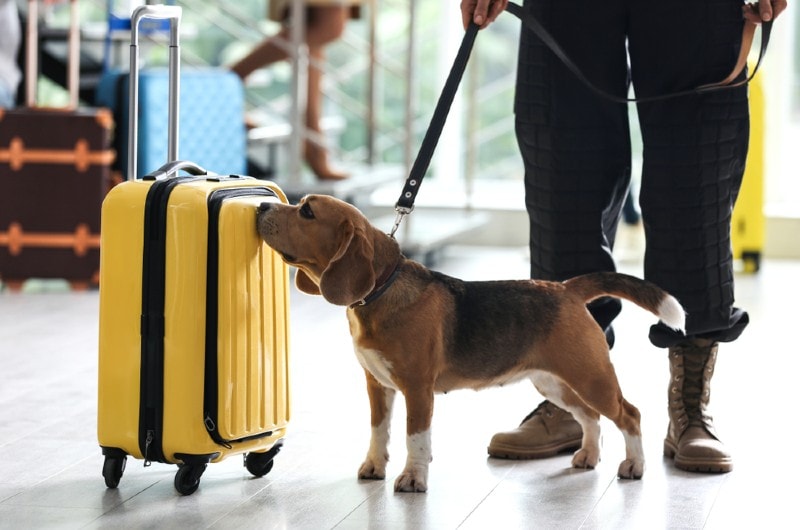
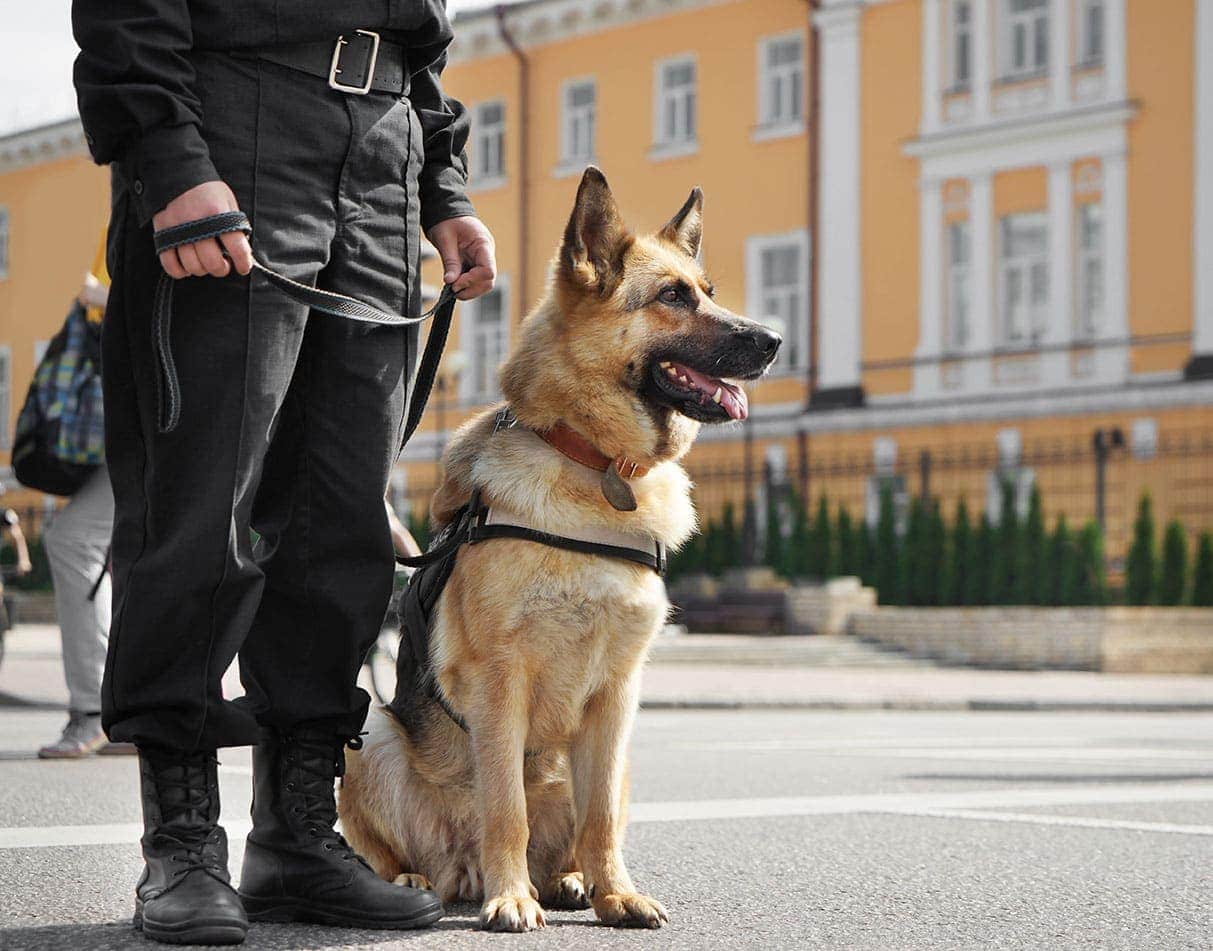
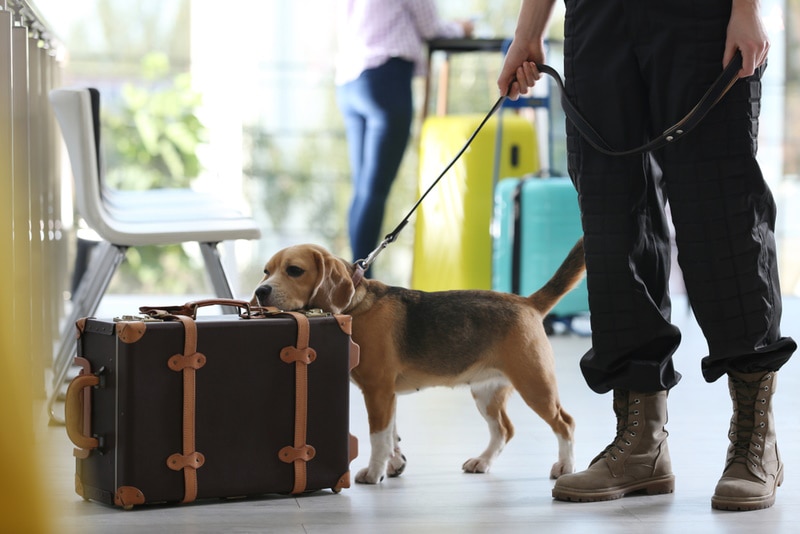
Dogs detect bombs like other scents. If you've ever observed a bomb dog in action at an airport, you might have noted that it operates in silence, with neither the dog nor the handler exchanging words or barks. Beyond their training, most communication happens through the leash. When it finds a scent, it will lead its handler to the source and sit, which indicates it has found what it was trained for.
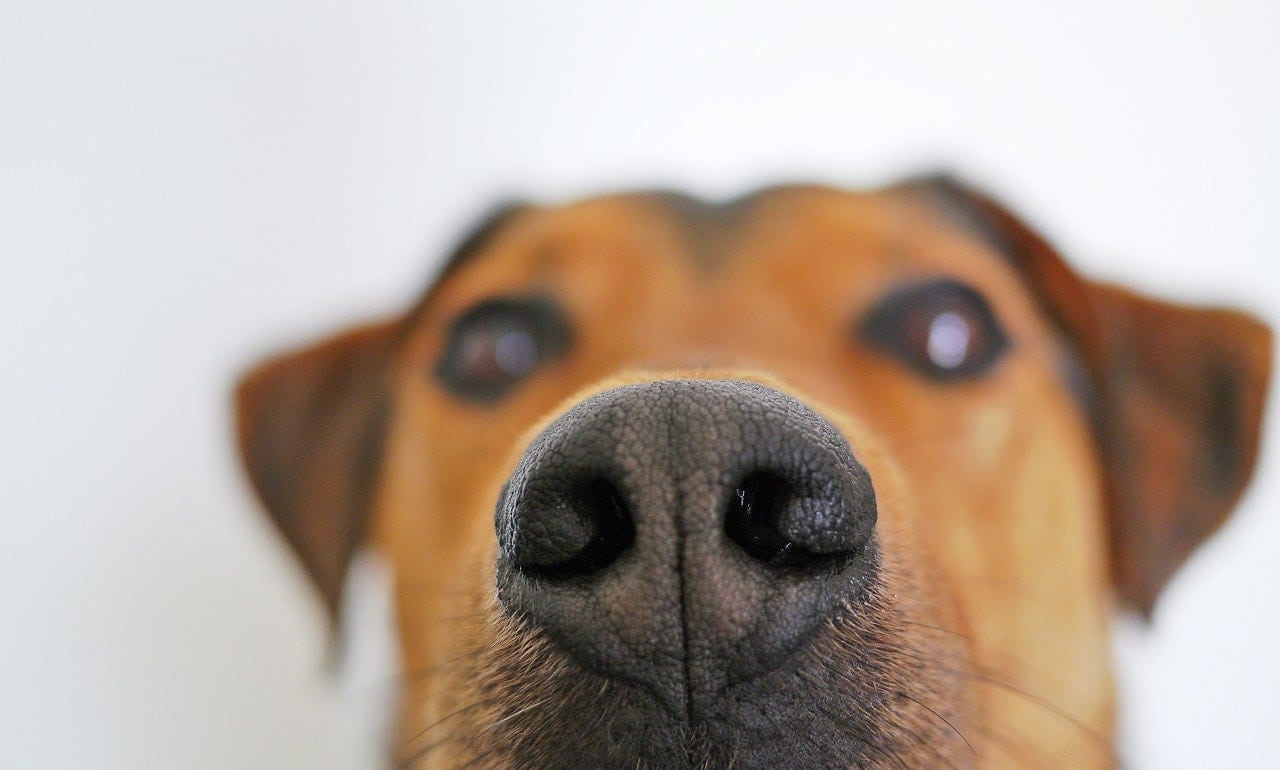
The dog doesn't detect the explosive. It breaks down an odor into its constituent parts, identifying only the harmful chemicals it has been taught to look for. The nasal system of a dog does not function the same as a human. One difference is that, unlike humans, breathing and smelling activities are not combined.
A dog's nose separates the air into two passageways: one for breathing and one for smelling. The air that a dog exhales leaves through a series of slits on the sides of its snout, which allows the exhaled air to not interfere with the dog's capacity to detect incoming scents. A Norwegian study discovered a hunting dog that could smell without an interrupted airstream for 40 seconds over 30 respiratory cycles1.
Bomb-sniffing dogs are trained to build their vocabulary of suspicious smells by working with cans of individual ingredients from an explosive. Constant repetition and reward cause the dog's brain to recognize these smells. When a bomb-sniffing dog detects any of these smells, it will sit at the source in silence because no one wants a dog to scratch and paw at something that can explode.
How Are They Trained?
Dogs often begin training between the ages of one and three because they are most playful and open to learning in this period, and it is a crucial time for them to learn how to work. Between 2 and 4 months are needed for dogs to master the fundamentals of bomb sniffing. To ensure their abilities remain current, they will be tested and retrained throughout their careers.
Each organization has its unique training methods and programs. For instance, Customs and Border Protection takes its 1–3-year-old puppies from shelters and families, purchases dogs from breeders, and breeds its own. The military also purchases from breeders, but it first X-rays and examines the dogs and will only accept dogs that enjoy searching and won’t flee at the sound of gunshots.
In some training facilities, the dogs are taught a routine they must follow in all imitation environments, including sniffing the area, finding the bomb, sitting, and receiving a toy for good behavior. It sounds simple unless you consider that the dogs are completely ignorant at the start of training. Trainers must coax out every action. This process will be repeated until the dog follows its routine like it is natural.
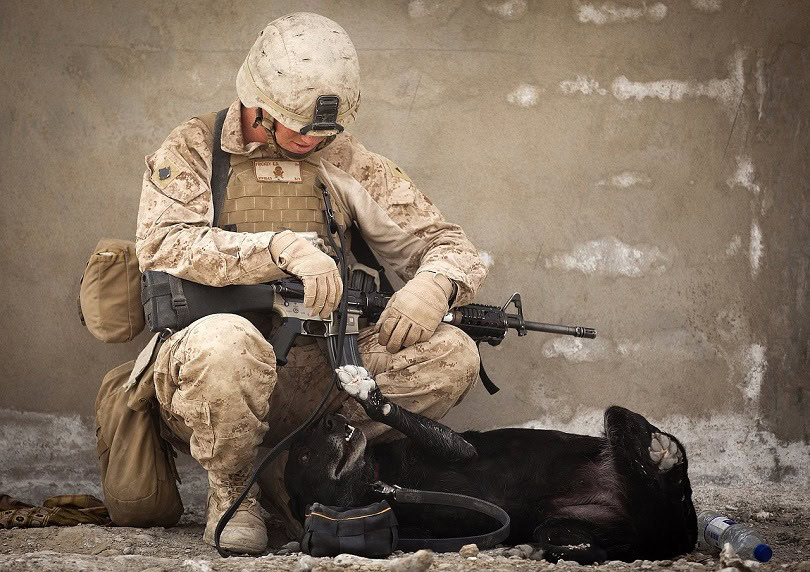
A properly trained military dog goes ahead of the troops while sniffing, and when it detects a bomb, the troops pause their advance. An explosive ordnance disposal squad detonates the explosives as the dog returns to the soldiers for a reward.
Which Dogs Are Used for Bomb Sniffing?
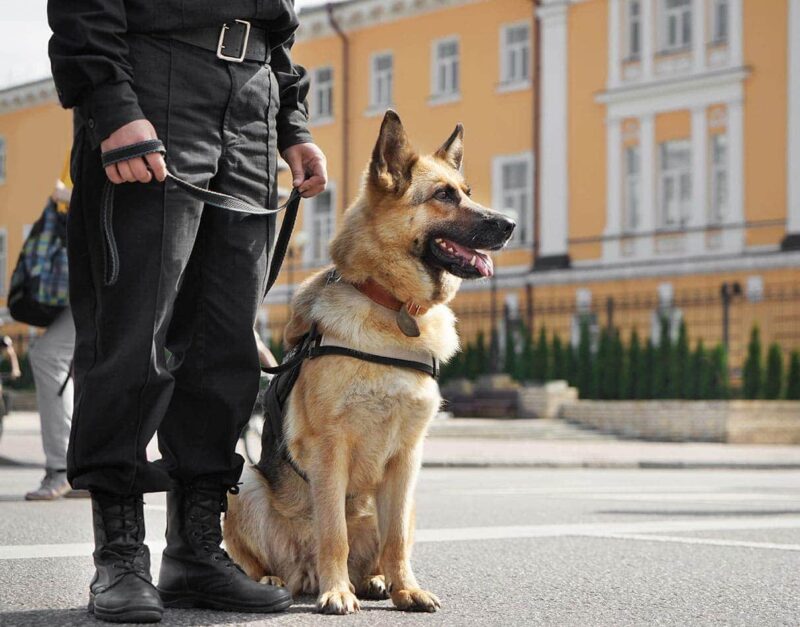
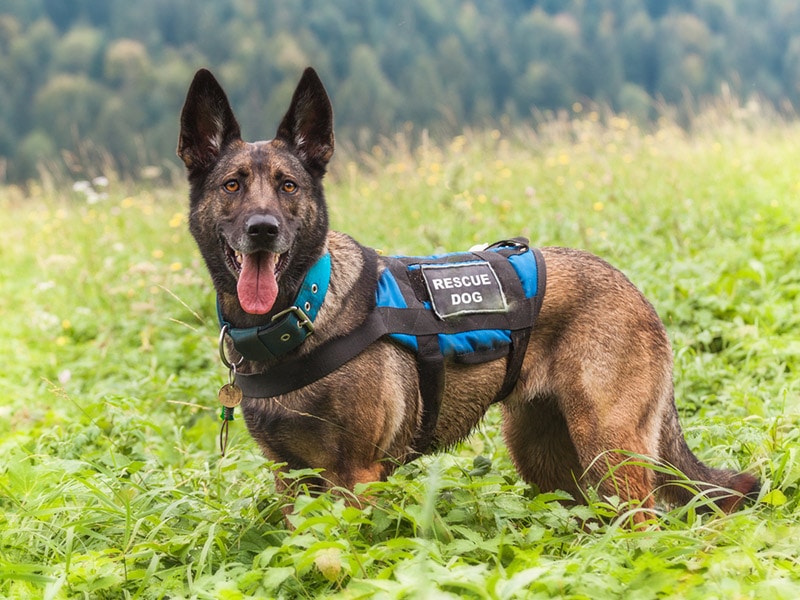
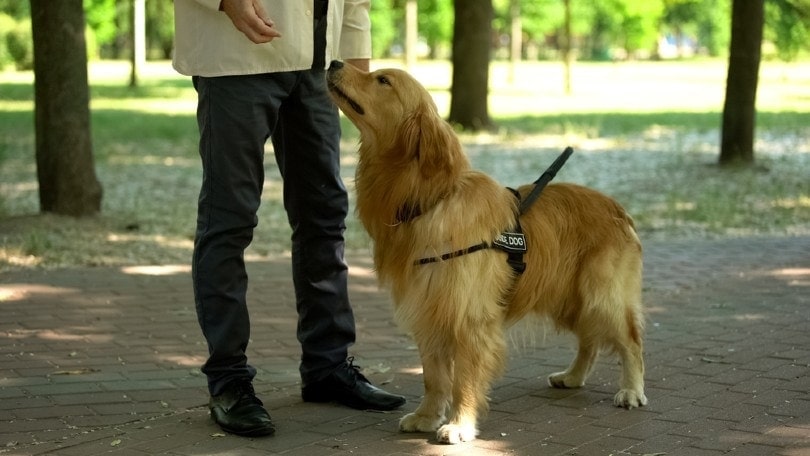
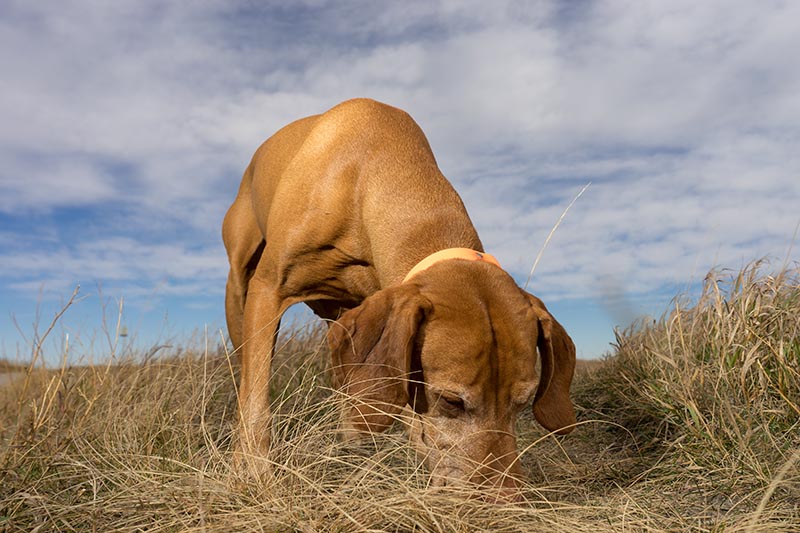
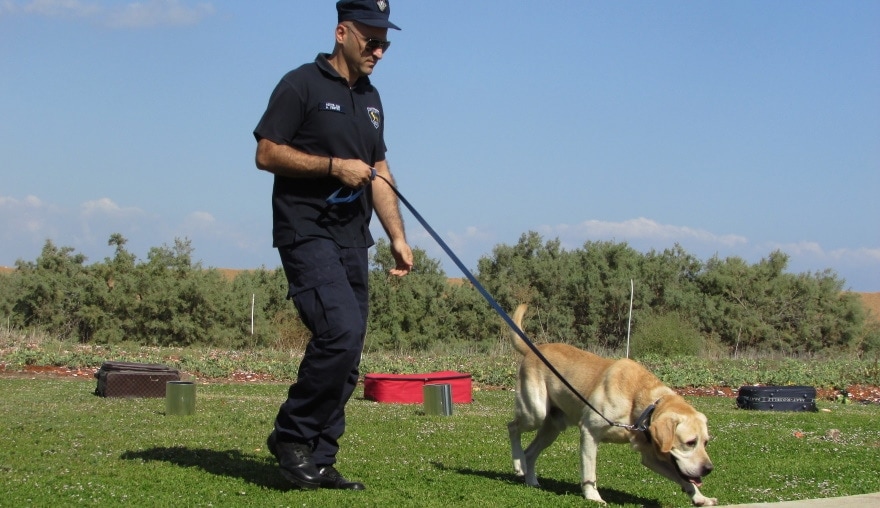
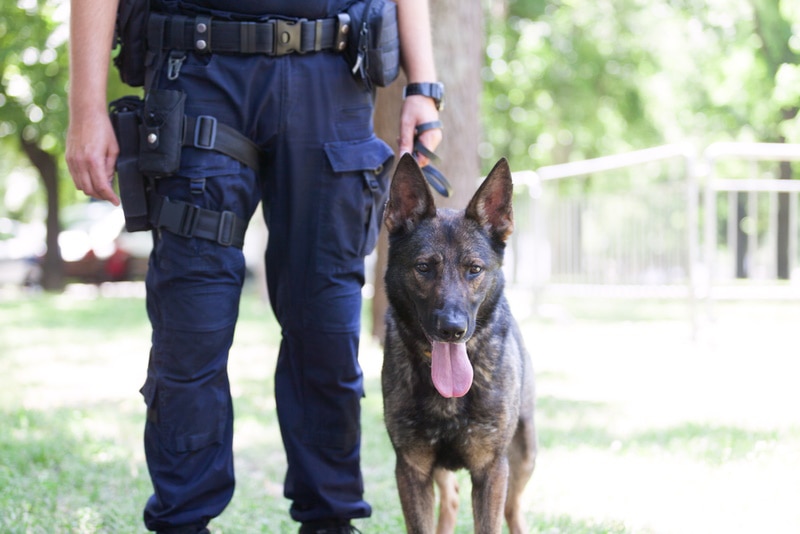
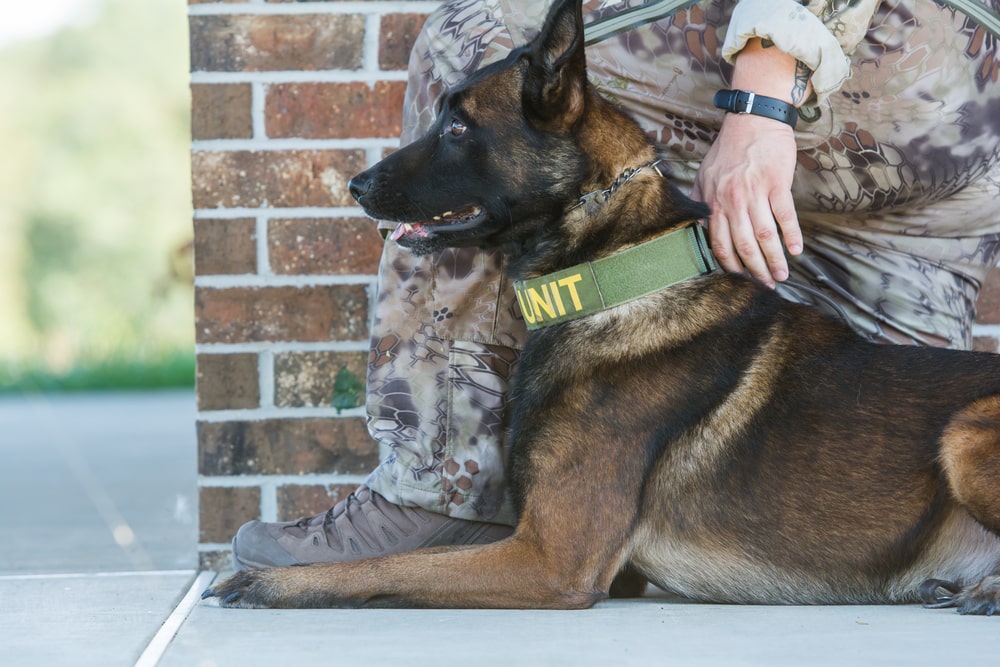
The most common breeds used by police departments historically have been Belgian Malinois and German Shepherds. However, other breeds have also gained popularity for bomb-sniffing work. They include Golden Retrievers, German Wirehaired Pointers, German Shorthaired Pointers, Vizslas, and Labrador Retrievers. These breeds are typically less scary to the public and have an extraordinary innate hunting instinct that makes them successful in sniffing out bombs. They are generally calm in crowds and around strangers, which is important because they regard their work as entertainment.
Where Are Bomb Sniffing Dogs Used?
Bomb-sniffing dogs are used to detect explosives in a place where bombs might be present. These include:
- War zones
- Sporting or concert venues
- Places where bombs can injure important people, such as a public appearance of the president
- Any place where a threat may have been called in
Local police use bomb-sniffing dogs. When there are bomb scares, they patrol during public events like the Olympics and will monitor companies and schools that may be under threat.
In battle, militaries often use bomb-detecting dogs, and they will work for every branch of the American military. The dogs ensure that a region is secure for troops to travel. Bomb-sniffing dogs are also often used by U.S. Customs and Border Protection (CBP). They look for shipments of explosives and weapons headed into the United States.
Animals employed by CBP inspect cargo warehouses in ports and people and their luggage arriving from cruise ships. They can also be found at border crossings, where they will sniff out cars.
In a U.S. airport, if you ever experienced a dog sniffing your luggage, it was probably a Transportation Security Administration (TSA) dog. TSA dogs are often used at airports and security checkpoints, and bomb dogs scan the plane, its passengers, and its cargo hatch if someone reports a suspicious package or event on board.
Advantages of Bomb Sniffing Dogs
The main benefit of employing sniffer dogs over alternative techniques to search for explosives is that it has proven highly successful. A well-trained dog and handler duo is unlike any mechanical device in accuracy, speed, sensitivity, mobility, flexibility, and durability. Bomb-sniffing dogs and their handlers conduct searches in vulnerable areas to prevent a disaster.
They offer a quick and specialized reaction to bombing threats, unsecured shipments, and other potentially dangerous items. The majority of the time, these detection procedures enable bomb-sniffing dogs and their teams to identify or quickly rule out the presence of a potentially fatal bomb explosion and allow an event or government operation to operate safely.
Disadvantages of Bomb Sniffing Dogs
The use of dogs for bomb-sniffing has a few disadvantages. First, it can be costly to maintain, especially in common instances with one dog and a handler. A bomb-sniffing dog is only successful with a handler. Security searches are typically boring, repetitive procedures that make it difficult for people to stay focused. The dog’s performance will also decrease if it believes its human teammate is uninterested.
Furthermore, it is incorrect to imply that the explosive is only found by the dog. The handler must be able to spot the dog's occasionally slight behavioral changes that indicate interest in a weak scent. This reliance on the handler's judgment creates yet another room for error.
Dogs can only pay attention for so long. They cannot be worked as hard as a piece of machinery since they are living beings. A dog may only be able to work for around 20 minutes before needing a break, and there may be factors that will hinder its ability to work effectively, such as the temperature and humidity, bright lights, loud noises, exhaustion, and distractive scents. They must engage fully in the search, or their sharpness and focus will rapidly decline.
Frequently Asked Questions (FAQs)
How Long Does It Take to Train a Bomb-Sniffing Dog?
Training programs can differ, and each dog is unique, so the time it takes to be a fully trained bomb-sniffing dog may vary. A dog typically needs 6 to 8 months to reach a high level of performance.
Can Any Dog Be Used for Bomb Sniffing?
The most common breeds used in bomb detection operations are sporting breeds. German Shepherds, Belgian Malinois, Labrador Retrievers, German Shorthaired Pointers, German Wirehaired Pointers, Vizslas, and Golden Retrievers are breeds that are particularly skilled at bomb sniffing.
Is It True That There is A Shortage of Bomb Sniffing Dogs in the USA?
After the events of 9/11, the demand for bomb-sniffing dogs grew. Today, bomb-sniffing dogs are not limited to the military and the government, as private companies now require them to guard places such as schools, shopping malls, and sporting venues. Most U.S. government agencies import working dogs from Europe to meet their needs.
However, there are currently not enough foreign dogs to defend the United States because of the rising dangers of terrorism and the subsequent need for working dogs in Europe and elsewhere.
There are currently 15,000 working dogs in the United States, including those used in government, military, law enforcement, and private establishments. Each year, about 20% of working dogs retire. Working dogs often start their careers at 2 months old and work for an average of 5 years before retiring.
Conclusion
Dogs possess a keen sense of smell and are excellent at detecting various items and substances, including bombs. It takes intense training, consistency, and resources to train a dog to sniff out a bomb, as well as intense training for the handler. They are highly effective in bomb detection, so much so that there is currently a shortage of dogs trained well enough for agencies and companies to employ.
Sources
Featured Image Credit: Africa Studio, Shutterstock
Get Hepper In Your Inbox


Pet care tips from our vets and experts, straight to your inbox.
You may opt-out at any time. View our Privacy Policy for more information.

Nicole is a lover of animals of all sizes but is especially fascinated with the feline variety. She’s the proud mom of Baby, a Burmese, and works every day so he can relax in the sunshine or by the fire. She’s always had a cat in her home and has spent countless days with others, observing behaviors and softening up even the grouchiest of the lot. Nicole wants to share her kitty expertise with you so you and your cat can live happy, healthy, and care-free.
Join the conversation
Ask a question, share your story, or send private feedback.