Hepper is reader-supported. When you buy via links on our site, we may earn an affiliate commission at no cost to you. Learn more.
How Are Drug Detection Dogs Trained? Canine Facts & FAQs
In this article
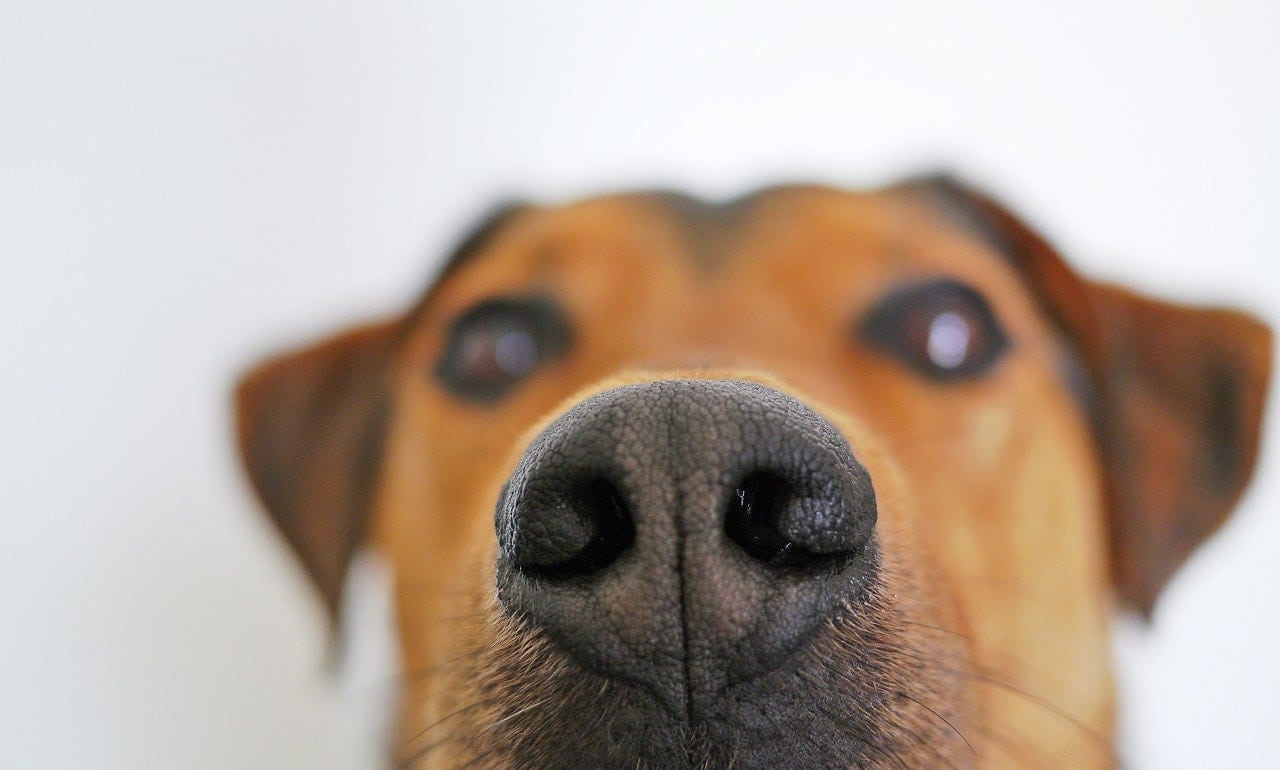
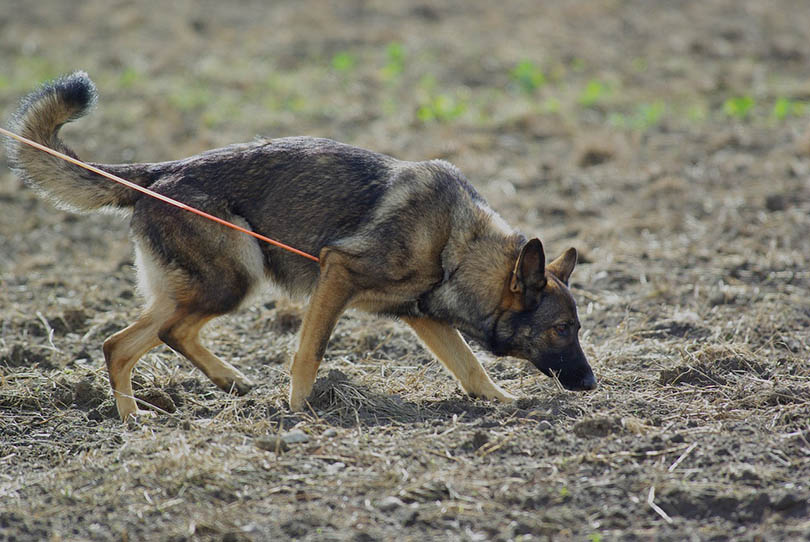
Drug smuggling is a serious business, and police and security groups all over the world diligently work to reduce illegal drug activity. These people have all sorts of tools at their disposal, but one of the most famous is a drug sniffing dog. These hardworking canines have noses that are thousands of times more sensitive than ours. They can block out all the hundreds of smells around them every day to focus on one faint whiff of an illegal drug. It’s a pretty remarkable job, especially because these dogs often make it seem so easy!
If you’ve just passed by a drug detection dog at your school or airport, you might wonder how they are trained. After all, the smell of drugs isn’t something that would normally interest a canine. There are some pretty big myths out there about these dogs—like that they are “addicted” to the smell of drugs.
But the truth is that drug detection dogs use simple training methods based on the same principles that most owners use to teach their dogs to sit, stay, or shake hands. They are trained using positive reinforcement techniques to associate specific scents with rewards, leading them to alert handlers when they detect the target odor. There are two main ways to train a drug detection dog—toy training and shape signal training.

Training With Toy Training Methods
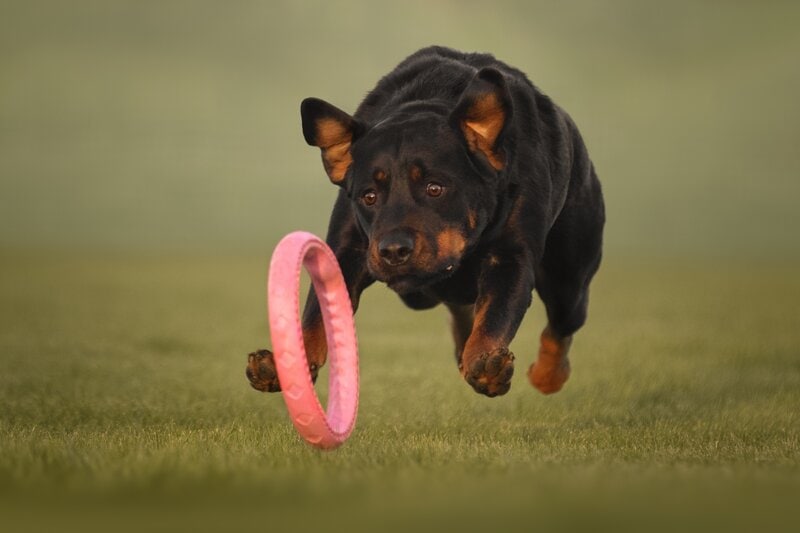
One of the easiest and most common ways to train a detection dog is through toy training. In this training method, dogs are taught to associate the scent of various drugs with playing with a toy. This usually starts by training a dog to play tug of war with a clean, unscented towel or a similar toy. After the dog is used to playing with their toy, a scent is introduced to the toy. The trainer might roll a small packet of cocaine into the towel and use that for the next several sessions.
Once the dog associates the target scent with the toy, they’ll be trained to find and retrieve the toy by scent. They’ll learn to paw and scratch for the hidden toy whenever they smell that drug, expecting the reward of an exciting game. Over time, other drugs will be used so that the dog recognizes each one separately. Once training is over, the drug dog will attempt to get to any of the drugs he’s been trained on because he associates those scents with his favorite toy.
Training With The Shape Signal Method
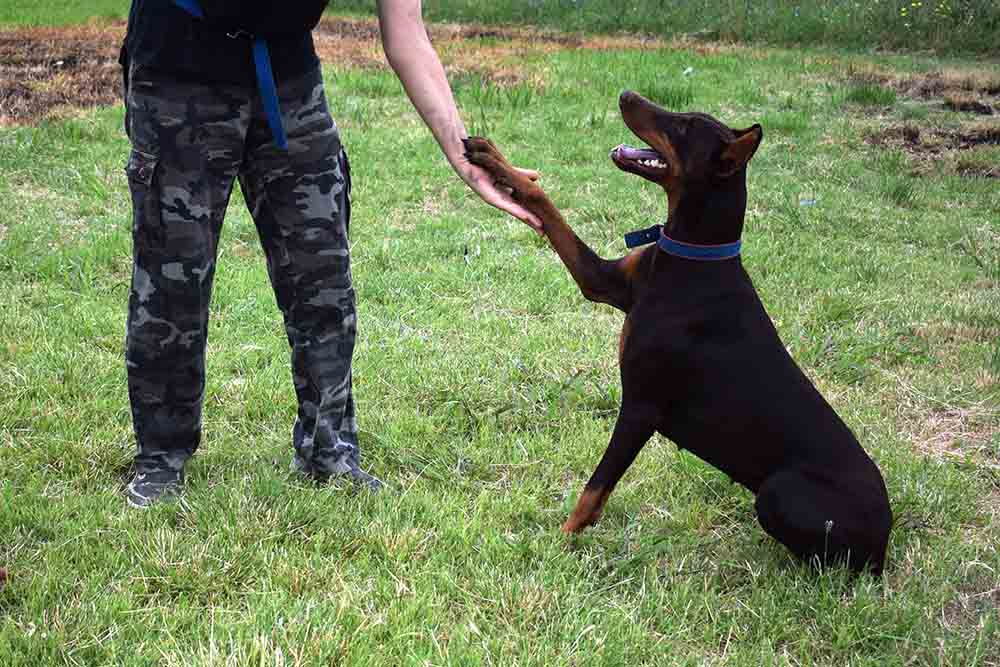
Another common method is to begin by training a dog to perform a specific command such as sitting down, grabbing a “signal object” or standing up. These commands are originally trained with a hand signal and clicker. A treat or reward is used to motivate the dog. Once the dog has learned the alert, they are introduced to a target scent whenever the signal is given. Over time, they are trained to be alert to specific target scents and the hand signal and clicker are phased out.
When the dog is regularly reacting to target scents, you can begin to train them to seek out scents. The scented object is hidden and they are given a reward for finding the source of the scent and alerting near it. This part of the training will start with simple finding jobs like going to a scent across the room and become harder over time.
Active and Passive Alert Dogs
The major difference between toy trained and shape signal trained dogs is whether they give active or passive alerts. Active alerts are generally more direct or aggressive, such as barking, digging, and attempting to find the scent. Passive alerts are trained reactions that may not even be remarkable to an untrained observer. Active alert and passive alert behaviors are both valued in different situations.

What Are Detection Dogs Trained to Detect?
Detection dogs can be trained to detect any scent, and there are several different types and specialties. Most dogs can be trained to react to a dozen or more specific scents, making it easy for them to find the exact substances they need while ignoring everything else. Drug detection dogs used for police work are often trained to recognize the most common illegal recreational drugs, such as cocaine, heroin, meth, and marijuana. There are also drug detection dogs trained to recognize legal but frequently misused drugs.
Drugs are not the only thing that detection dogs can be trained to find. Another common type of detection dog is an explosive detection dog. These dogs are trained to be alert to common chemicals used to make explosives. There are also human remains detection dogs. Human remains detection dogs alert to unique chemicals formed in the minutes and hours after a human dies. They are trained to ignore decomposition smells from other types of animals and smells of living humans. There are even “porn sniffing” dogs trained to alert to hidden flash drives and electronic devices. All of these types of dogs are generally trained to alert passively.
Where Are Detection Dogs Used?
Customs/Border Crossings
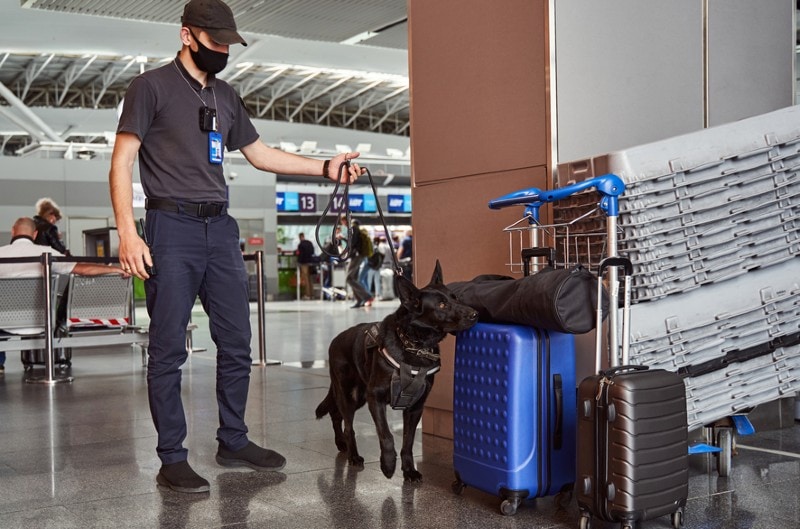
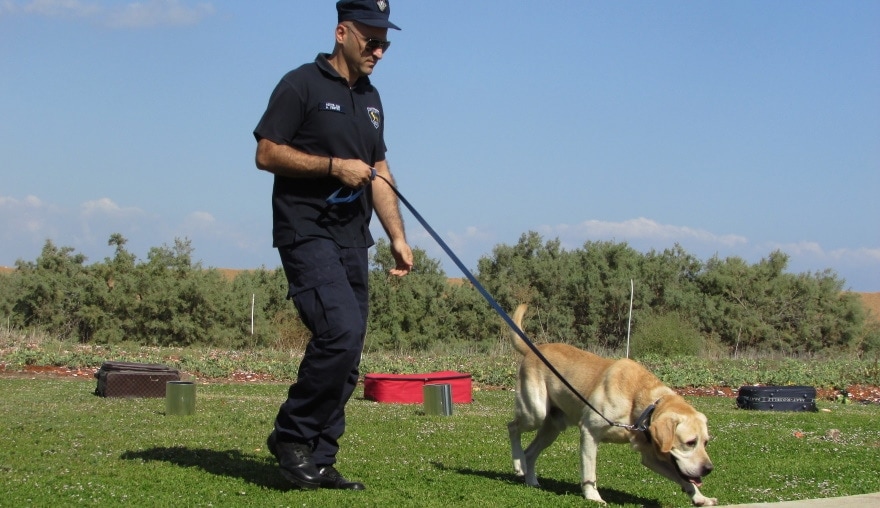
Dogs are often used to detect drugs illegally crossing the border at airports and land crossing areas. These dogs generally stay in one place and help inspect every person or piece of luggage that goes through security.
K9 Units
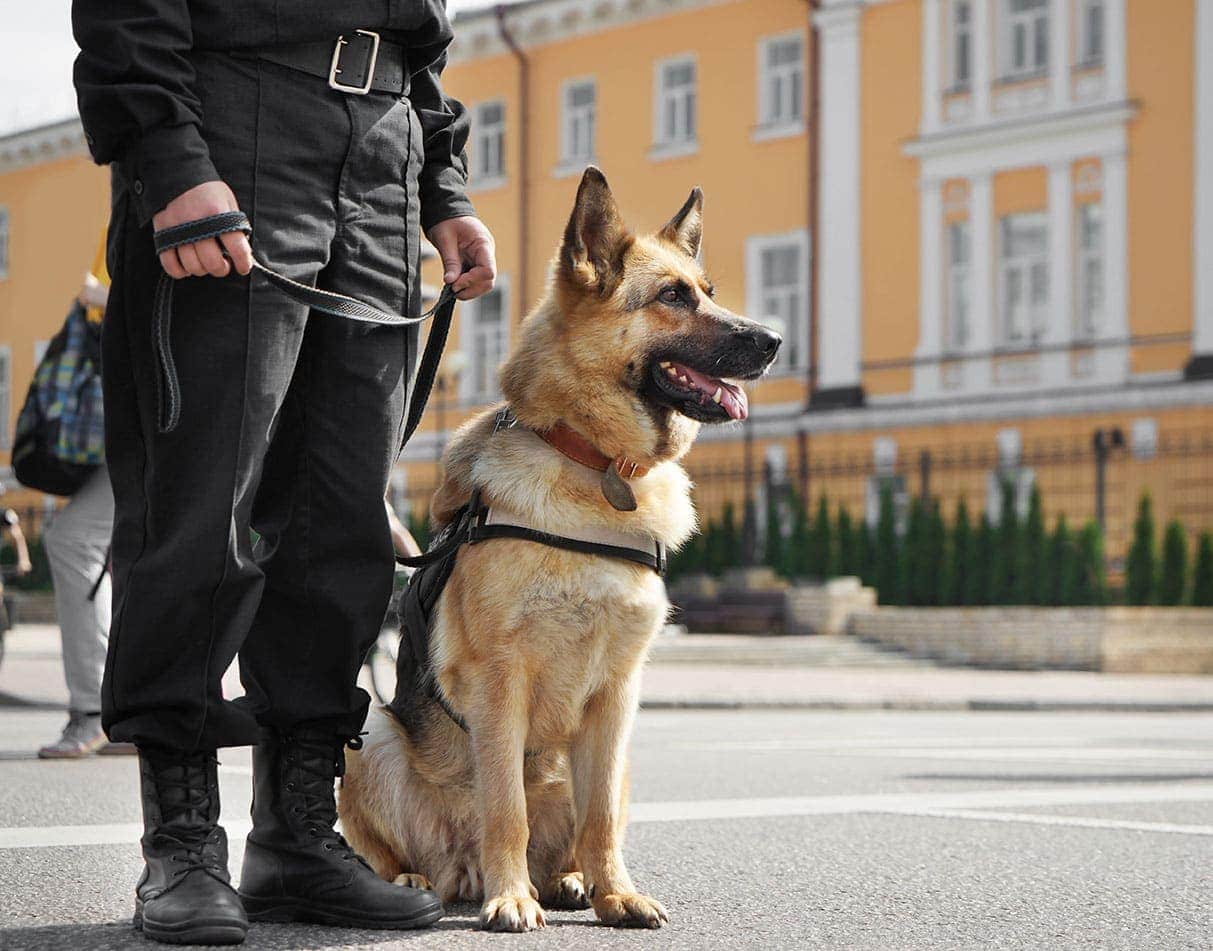
Drug detection dogs are common in police departments. They may be used for routine searches for drugs at schools or public places, or for help in clearing an area being searched under warrant. Some K9 detection dogs also receive extensive training so that they can stay calm and follow orders if a situation turns dangerous.
Private Security
Private security also has uses for detection dogs. These dogs can be used to ensure that no drugs enter a venue during an event. Some detection dogs are used only at the entrance to an event, while others might patrol the area on a leash.
Advantages of Drug Detection Dogs
Police and security groups use detection dogs for a reason—they are very good at their job. These dogs have sensitive noses that can detect very small amounts of a specific scent without being overwhelmed by everything else that is in the air. They are also easy to train to detect a wide variety of scents. Although each specific scent must be trained individually, a trained detection dog can find many different types of drugs if that’s what is desired.
Do not forget that these dogs can also be trained to detect other things, like explosives, as well. Detection dogs are also generally diligent and hardworking, and they can bring interest and respect to police departments.
Disadvantages of Drug Detection Dogs
Drug detection dogs are pretty cool, but there are a few drawbacks. Cost is a major problem. Drug detection dogs require extensive training that makes the process costly. They also need to have their needs met including food, shelter, enrichment, and vet care. Most detection dogs spend all their time with one handler, and it can be difficult to transition to a new one if necessary.
All of these factors can make some departments and security forces hesitant to invest in one.
There are also limitations to their smelling abilities. Dogs can’t be trained to distinguish between a large amount of drugs and a few grams. Most dogs give the same alert no matter what drug they smell, so handlers don’t know what they are smelling until they can find it.
They also can’t usually be “untrained” to a smell. This is a major problem in many states where marijuana is in the process of legalization. Dogs who are already trained to alert to marijuana have been forced into early retirement because they will continue to alert on legal marijuana.
Another problem that some detection dogs face is that they learn to react to their handler’s body language instead of just focusing on the scent. These dogs might give false alerts if they feel their handler expects them to find something. This behavior can be difficult to correct and it’s one reason why an alert isn’t automatically seen as proof that something’s wrong.

Frequently Asked Questions (FAQs)
Do Drug Detection Dogs Get High Off of Drugs?
It’s rare for detection dogs to have a reaction to the drugs they smell. Drug detection dogs are trained with very small amounts of drugs that won’t cause a reaction in them. In the field, they are looking for hidden caches of drugs. This means they won’t usually be smelling a large amount of loose material that they could inhale. However, there are exceptions and most handlers are trained and prepared in case their dog inhales too much.
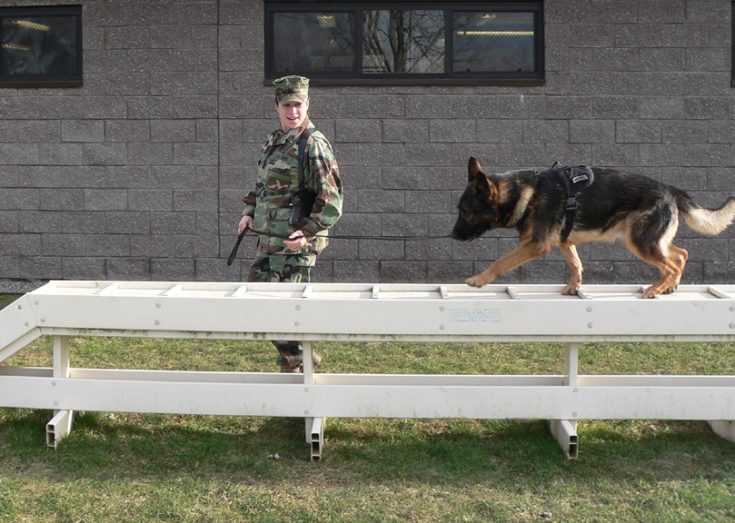
Is It Dangerous for Drug Detection Dogs?
The danger to detection dogs is generally pretty low, but some types of dogs are in more danger than others. Most dogs are only used in controlled situations such as a security line or an area cleared for searching. Some dogs do go into the “line of fire” though, patrolling and searching in areas where suspects are present and might turn dangerous.
A bigger risk is overdose. Although drug detection dogs generally smell only small amounts of drugs, some are dangerous in any amount and unexpected situations may arise. One of the most dangerous drugs to dogs is fentanyl—only a few grams can cause an overdose. If dogs are trained to detect drugs that might cause an overdose, their handlers are generally trained in overdose response. Some dogs wear special masks meant to prevent overdose, while many handlers carry Narcan that they can use to treat their dog just in case.
Where Do Detection Dogs Live?
IF you worry about a poor K9 dog stuck alone in the police station all right, you can relax easy. Most working dogs live with their handlers. This lets them build a good relationship with their handlers. It also means that someone is always responsible for meeting the dog’s needs and ensuring it is cared for.
What Kinds of Dogs Are Used for Detection?
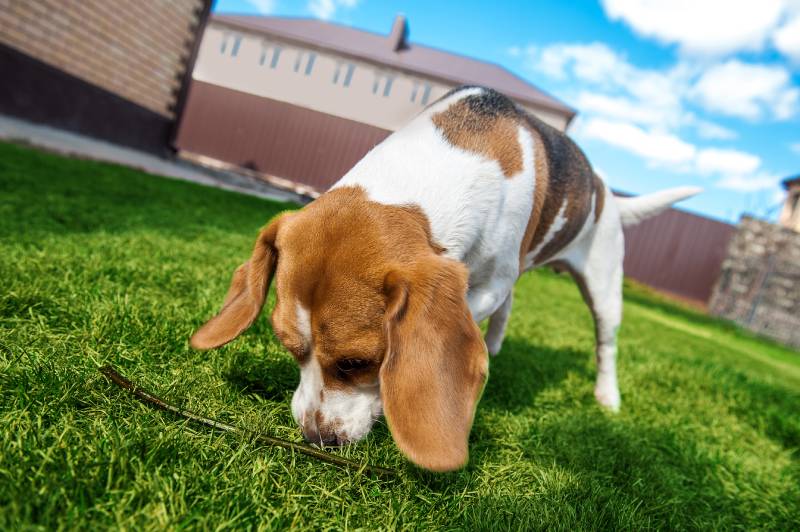
Some dog breeds are better suited for detection training than others. Some of the most common breeds include German Shepherds, Border Collies, Golden Retrievers, Beagles, and Labrador Retrievers.
Final Thoughts
Dogs are pretty amazing creatures. With their powerful noses and their ability to work hard all day, it's no wonder that there’s so much demand for good dogs. Their ability to obey commands and learn to complete complex tasks is pretty incredible too. Even though you cannot pet an on-duty dog to thank him for his service, we hope that the next time you see a detection dog at work you give him (and his handler) a smile.
See also:
Featured Image Credit: Vilve Roosioks, Pixabay
Get Hepper In Your Inbox


Pet care tips from our vets and experts, straight to your inbox.
You may opt-out at any time. View our Privacy Policy for more information.

Chelsea Flake Mortensen is a writer with a passion for pets. She grew up around everything from cats to chameleons and loves working with all kinds of animals. Chelsea has a BA in English and Creative Writing from Brigham Young University.
Chelsea loves reading, writing, sewing, and board games. She's lived in half a dozen US states and two countries. She is currently living in New England with her husband. Her articles have been featured in various magazines and literary journals for children and adults. Her writing has been translated into over 40 languages.
Join the conversation
Ask a question, share your story, or send private feedback.