Hepper is reader-supported. When you buy via links on our site, we may earn an affiliate commission at no cost to you. Learn more.
How Long Does It Take to Train a Police Dog? Working Dog Facts
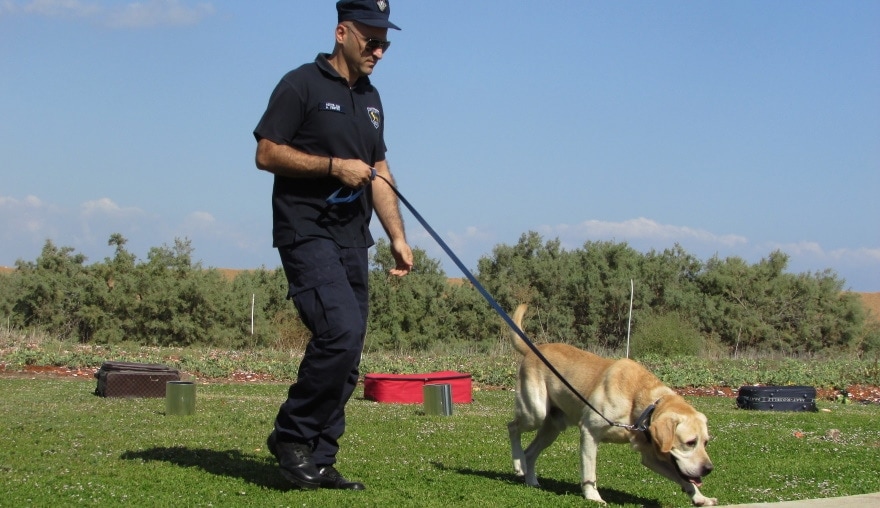
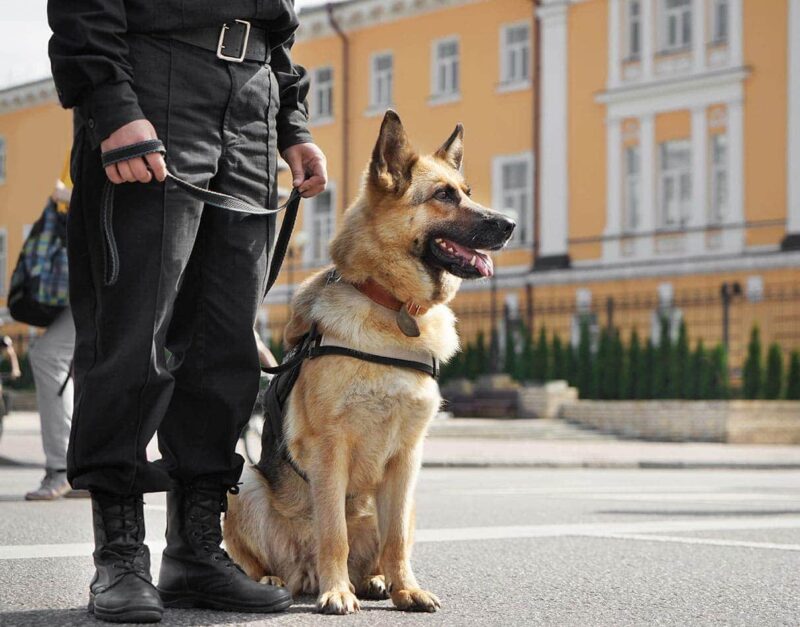
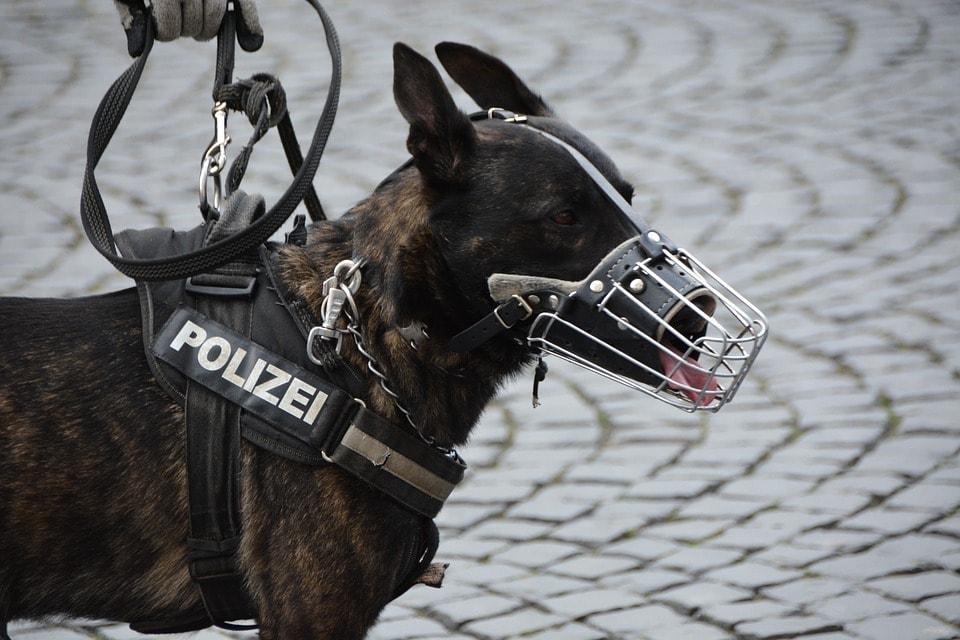
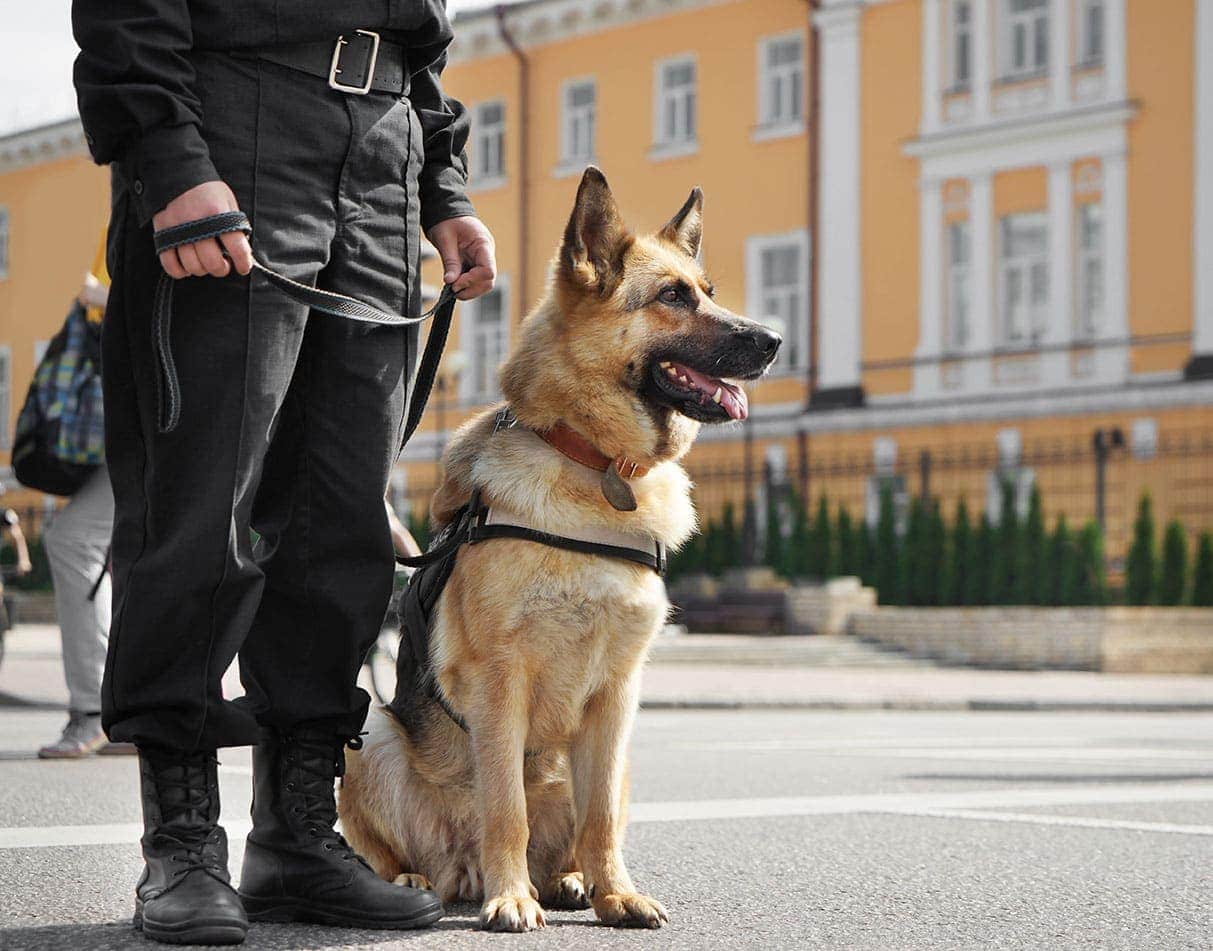
Police dogs are an important part of law enforcement. They play a crucial role in helping officers catch criminals and keep the public safe. But how long does it take to train a police dog? And what happens when they retire?
It takes between 12 and 14 months to train a police dog. This includes obedience training, agility training, tracking training, specialty skills training, and tactical training. After they complete their initial training, they will continue to receive on-the-job training throughout their careers. Police dogs usually start working when they are around two years old.

What Skills Do Police Dogs Need?
Police dogs need a very specific set of skills in order to perform their duties.
Stress Tolerance
Police dogs must learn how to deal with stress, whether it comes from being in the heat of a chase or hearing gunshots coming from the direction of an active shooter.
Adaptability
They must also learn how to adapt quickly when they are given new assignments. For example, a police dog that is trained to find drugs may suddenly be asked to find a missing child.
Athleticism
They must be athletic and fit, as they will often be called upon to run long distances, jump over obstacles, and more.
Intelligence
Intelligence is also important, as police dogs must be able to understand commands and follow them quickly.

How Police Dogs Are Trained
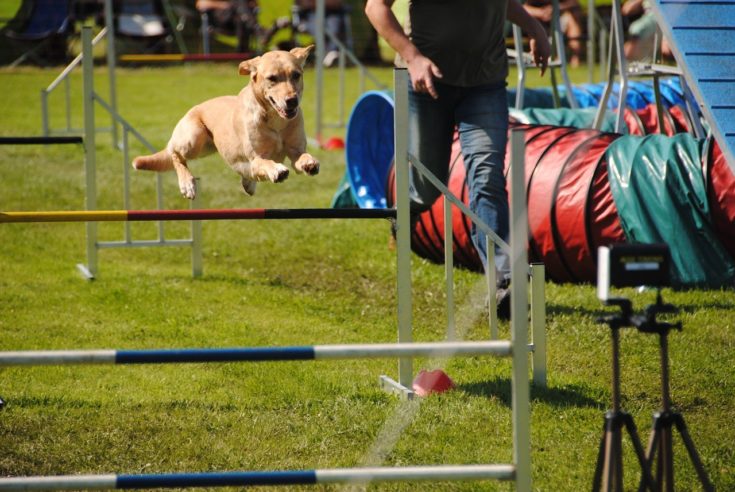
Police dogs undergo extensive training before they are ready to hit the streets with their officers. This training is a lengthy and intensive process. It includes the following types of training, as well as on-the-job training for their specific duties.
- Obedience Training
- Agility Training
- Bite Work
- Tracking Training
- Specialty Skills Training
- Tactical Training
Obedience Training
One of the most important parts of police dog training is obedience training. This type of training teaches dogs how to follow commands quickly and accurately.
Agility Training
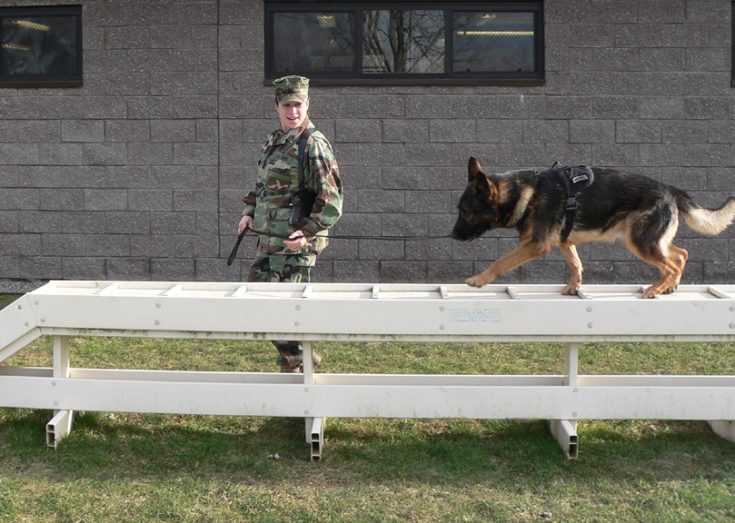
Another important part of police dog training is agility training. This type of training helps dogs learn how to navigate through different environments, including rough terrain, urban areas, and more.
Bite Work
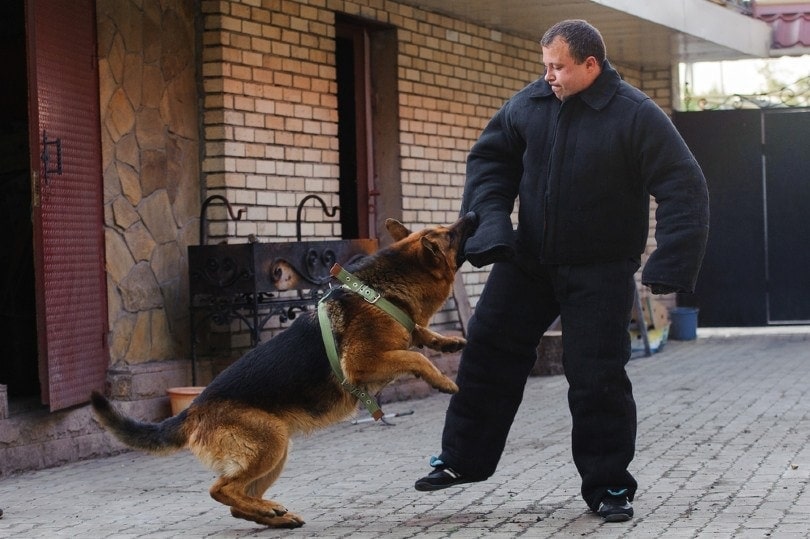
Many police dogs are also trained in bite work, which means they have been taught to safely apprehend suspects by biting and holding onto them until their handler can arrive.
Tracking Training
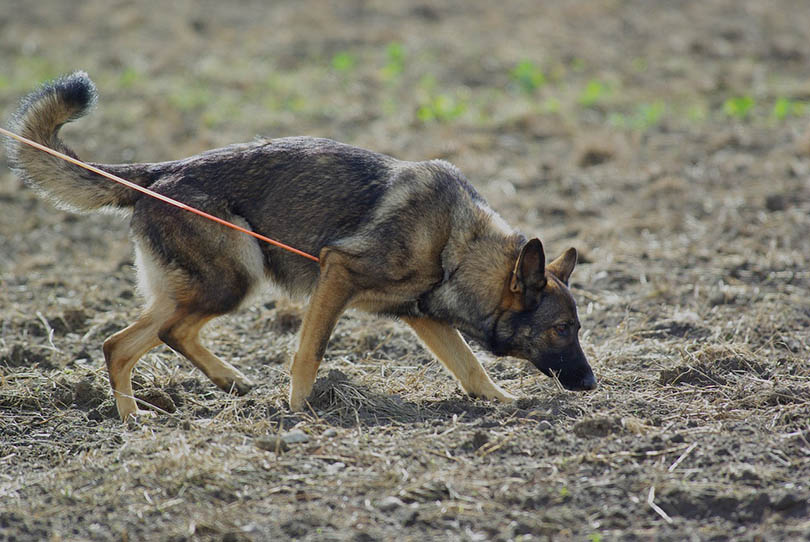
Tracking training is also essential for police dogs. This type of training helps them learn how to track people and animals by scent.
Specialty Skills Training
In addition to obedience, agility, and tracking training, police dogs also undergo specialty skills training. This type of training helps them learn how to perform specific tasks, such as searching for evidence or finding missing persons.
Tactical Training
Tactical training is the final type of training that police dogs undergo. This type of training helps them learn how to work with their handlers in high-pressure situations, such as active shooter situations or hostage situations.

What Jobs Do Police Dogs Do?
Police dogs are a highly specialized form of police animal that is trained to perform specific tasks. These tasks include locating lost or injured people, sniffing out drugs and explosives, guarding prisoners, and even helping officers in dangerous situations.
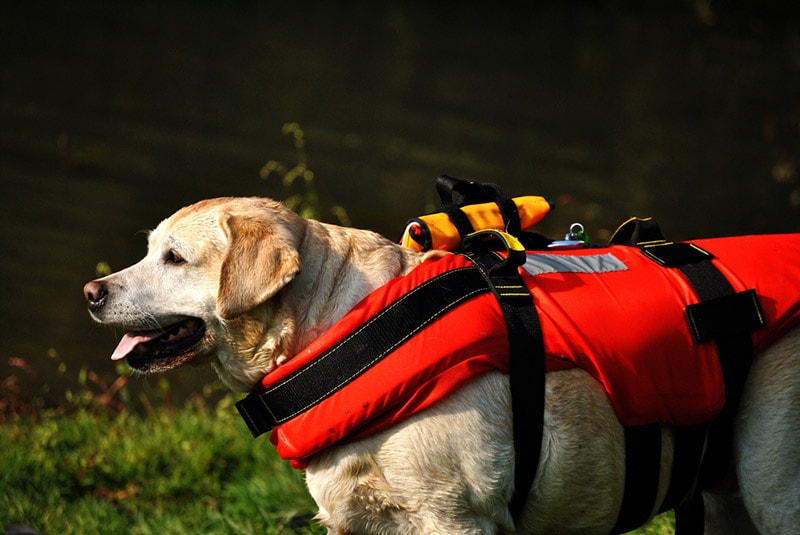
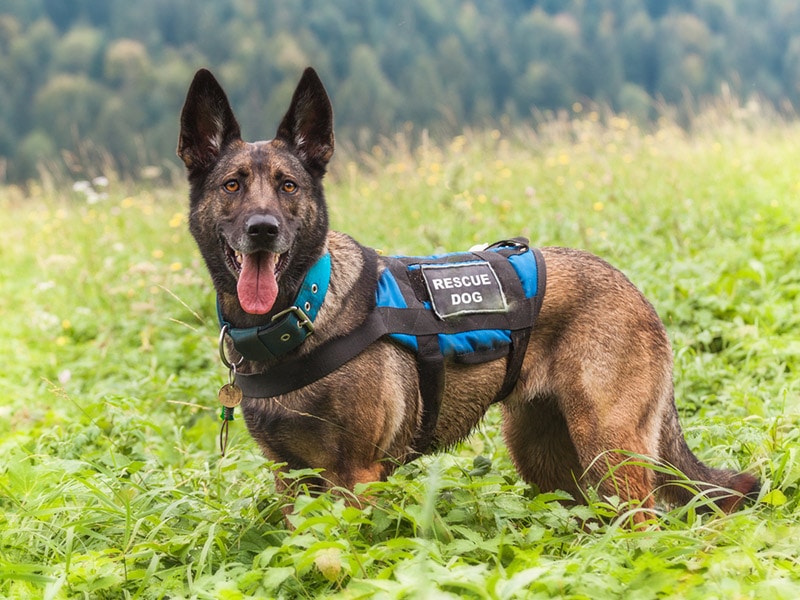
- Search and Rescue
- Suspect ID by Scent
- Tracking criminals
- Finding Drugs and Explosives
- Finding Evidence of a Crime
- Providing Protection for Other Officers
- Controlling Crowds
- Taking Down Dangerous Suspects
Search and Rescue
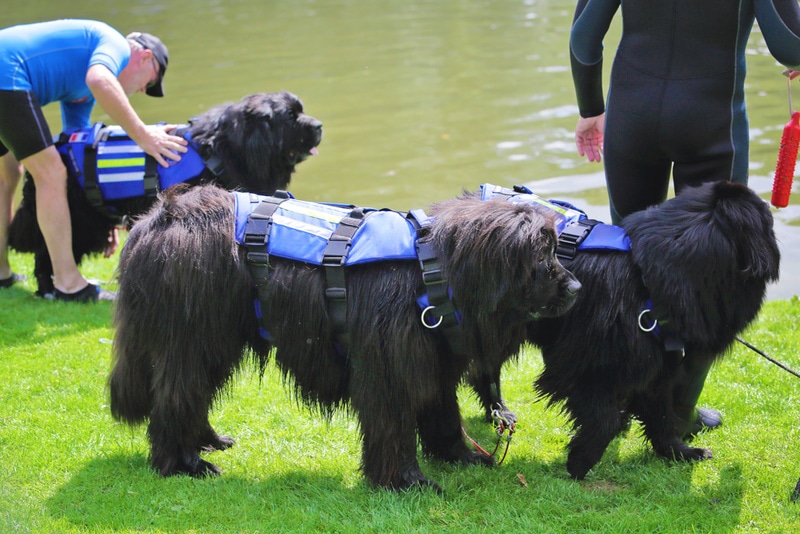
The detection of missing people and finding those who are lost is one responsibility that police dogs take very seriously. They use their keen sense of smell, which can detect even small traces from hundreds or thousands of miles away depending on the breed, to track down individuals in search missions where there may be no other clues as well!
Suspect ID by Scent
Police dogs are trained to use their sense of smell to identify suspects. If a suspect has been in contact with an item that the police dog is sniffing, the dog will be able to identify them. This method of identification is often used when there is not enough visual evidence to ID a suspect.
Tracking Criminals
Police dogs are highly trained in tracking and can be used to help locate criminals who are on the run. The dogs are able to follow scent trails, making them an invaluable asset to law enforcement. In many cases, police dogs have been able to successfully track down fugitives, leading to their capture.
Finding Drugs and Explosives
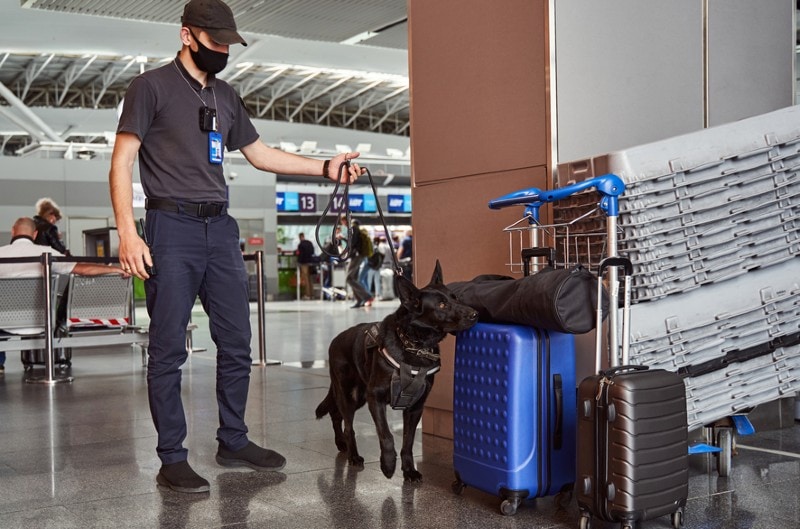
Police dogs are formally trained to smell and detect various types of illegal substances and explosives. They go through an intensive training process in order to be able to perform this critical job in airports, train stations, crime scenes, and government buildings all over the country. Without police dogs, many illegal drugs and explosives would go undetected.
Finding Evidence of a Crime
Police dogs have many jobs. One of those jobs is to find evidence of a crime. This evidence can be anything from a weapon to a piece of clothing. For example, they can be used to find bloodstains or drugs that may have been hidden by a criminal.
Providing Protection for Other Officers
Police dogs are also trained to protect their handlers and other officers. They are taught to attack on command and can be used as a deterrent against criminals. In many cases, police dogs have saved the lives of their handlers by attacking dangerous suspects.
Controlling Crowds
Another job that police dogs do is controlling crowds. Police dogs can also be used to provide protection for other officers. They can be trained to attack suspects who are trying to hurt the officer.
Taking Down Dangerous Suspects
In some cases, police dogs may even be used to take down dangerous suspects. They can help subdue a suspect who is armed and dangerous, keeping everyone safe.
Police dogs are highly trained animals that play an important role in law enforcement. They have a long history of helping humans control the world around them, and they continue to be an essential part of law enforcement today.

History of Police Dogs In the U.S.
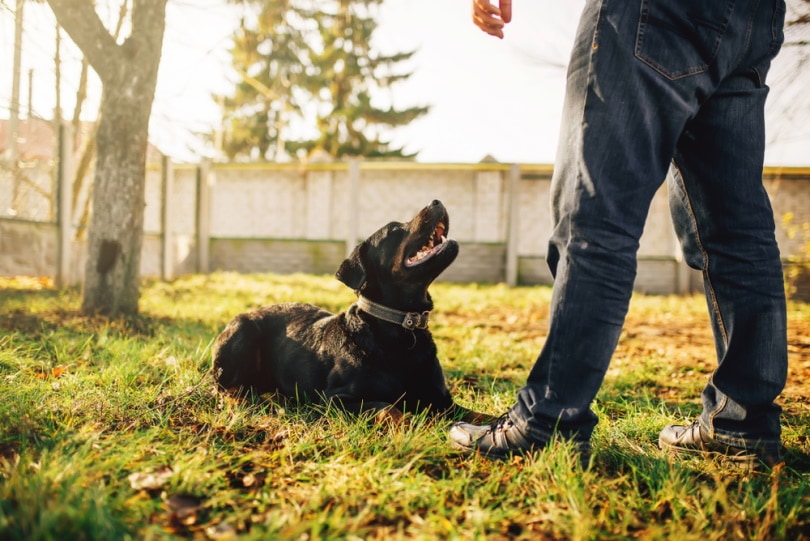
Police dogs have been used in law enforcement for centuries. The first recorded use of police dogs dates back to the 13th century when they were used in France to help control riots and capture criminals. In the 18th century, police dogs were introduced in England and quickly became an essential part of law enforcement there. In the United States, police dogs were first used in the late 19th century, and they have been an integral part of American law enforcement ever since.
Who Was the First Police Dog in The United States?
Buck, a bloodhound, is believed to be the first police dog in the United States. Buck was born in Louisiana in 1889 and was trained by his owner, Edward H. Ricketts, to help track down criminals and missing persons. Buck was so successful in his law enforcement career that he inspired other bloodhounds to be used as police dogs across the country.
Best Dog Breeds for Police Work
The best breeds for police work are:
Breed Facts:
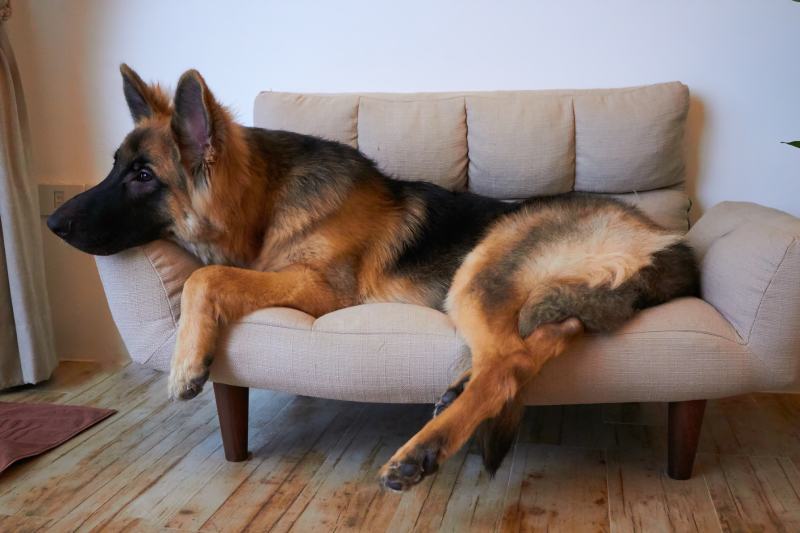
- German Shepherds are the most popular breed of police dog in the United States. They are intelligent, loyal, and have a strong work ethic.
- Belgian Malinois are another popular choice for police dogs. They are highly trainable and excel at tracking and apprehending suspects.
- Dutch Shepherds and Labrador Retrievers are also commonly used as police dogs. They are both intelligent breeds that excel in obedience training.
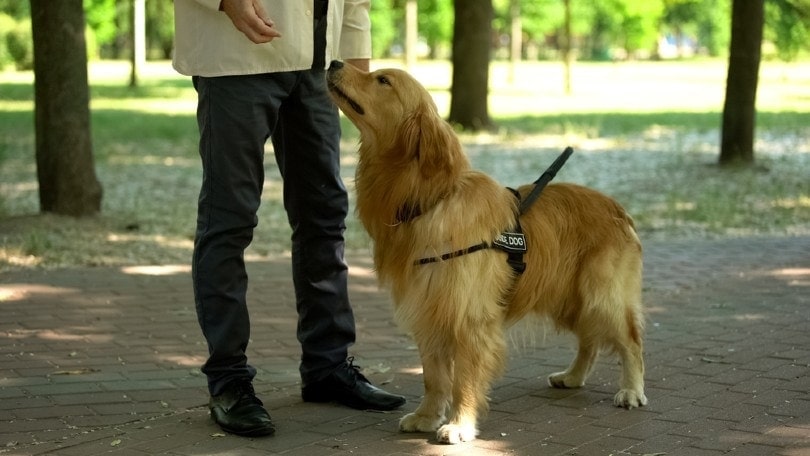
- Golden Retrievers are sometimes used as police dogs, but they are not as common as other breeds because they do not have the same drive to work that other breeds do.
In addition, these breeds are all intelligent, athletic, and have a strong desire to please their handlers.

About The Job of Dog Police Work
Being a police dog is a demanding job. They are expected to work long hours in all kinds of weather conditions. They must be able to run long distances, jump over obstacles, and more. They also need to be intelligent and able to understand commands quickly.
Do Police Dogs Get Paid?
Police dogs are not paid, but their handlers often receive a stipend to cover the cost of food and care. In some cases, the police department may also cover the cost of veterinary care.
Do Police Dogs Live with Their Handlers?
In most cases, police dogs live with their handlers. This allows them to form a strong bond and ensures that the dog is always well-cared for.
What Happens to Police Dogs When They Retire?
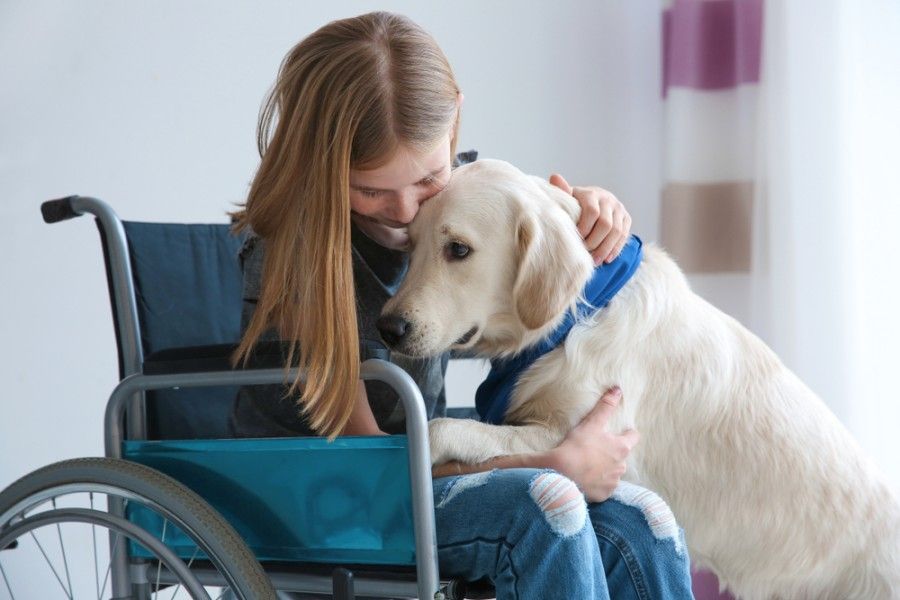
Police dogs typically retire when they are around eight years old. When they retire, they usually go to live with their handlers or another family member. In some cases, they may be adopted by another law enforcement agency or a security company. Some dogs continue working in other roles, such as therapy dogs or assistance dogs for people with disabilities. Others simply enjoy a well-deserved retirement filled with walks, playtime, and lots of belly rubs!

Final Thoughts
Police dogs are an important part of law enforcement. They are highly trained animals that play a crucial role in many different aspects of policing. From search and rescue to finding evidence of a crime, police dogs help keep our communities safe.
See also:
Featured Image Credit: Piqsels
Get Hepper In Your Inbox


Pet care tips from our vets and experts, straight to your inbox.
You may opt-out at any time. View our Privacy Policy for more information.

Nicole is a lover of animals of all sizes but is especially fascinated with the feline variety. She’s the proud mom of Baby, a Burmese, and works every day so he can relax in the sunshine or by the fire. She’s always had a cat in her home and has spent countless days with others, observing behaviors and softening up even the grouchiest of the lot. Nicole wants to share her kitty expertise with you so you and your cat can live happy, healthy, and care-free.
Join the conversation
Ask a question, share your story, or send private feedback.