Hepper is reader-supported. When you buy via links on our site, we may earn an affiliate commission at no cost to you. Learn more.
How to Become a Detection Dog Handler: 7 Tips You Need to Know

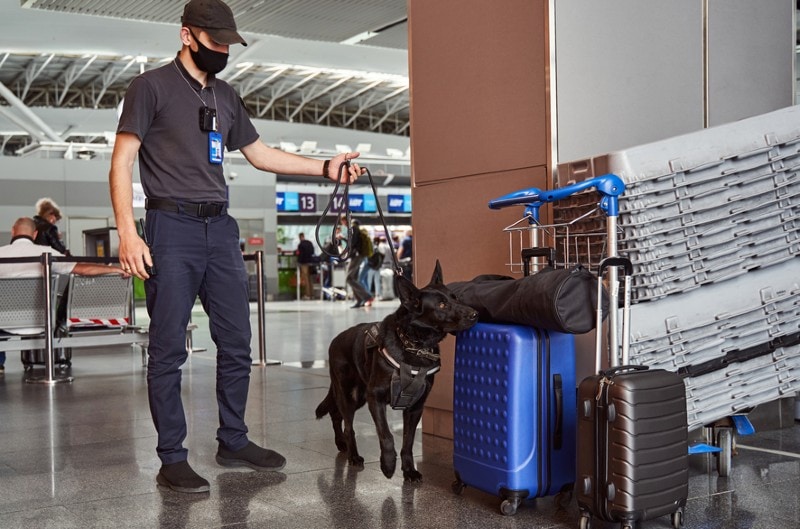
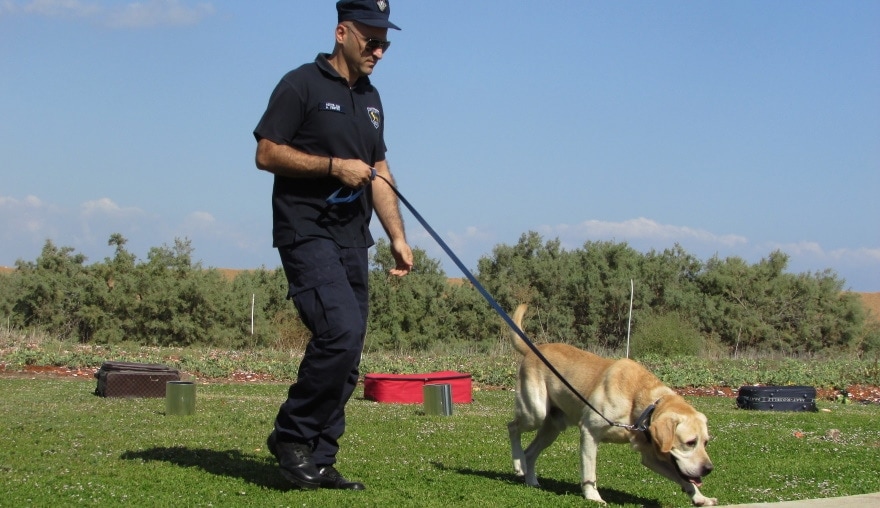
Detection dogs do extremely important work by sniffing and identifying all sorts of things, including illegal drugs, explosives, currency, and other contraband items. A detection dog needs a strong handler who's capable of leading successfully.
The road to becoming a detection dog handler is long and challenging. It’s a relatively small and competitive field that requires a significant amount of time and investment. So, if you’re interested in this job, you should be aware of what to expect. Here are key things to know about working toward becoming a detection dog handler.

The 7 Tips for Becoming a Detection Dog Handler
1. Gain Relevant Experience
One of the first things you can do is get experience working with dogs. You can volunteer at your local animal shelter or work at a vet clinic or dog-walking company to get more exposure to canines. These experiences can open doors to other opportunities, like working with animal behaviorists or trainers.
Learning about dog behavior and obedience training is an invaluable experience. So, do your best to find opportunities that will help you learn to communicate with dogs.
2. Get Involved With Dog Training
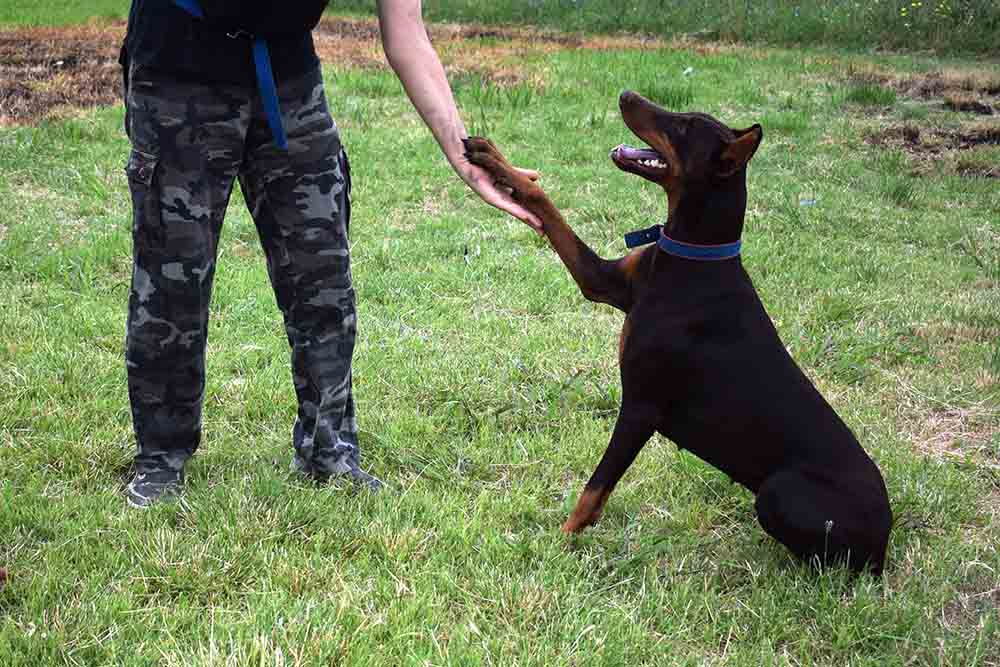
Becoming a certified dog trainer or behaviorist is an honorable career path that requires a lot of time and dedication. Fortunately, you don’t necessarily need to become a dog trainer before becoming a dog detection handler. However, it’ll definitely boost your resume if you have dog training experience.
You can check with your local canine training schools or individual trainers to see if they’re taking any apprentices or assistants. If you have your own dog, you can work toward passing notable training programs, like the American Kennel Club Good Canine Citizen Test.
3. Get a Relevant Degree
Agencies don’t usually require a degree for detection dog handlers. However, it doesn’t hurt to get a relevant degree to increase your chances of being accepted. Degrees and programs to consider include animal behavioral sciences, criminal justice, and police academy training. These certifications will help you get hired by the right agencies and organizations that can eventually lead to detection dog handler positions.
4. Work With Your Local Law Enforcement
Getting law enforcement training and experience will help you get closer to becoming a detection dog handler. Becoming a police officer requires training and passing the training program. You can expect to become proficient in laws and regulations, firearm safety, CPR, and self-defense.
If you secure a spot at your local law enforcement, start looking for openings in the K9 unit. Joining this unit will help you become used to working with police dogs and can give you exposure to detection work.
5. Work With the Transportation Security Agency (TSA)
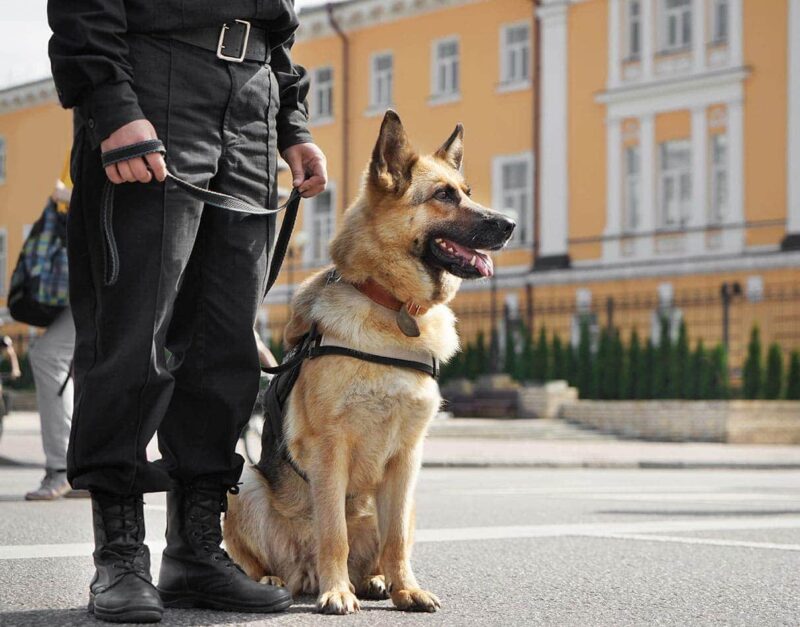
Most detection dog handlers first began their careers as law enforcement officers. For example, about 65% of TSA dog handlers were previously law enforcement officers, while 35% were previously transportation security inspectors.
If you’re not interested in working in law enforcement, you can still find a route to becoming a detection dog handler by working for the TSA. However, you have less of a chance of securing the position than working in law enforcement. TSA employees must have experience with inspection as a customs office or inspector in order to be considered for the TSA Canine Program.
6. Take a Detection Dog Trainer Course
Some organizations offer a detection dog trainer course. These courses don’t guarantee any jobs upon completion, but they provide opportunities to work with detection dogs. They’ll also boost your resume and indicate to hiring companies that you’re serious about this profession.
Make sure to only work with reputable programs to ensure that you get the proper training and exposure you need to become successful in this field. You can check with your local law enforcement for any recommendations.
7. Pass Your Agency’s Detection Dog Training Program
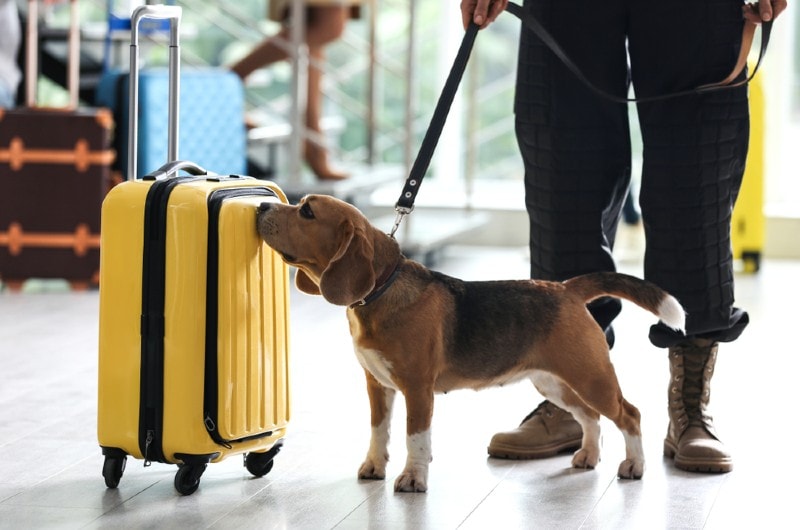
Once you apply and pass your round of interviews with an agency, you’ll have to enroll in and pass its own detection dog training program. Some agencies have in-house training programs, while others will refer you to third-party academies.
These trainings typically teach you how to conduct searches, detect changes in your detection dog’s behavior, and identify prohibited items and find their source. Once you complete and graduate from the program, you can start working in the field as a detection dog handler.

Frequently Asked Questions
How Long Does It Take to Become a Detection Dog Handler?
The route to this career is long and can take several years. There isn’t a college degree or course that leads directly to the position, and you usually have to take on other jobs that build up your level of experience.
What Skills Do I Need to Be a Successful Detection Dog Handler?
If you’re unsure about becoming a detection dog handler, you may want to see if your interests and skill sets match the requirements needed for the position. To begin with, you must have a strong understanding of dog behavior, as this position requires reading a dog’s behaviors and signals. You must also have excellent communication skills with both canines and people.
Working well under pressure and in stressful situations is a high priority. Strong leadership skills are also important, as you’re the leader in the detection duo that initiates searches.
What Dog Breeds Are the Best Detection Dogs?
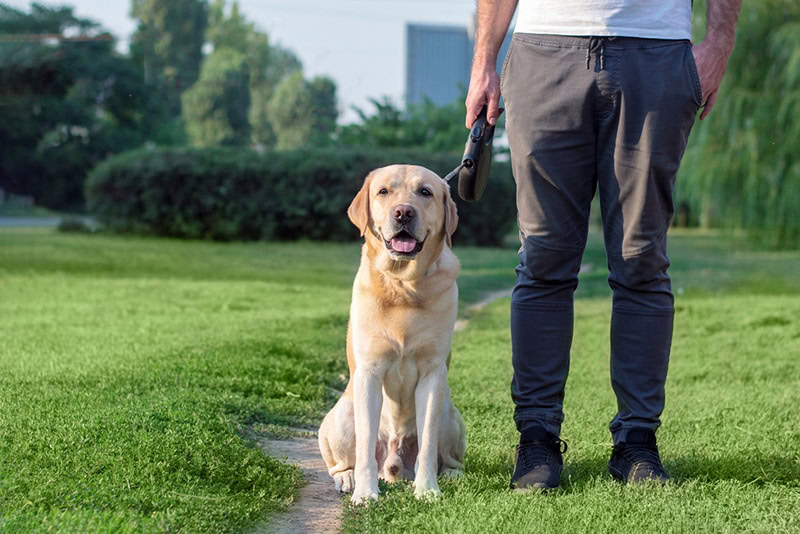
The most favored breeds that work as detection dogs are in the sporting group. You’ll often find German Shepherds, German Shorthaired Pointers, Labrador Retrievers, Golden Retrievers, and Vizslas in this field. Other dog breeds that tend to excel in scent detection are Bloodhounds, Beagles, English Springer Spaniels, and Belgian Malinois.
Conclusion
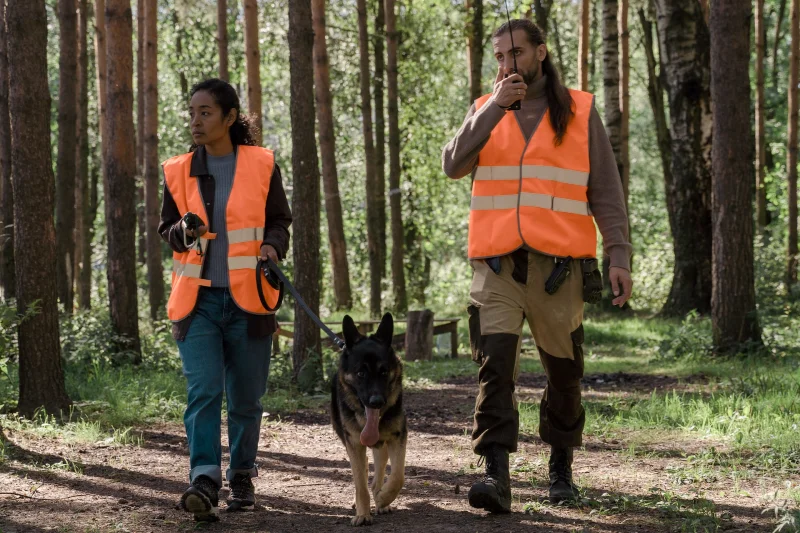
The road to becoming a detection dog handler is long and challenging. However, the work is extremely rewarding, as you get to train with incredible dogs and be a part of a team that does important work.
Since it takes a lot of experience to become a detection dog handler, it doesn’t hurt to get an early start. As you get more experience working with dogs, you may find many other areas of interest. So, the career path to becoming a detection dog handler is a worthwhile pursuit, and it may lead to many opportunities to do unique and valuable work.
See Also: Can Dogs Detect Electronics?
Featured Image Credit: Svitlana Hulko, Shutterstock
Get Hepper In Your Inbox


Pet care tips from our vets and experts, straight to your inbox.
You may opt-out at any time. View our Privacy Policy for more information.
Jessica is a freelance writer who spends most of her day reading and writing while her fluffy Cavapoo, Nora, naps beside her. She loves and appreciates pets and animals because there’s so much to learn from them, and they do so much for people. As a dog mom, she understands the special relationship that pet parents have with their pets. So, she loves sharing helpful information that people can use to better understand their pets. When she’s not writing, you can find her walking dogs, tending to her plant babies, or drinking her nth cup of coffee.
Join the conversation
Ask a question, share your story, or send private feedback.