Hepper blog

Search our database of over 9,984 posts with up-to-date information from our experts and veterinarians.

Hepper is reader-supported. When you buy via links on our site, we may earn an affiliate commission at no cost to you. Learn more.

Why Are German Shepherds Used as Police Dogs?
By Nicole Cosgrove
Share
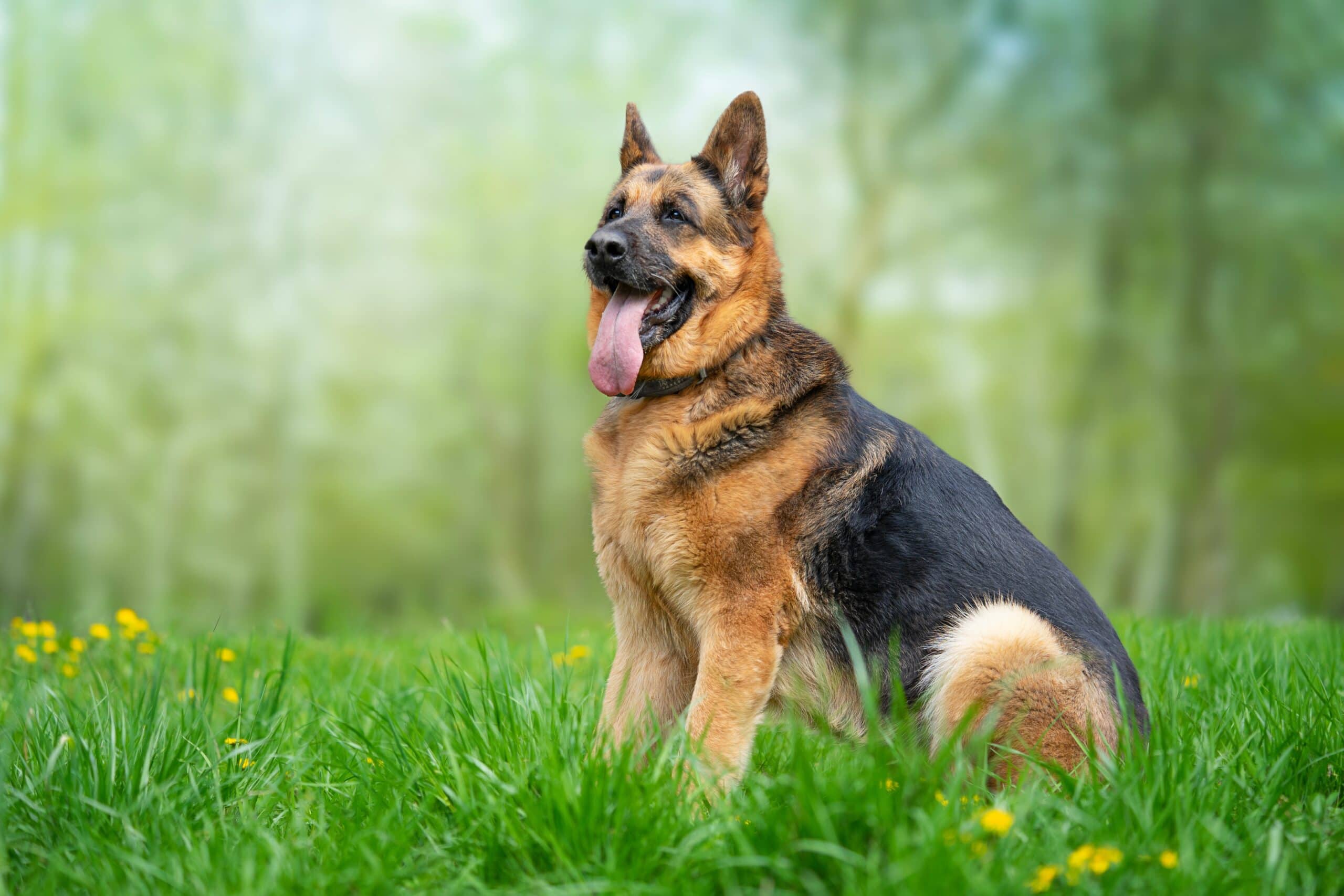
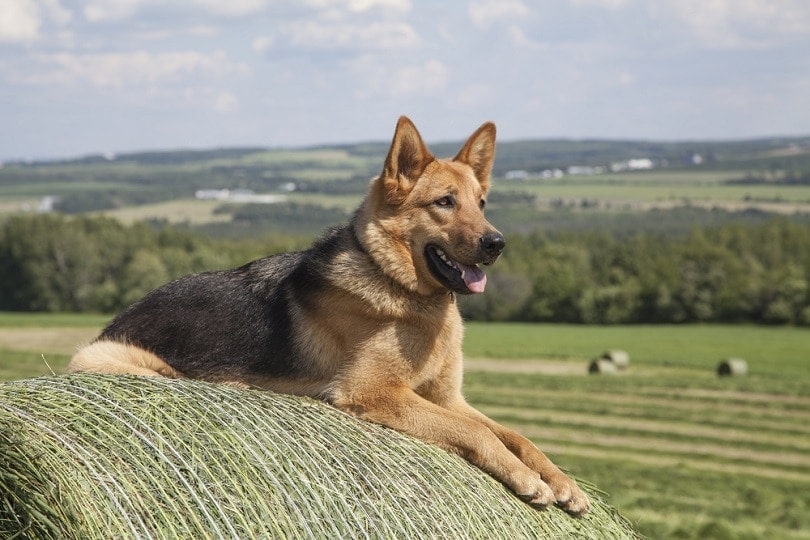
german shepherd police dog

When we think of a police dog, a German Shepherd Dog (GSD) is the first that comes to mind for most of us. They are inexorably connected to the image of what a police dog should be, and the breed is ubiquitous as service dogs worldwide. What is so special about German Shepherd police dogs?

For one thing, GSDs are among the most intelligent dogs in the world, making them easy to train and highly loyal and trustworthy. They are also powerful, formidable animals that are calm under pressure and not overly aggressive, making them the perfect police partner. In this article, we'll dive a little deeper into why German Shepherds are such good police animals.

What are the qualities of a good police dog?

There are personality traits that a dog needs to possess to be a successful police dog, and learning what they are will help you understand why police so widely use German Shepherds. In the past, police used various breeds for police work, but they have been narrowed down to the German Shepherd as the breed of choice, along with the Belgian Malinois occasionally. However, what exactly makes a good police dog?

Police dogs need to have the following traits, which German Shepherds have in abundance:
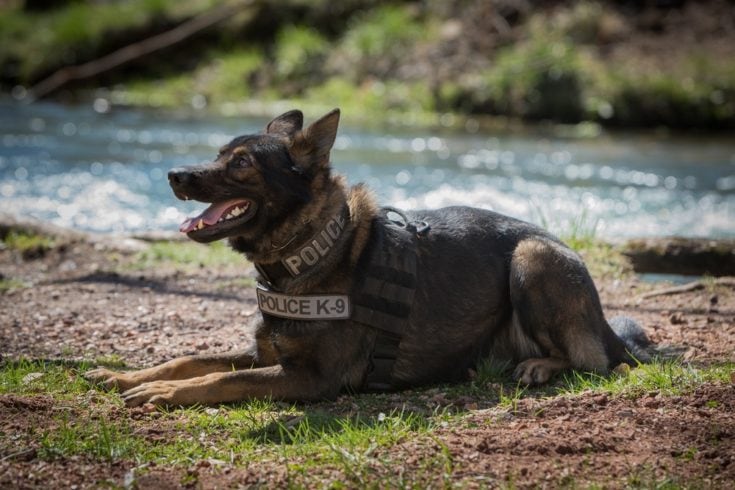
  • Highly intelligent
  • Eager to please
  • Courageous
  • Protective
  • Athletic and agile
  • Powerful
  • Great sense of smell
  • Obedient
  • Loyal
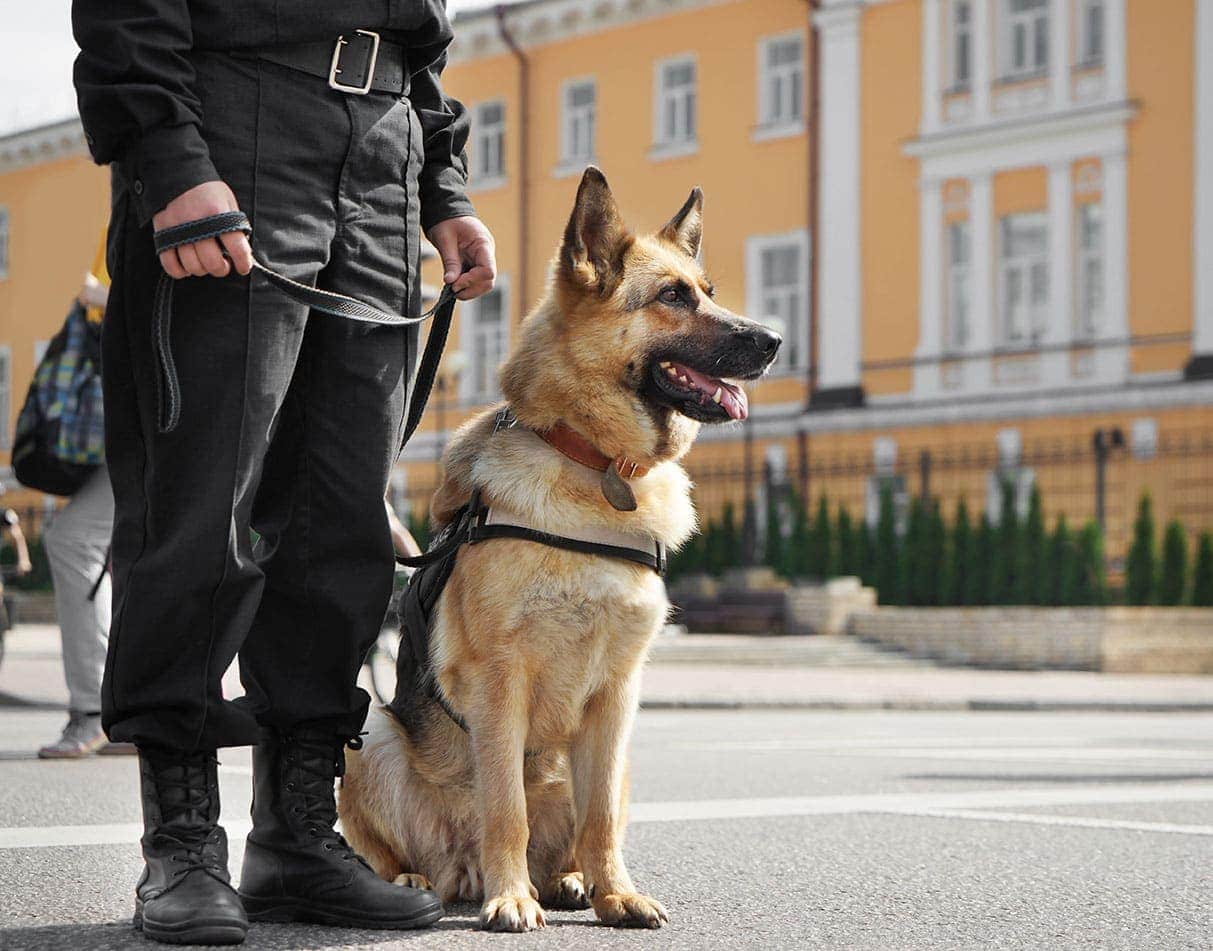
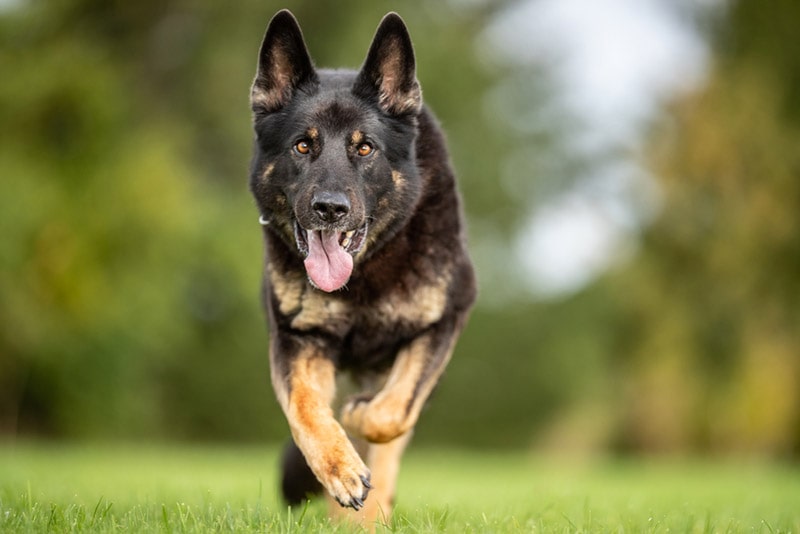
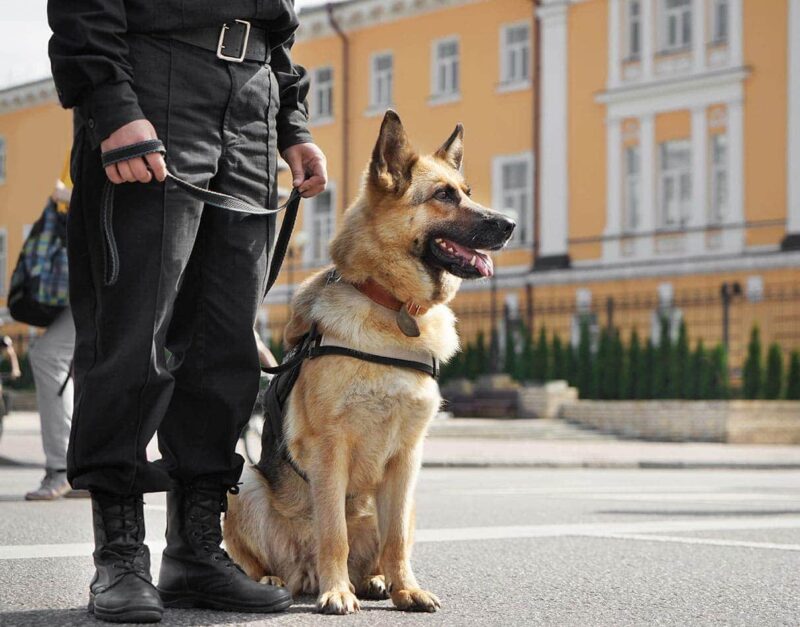
alert police dog
Image Credit: NSC Photography, Shutterstock

What Are the Toles of a Police Dog?

Those traits are essential for police dogs because of the various roles that they are needed for. The roles of police dogs are constantly growing and evolving, which is another reason that German Shepherds are the perfect dogs for the job.

With that in mind, there are four main roles of police dogs:

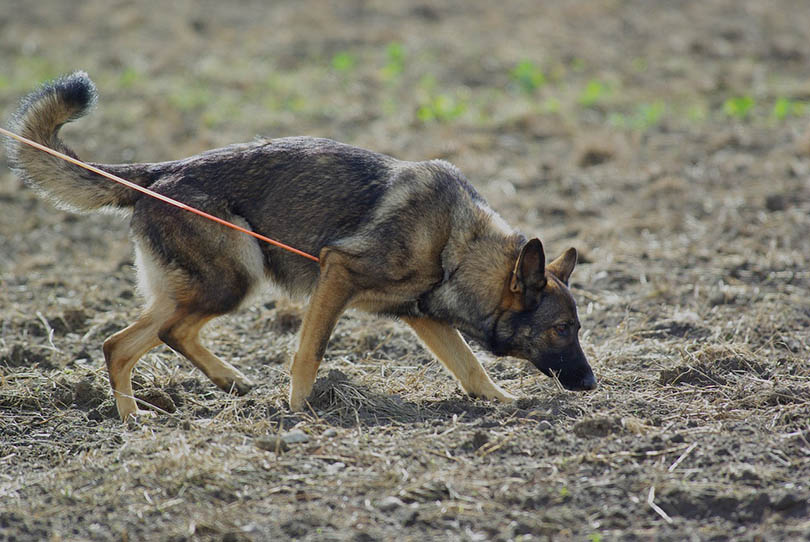
  • Search and rescue. In this capacity, police dogs search for criminal suspects or missing persons. They are also used in rescue situations, where they are used for their amazing sense of smell, helping locate victims of earthquakes, finding lost or missing persons, and discovering victims of fallen buildings.
  • Detection dogs are used for their powerful olfactory abilities to sniff out drugs, firearms, or explosives carried by suspects, as well as other illegal objects, like exotic animals or accelerants used in arson.
  • Cadaver dogs. These dogs can detect the odor of dead bodies. GSDs have such a powerful sense of smell that they can sniff bodies under piles of rubble or underwater.
  • These dogs are used for the general protection of the public to track down and apprehend criminals, rescue hostages, and locate crime suspects. Police dogs are trained to bite down on suspects and hold them hostage while officers arrest them.

Police Dog Training

Typically, police dogs need at least a year of training before they’re ready for deployment. With the average cost of a puppy used for police work as high as $2,500, along with the price of a year’s worth of training, it can be an expensive undertaking. This is another reason that German Shepherds are so suited for the job: They are adaptable dogs that can be trained to do just about anything, making their success rate in training higher than most breeds.

Police dogs go through various training, from agility to endurance, because they must be able to hike for miles at a time and jump over walls or climb long flights of stairs. Of course, basic command training and obedience are vital because they must obey their handler without any hesitation every time.

After these basic training methods, most police dogs receive specialty training. This could be for drug or bomb detection, tracking missing persons, or apprehension training.
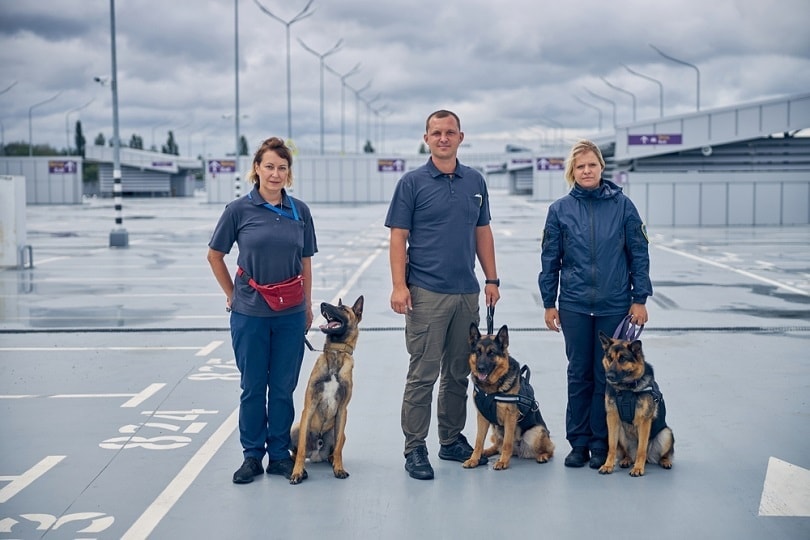
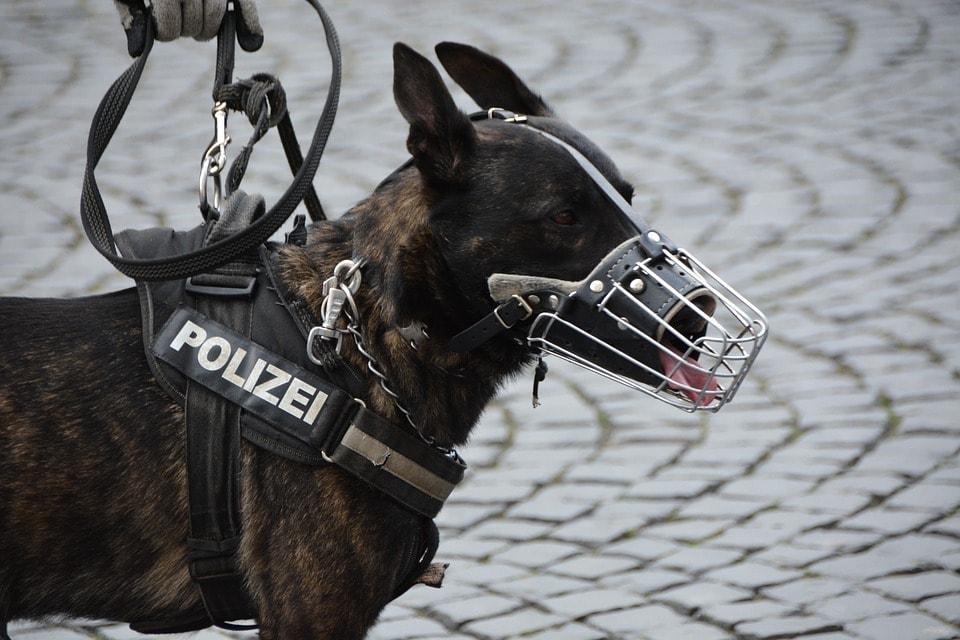
Malinois dog and two German Shepherd dogs on duty with officers
Image Credit: YAKOBCHUK VIACHESLAV, Shutterstock

Due to their supreme adaptability and trainability, German Shepherds are the go-to choice as police dogs for most situations. However, some breeds are not as skilled with general tasks as the GSD and are trained for specific purposes. This could be because of their superior sense of smell, their speed or power, or simply their intelligence.

Final Thoughts

German Shepherds are among the most commonly used breeds for police work, and with their adaptability, intelligence, and loyalty, it is easy to see why. Around the world, they've helped recover missing persons, kept the area safe by detecting explosives, and assisted police forces in apprehending criminals. While other breeds also make great police dogs, they are used more for specific jobs. That is why German Shepherds are the most widely used. They are incredibly adaptable and can be used for a wide variety of jobs.

Related Reads: 


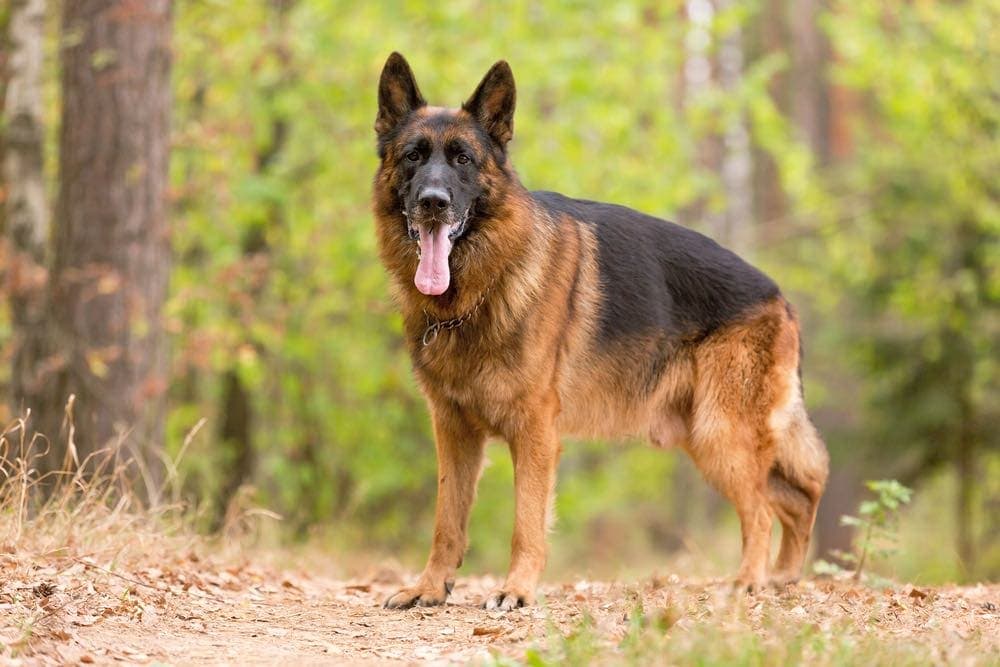
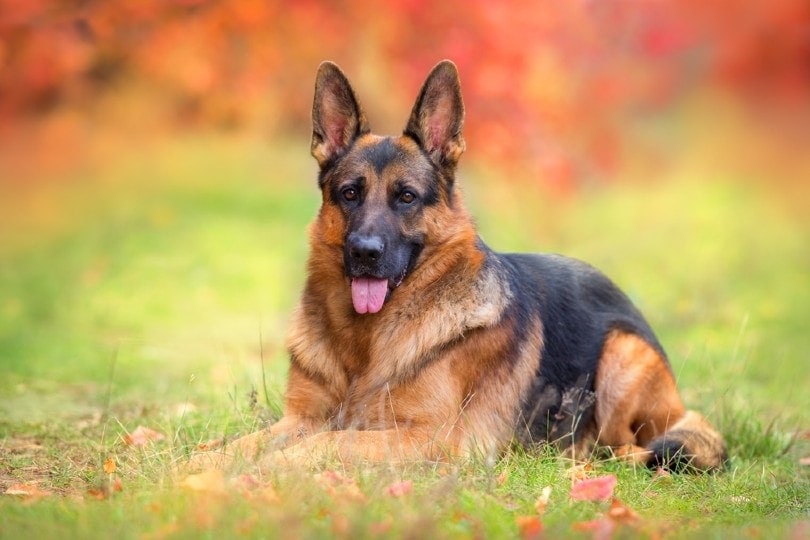
Featured Image Credit: Africa Studio, Shutterstock

Get Hepper In Your Inbox

Pet care tips from our vets and experts, straight to your inbox.

List

Select all that apply.

You may opt-out at any time. View our Privacy Policy for more information.

Nicole Cosgrove
Authored by

Nicole Cosgrove

Join the conversation

Ask a question, share your story, or send private feedback.
Rate this post
Required to post. Only our editors see your rating.
Who should see this?

A human reviews every comment before it appears. Your email is never published.

Picked to go with this article

How Long Does It Take to Train a Police Dog? Working Dog Facts

How Long Does It Take to Train a Police Dog? Working Dog Facts

Police dogs are an important part of law enforcement. They play a crucial role in helping officers catch criminals and keep the public safe. But how long does…

Nicole Cosgrove
By Nicole Cosgrove ·
What Were German Shepherds Bred For? Breed History Explained

What Were German Shepherds Bred For? Breed History Explained

The German Shepherd was originally bred in Germany in the late 1800s by Captain Max von Stephanitz, who wanted to create the perfect herding dog. To accomplish…

Nicole Cosgrove
By Nicole Cosgrove ·
12 Police Dog Breeds: Info, Pictures, Facts & History

12 Police Dog Breeds: Info, Pictures, Facts & History

Dogs are a diverse group of domesticated animals, with 378 recognized by the Centrale Canine.1 The large number reflects the various purposes canines serve for…

Chris Dinesen Rogers
By Chris Dinesen Rogers ·
Bomb Sniffing Dogs: Training & Effectiveness Explained

Bomb Sniffing Dogs: Training & Effectiveness Explained

Dogs have a much more attuned sense of smell than humans, and the most underappreciated soldiers in the global war on terror may be bomb dogs. Bomb-sniffing do…

Nicole Cosgrove
By Nicole Cosgrove ·

Keep reading

More stories you might like

Do German Shepherds Make Good Guard Dogs? Breed Facts & FAQ

There are various reasons that someone would want a guard dog. Canines have been used as protectors for centuries, doing everything from guarding flocks of she…

Kathryn Copeland
By Kathryn Copeland ·
Do German Shepherds Make Good Guard Dogs? Breed Facts & FAQ

How Are Drug Detection Dogs Trained? Canine Facts & FAQs

Drug smuggling is a serious business, and police and security groups all over the world diligently work to reduce illegal drug activity. These people have all…

Chelsea Mortensen
By Chelsea Mortensen ·
How Are Drug Detection Dogs Trained? Canine Facts & FAQs

10 Jobs That Dogs Can Do: Canine Support Roles (With Pictures)

The relationship between people and their best friends has evolved. Dogs were not always the cute and lovable pets that we know today. They were laborers, assi…

Nicole Cosgrove
By Nicole Cosgrove ·
10 Jobs That Dogs Can Do: Canine Support Roles (With Pictures)

Are German Shepherds Herding Dogs? Interesting Breed Facts

German Shepherds are intelligent, loyal, and alert and are arguably the definitive working dogs. As you might guess, their original purpose, dating to the latt…

Nicole Cosgrove
By Nicole Cosgrove ·
Are German Shepherds Herding Dogs? Interesting Breed Facts

15 German Shepherd Myths & Misconceptions: Fact vs Fiction

German Shepherd Dogs (GSDs) are undoubtedly a common breed but that doesn’t mean they aren’t as likely to be the victims of misinformation as anyone else.1 Whi…

Quincy Miller
By Quincy Miller ·
15 German Shepherd Myths & Misconceptions: Fact vs Fiction

What is a Cadaver Dog? History, Breeds & Training

Dogs aren’t just limited to being loving companions and beloved family pets, they also play an important role in human society by using their keen skills and a…

Lindsey Lawson
By Lindsey Lawson ·
What is a Cadaver Dog? History, Breeds & Training

Belgian Malinois vs German Shepherd: What’s the Difference?

It can be hard to tell the Belgian Malinois and the German Shepherd apart. However, once you get them side by side, their size, coloration, and build differenc…

Nicole Cosgrove
By Nicole Cosgrove ·
Belgian Malinois vs German Shepherd: What’s the Difference?

Are German Shepherds Good for Guarding Goats? Breed Facts & FAQs

German Shepherds are much loved in the United States and elsewhere for their intelligence, courage, loyalty, and hard-working nature. These handsome dogs make…

Nicole Cosgrove
By Nicole Cosgrove ·
Are German Shepherds Good for Guarding Goats? Breed Facts & FAQs