Hepper is reader-supported. When you buy via links on our site, we may earn an affiliate commission at no cost to you. Learn more.
Bulgarian Shepherd (Karakachan) vs Great Pyrenees: Differences & Pictures
In this article
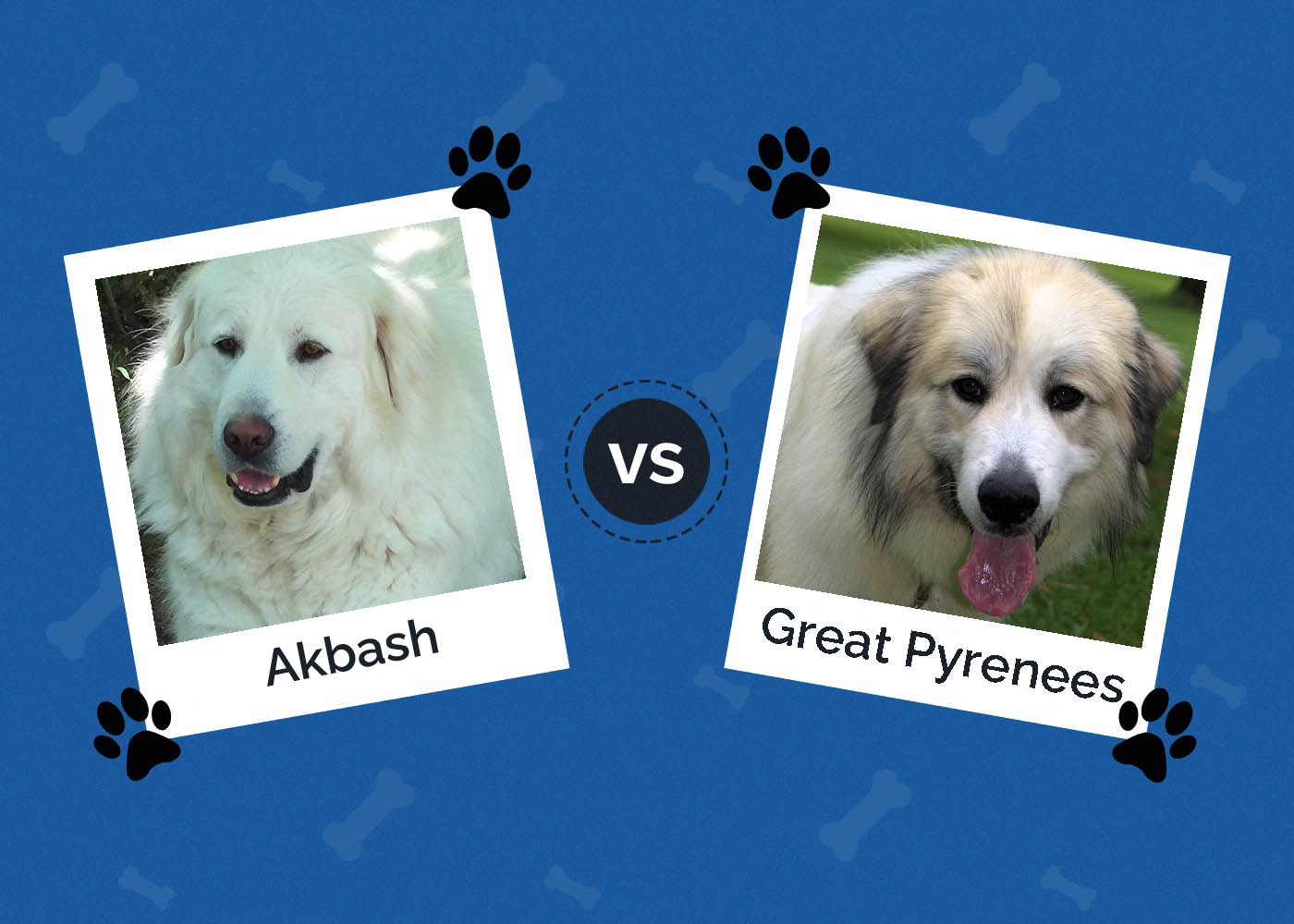
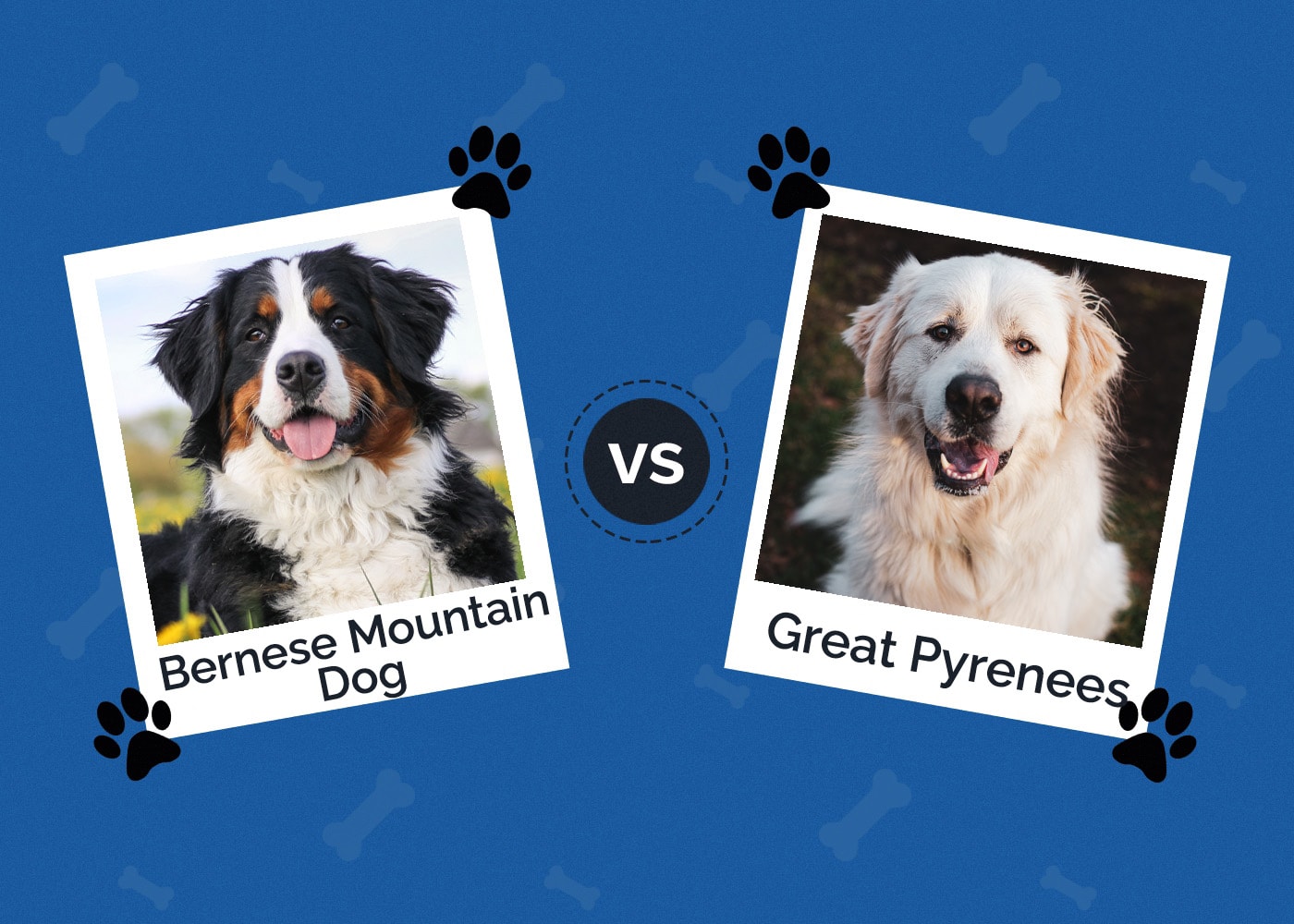
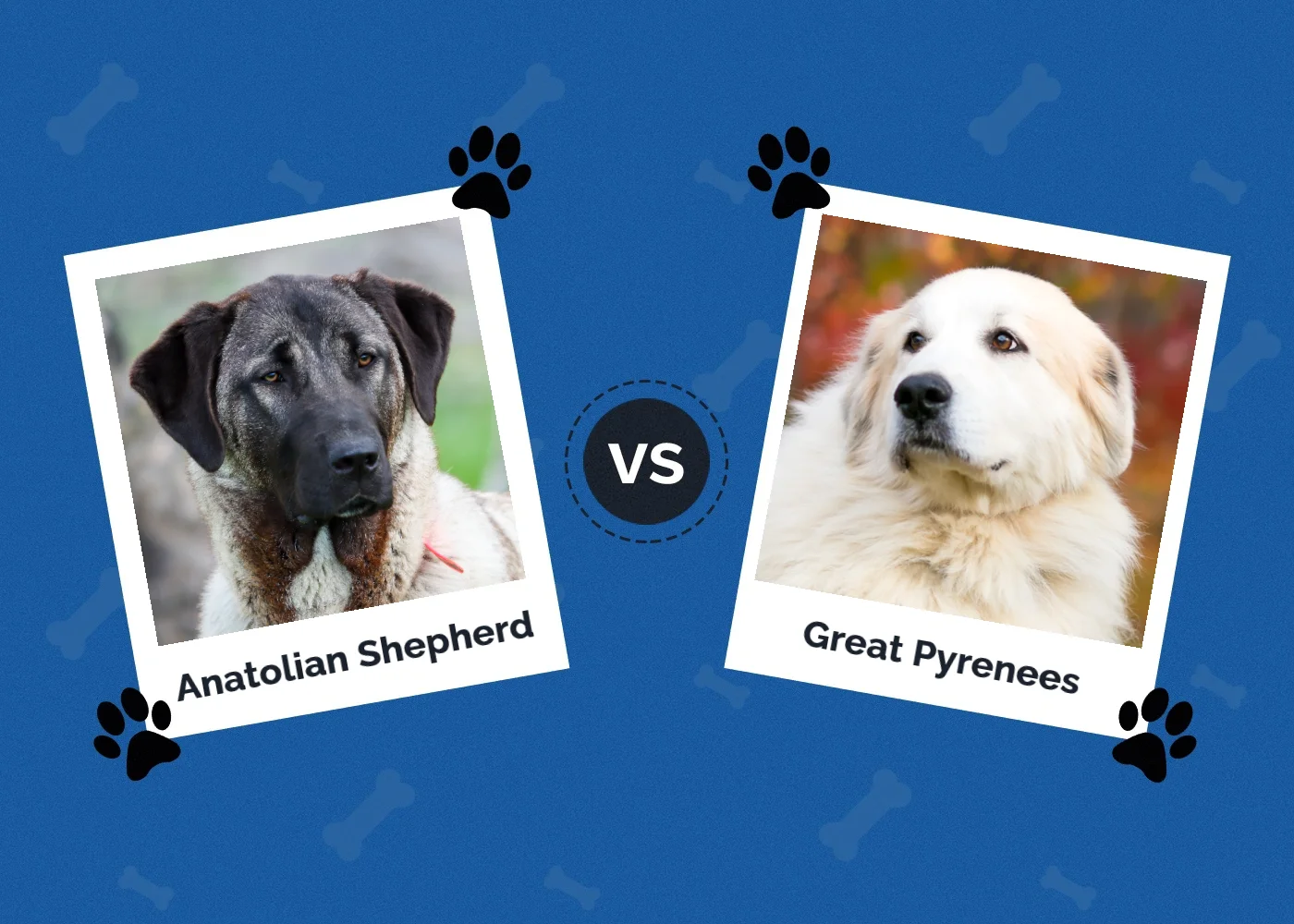
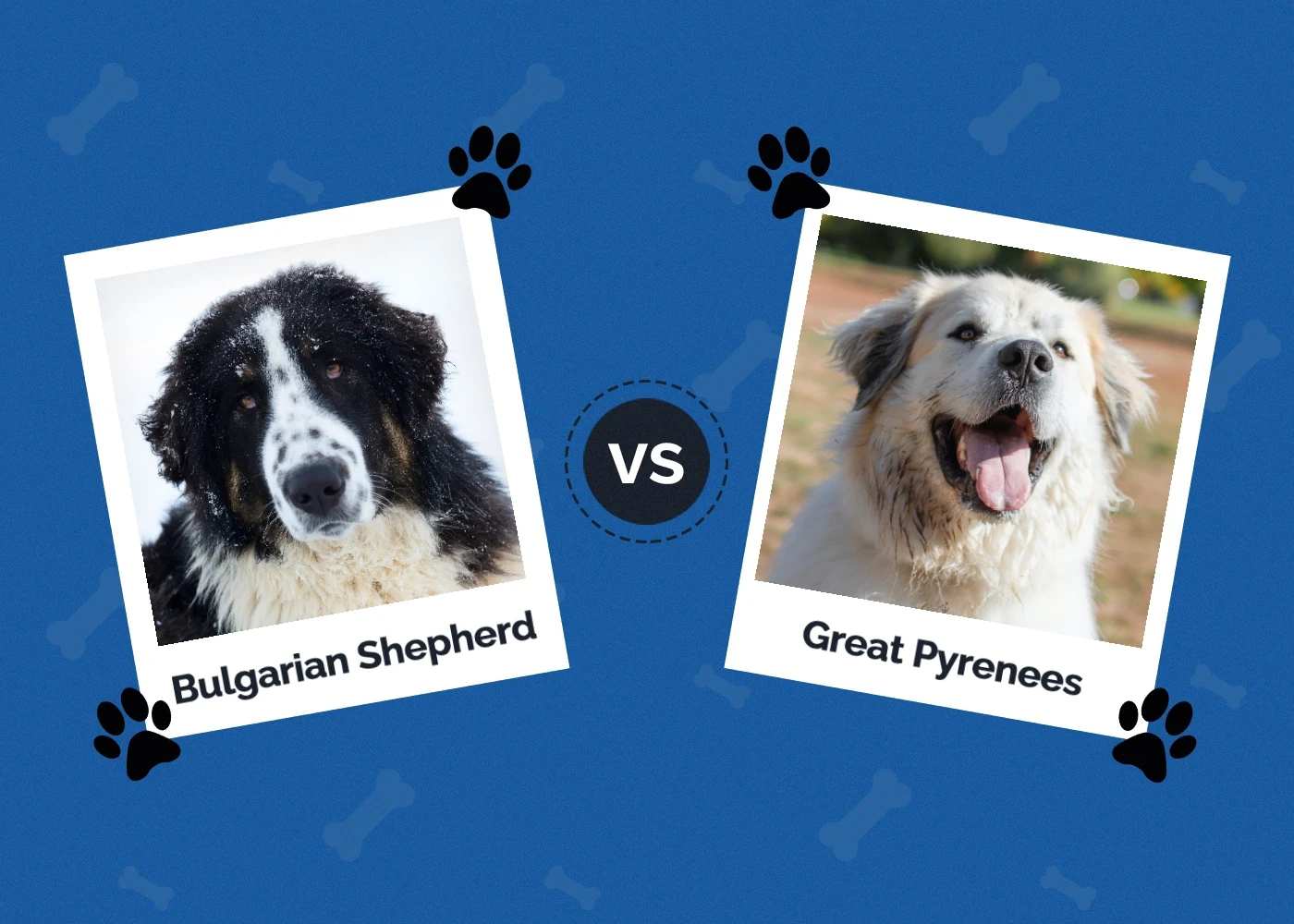
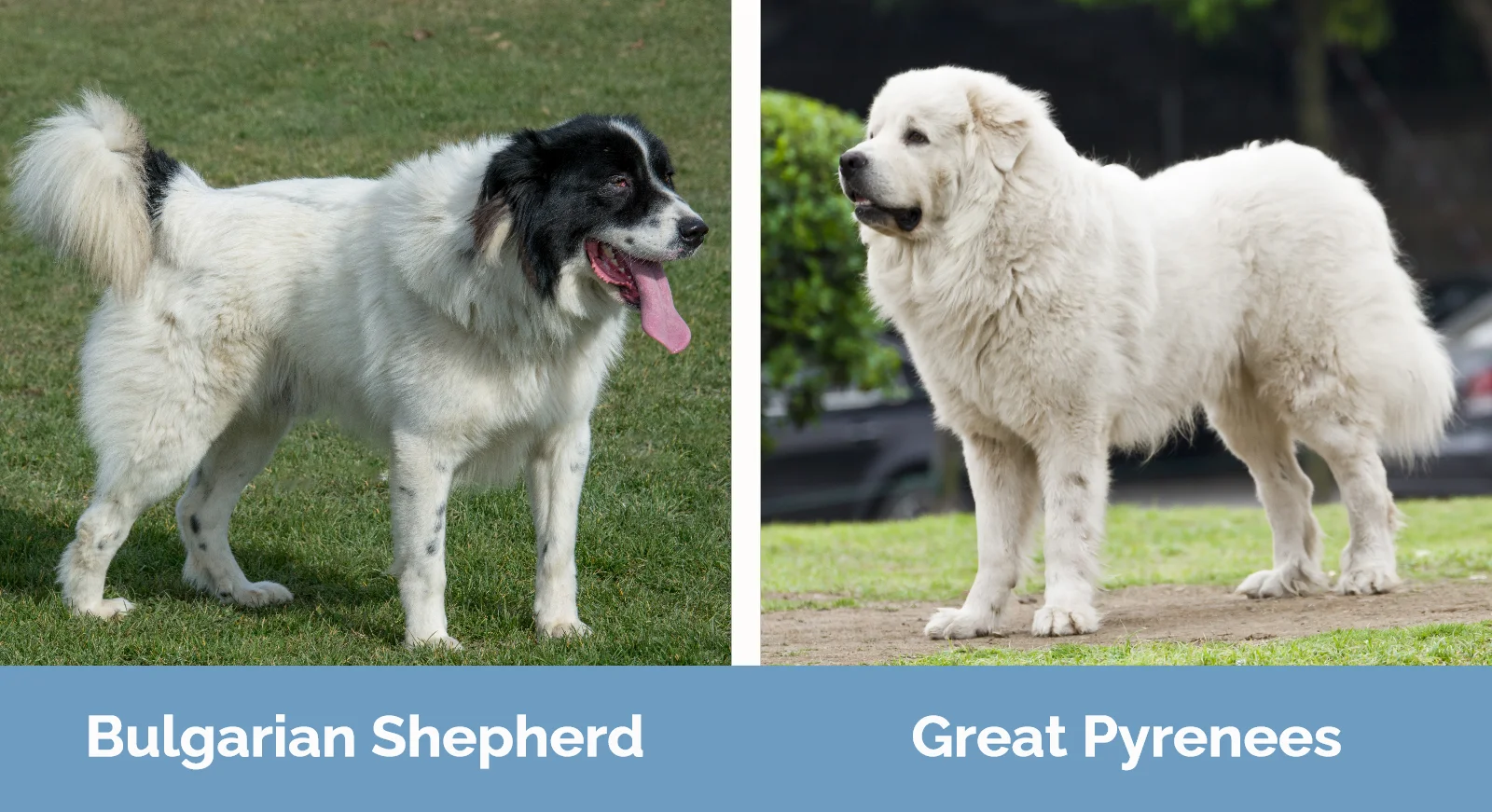
The comparison of the Bulgarian Shepherd and Great Pyrenees is a study of contrasts. Both breeds are similar in size, appearance, and jobs. However, they are oceans apart when it comes to the popularity, availability, and recognition of the two. The former is relatively rare and may take research to tease out the differences. Despite everything else about the two dogs, the latter will likely be the deal-breaker, but this depends on what you’re really looking for.
Interestingly, both breeds originated in Europe and likely have shared ancestry on some fronts. They also have had similar jobs, which can directly affect a dog’s personality and temperament. The Bulgarian Shepherd is a newcomer to the United States, whereas the Great Pyrenees has been here for decades. That can affect their respective availability and price.

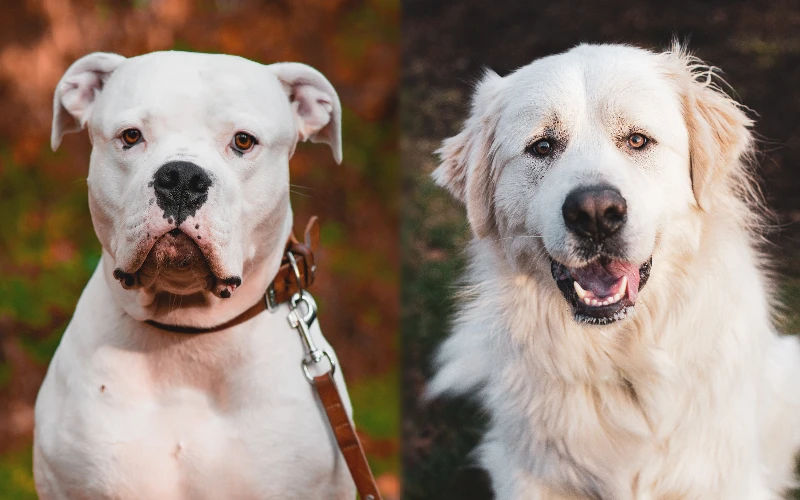
Visual Differences
At a Glance

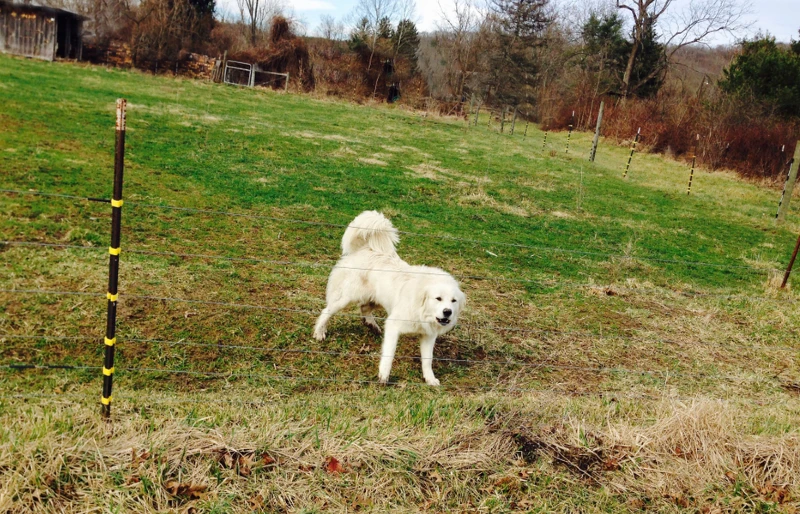
Bulgarian Shepherd Overview
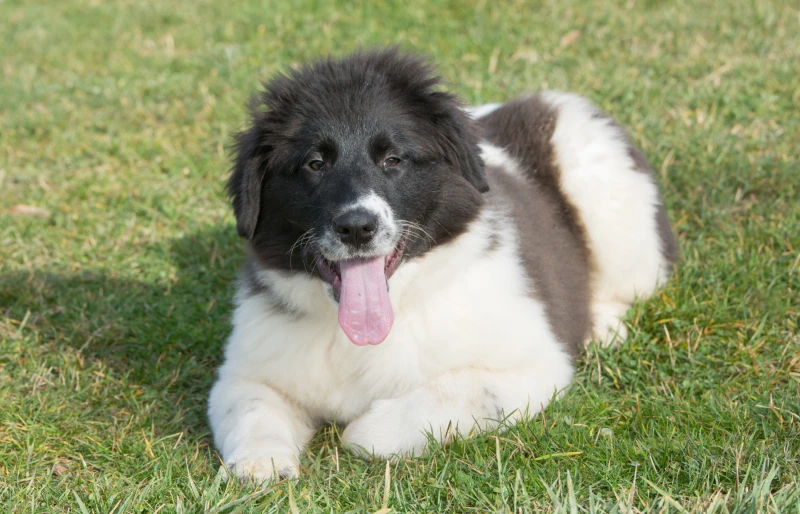
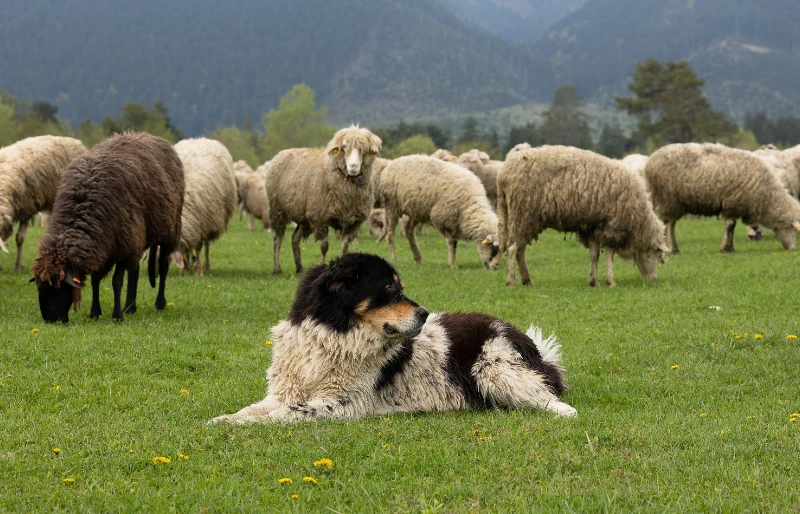
The history of the Bulgarian Shepherd goes back to ancient times. Herding has been part of the culture. These dogs didn’t herd livestock but protected them from predators such as coyotes, bears, and wolves. This role accounts for many aspects of the pup’s behavior. It undoubtedly influenced the selective breeding of this dog through the ages.
Unlike the Great Pyrenees, the Bulgarian Shepherd isn’t recognized by any of the major organizations, such as the American Kennel Club (AKC) or the United Kingdom’s Royal Kennel Club. The only one that offered this status was the Bulgarian Republican Federation of Cynology (BRFC). It has since terminated its relationship with the Federation Cynologique Internationale (FCI).
That may make determining the lineage of a Bulgarian Shepherd puppy more problematic since the BRFC is no longer issuing pedigrees. Nevertheless, the breed has gained popularity in the United States and Europe. The main advocate for the dog stateside is the American Karakachan Dog Association.
Personality / Character
The Bulgarian Shepherd is an independent animal, which isn’t unusual for livestock protection (guarding) dogs (LPDs). Traditionally, their contact with people would be limited to foster the animal’s focus on protecting their charges. They are intelligent and loyal pets. If socialized early, they are affectionate and playful family members.
Training
The Bulgarian Shepherd is better suited to experienced dog owners than individuals looking for a first-time pet. The size and temperament of this pup require early training emphasizing positive reinforcement and consistency. They can be sensitive to harsh words or reprimands. Their independent nature may prove challenging.
Health & Care
The Bulgarian Shepherd is a relatively healthy breed. However, it’s worth mentioning that it is not a part of the Orthopedic Foundation for Animals (OFA) Canine Health Information Center (CHIC). Nonetheless, selective breeding has been conservative with this dog. They may have similar health risks as other large canines for hip and elbow dysplasia.
Suitable For:
We don’t recommend the Bulgarian Shepherd for novice pet owners. This pup needs an owner who is experienced at handling large dogs with an independent nature. Consistency is vital for molding the animal’s canine manners. They also require daily exercise to keep them mentally and physically healthy. Individuals able to spend time working with this pup will have a loyal and devoted companion.

Great Pyrenees Overview
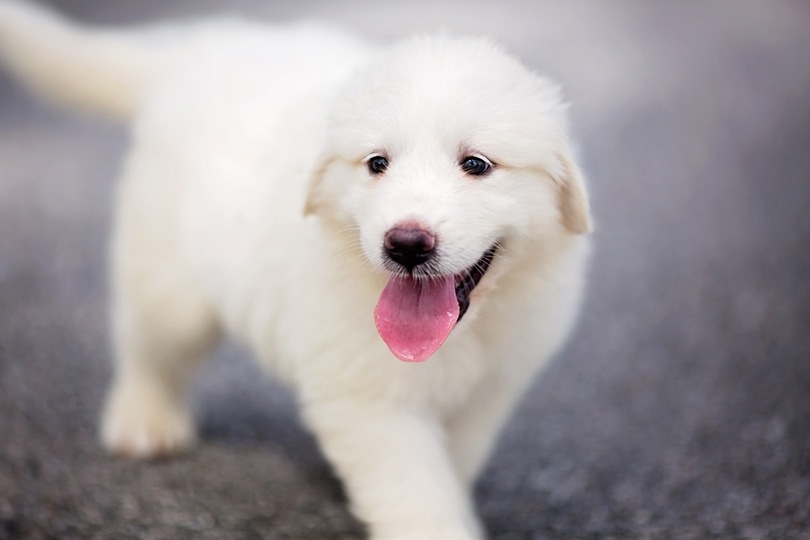
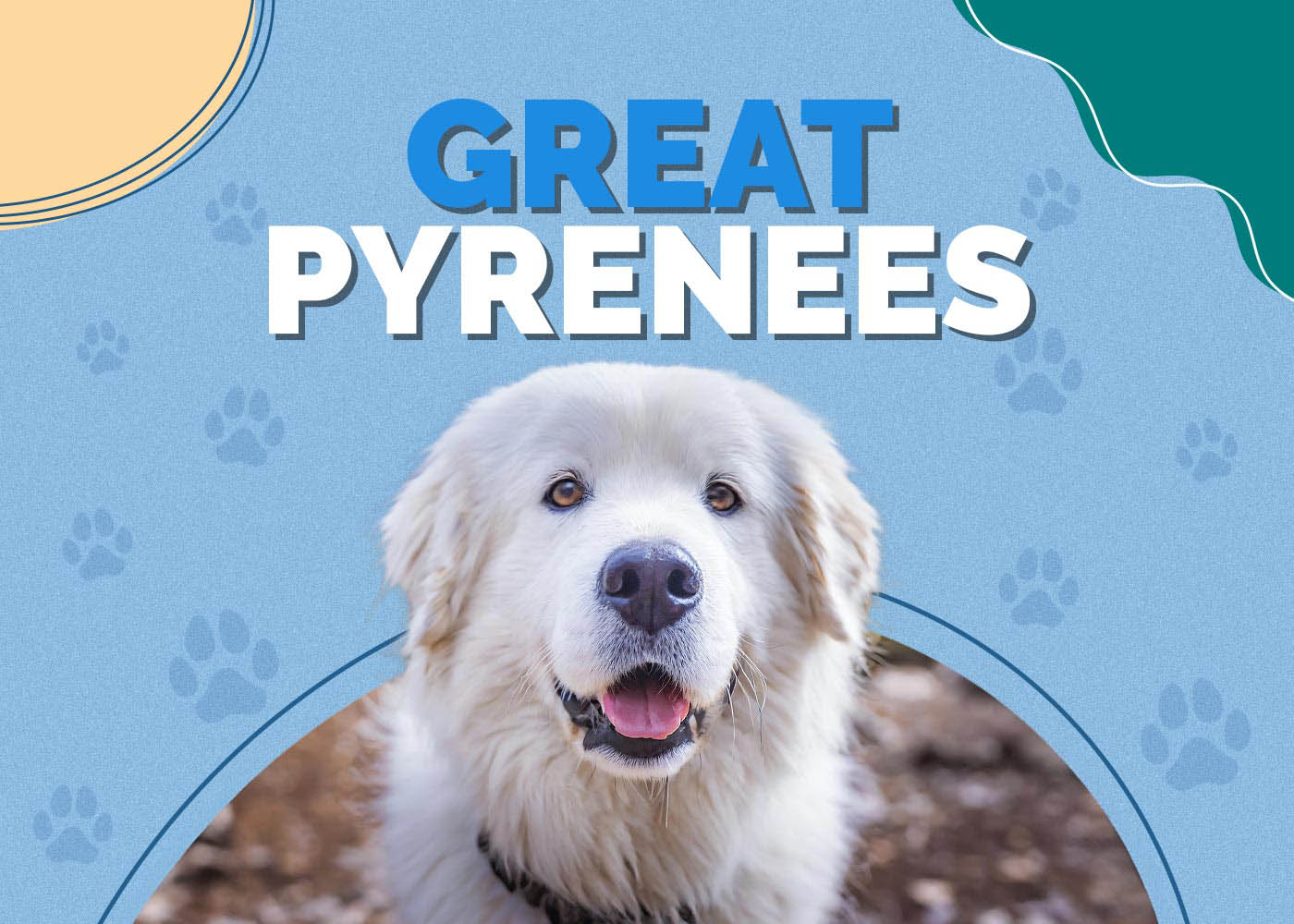
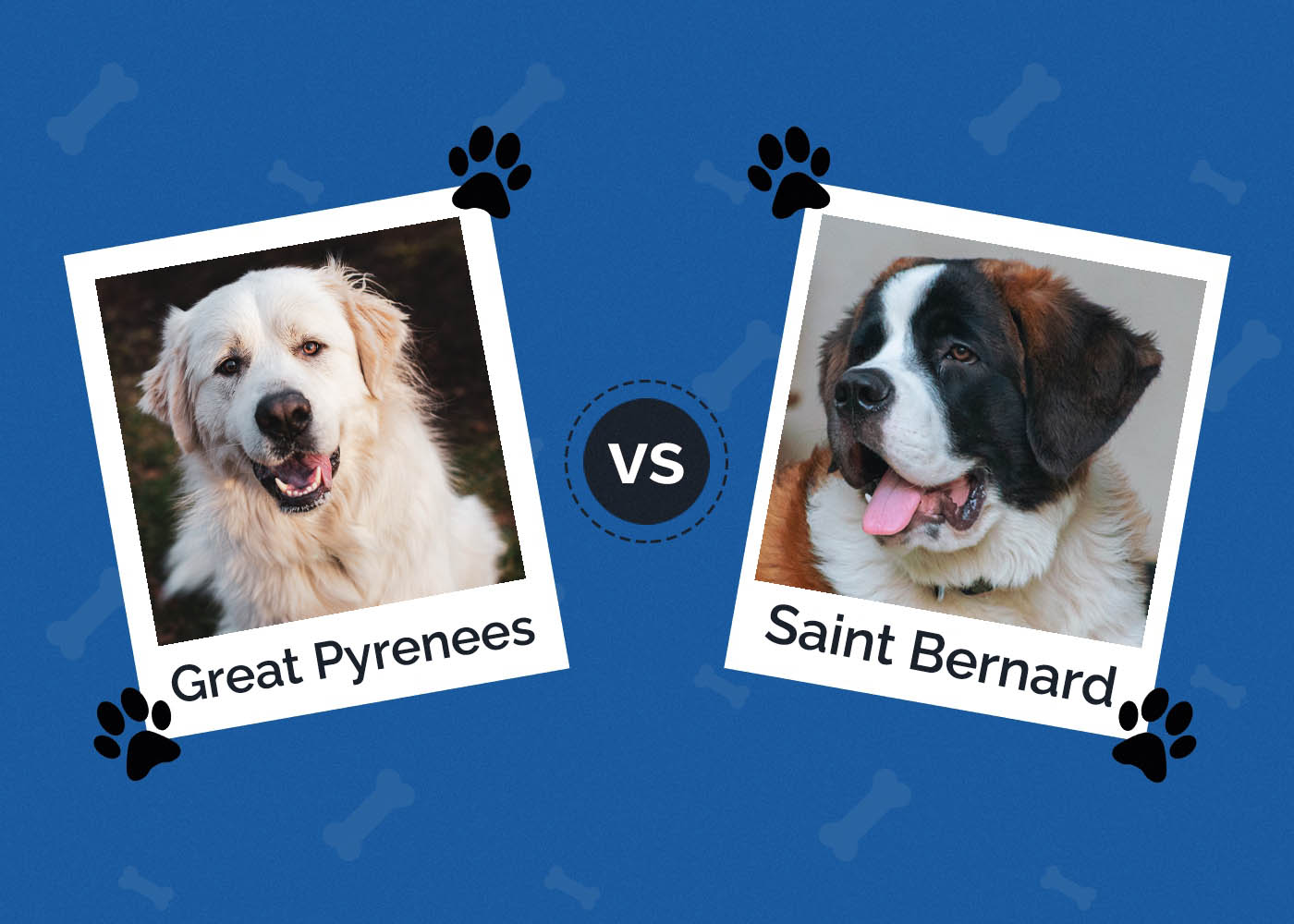
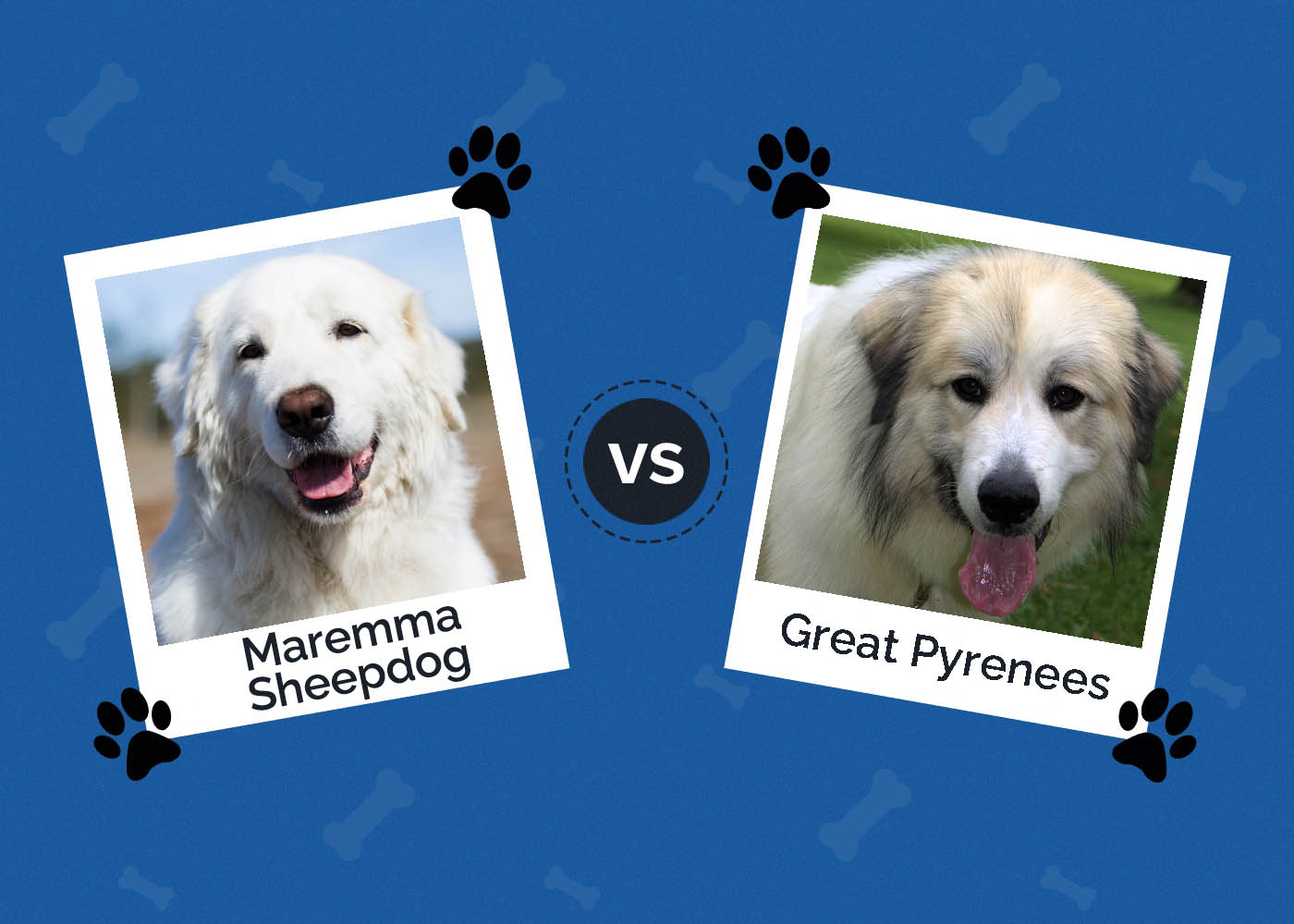
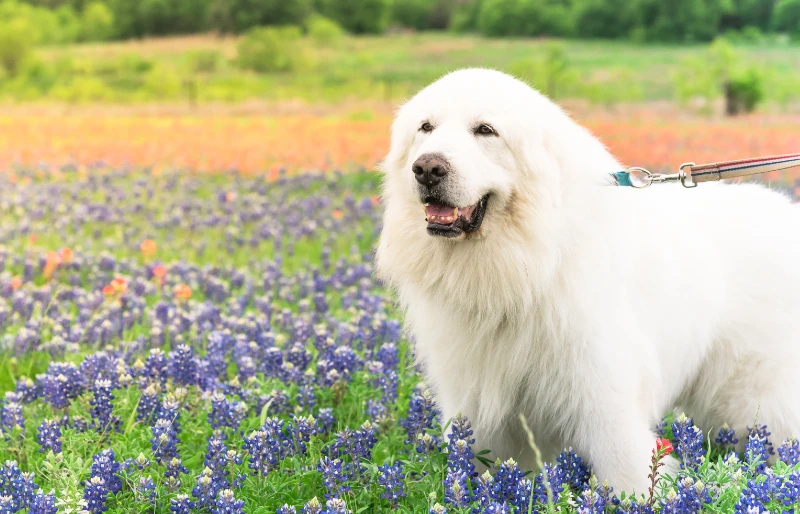
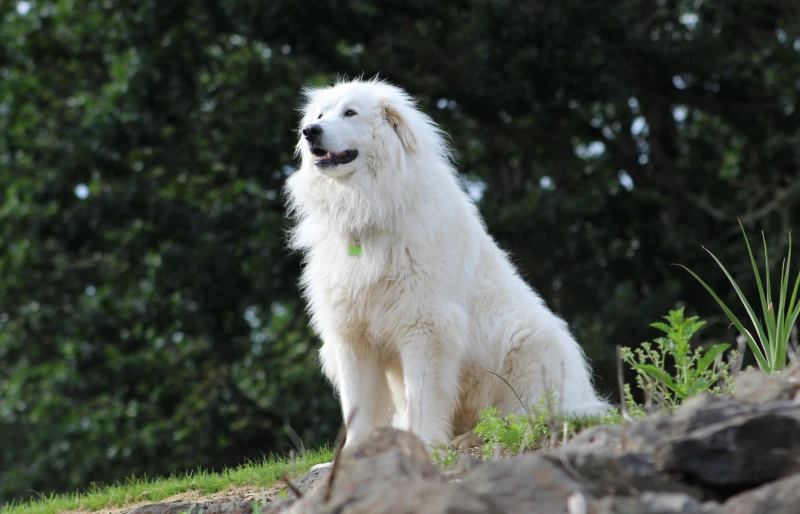
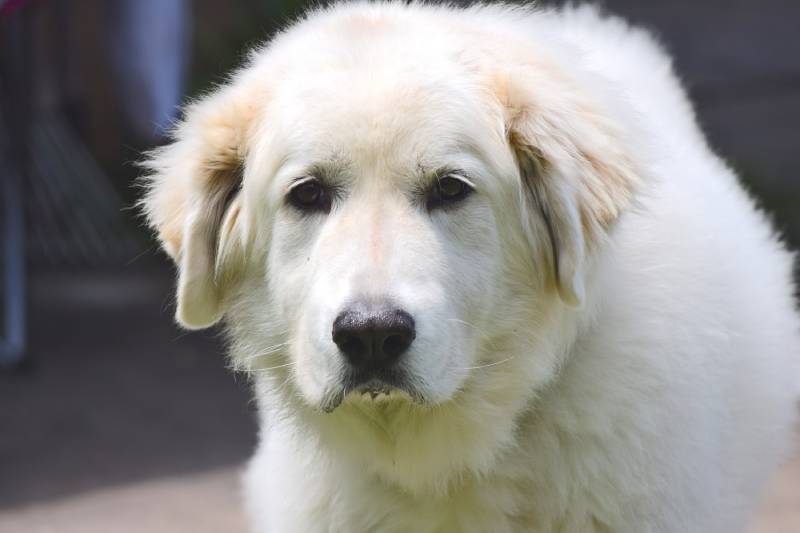
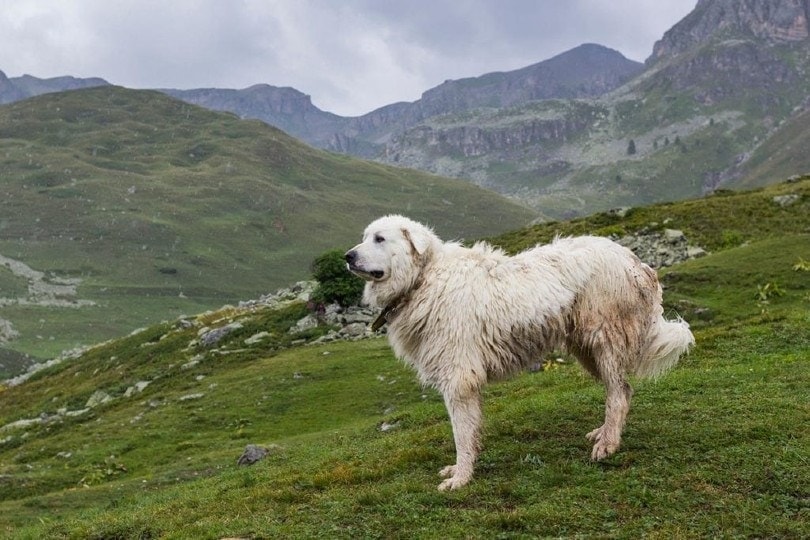
The Great Pyrenees is another ancient breed, tracing its history to southwestern Europe. Given its location and purpose as a guardian for livestock, it may have some traits and lineage similar to the Bulgarian Shepherd. It’s also a large animal but doesn’t have the mastiff-like appearance of other dogs from this region. It usually is white or cream with more of a wolf-like look to its head and muzzle.
The breed is native to France, with writing speaking of the dog’s gentle nature going back hundreds of years. It had a brush with nobility in the court of King Louis XIV as the Royal Dog of France and later as a pet of Britain’s Queen Victoria. The Great Pyrenees made it across the pond in 1931, where it became popular quite quickly. The AKC officially recognized the breed in 1933.
Personality / Character
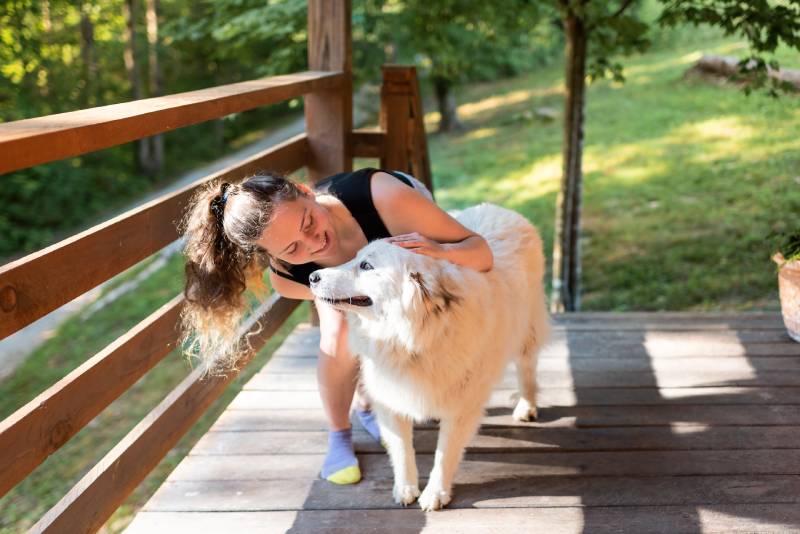
The human influence is evident in the animal’s temperament. The Great Pyrenees is a gentle and affectionate dog with its family members. However, it still retains the alertness and watchful eye of a guardian dog. While the pup is good with kids, you should supervise playtime with small children if just because of the dog’s size.
Training
The Great Pyrenees is another breed better suited to experienced pet owners. The dog is intelligent but can be challenging to train if you don’t start early. While it isn’t nippy, this pup has a strong prey drive and wanderlust, which isn’t unexpected, given its job. This pooch is also sensitive to strong reprimands and responds best with positive reinforcement.
Health & Care
The Great Pyrenees Club of America is proactive regarding the breed’s health. Evaluations for patella luxation and hip dysplasia are mandatory. The organization recommends several other tests and screenings. This dog needs daily exercise for its mental and physical health. Otherwise, the breed has a moderate propensity to become overweight.
Suitable For:
The Great Pyrenees is suitable for an experienced pet owner willing to work with their dog with consistent training. The pup requires daily care and brushing for this shedding breed. This pooch tends to bark or howl—a habit you must curb as a puppy. We wouldn’t call the Great Pyrenees a beginner pet, but one that can make a delightful addition to the right family.

Which Breed is Right for You?
The Bulgarian Shepherd and Great Pyrenees have similar backgrounds and temperaments that reflect their roles as guardians of the herd. Both are independent and sometimes challenging to train. The difference between the two comes from their official recognition and the organization behind it.
The Bulgarian Shepherd is a handsome dog with many desirable traits. Enthusiasts are passionate about the breed. However, the Great Pyrenees comes with a solid backing of its American club, participation with the OFA, and the status of formal recognition by several organizations. There are always unknown unknowns with pet ownership. Yet, the Great Pyrenees offers peace of mind on that score.
Featured Image Credit: Left - Nataliya Nazarova, Shutterstock | Right - Ryan Leeper, Pexels
Get Hepper In Your Inbox


Pet care tips from our vets and experts, straight to your inbox.
You may opt-out at any time. View our Privacy Policy for more information.

Chris is an experienced pet writer specializing in science topics, with a particular passion for health and the environment. She has been a writer for over 15 years and lives with her husband and three cats in Michigan.
Beyond writing about cats and dogs, Chris loves to learn about wine. She has WSET 1 and 2 certifications and is currently pursuing her Certified Wine Specialist Award (CSW).
Join the conversation
Ask a question, share your story, or send private feedback.