Hepper is reader-supported. When you buy via links on our site, we may earn an affiliate commission at no cost to you. Learn more.
Maremma Sheepdog vs Great Pyrenees: The Differences (With Pictures)
In this article
Dog enthusiasts looking to get a guardian dog as a pet have several breeds that they can choose from. However, two particular breeds stand out from the crowd: the Maremma Sheepdog and the Great Pyrenees.
At a glance, these dog breeds appear quite similar, as they are large and have white, fluffy coats, often making it hard for people to differentiate them. But the Maremma Sheepdog and the Great Pyrenees are entirely different breeds and have distinctive personalities. For one thing, Maremma dogs are gentle giants that originate from Italy, while the Great Pyrenees are playful livestock guards that originate from the Pyrenees Mountains (border between France and Spain).
What are the other differences between these two breeds? Which dog would be more suitable for you and your lifestyle?
In this article, we go over everything that you need to know about the Maremma Sheepdog and the Great Pyrenees to help you understand both breeds more and determine which one best suits your needs.

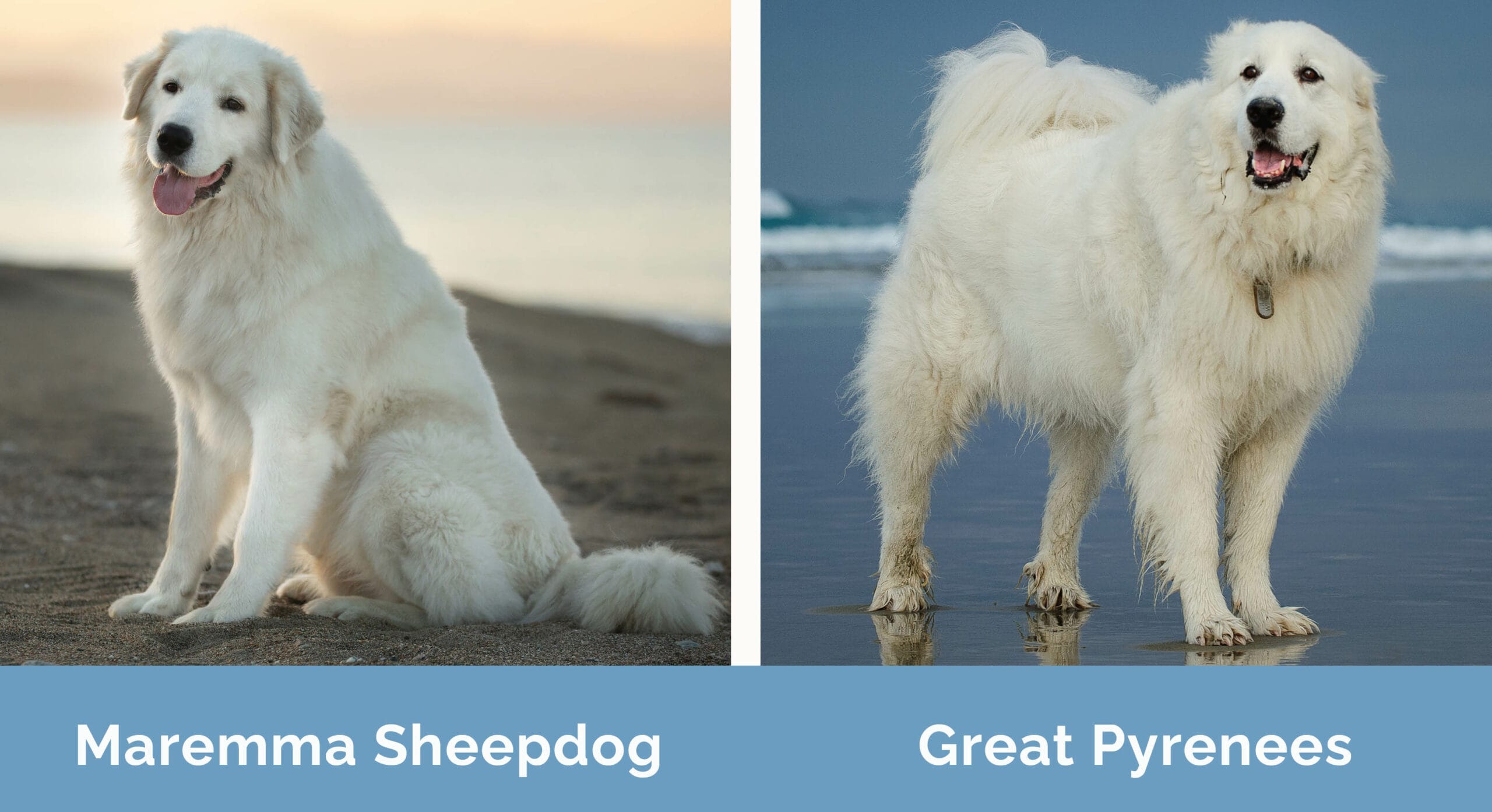
Visual Differences
At a Glance

Maremma Sheepdog Overview
Personality & Character
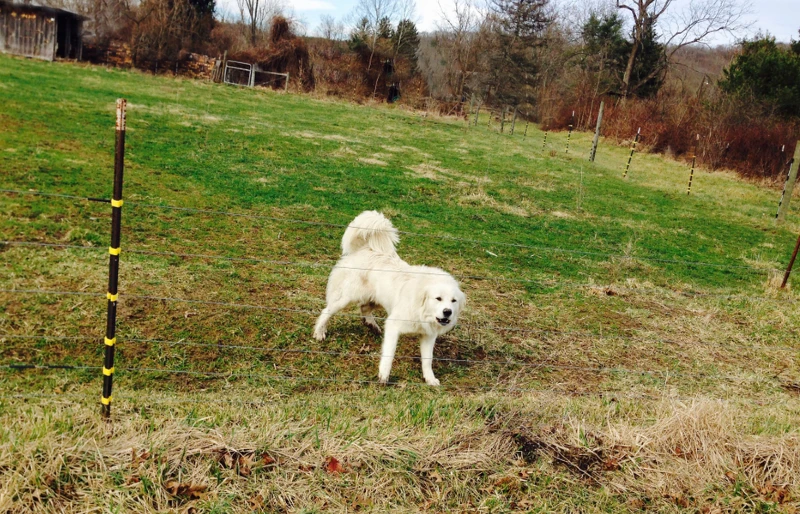
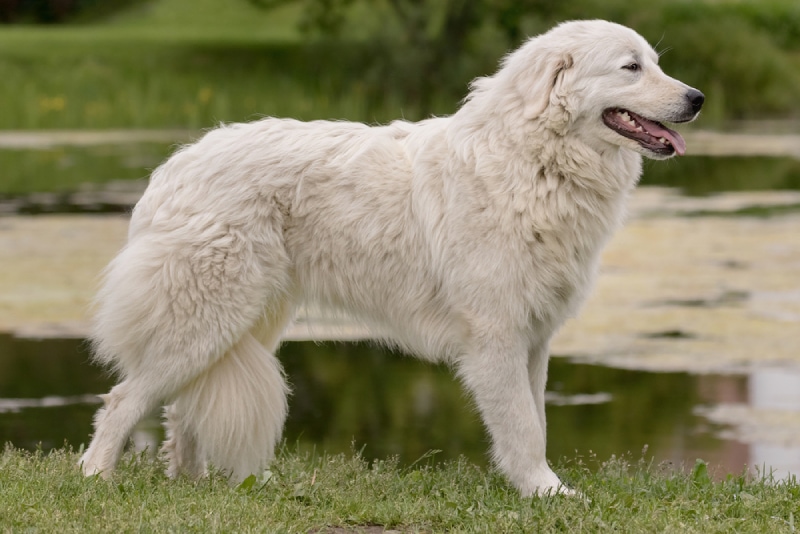
The Maremma Sheepdog is a large mountain flock dog breed native to Italy, particularly to areas like Lazio and Tuscany, where they protect livestock against predators. These pack dogs have excellent guarding instincts, and due to their protective nature, Maremma Sheepdogs need extensive socialization.
These canines have a loving spirit and are affectionate toward their families. However, they can be extremely wary of strangers and could become aggressive if you don’t socialize them properly. With proper socialization, Maremma Sheepdog can get along with other pets, especially if the animals were raised alongside each other.
These dogs are highly intelligent but can often be unwilling to listen and take orders, which is why they require a strong leader who will help them adapt and learn through positive reinforcement.
Exercise & Training
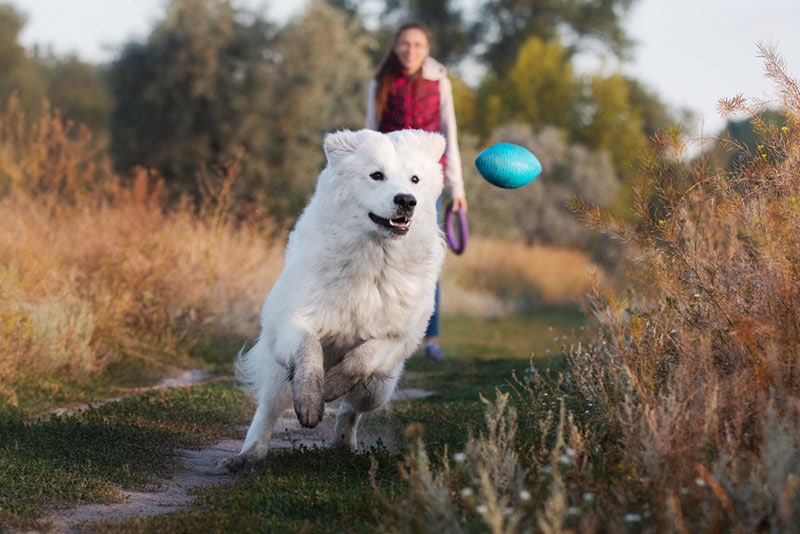
Due to their large size and high activity level, the Maremma Sheepdog needs at least 2 hours of exercise per day to stay in good shape. These canines thrive on physical and mental stimulation, so they require multiple daily walks, along with several play sessions. You should also find opportunities where your dog can indulge their protective side, as these dogs will herd other animals and even kids.
When it comes to their training needs, the Maremma Sheepdog needs adequate training through positive reinforcement from a young age in order to grow into a well-mannered dog.
Although extremely intelligent, this breed can often appear aloof and overly independent, which is why they need a strong and confident leader. As long as you approach a Maremma Sheepdog firmly but gently, you’ll get yourself a well-behaved and good-natured furry companion.
Health & Care
Maremma Sheepdogs are generally healthy, with lifespans between 9 and 10 years, although some can live even longer. These dogs are typically not prone to specific health problems, though they could experience the following issues during their life:
- Hip dysplasia
- Elbow dysplasia
- Eye problems
Otherwise, the Maremma Sheepdog is considered a healthy breed with no genetic problems.
These dogs require moderate maintenance to keep in good shape. Their thick, straight, long coats shed moderately from time to time and require weekly brushing. However, Maremma Sheepdogs shed excessively during the shedding season, which is when they require more maintenance than usual.
You should also regularly bathe them, clean their ears and eyes, and trim their nails.
Suitable For:
The Maremma Sheepdog is suitable for anyone looking for a protective, active, and loyal dog. These canines are extremely intelligent and loving, and they don’t require much care, which is why they can make excellent companions for active families.
Due to their size, these dogs are unsuitable for people living in small spaces, and their temperament prevents them from being the perfect pet option for first-time dog owners. Instead, the Maremma Sheepdog needs an experienced owner who can develop a bond with their canine but still shows authority.
Pros
- Intelligent and affectionate
- Loyal and independent
- Excellent guard dog
- Not overly high maintenance
- Great pets for active families
Cons
- Not suitable for small living spaces
- Not the best pet choice for families with other dogs
- Overly active for some people
- Could become aggressive toward strangers
- Requires experienced owners

Great Pyrenees Overview
Personality & Character
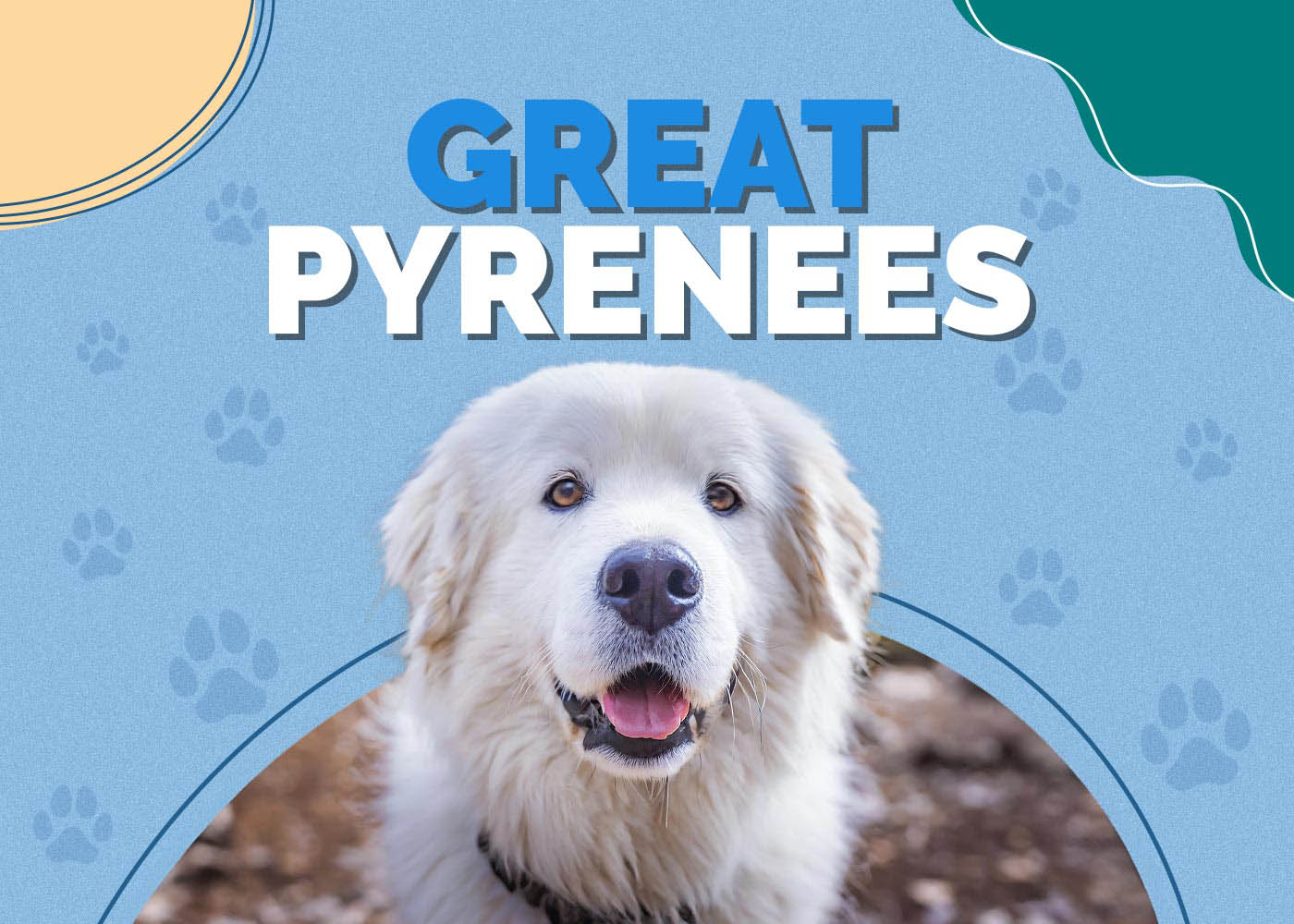
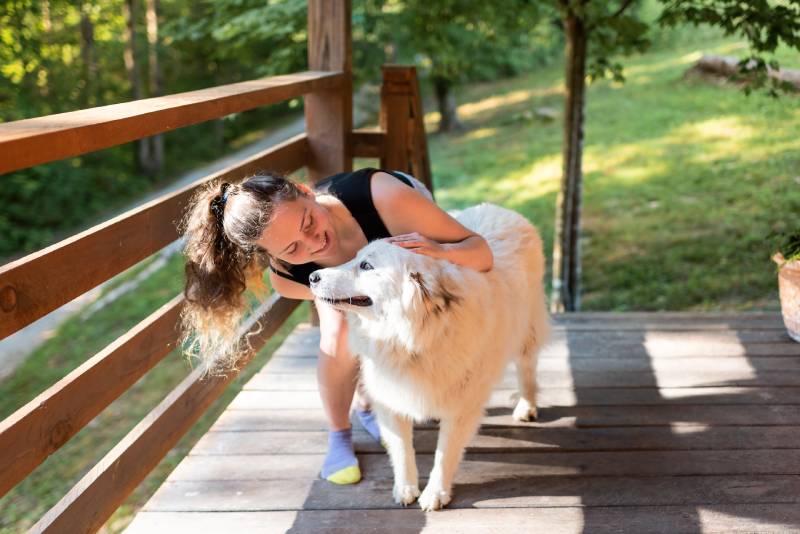
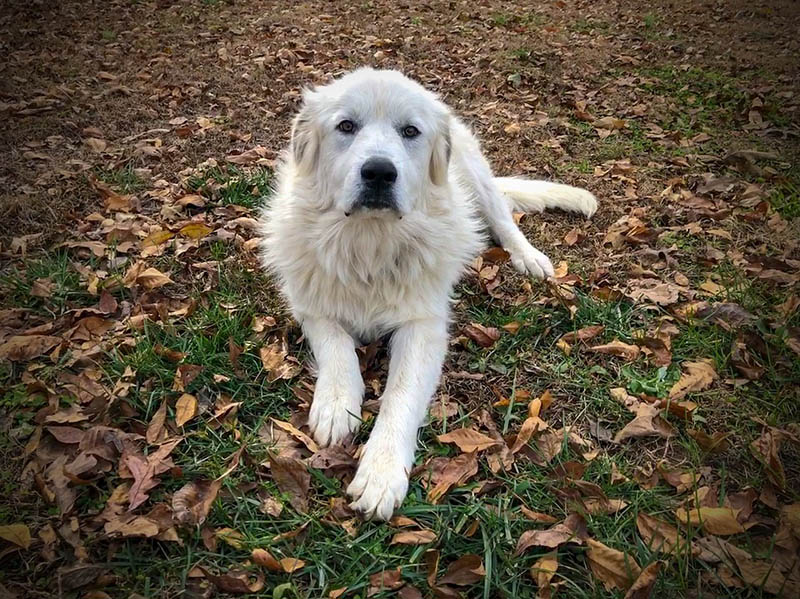
The Great Pyrenees is a playful, majestic breed that originated along the border between France and Spain, or more precisely, the Pyrenees Mountains. These canines make excellent watchdogs and can be the perfect family pet for people looking for an active and energetic dog.
When properly socialized from a young age, Great Pyrenees can be extremely social and loyal, and they won’t be afraid to show love to you and your family. They can be good around kids but tend to be reserved when around other pets, especially dogs.
This dog breed is highly intelligent but independent, which is why these dogs should have skillful and experienced owners.
Exercise & Training
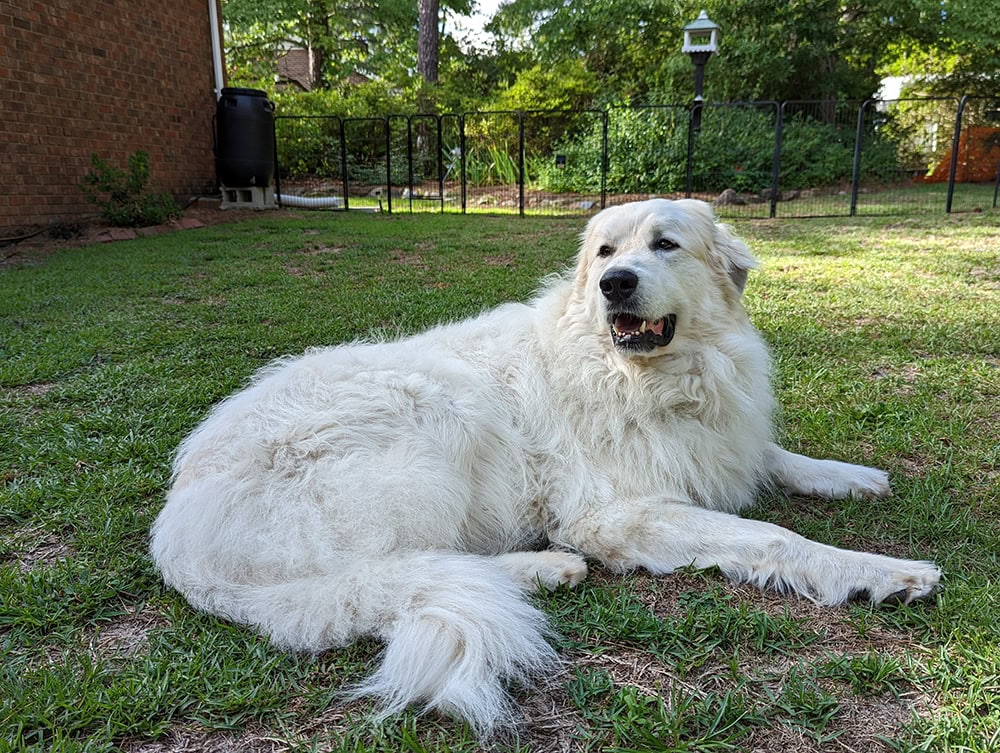
When it comes to their exercise needs, the Great Pyrenees is an active breed that requires around 1 hour of exercise per day that can be divided into multiple walks, play sessions, and other interesting things that your dog likes to do. This breed usually enjoys running, hiking, playing fetch, and similar activities with plenty of physical and mental stimulation.
The Great Pyrenees is quite stubborn and independent, and combined with their intelligence, these traits can often make them hard to train. These dogs don’t see a point in following your instructions, so you’ll need to be firm but positive to get your Great Pyrenees to listen to you.
Health & Care
The Great Pyrenees is considered a generally healthy breed, with a lifespan between 10 and 2 years, and they are not prone to many genetic problems besides hip and elbow dysplasia.
It’s also possible for these dogs to experience bloat, neurological and immune-mediated disorders, and luxating patella, though these problems are not that common.
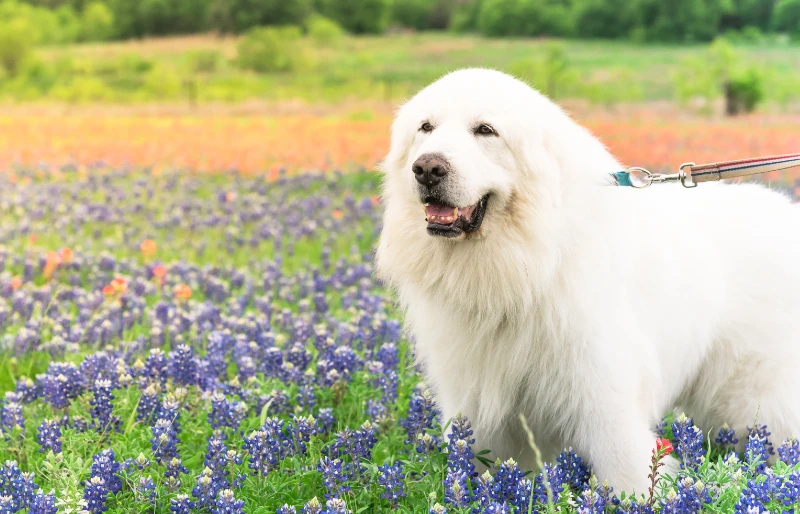
While the Great Pyrenees have long, white fur, it doesn’t require as much maintenance as it may seem at first. Brushing once a week should be enough to keep their coats in good shape. However, you should keep in mind that these dogs do shed excessively, especially during the shedding season.
Suitable For:
The Great Pyrenees is a breed with a docile temper and a calm nature, making them the perfect family dog. These dogs can easily fit into any family with a space large enough to support their size and needs.
While attentive, this breed is not overly active, so they are also an excellent pet choice for those looking for a dog that doesn’t require too much exercise.
However, these dogs require experienced owners and are only for those with past experience with dogs. Also, the Great Pyrenees is not the best dog for people with other dogs, as they can often be wary of other animals.
Pros
- Good family pet
- Excellent watchdog
- Loyal, intelligent, and independent
Cons
- Not suitable for small living spaces
- Not the best pet choice for families with other dogs
- Requires experienced owners
- Sheds excessively during the shedding season
The Biggest Differences Between the Maremma Sheepdog and the Great Pyrenees
Appearance
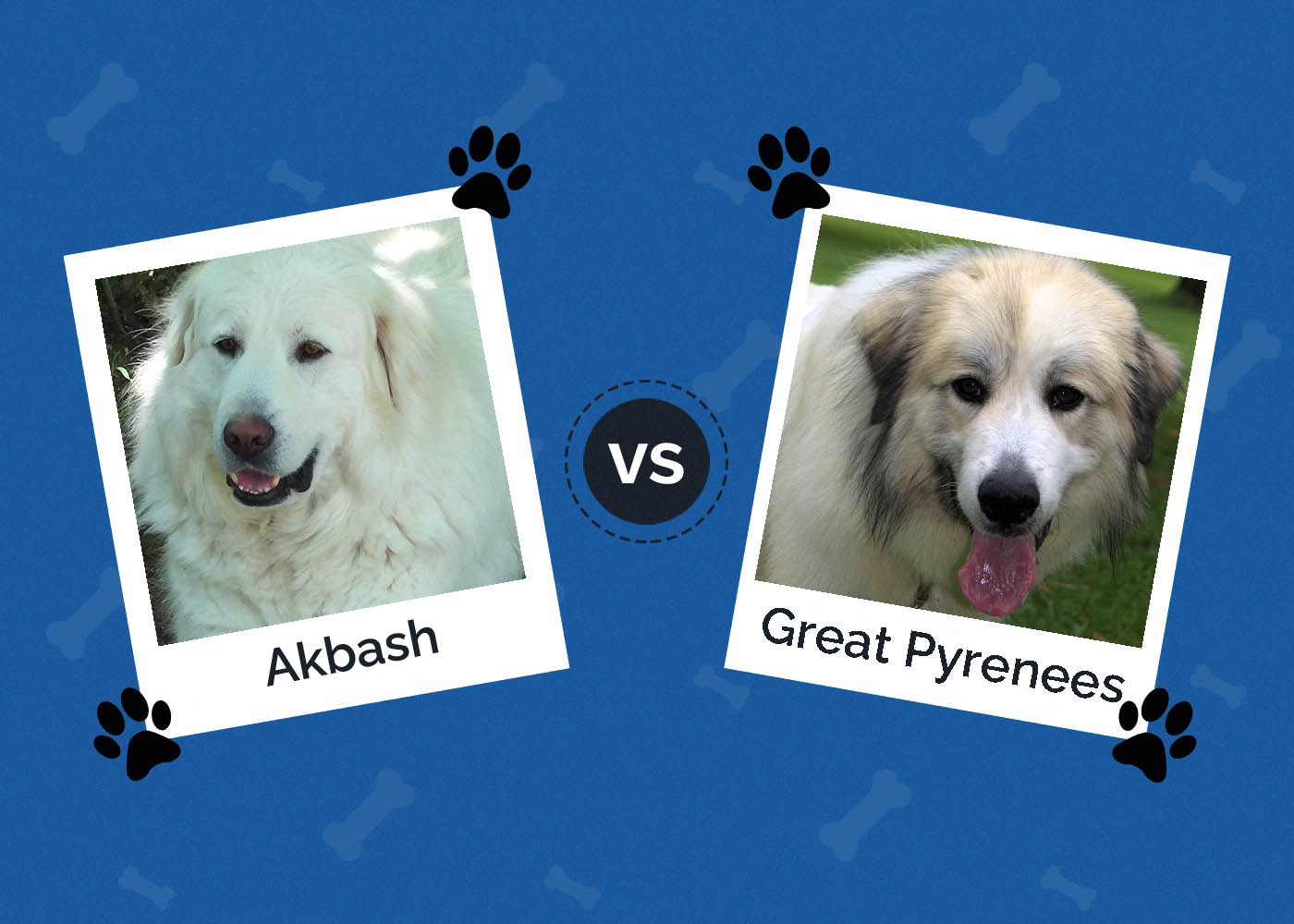
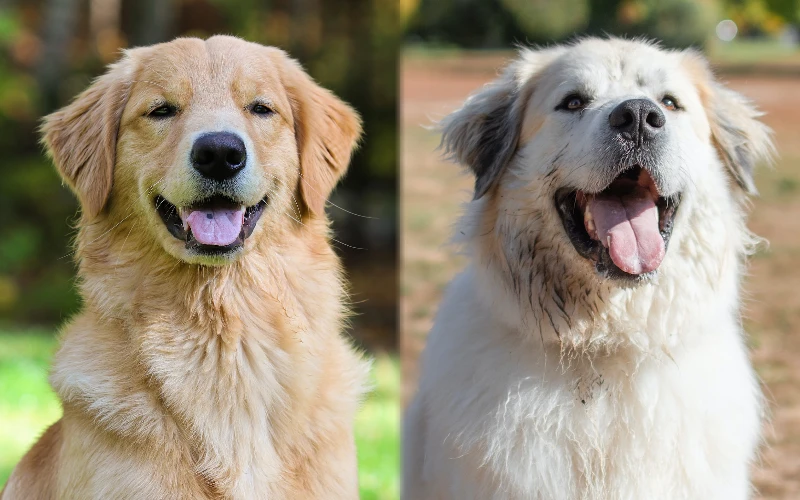
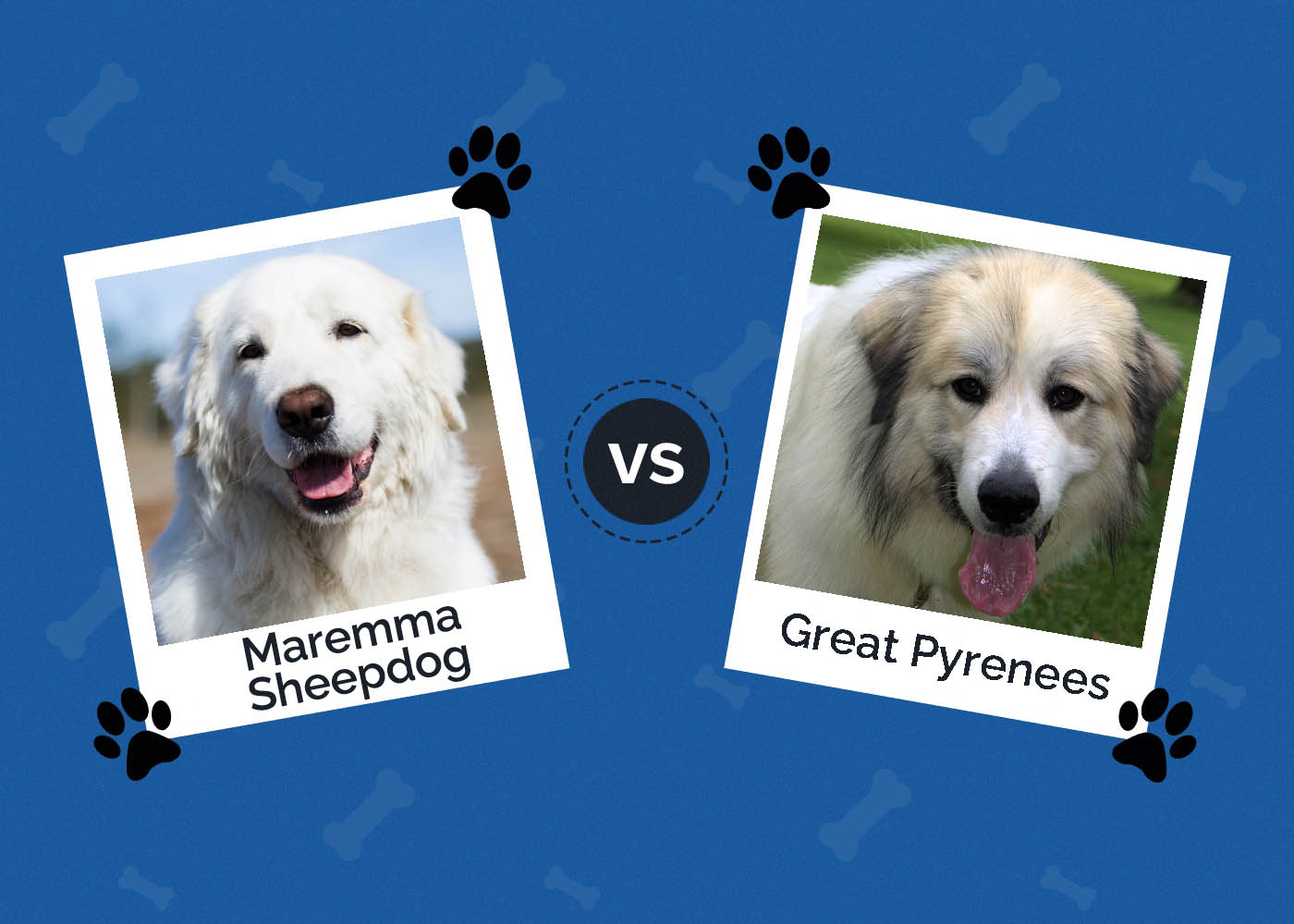
While the Maremma Sheepdog and the Great Pyrenees look very much alike, their appearance is actually one of their biggest differences.
The Great Pyrenees is larger and heavier than the Maremma Sheepdog. They both have similar coats, but the Maremma Sheepdog strictly comes in white, while the Great Pyrenees can be white or cream or have tan/gray patches on their bodies.
Temperament
Both breeds are considered loyal, loving, protective, and family friendly, and both require experienced owners who have had prior contact with dogs.
That said, the Great Pyrenees is typically considered a better pet option than the Maremma Sheepdog. They are usually better and easier at adapting to new people, situations, and overall new environments. They’re also usually less stubborn than Maremma Sheepdog and easier to train, making their care a bit less of a hassle.

Which Breed Is Right for You?
Overall, both the Maremma Sheepdog and the Great Pyrenees can make good pets; it all comes down to what kind of dog you’re looking for.
Either breed can be a great family pet for people living in large spaces where these dogs can have their freedom. As long as you have the needed experience, patience, and dedication for these canines, they will become your loving companions and guard you and your loved ones for life.
https://www.akc.org/expert-advice/lifestyle/9-facts-great-pyrenees/
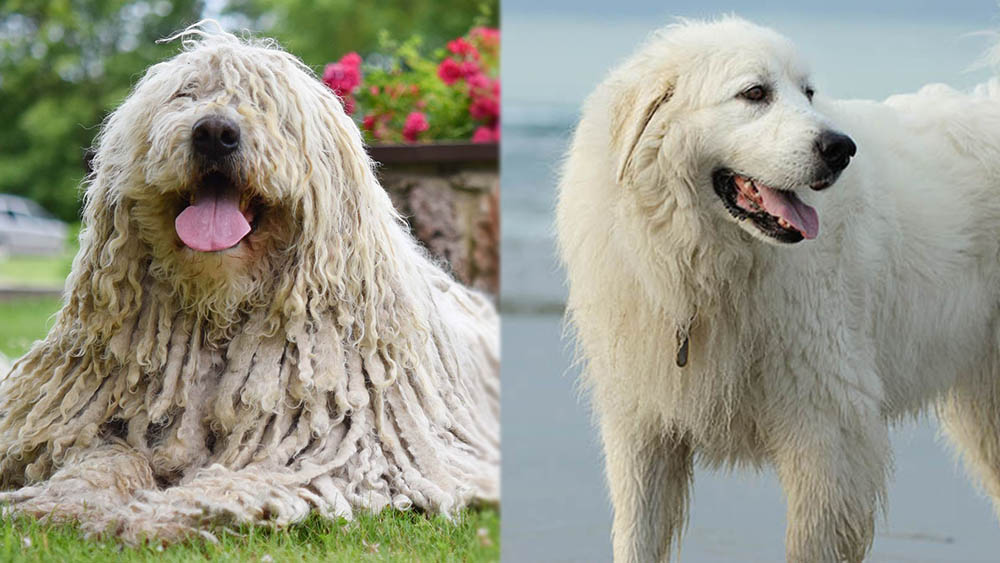
Featured Image Credit: (L) Anastasiia Cherniavskaia, Shutterstock | (R) Susie Prentice, Shutterstock
Get Hepper In Your Inbox


Pet care tips from our vets and experts, straight to your inbox.
You may opt-out at any time. View our Privacy Policy for more information.

Visnja is a content writer that covers various topics such as DIY, pets, home improvement, travel, gardening, and more.
She is a young mom and a college student, who didn’t have enough time to balance her personal and work life, so after multiple years of working a regular 9 to 5 job, she decided to pursue her passion and make a living out of it. She has been writing for a couple of years, helping people find valuable and interesting information online.
Join the conversation
Ask a question, share your story, or send private feedback.