Hepper is reader-supported. When you buy via links on our site, we may earn an affiliate commission at no cost to you. Learn more.
Can Bearded Dragons Eat Ants? Vet Approved Nutrition Advice


In this article
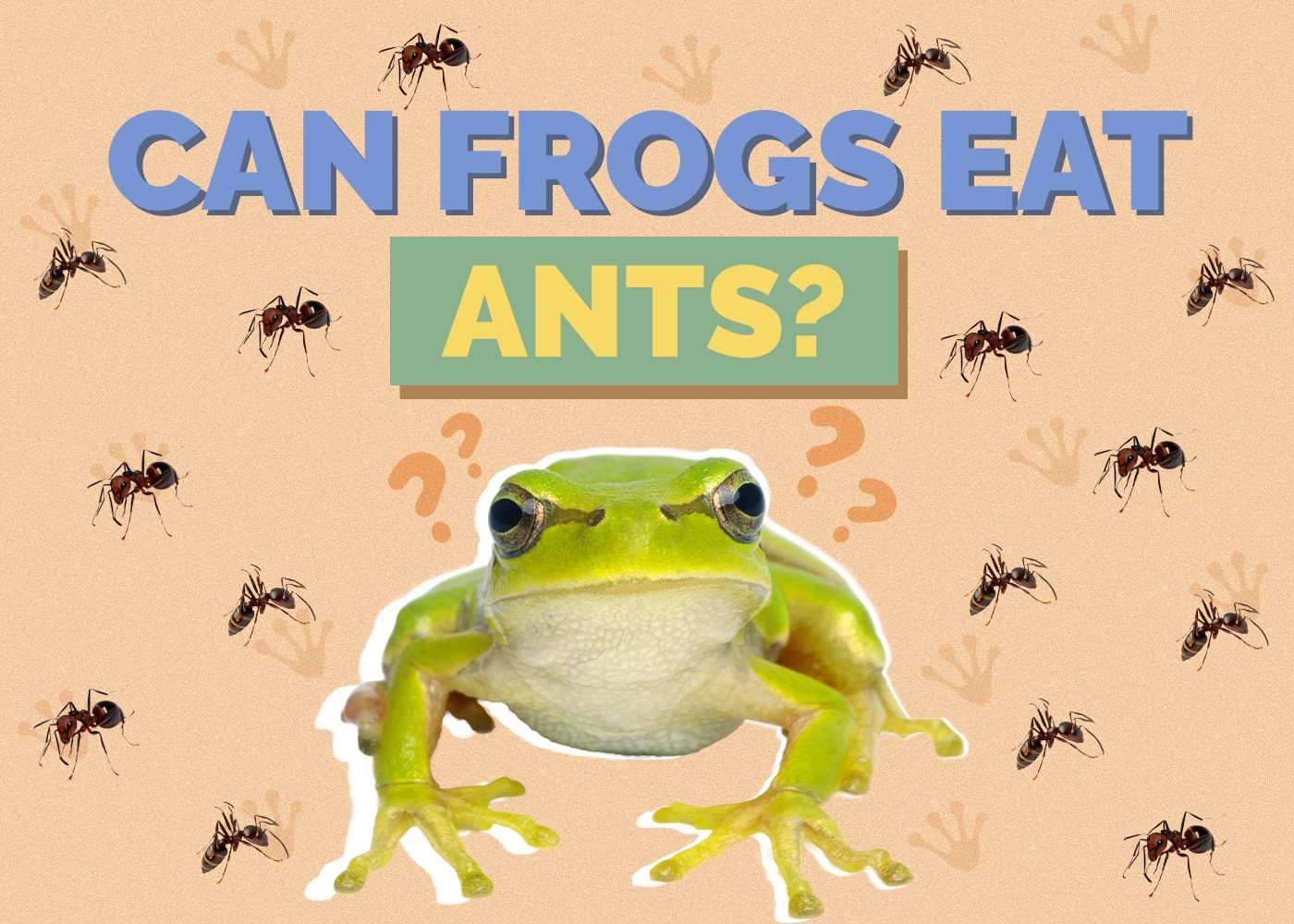
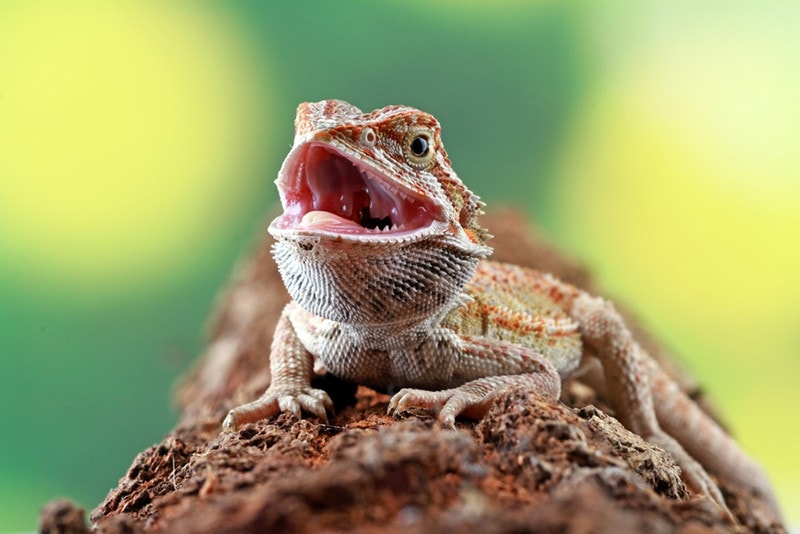
Imagine being a bearded dragon, lounging in a carefully temperature-controlled terrarium, occasionally darting out a surprisingly long, sticky tongue to snatch up some tasty morsel. But what if that tasty morsel is an ant? Can a bearded dragon eat ants? Well, in the crunchy world of bearded dragon cuisine, the answer is yes.
Bearded dragons can indeed eat ants, but like any food, there are a few caveats and considerations. Let’s examine these now, as well as some other essentials, to ensure you provide your beardie with the best diet possible.

Ants: A Bite-Size Banquet?
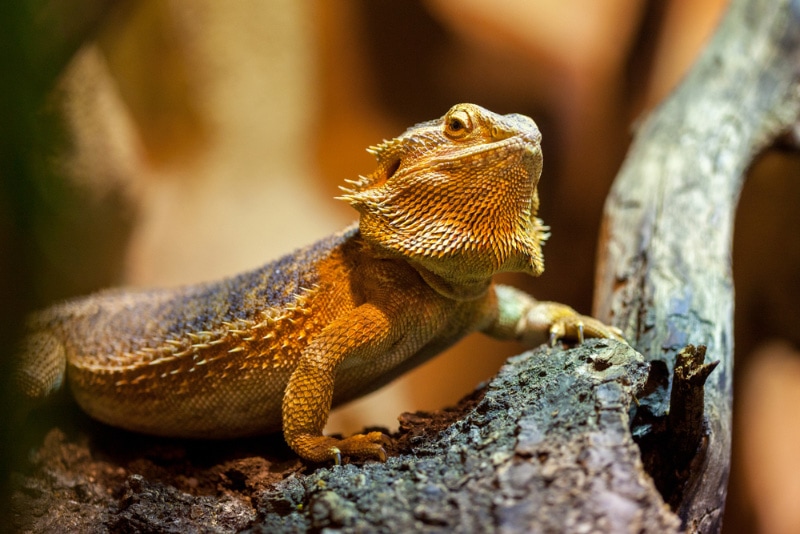
Bearded dragons, these spiky, charismatic lizards, have a diet that often leaves their human caretakers bewildered. Their menu in the wild Down Under includes an assortment of fruits, veggies, and creepy crawlies like ants. So, you might think that including ants in your pet’s diet is a nod to their natural eating habits.
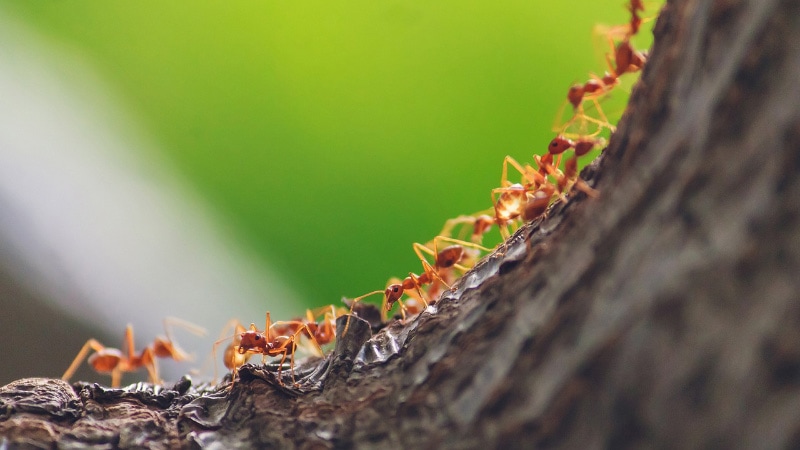
But hold on a minute! Feeding ants to your bearded dragon isn’t as simple as scooping up a handful of ants from your backyard. Certain species, like fire ants or carpenter ants, can pose a threat to your scaly friend due to their potential to sting or carry diseases.
Therefore, it’s crucial to source ants from reputable suppliers who ensure their insects are safe and nutritious for pets. It’s a good idea to research suppliers online and compare them. Once you’ve found one that meets your satisfaction, stick with them.
Nutritional Consideration: What’s in an Ant?
When looking at an ant, it’s hard to imagine that such a tiny creature could offer much nutrition. But believe it or not, these miniature marvels can be a decent source of protein for your bearded dragon.
They also contain small amounts of calcium, iron, various vitamins, and other minerals. Plus, they serve as a source of hydration due to their water content.
However, while ants might offer a unique dining experience for your bearded dragon, they shouldn’t be the main course. The nutritional content of ants falls short when compared to other insects like crickets and mealworms. That’s why ants should only make up a small part of your dragon’s overall diet.
What Are the Risks of Eating Ants?
Despite their potential benefits, ants also come with risks. Depending on the species, some ants may contain harmful chemicals or parasites. These unwelcome guests can lead to health issues in bearded dragons if ingested.
In addition to the previously mentioned fire ants, red ants are also deemed unsafe for beardie consumption by many experts. Aside from ant types, it’s also important to consider that ants have a hard outer shell called an exoskeleton.
If eaten in large quantities, it could lead to impaction—a serious digestive issue in bearded dragons. Thus, it’s essential to offer ants in moderation and ensure your dragon is properly hydrated.
Tips for a Healthy Bearded Dragon Diet
Even though ants can be a quirky addition to your bearded dragon’s diet, it’s essential to remember that they should be part of a balanced and diverse menu. Let’s review some useful tips to keep in mind when planning your scaly friend’s meals:
- Diversify, Diversify, Diversify: Variety is as vital for bearded dragons as it is for us humans. Be sure to include different food items like fruits, vegetables, and insects in their diet. This ensures your dragon gets a mix of nutrients necessary for their health.
- Strike a Balance: Bearded dragons are omnivores, meaning they eat both plants and animals. Generally, a young dragon’s diet should consist of around 80% insects and 20% plant matter. However, as your dragon ages, this ratio should flip to about 20% insects and 80% plant matter.
- Gut-load Insects: Always gut-load insects like ants, crickets, and mealworms before feeding them to your bearded dragon. Gut-loading is when you feed the insects nutritious foods that will, in turn, benefit your dragon.
- Calcium and Vitamin D3 Are Vital: Bearded dragons require calcium and vitamin D3 for bone health. You can dust their food with a calcium supplement, and UVB light exposure can help them synthesize vitamin D3.
- Hydrate: While bearded dragons get a significant amount of their water from their food, fresh water should always be available in their enclosure.
- Watch Out for Toxic Foods: Certain foods are toxic to bearded dragons, like avocados, rhubarb, and fireflies. Always research before introducing a new food into your dragon’s diet.
- Regular Vet Checkups: Schedule regular vet visits to ensure your bearded dragon is in good health. A vet can provide specific dietary advice based on your dragon’s age, size, and health.
Ensuring your bearded dragon has a balanced diet is the foundation of its health and happiness. And remember, while ants can add an exciting crunch to your pet’s diet, they’re the equivalent of a light snack—fun but not a replacement for nutrient-dense main meals.
Conclusion
In the end, the question isn’t just about whether bearded dragons can eat ants—they can—but whether it’s beneficial or safe for them to do so. As long as you’re mindful of the type of ants you’re offering, their source, and the quantity, ants can indeed be a part of your bearded dragon’s diet.
Remember, balance is key. A healthy bearded dragon diet includes a variety of vegetables, fruits, and insects. As much as your dragon might enjoy the occasional ant, these insects should only be a small, crunchy side to the main course of a nutrient-rich, varied diet.
Now that you’re armed with this knowledge, you’re one step closer to becoming the ultimate bearded dragon parent. Happy feeding!
See Also:
Get Hepper In Your Inbox


Pet care tips from our vets and experts, straight to your inbox.
You may opt-out at any time. View our Privacy Policy for more information.
Oliver (Ollie) Jones is a zoologist turned freelance animal writer living in South Australia with his partner Alex and their mini zoo consisting of many aquatic creatures, dog Pepper, and of course, cat Steve. Ollie is originally from the USA and holds a Master's degree in wildlife biology. He hopes to share his feline knowledge and expertise with people so they can share in his passion and help their cats live their best lives.
Join the conversation
Ask a question, share your story, or send private feedback.