Hepper is reader-supported. When you buy via links on our site, we may earn an affiliate commission at no cost to you. Learn more.
Can Bearded Dragons Eat Green Beans? Vet-Approved Facts & FAQ


In this article
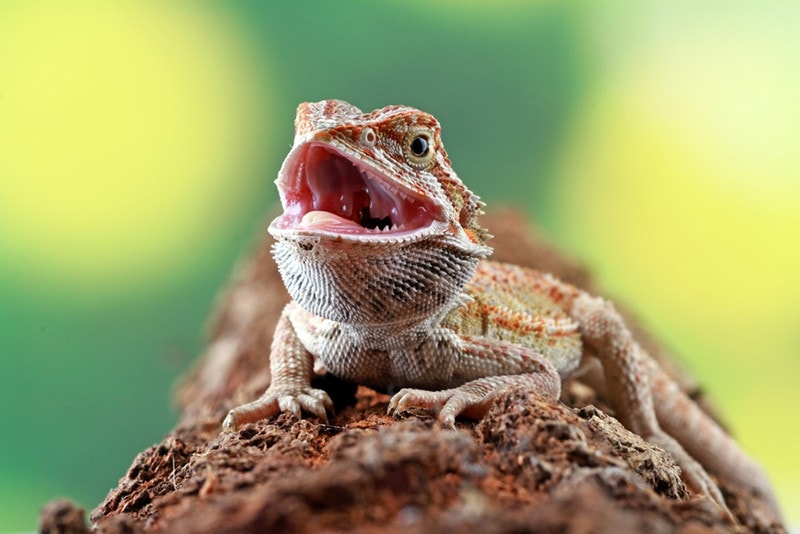
Have you ever been the object of your bearded dragon's intense gaze while you're savoring your steamed green beans at dinner? The way they watch you might have you wondering if they’re itching to take part in the green bean crunch-fest. If you're curious about whether or not your bearded dragon could share in the delight of green beans, you've come to the right place. Here, we'll explore the love affair between our bearded dragons and these vibrant green veggies!
Green beans are a welcome exception to certain fruits and vegetables that don't exactly gel with the dietary needs of a bearded dragon. To sum it up, in the captivating story of a bearded dragon's diet, green beans are the surprise protagonists, constantly elevating the plot to newer, healthier heights!

The Dietary Needs of a Bearded Dragon
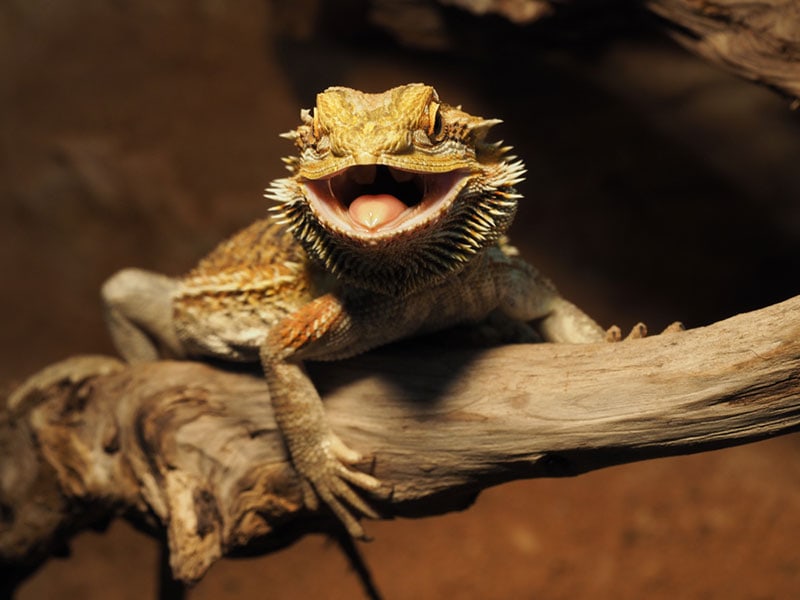
Bearded dragons, or beardies, as they are affectionately known, flourish on a dietary regimen that incorporates a well-rounded assortment of both plant-based and animal-derived sustenance. This omnivorous dietary approach is critical to meeting their varied nutritional requirements, fostering their vitality, and ensuring their well-being.
They need a robust mix of proteins and fats, which primarily come from animal sources like insects. In parallel, plant matter provides much-needed dietary fiber and a myriad of vitamins and minerals essential for their overall health. A broad variety of food sources ensures this balance is met, helping your bearded dragon maintain its vim and vigor.
The humble green bean is a surprising hero in this diverse dietary portfolio. It stands as a nutritious supplement to their meals, offering a high dietary fiber content, which aids in digestion, and a low sugar level, helping to prevent obesity and related health issues in your pet.
Adding green beans to your bearded dragon's diet, therefore, contributes significantly to achieving the nutritional harmony they need.
What Are Green Beans Made Up Of?
Taking a closer look at the composition of green beans, we uncover an array of beneficial nutrients that go far beyond their humble, crunchy exterior. High fiber content is one of the main highlights of green beans, making them an excellent addition to your bearded dragon's diet. Fiber aids in digestion, ensuring that your bearded dragon's gastrointestinal tract functions smoothly and efficiently. This can lead to fewer digestive issues and a happier, healthier pet.
When it comes to sugar content, green beans have the advantage of being relatively low. This is a significant win for bearded dragons as they require a diet low in sugar. High-sugar foods can lead to obesity and other health issues in these reptiles, much like in humans. So, including green beans as part of their meals is a smart move. It helps maintain variety while ensuring that their sugar consumption remains at a healthy level. This is achieved without sacrificing any vital nutrients.
Green beans stand out for their truly excellent nutritional content, offering a plentiful array of vitamins, including A, C, and K. Vitamin A plays a crucial role in supporting excellent vision and a strong immune system. Conversely, Vitamin C is essential for the repair and growth of tissues. Lastly, vitamin K contributes significantly to bone health and ensures proper blood clotting. When you pair these vitamins with the high fiber and low sugar attributes of green beans, it's clear to see why they are a top-choice veggie for your bearded dragon's diet.
Interestingly, green beans also hold their own in the protein department, a rather unusual characteristic for a vegetable. Though they don't provide as much protein as animal sources like insects, they contribute to the overall protein intake of your bearded dragon, aiding in their growth and muscle health.
Potential Risks of Green Beans for Bearded Dragons
Now, before you start replacing every item in your bearded dragon's menu with green beans, let's hit the brakes. While green beans are safe and beneficial for bearded dragons, they should not become a staple of their diet. Too many of these crunchy delights can lead to nutrient imbalances, particularly given their high Vitamin A content. A balanced approach—rotating between different safe veggies, fruits, and insects—is the healthiest approach.

Vitamin A and Your Bearded Dragon
Vitamin A plays a crucial role in the health of bearded dragons. This vital nutrient supports their vision, immune function, and overall growth. It's integral to their diet, and a deficiency can lead to severe health problems. However, the relationship between bearded dragons, Vitamin A, and foods like green beans is a nuanced one. Understanding the balance between too much and too little Vitamin A is essential for optimal health.
Though it is uncommon, there's a condition called Hypervitaminosis A, or an overabundance of Vitamin A, that could potentially affect your bearded dragon if they consume too much of it or their meals lack variety. The symptoms to look out for include diminished appetite, swollen eyelids, and noticeable skin changes.
Green beans, which are rich in Vitamin A, should be given to your bearded dragon in moderation and should always be part of a variety of other dietary options. As previously mentioned, it's crucial to maintain diversity in their diet. Relying very heavily on green beans or honestly any other single food source could result in an overconsumption of certain nutrients, with Vitamin A being included.
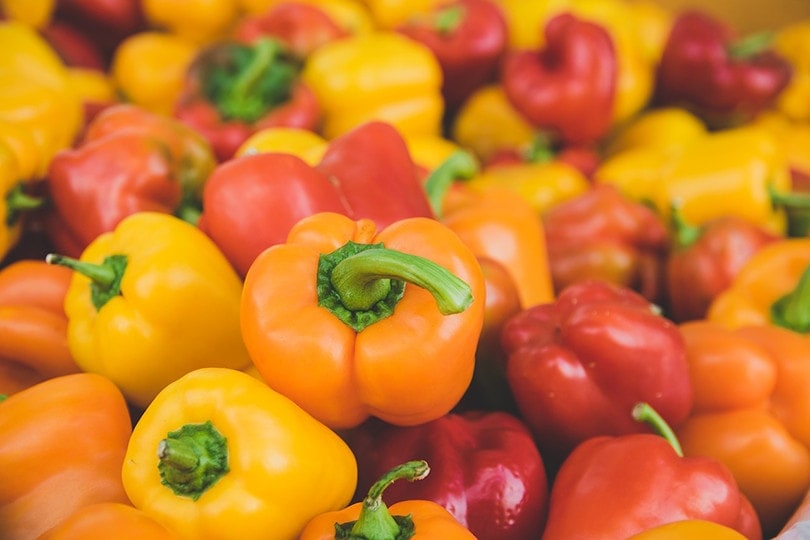
On the flip side, not having enough Vitamin A, a condition known as Hypovitaminosis A, can also be harmful. The signs of this deficiency include uncomfortable eye swelling, a steady reduction in appetite, and a slow or lethargic disposition. By providing your bearded dragon with a well-rounded diet that alternates between foods rich in Vitamin A such as green beans, bell peppers, and various dark leafy greens, you can typically prevent this deficiency.
What Can My Bearded Dragon Eat?
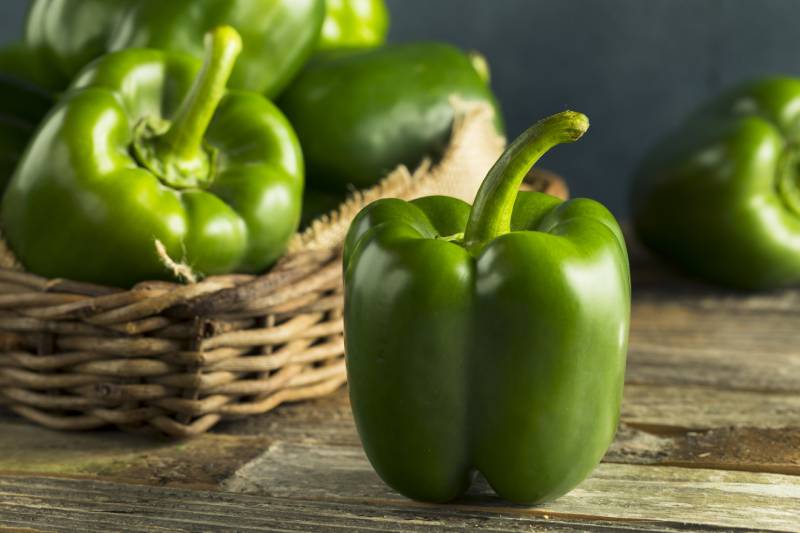
In addition to green beans, there are a plethora of foods you can offer to your bearded dragon. Bell peppers, for instance, can make a delightful, colorful addition to their diet. And what about leafy greens? Mustard greens, turnip greens, and even collard greens are high in essential nutrients and can serve as the foundational veggies in their diet.
Then, of course, there are insects. Crickets, mealworms, and other similar insects provide a tasty source of protein that your bearded dragon will go nuts for!
The variety of foods your bearded dragon can enjoy goes beyond just this. Adding other fruits and veggies, like apples, carrots, and squash, to your bearded dragon's meal plan can provide additional diversity and nutrients. For an occasional special treat, you might consider berries like strawberries and blueberries.
However, remember to always maintain balance and moderation in their diet. The majority of a bearded dragon's meals should be made up of animal-based proteins and leafy greens, while fruits, including those tantalizing berries and starch-heavy veggies, should be given sparingly due to their elevated sugar content.
So, as you see, the world of culinary options for your bearded dragon extends far beyond the green beans that started this journey. It's all about striking a balance, offering a range of foods to meet their nutritional needs, and keeping things diverse to engage their interest. Who knew your bearded dragon could have such a gourmet palate?
Conclusion
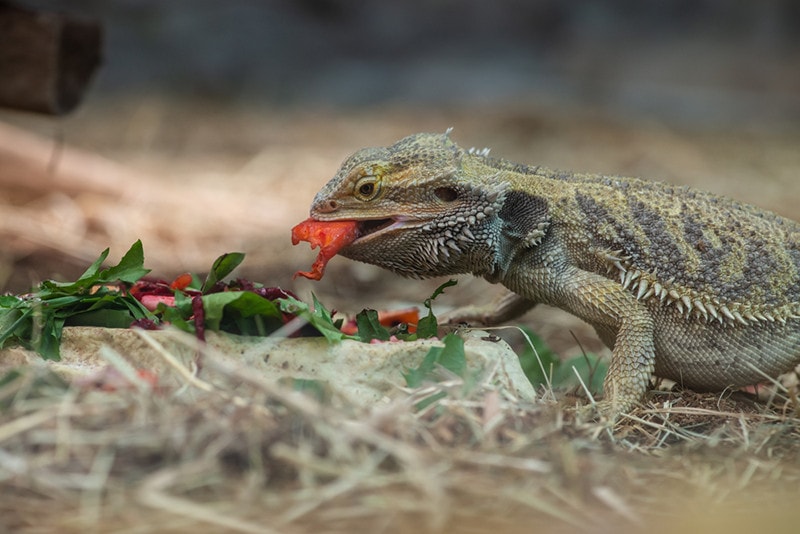
Seeing your bearded dragon snack on a green bean is quite a delightful sight, but it's important to keep the notion of diet diversity at the forefront. Sure, green beans can be a healthy part of their food plan, but a balanced diet for your little friend should also incorporate an array of fruits, vegetables, and insects to guarantee they receive all necessary nutrients.
Picture this: you're savoring those tasty green beans, and you catch your bearded dragon's keen gaze fixed on you. Don't shy away from treating them to a small, properly prepared bite. However, always remember that it's not just about letting them enjoy your green bean feast; it's equally vital to introduce them to a variety of other safe, wholesome food choices. Doing so will ensure that they have a well-rounded diet to keep them fit and content for the many years they share with you.
Continue to devise those appealing meal plans for your bearded dragon. They rely on you to supply them with the diverse and palatable diet that they require for a long, healthy life!
See Also:
Sources
Featured Image By: Nicole Lienemann, Shutterstock
Get Hepper In Your Inbox


Pet care tips from our vets and experts, straight to your inbox.
You may opt-out at any time. View our Privacy Policy for more information.
Melody Russell is an experienced pet enthusiast with a background in the animal care industry. She has worked at a zoo, served as a dedicated pet sitter, and has a passion for breeding and raising leopard geckos. As a versatile freelance writer, she excels in various genres, crafting captivating stories, informative articles, and engaging social media content. You can find her cat page, TheCommonKitties_, on Instagram, where she shares the adorable antics of her beloved feline companions. With her practical expertise and creative flair, she is eager to contribute her skills in pet care and writing to make a positive impact on the lives of animals.
Join the conversation
Ask a question, share your story, or send private feedback.