Hepper is reader-supported. When you buy via links on our site, we may earn an affiliate commission at no cost to you. Learn more.
Can Bearded Dragons Eat Celery? Vet-Approved Nutritional Facts



In this article
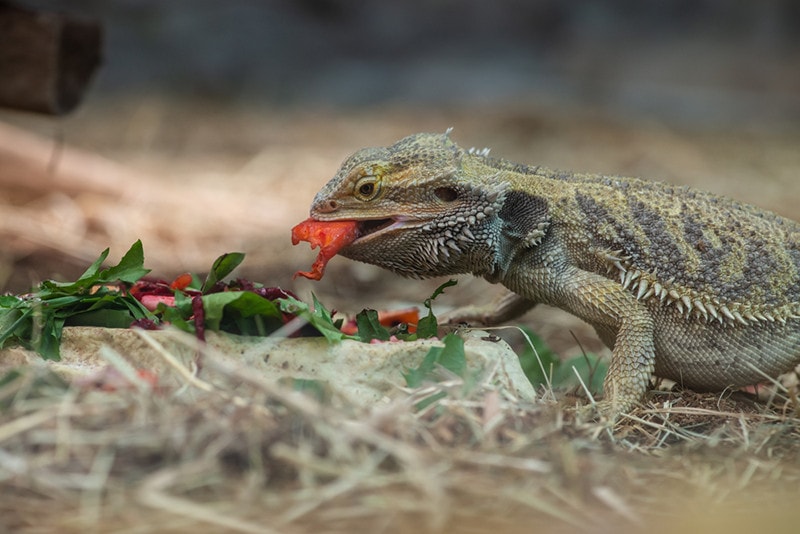
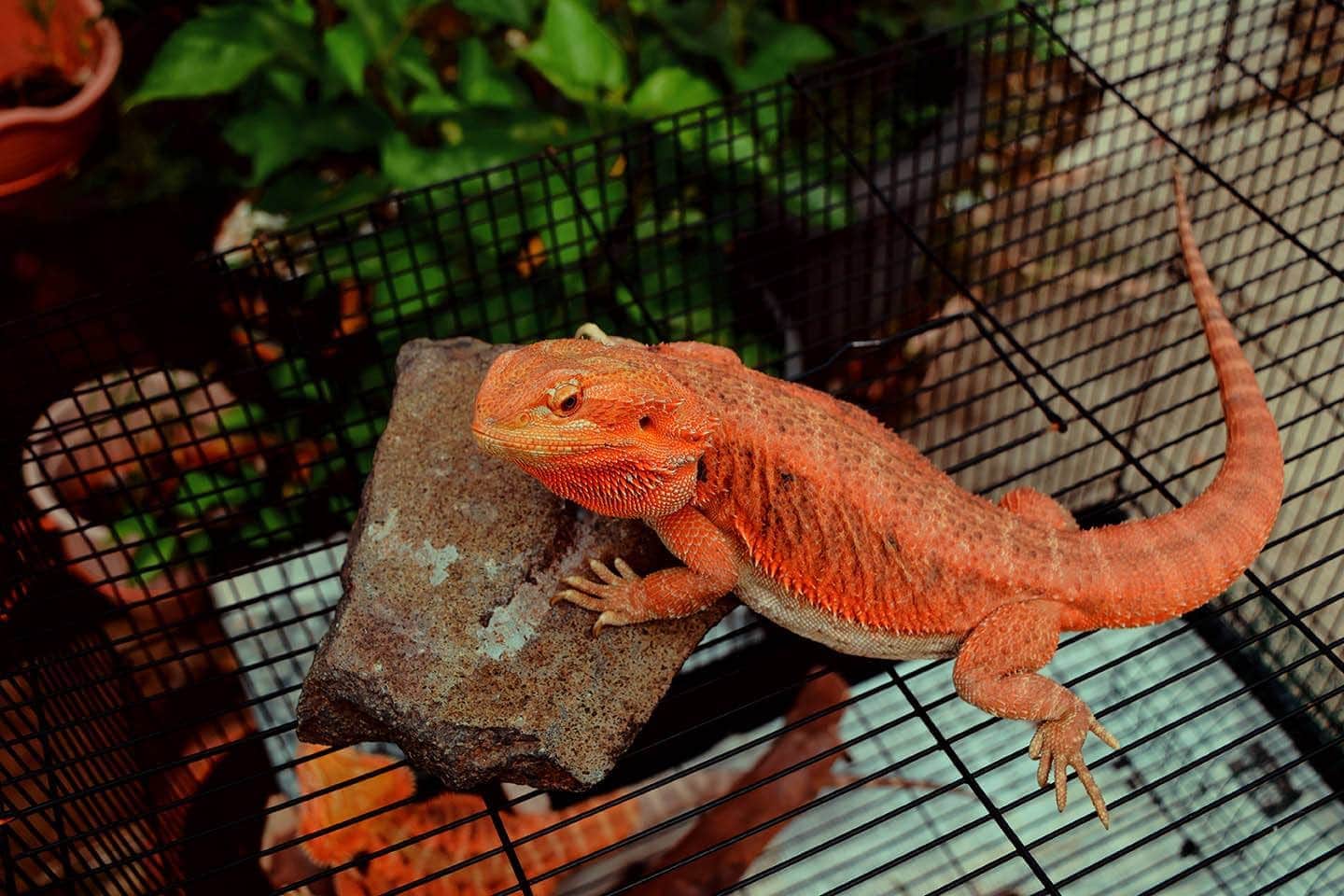
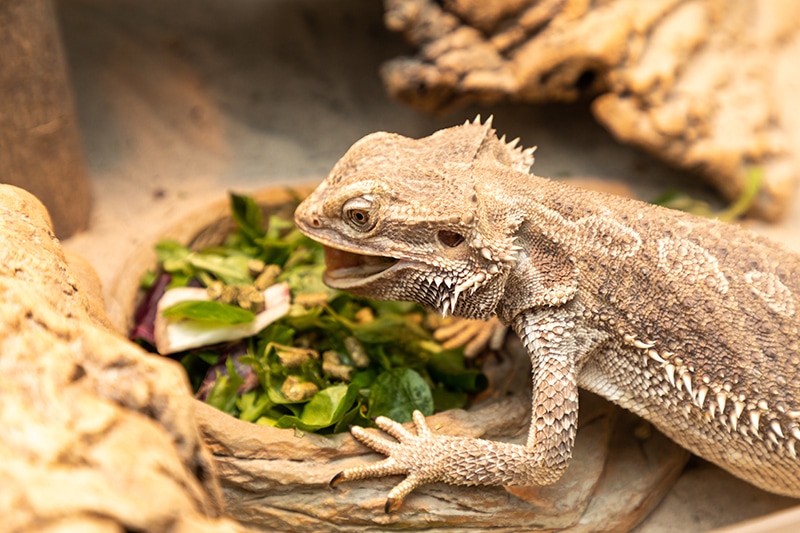
Bearded dragons are omnivorous reptiles, meaning they eat both plant and animal material. While young beardies eat primarily insects and few vegetables, the reverse is true for adults. If your pet is transitioning to a more veggie-based diet, you might wonder what options are best to offer. Take celery, for example. This healthy and versatile vegetable is popular in both raw and cooked forms in the human diet, but is it a safe option to share with your beardie?
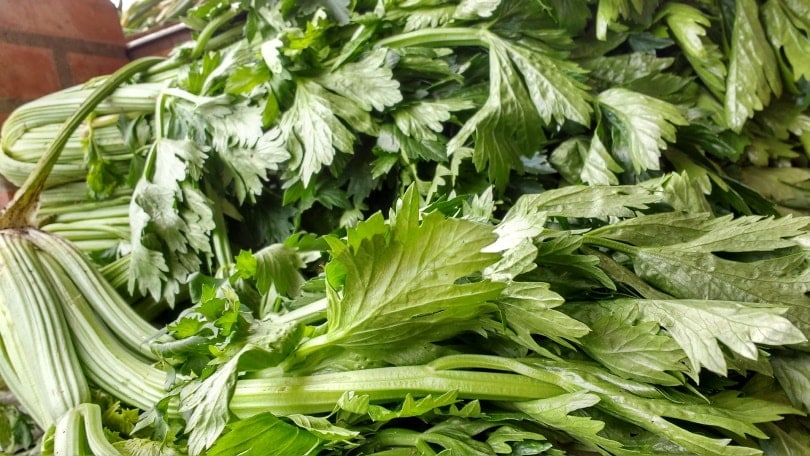
Celery has a lot of nutritional benefits for your bearded dragon, so it’s something you can safely offer occasionally, but it shouldn’t be given every day. Read on to learn more.

The Benefits of Celery for Bearded Dragons
1. Optimal Calcium-to-Phosphorus Ratio
Bearded dragons need both calcium and phosphorus for proper growth and development. It is critical, however, that your pet’s calcium-to-phosphorus ratio is correct; otherwise, your beardie may run into health issues.
When eaten, phosphorus binds to undigested calcium, making calcium unavailable for absorption. This leaves your beardie with higher phosphorus levels than calcium, creating a calcium deficiency. Beardies deficient in calcium may be at risk of health issues like metabolic bone disease (MBD).
The ideal calcium-to-phosphorus ratio is 2:1, or two milligrams of calcium for every one milligram of phosphorus. Celery meets this critical ratio, so it’s perfectly suitable for your beardie on this front.
2. Vitamin Content
Celery contains several vitamins, including vitamins A, K, and C, all of which your beardie needs to maintain optimal health.
- Vitamin A maintains epithelial tissues and is necessary for vision health, growth, and immune function.1
- Vitamin K helps with calcium and phosphorus metabolism in the bones.
- Vitamin C is necessary for the formation of connective tissues and is an antioxidant.
3. Low Sugar Content
Too much sugar in a bearded dragon’s diet can cause it to become overweight. Just as with humans, beardies that weigh too much are at risk of various health conditions. Extra weight stresses their bones and joints, putting them at risk for arthritis. Being heavier makes it difficult for beardies to move around their environment, reducing their physical activity and potentially causing further weight gain.
4. High Water Content
Bearded dragons don’t need to drink much water, but it’s essential for many body processes, including the digestive system. Celery is 95% water, providing your beardie with a fantastic source of hydration.
5. High Fiber Content
Celery is high in fiber, offering 1.5 grams in a one-cup serving. Although it’s not likely your beardie will be eating a full cup of celery at one time, it can still be a good source of fiber. Dietary fiber is a non-digestible carbohydrate that can aid with digestion.
Are There Risks Associated With Celery for Beardies?
Celery has a moderate level of oxalates. While oxalates are okay in small doses, it’s best not to offer too many high oxalate foods to your beardie. Oxalates bind with calcium in the body, preventing it from being absorbed into the bloodstream. Consistently feeding higher oxalate veggies can cause your beardie’s calcium supply to deplete over time, potentially leading to MBD. It can also contribute to the development of kidney and bladder stones.
How to Offer Celery to Your Beardie
You should only offer raw celery, and you’ll prepare it in much the same way for your beardie as you do for yourself.
Can a Beardie Have Celery Every Day?
While celery has some health benefits noted above, it is predominantly water. Your beardie needs more nutrient-rich vegetables to be part of their daily diet. The best staple veggies for bearded dragons include:
- Arugula
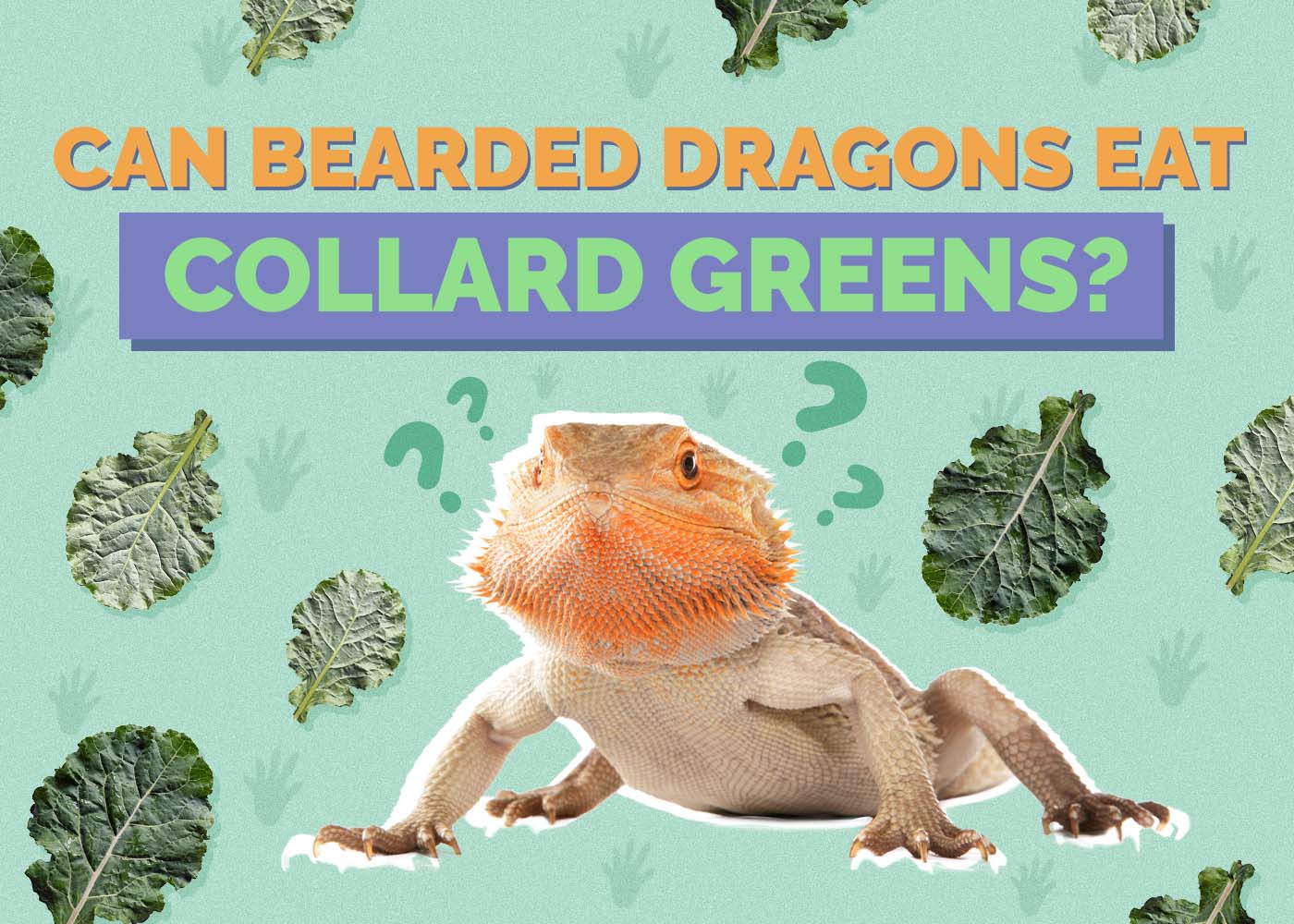
- Collard greens
- Bok choy
- Escarole
- Mustard greens
- Prickly pear
- Turnip greens
Final Thoughts
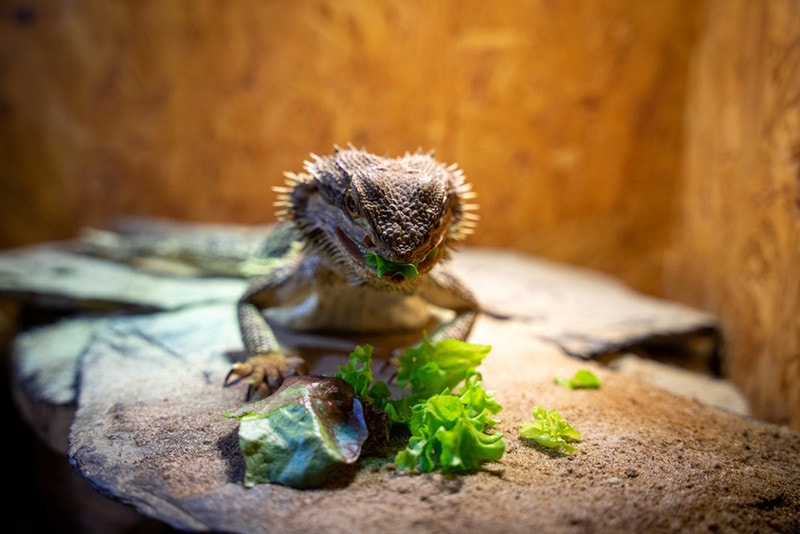
Celery is a perfectly fine vegetable to offer your beardie occasionally. While it’s high in water and does contain some vitamins and minerals, celery is too sparse in nutrients to offer daily. Additionally, its moderate oxalate content makes offering too frequently or in large quantities dangerous.
See Also:
Sources
Featured Image Credit: inewsfoto, Shutterstock
Get Hepper In Your Inbox


Pet care tips from our vets and experts, straight to your inbox.
You may opt-out at any time. View our Privacy Policy for more information.
Chantelle's life revolves around two passions: writing and animals. Raised on the prairies of Canada amidst a menagerie of pets, she now lives with five cats, two guinea pigs, and a bearded dragon. Together with her husband and child, Chantelle delights in being an exemplary animal parent, going as far as installing wall-mounted cat shelves to give their cats an indoor playground. When she's not cozying up with her cats or snapping their amusing antics, she enjoys venturing into the Rocky Mountains, binge-watching her favorite Netflix shows, and indulging in spontaneous reading adventures.
Join the conversation
Ask a question, share your story, or send private feedback.