Hepper is reader-supported. When you buy via links on our site, we may earn an affiliate commission at no cost to you. Learn more.
Can Bearded Dragons Eat June Bugs? Vet-Reviewed Facts & Diet Tips


In this article
A portion of a bearded dragon’s diet needs to consist of live insects. Commonly, this includes Dubia roaches and crickets, while mealworms and superworms are considered good treats. With beardies being allowed such an array of live insects, it is understandable that owners might wonder whether they can also eat bugs like June bugs.
Bearded dragons can eat June bugs occasionally, but they probably shouldn’t be fed them regularly because they are high in fat and wouldn’t form part of a beardie’s natural diet in the wild.

Can Bearded Dragons Eat June Bugs?
June bugs are found throughout North America, Europe, and Asia, but they aren’t found in Australia, where bearded dragons come from. As such, June bugs would not form part of a beardie’s natural diet. This alone doesn’t mean that they are bad for bearded dragons, and they are not considered toxic or directly dangerous to beardies.
While they aren’t toxic to bearded dragons, June bugs are higher in fat, especially when compared to typical feeder insects. Feeding too many June bugs, too often, can cause your bearded dragon to gain excess weight, which can lead to other health problems. Therefore, it might be fine if your beardie eats the occasional June bug, but you shouldn’t encourage it, and June bugs certainly shouldn’t replace feeder insects.
What Are June Bugs?
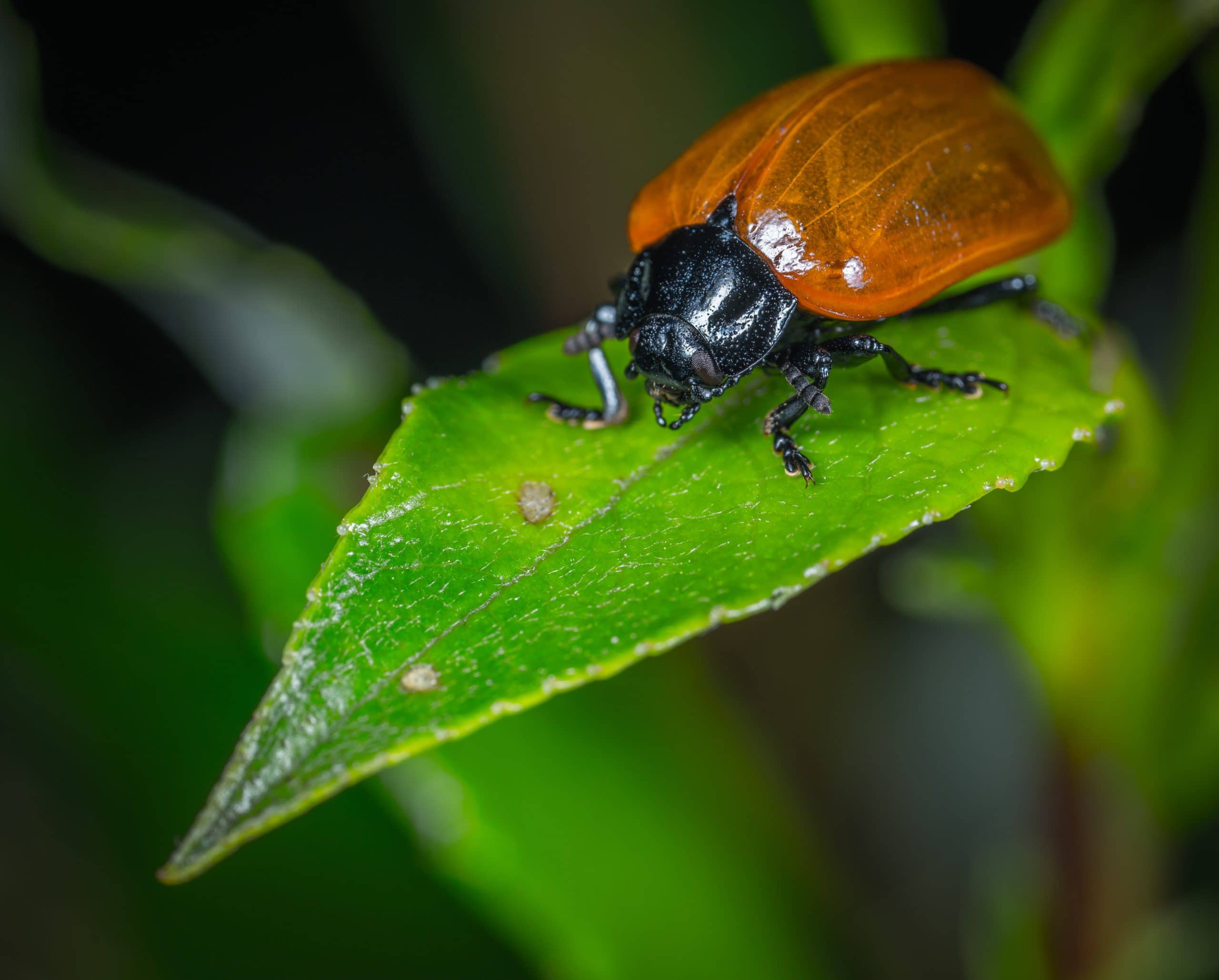
June bugs are actually a family of bugs that consists of around 100 species of small, flying beetles. They may also be called June beetles or May beetles as well. They feed on leaves and other plant matter and are active during the nighttime. They get their name from the fact that larvae emerge from the soil in the early summer.
Although they don’t tend to bite people and are generally harmless, they are attracted to light and can prove an annoyance for those who like to spend time outdoors at night.
Bearded Dragon Diet
Bearded dragons come from Australia where they eat a combination of plants and insects, although some do eat small mammals and small lizards. When they are kept as pets, owners need to try and replicate this diet as best they can.
Keep in mind that commercially bought insects tend to be lower in protein and essential vitamins and minerals because they have a poor diet themselves. As such, a pet bearded dragon will have a somewhat different diet as compared to their diet in the wild.
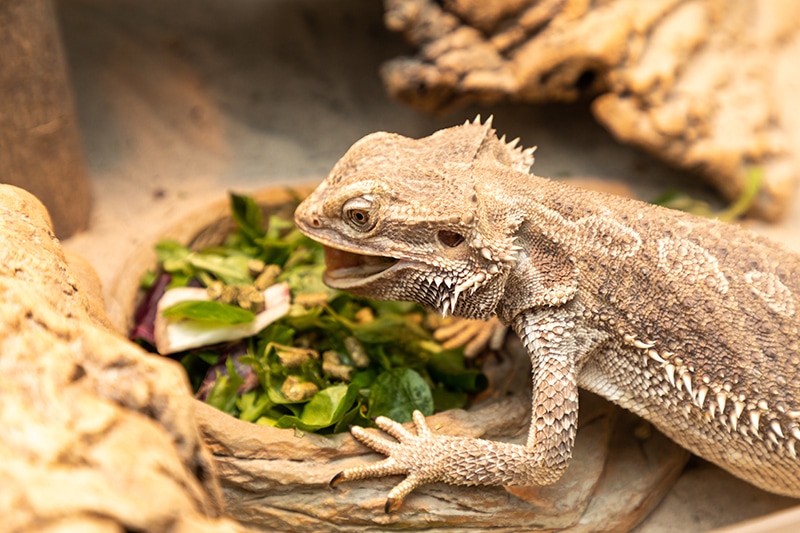
With this in mind, depending on their age, 50%–80% of a juvenile’s and 20%–50% of an adult beardie’s diet will be made up of insects, and these need to be live insects. Typical feeder insects include Dubia roaches as well as crickets. Mealworms and some other worms can also be given as treats, but these do not have the ideal protein or nutrient levels so they should only be fed sparingly.
The remaining 20%–50% of a juvenile’s and 50%–80% of an adult’s diet should be made up of plant matter. Leafy greens, like kale and parsley, provide calcium, vitamins A and E, and other essential nutrients. Beardies can also have other vegetables like sweet potato, bell peppers, and small amounts of certain fruits.
It’s important to maintain a proper calcium-to-phosphorus ratio of 2:1 by feeding plenty of safe vegetables and smaller amounts of fruit that often don’t contain enough calcium. Bearded dragons can suffer deficiencies and even malnutrition without these healthy greens in their daily diet.
Tips for Healthier Bearded Dragon Feeding
Generally, bearded dragons are quite good eaters, as long as you offer a suitable diet. A nutritious, complete diet is important because it helps keep your beardie fit and healthy, avoids illnesses, and reduces the likelihood your beardie will need to visit the vet.
1. Offer Live Insects
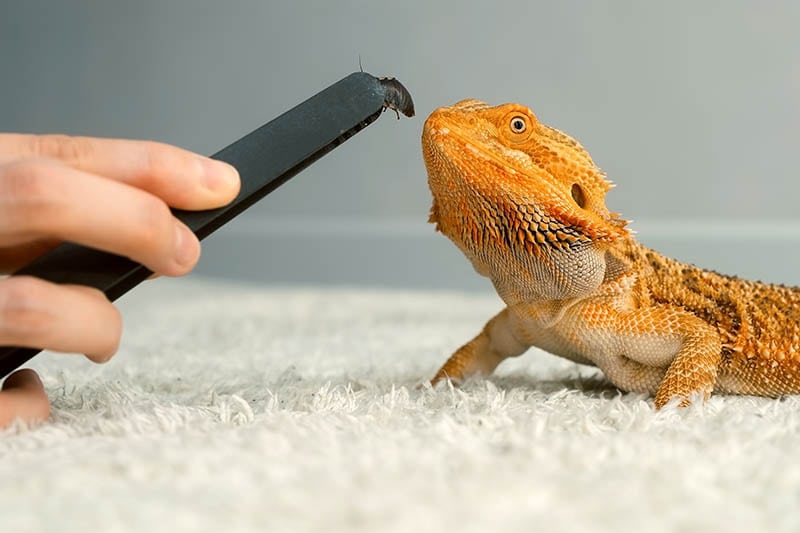
Beardies need to see insects move to attract their interest. This means that dead insects hold no appeal and a beardie won’t choose to eat them. If feeder insects die when you put them in the enclosure, your little lizard may turn its nose up at them as well.
2. Choose Appropriate Feeder Insects
A feeder insect is just an insect that is used as food for your beardie. Dubia roaches, Goliath worms, and crickets make good daily feeders, while other insects like wax worms and mealworms can make a good occasional addition to a beardie’s diet.
3. Gut Load Insects
Gut loading means giving feeder insects a nutritious meal 24 hours before giving them to your bearded dragon. The nutrients are then passed on from the insect to the bearded dragon, ensuring that your beardie gets the required vitamins and minerals.
4. Offer Variation
Different insects and different greens and vegetables contain different vitamins and minerals, which means providing a good variance of these ingredients helps ensure that your beardie gets all the nutrients it requires. Adding a variety of foods helps keep your beardie’s interest and ensures that they won’t go off their food.
Final Thoughts
While June bugs are not toxic for beardies, they are high in fat and thus not an ideal option for your beardie. Bearded dragons need a nutritious diet to be healthy, fit, and happy. This means feeding a combination of insects and greens, as well as occasionally other vegetables. Food can be fortified with supplements and insects should be gut-loaded to make sure your pet lizard is getting the required vitamins and minerals in its diet.
Featured Image Credit: JumpStory
Get Hepper In Your Inbox


Pet care tips from our vets and experts, straight to your inbox.
You may opt-out at any time. View our Privacy Policy for more information.
Nicole is a lover of animals of all sizes but is especially fascinated with the feline variety. She’s the proud mom of Baby, a Burmese, and works every day so he can relax in the sunshine or by the fire. She’s always had a cat in her home and has spent countless days with others, observing behaviors and softening up even the grouchiest of the lot. Nicole wants to share her kitty expertise with you so you and your cat can live happy, healthy, and care-free.
Join the conversation
Ask a question, share your story, or send private feedback.