Hepper blog

Search our database of over 9,984 posts with up-to-date information from our experts and veterinarians.

Hepper is reader-supported. When you buy via links on our site, we may earn an affiliate commission at no cost to you. Learn more.

Can Bearded Dragons Eat Rolly Pollies? Vet-Approved Facts & Healthy Alternatives

By Kit Copson · Reviewed & fact-checked by Dr. Lauren DemosVet Approved
Dr. Lauren Demos
Reviewed & Fact-Checked byDr. Lauren DemosVeterinarian
As a veterinarian, Lauren is happy to share her experience in emergency medicine and cats, with everyone. She enjoys sharing insightful, real life tips for having cats as part of your life, and what to do in critical situations with your pets.View authorThe information is current and up-to-date in accordance with the latest veterinarian research. Read about our vets
Share
Hepper_Can Bearded Dragons Eat_Rolly Pollies

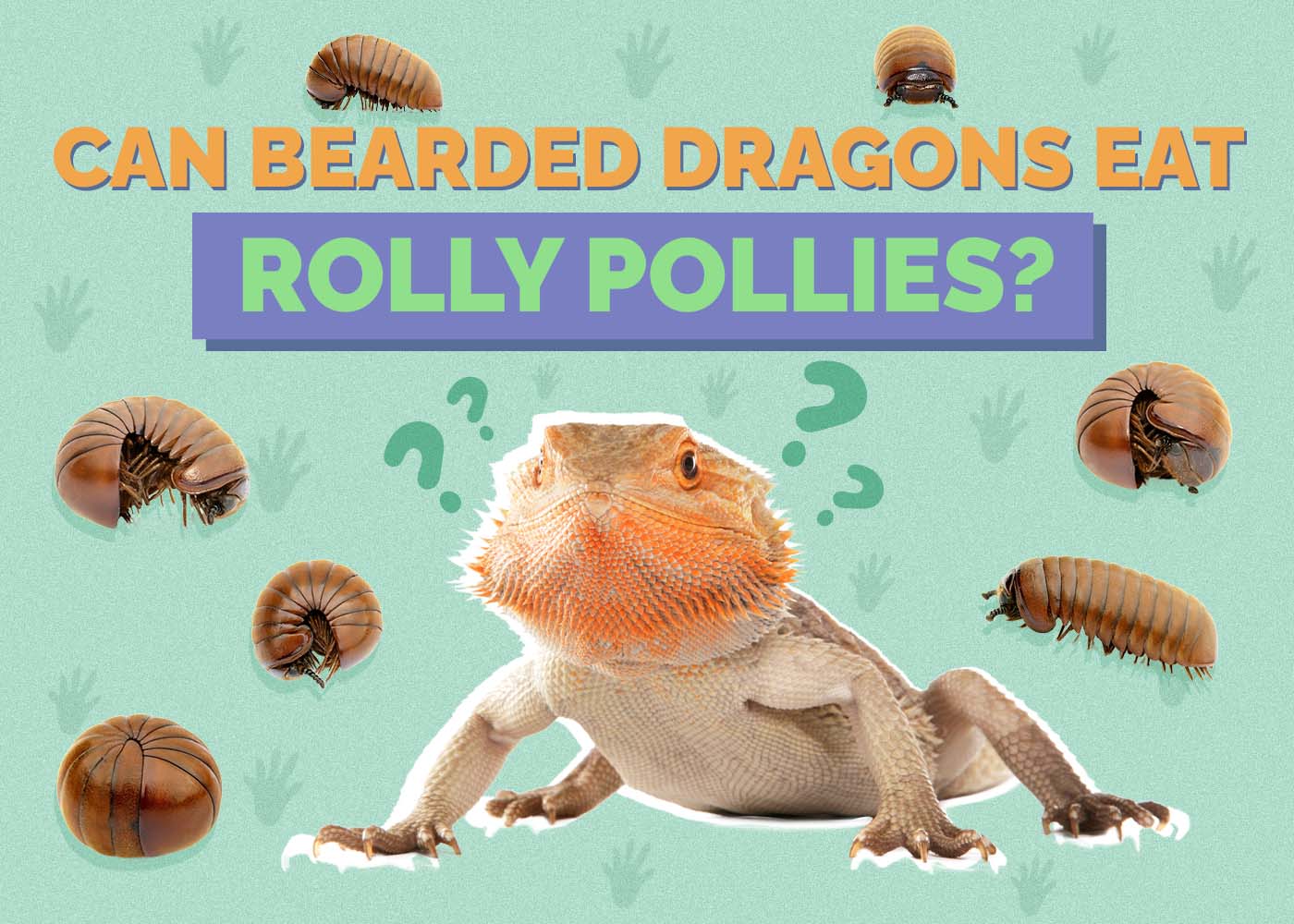
Bearded dragons are omnivores, and fairly easy to please in the food department. They enjoy a wide range of vegetables and insects, but what about rolly pollies?

Rolly pollies (Armadillidiidae—also known as “pill bugs”) aren’t part of a bearded dragon’s regular diet, but a few won’t harm your beardie as long as they haven’t come into contact with pesticides or fertilizers. Let’s explore this further.

Are Rolly Pollies Safe for Bearded Dragons?

Rolly pollies are a type of woodlice commonly found in yards. According to VCA Animal Hospitals, it’s not a good idea to feed your bearded dragon insects procured from your yard due to the risk of pesticides and fertilizers.1 Parasites are also a potential risk. These could make your bearded dragon sick, so it’s best to stick to insects from pet stores or breeders.

In short, bearded dragons can eat a few rolly pollies as long as they don’t have fertilizers or pesticides on them. In fact, rollie pollies are a good source of calcium and protein, so pesticide and fertilizer-free ones are healthy occasional treats.

On the other hand, you shouldn’t let your beardie have too many, as this could make them sick. These insects have hard shells, so ingesting too many could cause a blockage. As with other insects, it’s best to procure your woodlice from reputable stores and breeders rather than picking them up outdoors. Alternatively, you can raise feeder insects yourself.
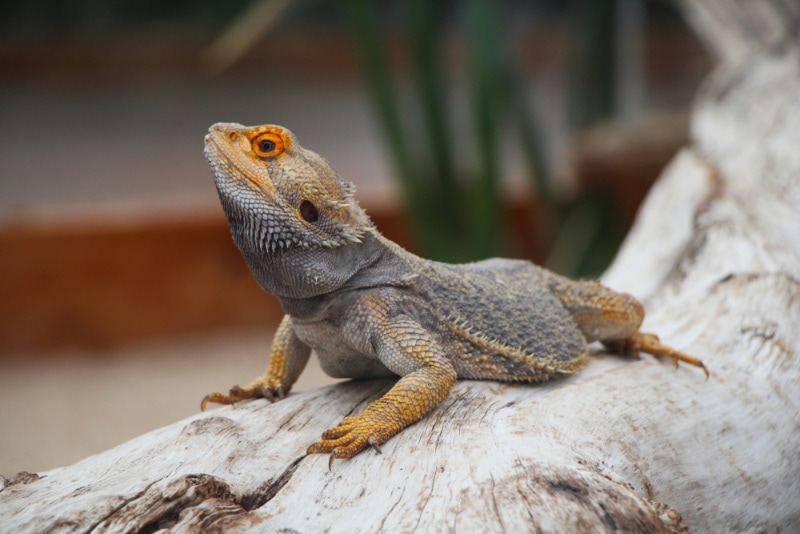
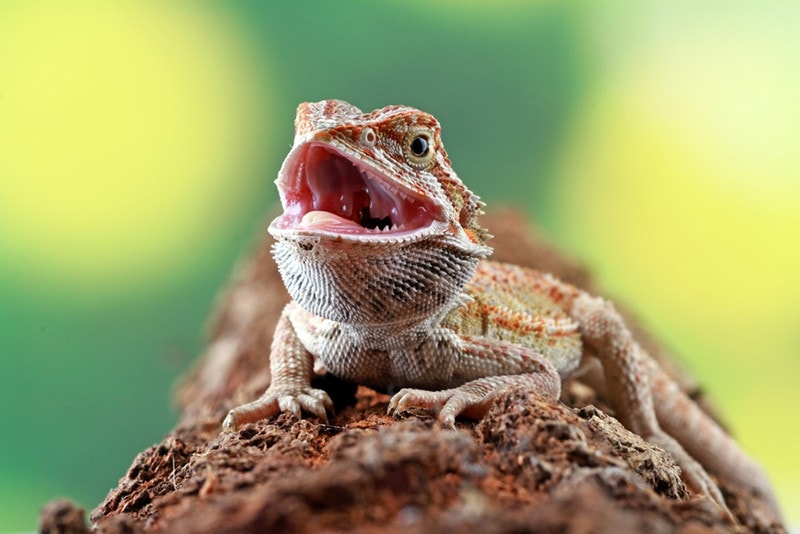
bearded dragon on a branch
Image Credit: Regina Robert, Shutterstock

What Insects Can Bearded Dragons Eat?

Bearded dragons, as omnivores, need to derive protein from various insects. In fact, 25% of an adult bearded dragon’s diet should consist of live animal-based protein sources. Juvenile bearded dragons eat more insects than greens due to the need for more protein while growing, but begin to lean more towards a higher percentage of vegetables when they reach adulthood.

Feeder insects need to be gut-loaded at least 24–48 hours in advance of the feeding time to boost your beardie’s intake of important nutrients.

These include:

  • Crickets
  • Grasshoppers
  • Silkworms
  • Mealworms
  • Butter worms
  • Waxworms (offer in moderation—high in fat)
  • Dubia roaches
  • Phoenix worms
  • Superworms (offer in moderation—high in fat)
  • Hornworms

Rotating these protein sources is key to varying the nutrients your beardie receives and making sure they get enough of each nutrient. It’s important to dust a vet-approved calcium supplement on your beardie’s food every other day—this may need to be done daily if your bearded dragon is a juvenile. Breeding dragons also need extra calcium.

Bearded dragons also require multivitamin supplements, typically once per week, but this may vary. Speak to your vet to ascertain the right amount of calcium and multivitamins and how frequently these should be offered for your beardie’s age.

vet checking bearded dragon
Image Credit: hedgehog94, Shutterstock

Are Any Insects Dangerous for Bearded Dragons?

Insects that have come into contact with pesticides or fertilizers may cause toxicity, which is why it’s not advisable to collect insects from your yard or local outdoor areas. As for insects to stay well away from, fireflies are especially dangerous for bearded dragons, as are any other insects or worms that glow due to the presence of harmful toxins.

Final Thoughts

To recap, a few pesticide and fertilizer-free rolly pollies won’t hurt your bearded dragon and even offer some essential nutrients. For this reason, they make great occasional snacks. However, bearded dragons should not eat rolly pollies as part of their regular diet, and any insects you feed them should come from reputable sources (breeders, reptile stores, etc.) rather than outdoor areas.

If your beardie has a thing for rolly pollies, the good news is that you can find various kinds of feeder woodlice that are commercially sold, including giant orange woodlice.

Sources

Featured Image Credit: JorgeOrtiz_1976, Shutterstock

Get Hepper In Your Inbox

Pet care tips from our vets and experts, straight to your inbox.

List

Select all that apply.

You may opt-out at any time. View our Privacy Policy for more information.

Kit Copson
Authored by

Kit Copson

Join the conversation

Ask a question, share your story, or send private feedback.
Rate this post
Required to post. Only our editors see your rating.
Who should see this?

A human reviews every comment before it appears. Your email is never published.

Picked to go with this article

Can Bearded Dragons Eat Isopods? Vet-Approved Nutrition Guidelines

Can Bearded Dragons Eat Isopods? Vet-Approved Nutrition Guidelines

Bearded Dragons are great pets with a diverse diet that includes various plants and animals. Many owners also wonder about isopods, which are similar to crabs…

Ed Malaker
By Ed Malaker ·
What Do Bearded Dragons Eat as Pets? Vet Reviewed Diet

What Do Bearded Dragons Eat as Pets? Vet Reviewed Diet

Bearded Dragons are omnivorous, meaning they consume a mixture of animal protein and veggies. In the wild, the exact animals and veggies the Bearded Dragons wo…

Kristin Hitchcock
By Kristin Hitchcock ·
Can Bearded Dragons Eat Beetles? Vet-Approved Feeding Facts

Can Bearded Dragons Eat Beetles? Vet-Approved Feeding Facts

Bearded dragons are omnivores that as adults need a diet consisting primarily of vegetables with some insect protein. Most lizards that eat invertebrates will…

Chantelle Fowler
By Chantelle Fowler ·
Can Bearded Dragons Eat Cockroaches? Vet Approved Facts & Safety Guide

Can Bearded Dragons Eat Cockroaches? Vet Approved Facts & Safety Guide

As the owner of a bearded dragon, one of your main tasks after creating a safe home for your pet is feeding the right food. Since these lovely lizards mainly e…

Gregory Iacono
By Gregory Iacono ·

Keep reading

More stories you might like

Can Bearded Dragons Eat Spiders? Vet-Reviewed Nutrition Facts & FAQ

Bearded dragons are one of the more popular reptiles for pet owners who want a unique, scaly friend. As with many reptiles though, it can be hard to tell what’…

Codee Chessher
By Codee Chessher ·
Can Bearded Dragons Eat Spiders? Vet-Reviewed Nutrition Facts & FAQ

Can Bearded Dragons Eat June Bugs? Vet-Reviewed Facts & Diet Tips

A portion of a bearded dragon’s diet needs to consist of live insects. Commonly, this includes Dubia roaches and crickets, while mealworms and superworms are c…

Nicole Cosgrove
By Nicole Cosgrove ·
Can Bearded Dragons Eat June Bugs? Vet-Reviewed Facts & Diet Tips

Can Bearded Dragons Eat Darkling Beetles? Vet-Verified Diet Facts & FAQ

Bearded Dragons are omnivores that need a diet combining animal and plant matter. Typically, this means feeding live insects as well as fresh greens. Typical i…

Nicole Cosgrove
By Nicole Cosgrove ·
Can Bearded Dragons Eat Darkling Beetles? Vet-Verified Diet Facts & FAQ

Can Bearded Dragons Eat Rose Petals? Vet-Verified Facts & FAQ

Fresh from the flower, added to a salad, or in dehydrated treat form, rose petals are sometimes offered to herbivorous pets like hamsters, chinchillas, and gui…

Nicole Cosgrove
By Nicole Cosgrove ·
Can Bearded Dragons Eat Rose Petals? Vet-Verified Facts & FAQ

Can Bearded Dragons Eat Worms? Vet-Approved Facts & FAQ

As omnivores, bearded dragons need both plant and animal-based foods like insects. If you’re searching for the best source of protein for your dragon, you may…

Chantelle Fowler
By Chantelle Fowler ·
Can Bearded Dragons Eat Worms? Vet-Approved Facts & FAQ

Can Bearded Dragons Eat Stink Bugs? Vet-Reviewed Safety Facts

Stink bugs—if you live in an area where they are common, you’d probably love to have a use for them. These smelly bugs can be real pests! But even if you have…

Chelsea Mortensen
By Chelsea Mortensen ·
Can Bearded Dragons Eat Stink Bugs? Vet-Reviewed Safety Facts

Can Bearded Dragons Eat Dubia Roaches? Vet-Reviewed Nutrition Facts & FAQ

Bearded dragons might be omnivorous creatures, but they thrive on protein building blocks. If you already own a beardie, you know how much they enjoy chowing d…

Ashley Bates
By Ashley Bates ·
Can Bearded Dragons Eat Dubia Roaches? Vet-Reviewed Nutrition Facts & FAQ

Can Bearded Dragons Eat Cicadas? Vet-Reviewed Risks & Facts

Bearded dragons are omnivores, which means they need to eat a mix of vegetables and animal protein (typically in the form of insects). If your bearded dragon w…

Misty Layne
By Misty Layne ·
Can Bearded Dragons Eat Cicadas? Vet-Reviewed Risks & Facts