Hepper is reader-supported. When you buy via links on our site, we may earn an affiliate commission at no cost to you. Learn more.
Wild Dogs vs Wolves: Key Differences (With Pictures)
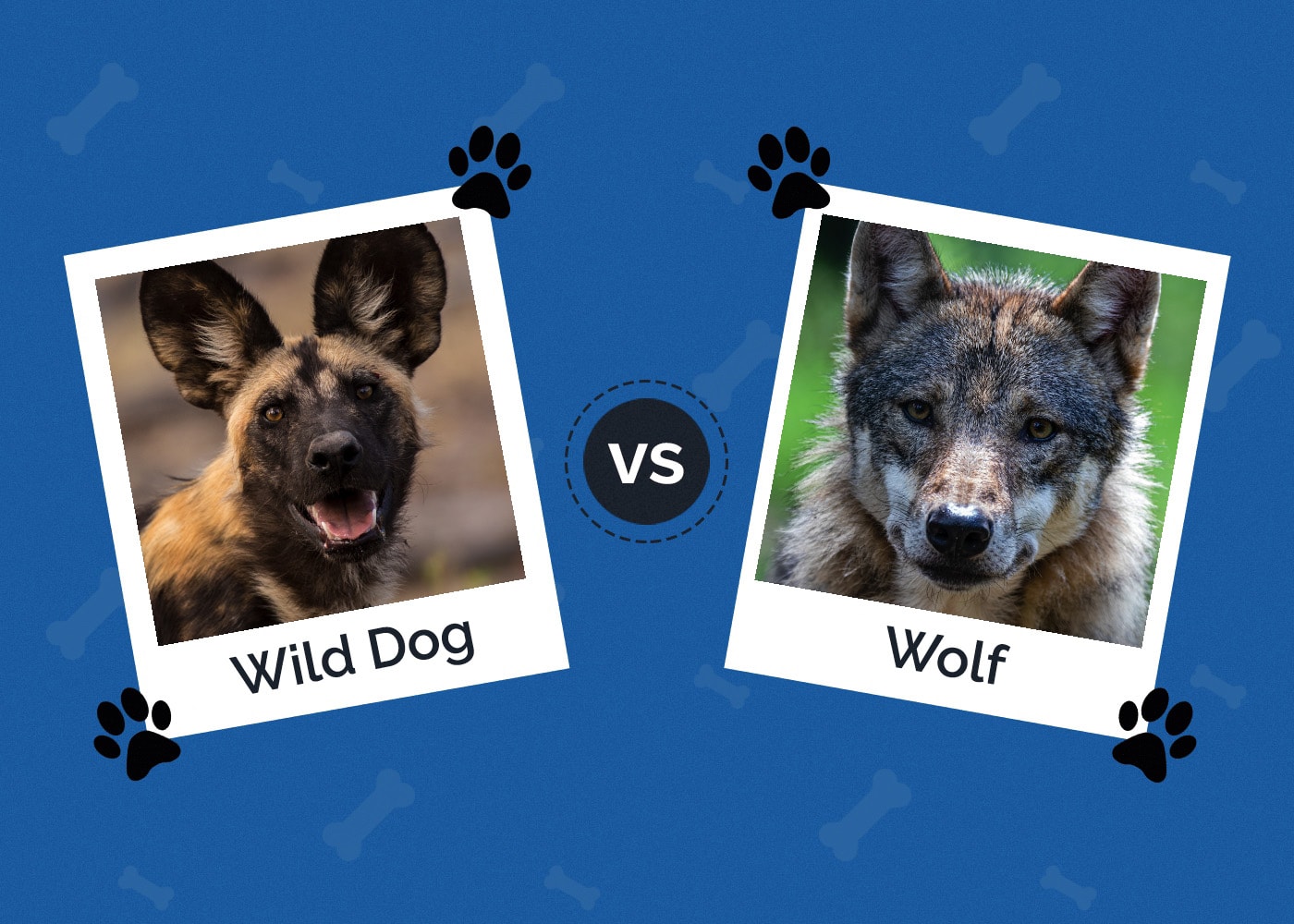
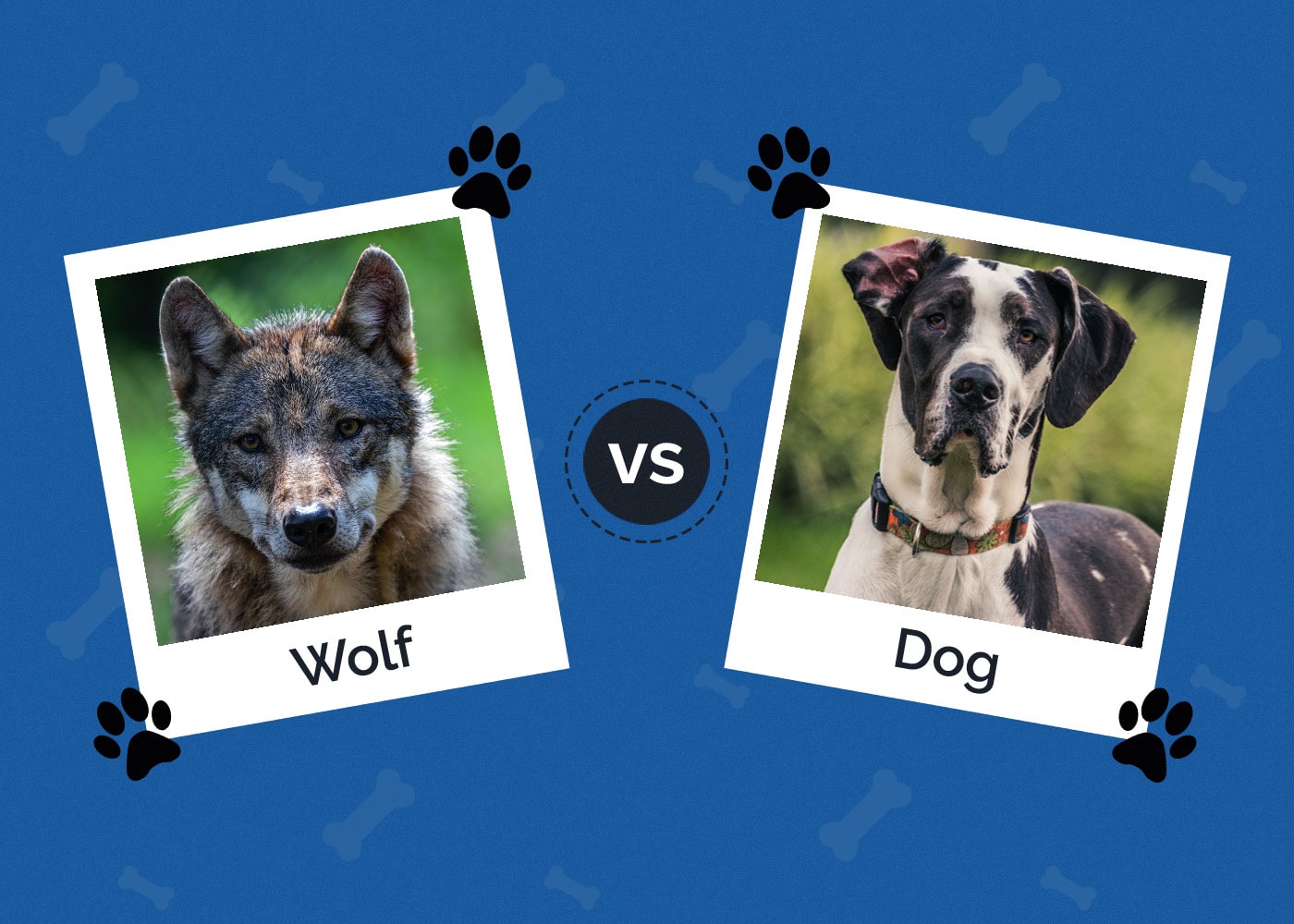
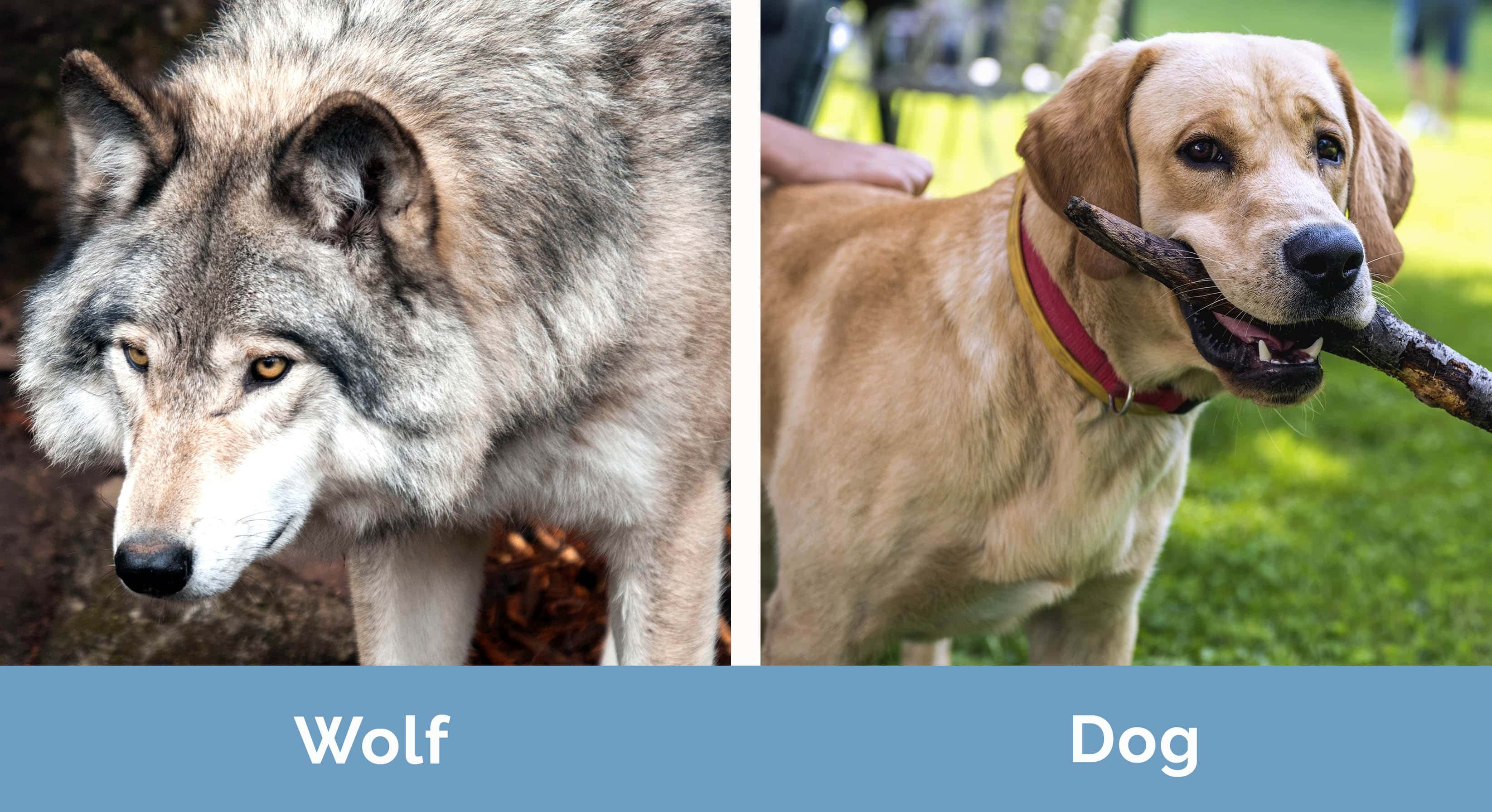
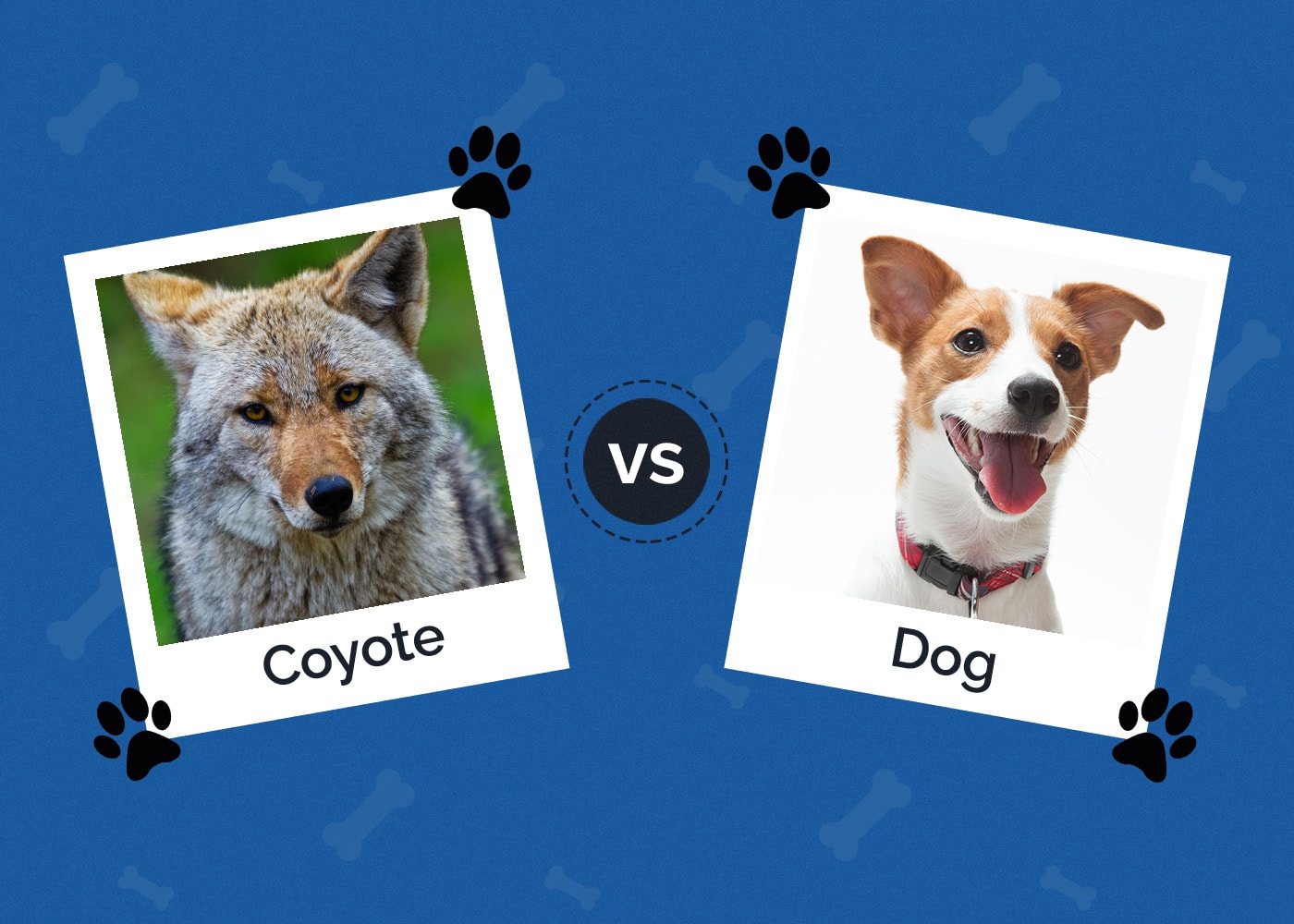
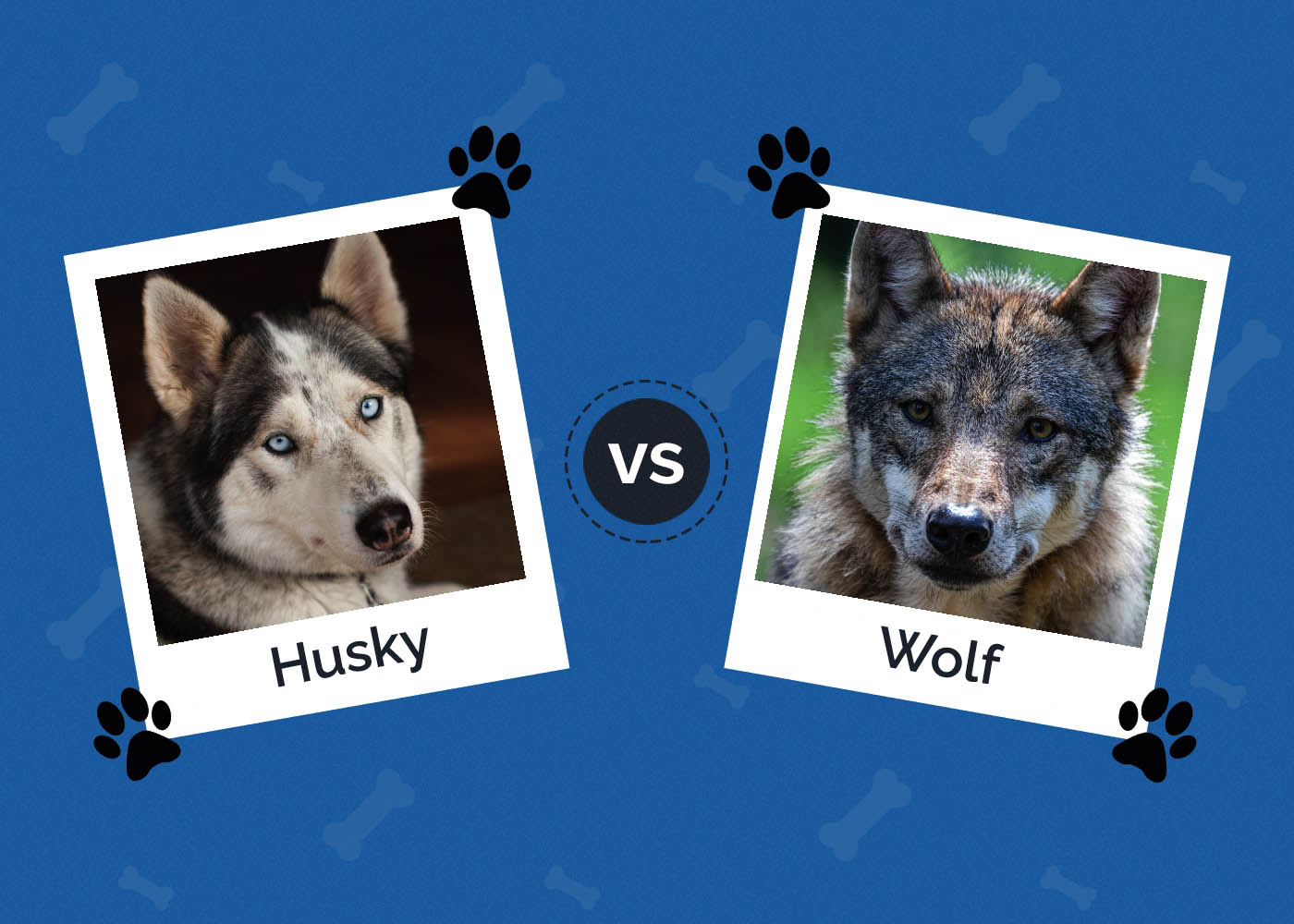
While they both belong to the Canidae family, are the two largest members of the family, and people often speak about domestic dogs as being the descendants of wolves, there are some considerable differences between the wild dog and wolf species, as well as some similarities.
Unfortunately, one of the ways that the two species are similar is that they are both on the endangered protect species list, which means that they are in danger of becoming extinct in the future. The only truly wild dogs that still exist today are found primarily in East Africa. Whereas the larger, wild wolves, are found in Asia, Europe, and North America.
Below, we look at the major differences between these two members of the Canidae family, including their physical differences.

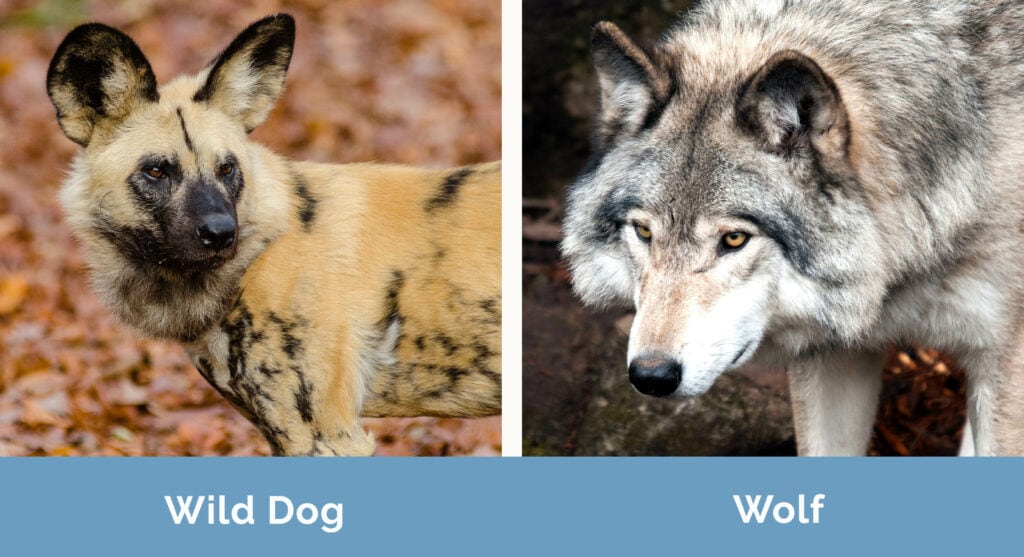
Visual Differences
At a Glance
Wild Dog Overview
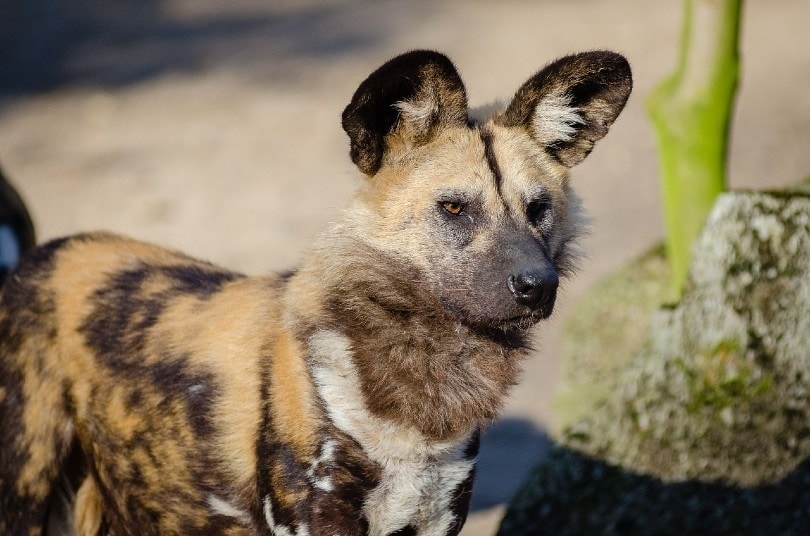
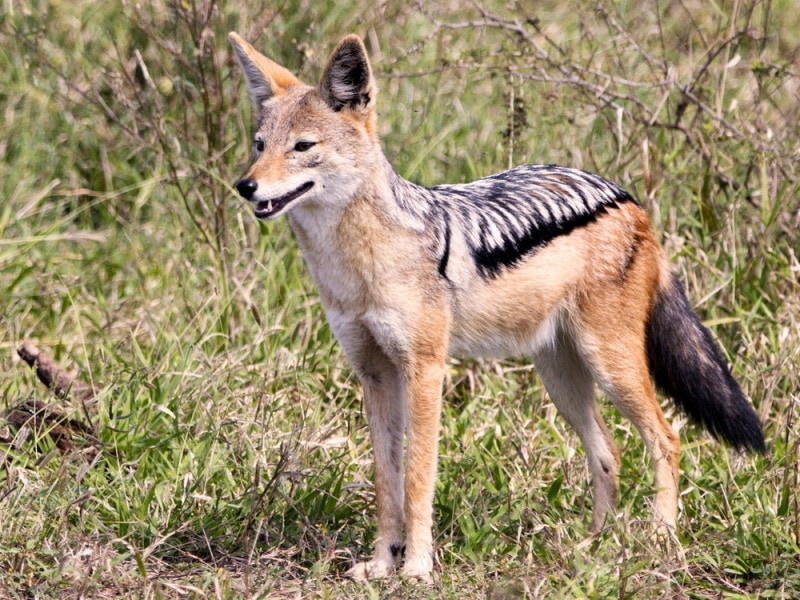
Commonly known as African Wild Dogs, African Hunting Dogs, and African Painted Dogs, wild dogs are typically found in the savannahs and lightly wooded areas of Africa. They are very rarely seen outside their protected areas. The wild dog is a social animal that lives in packs of up to 40 members. They hunt medium-sized prey including gazelles and can run at speeds of over 40 miles per hour. Once they catch their prey, wild dogs will share their food amicably between pack members. They are considered under threat due to being hunted and killed by people, threats to their habitat, and illnesses including rabies.
Appearance
Wild dogs look similar to hyenas, primarily thanks to their large, prominent ears. However, they are not the same species. They have brown, yellow, and black fur which allows the dogs to blend into their surroundings. Every member of the pack has slightly different markings, making it easier to distinguish pack members. Wild dogs can weigh up to 70 pounds and grow to just over 4 feet in length.
Behavior
Wild dog packs have a hierarchy and social structure. A breeding pair will be the dominant pack members and all other members of the pack will follow them. When young dogs reach maturity, it is the females that leave the pack to go and find a mate, while the males remain with the existing pack. The dogs will protect one another when required, and all pack members are responsible for protecting the young.
The pack also cares for any member that becomes sick or injured, and when they hunt, they share food with all pack members including those that weren’t involved in taking down the prey.
Hunting
Highly efficient and effective hunters, wild dogs have a hunt success rate of approximately 80%, which is considerably higher than most other hunting species. When the pack hunts, they spread out and approach the prey. When the lead dog gets tired, another takes over at the front, and the hunt continues. Eventually, the prey tires, and the dogs pounce and take down their quarry.
Status
Because of a substantial drop in population, the wild dog is considered endangered. There were once believed to be half a million wild dogs, but there are now as few as 5,000.
Wolves Overview
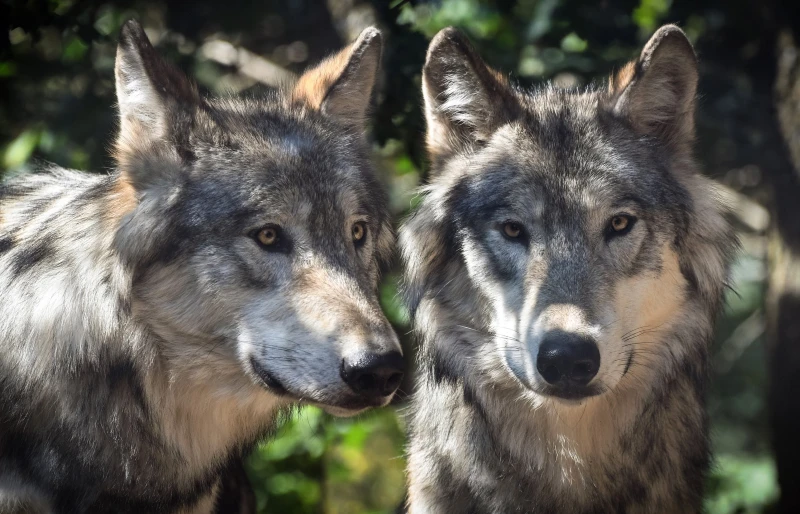
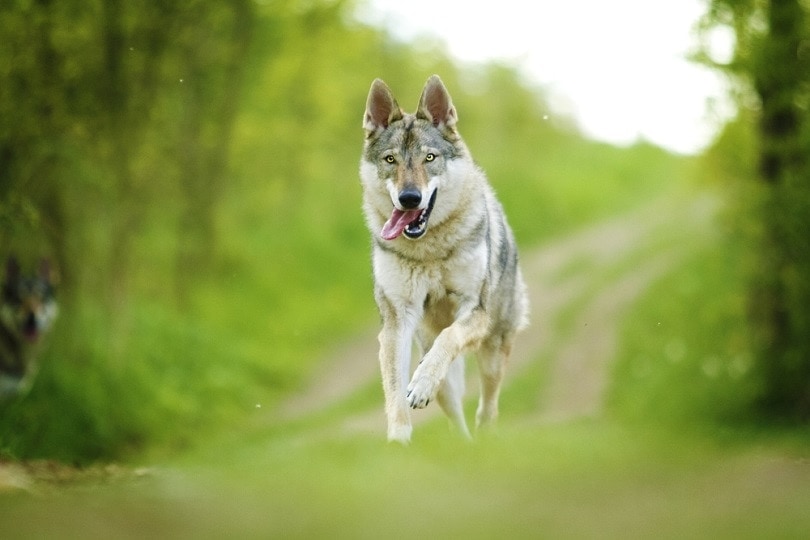
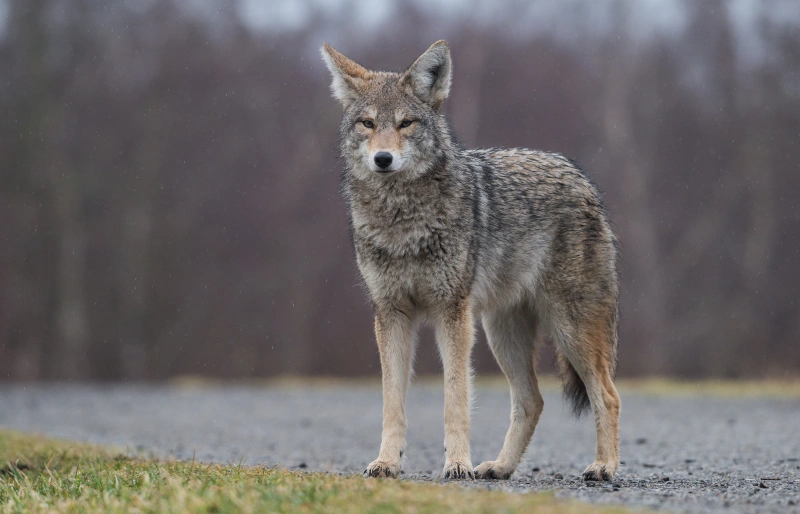
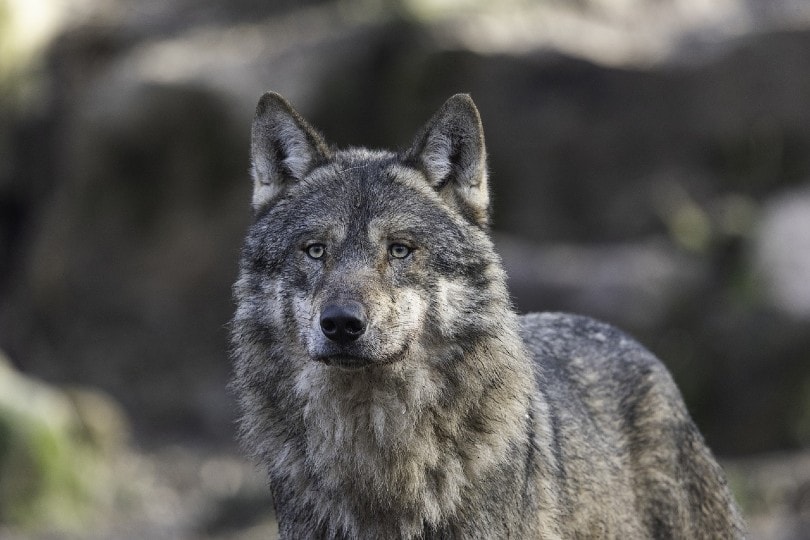
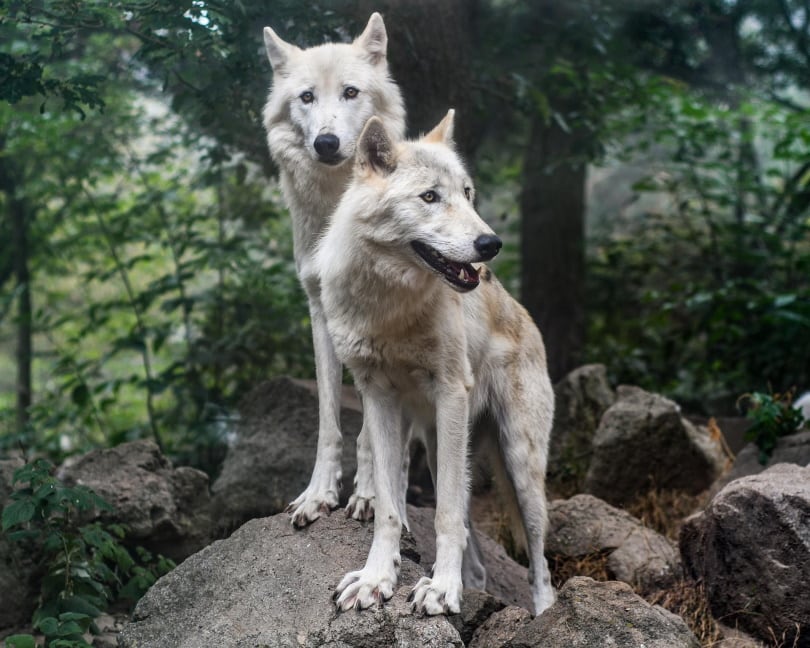
Wolves are the largest member of the Canidae family and can be found in countries throughout Asia, Europe, and North America. There have been efforts to reintroduce wolves in certain parts of the world, but their numbers are still considered to be dangerously low and the species remains critical. Also known as Gray Wolves or Timber Wolves, wolves are social animals that hunt and have some similar physical features to Wild Dogs, but there are as many differences as there are similarities.
Appearance
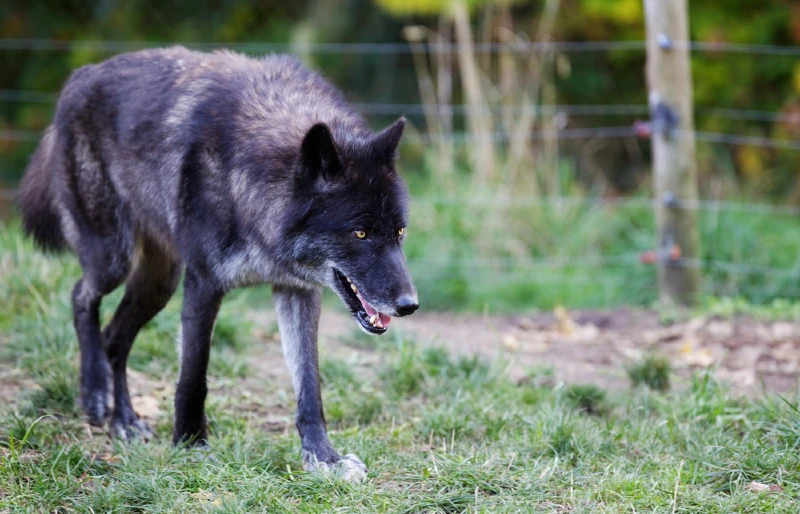
Wolves are large members of the Canidae family that grow to 100 pounds in weight and can measure over 5 feet from the tip of the nose to the base of the tail. They have very large canine teeth and are colored gray and brown, depending on the type of habitat they reside in. Similarly, the size of the wolf also varies according to where they live.
Behavior
Like wild dogs, wolves are social animals. A pack will usually consist of up to 15 members, but this can swell to as many as 30. When a pack reaches this size, a number of the wolves will break away to form a new pack, therefore ensuring adequate prey exists for all pack members. Although social animals, wolves do not share their food with one another and can become aggressive after a hunt. Each wolf has a distinctive howl, which enables them to recognize the rest of their pack even over a distance.
Hunting
Although they hunt together, wolves do not freely share their food with one another, typically becoming aggressive to protect their kill. They will hunt larger animals, even including wildebeest and antelopes. They can run at speeds of up to 40 miles per hour and hit their top speed in just a few seconds.
Status
Wolves are considered an endangered species. There are thought to be between 200,000 and 500,000 wolves left in the world.
What Are the Differences Between Wild Dogs & Wolves?
Although they are both members of the same Canidae family, wild dogs and wolves do have a lot of differences.
Physical Appearance
These are the two largest species in the Canidae family. However, wolves are the largest. They can weigh as much as 50% more than wild dogs and they tend to be thicker set and more muscular than dogs. Wild dogs have larger ears and every one has unique markings, which makes recognition within the pack easier.
Pack Social Structure
When it comes to packs, both species are social animals. Wild dogs can live in packs of up to 40 while wolf packs typically only consist of up to 15 members, although this may increase for a short period before some of the pack breaks off to form a new one. Whereas male dogs remain part of the pack when they reach maturity, both male and female wolves will leave to form or join their own packs. Dogs share their prey, look after the health of ill pack members, and protect all of the young. Wolves do not care for sick pack members and will not share food with one another.
Hunting Methods
Both species hunt in packs, but wild dogs tirelessly stalk their prey until they are too tired to run, and then they pounce. Wolves will attack as soon as they can catch up to the prey. Wild dogs take down prey and then share the food. Wolves can become aggressive once they have caught their prey.

Conclusion
Wild dogs and wolves are both members of the Canidae family and are the two largest members. Wolves are the bigger of the two species, however, and there are other differences between the two. Although both animals live in packs, the wild dog is much more social, not only readily sharing food but also caring for sick and injured pack members and protecting all young members of the pack.
Wolves, on the other hand, can become aggressive after the hunt, in order to prevent others from eating their kill. Unfortunately, both species are considered endangered, although the global population of wolves is considerably larger than that of the wild dogs.
Featured Image Credit: (L) William Steel, Shutterstock | (R) Mario Losereit, Unsplash
Get Hepper In Your Inbox


Pet care tips from our vets and experts, straight to your inbox.
You may opt-out at any time. View our Privacy Policy for more information.

Nicole is a lover of animals of all sizes but is especially fascinated with the feline variety. She’s the proud mom of Baby, a Burmese, and works every day so he can relax in the sunshine or by the fire. She’s always had a cat in her home and has spent countless days with others, observing behaviors and softening up even the grouchiest of the lot. Nicole wants to share her kitty expertise with you so you and your cat can live happy, healthy, and care-free.
Join the conversation
Ask a question, share your story, or send private feedback.