Hepper is reader-supported. When you buy via links on our site, we may earn an affiliate commission at no cost to you. Learn more.
Can Cats Eat Asparagus? Vet-Reviewed Facts


There’s nothing like a salmon dinner with a healthy side of asparagus. When you are whipping up your tasty meal for dinner, you may be left wondering if your cat can eat asparagus.
The answer is simple, cats can eat asparagus, as it is not toxic or dangerous—but just because they can eat asparagus, does not necessarily mean they will, or that they should. Let’s take a closer look into this.

Cats and Asparagus
It’s a valid question to ask whether asparagus or any other vegetable rich in fiber, vitamins, and minerals, are safe to feed our cats. We use asparagus regularly in our diets for a variety of health benefits. To add, it’s also a very tasty vegetable with few calories and lots of fiber.
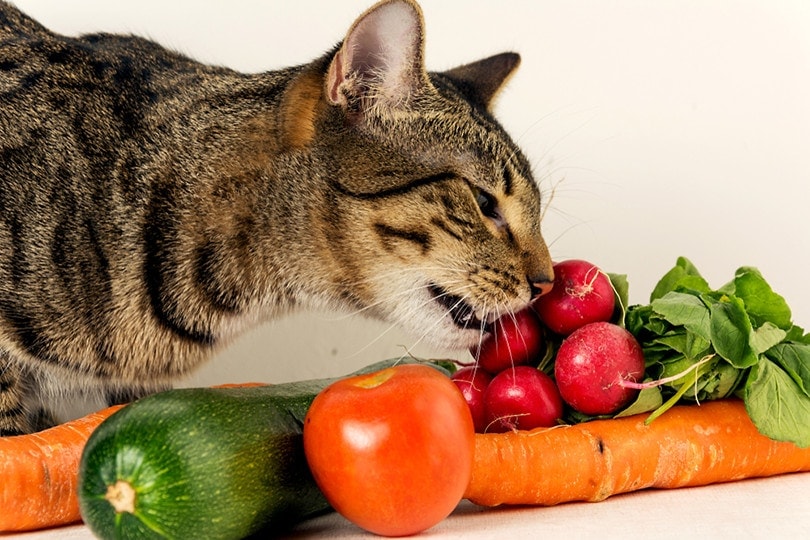
While asparagus is not toxic for cats, it does not offer them any benefits either. Cats are strict carnivores and their diet should be based on animal-based proteins. The more likely scenario is that even if you were to offer your cat asparagus, they would likely turn their nose up and refuse to eat it.
If your cats are one of those that like to snack on green vegetables, there is no harm if they were ingested unexpectedly. Asparagus is high in fiber and vitamins A, C, and K. In addition, this vegetable also contains potassium, which is a necessary electrolyte found in the body that is vital to the normal function of cells, the muscular system, and the nerves, among other bodily functions.
Should I Supplement My Cat’s Diet With Asparagus?
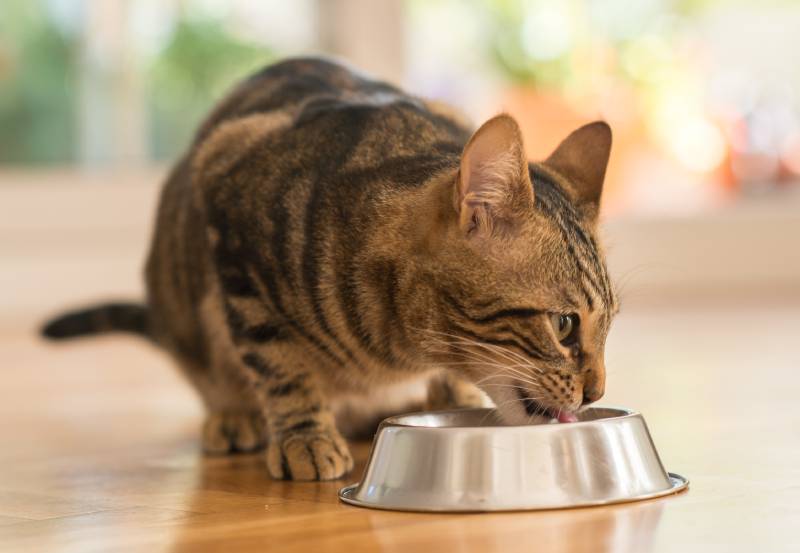
There is no need to supplement your cat’s diet with asparagus. While this vegetable does have a lot of beneficial nutrients for humans, cats are obligate carnivores that are designed to obtain all their needed nutrients from meat.
Not only do plants not provide necessary nutrients for an obligate carnivore, but their digestive system is also not designed to digest plants properly. Overall, asparagus is just not necessary to add to your cat’s diet. Though if you have a cat that just loves to eat asparagus, consult with your vet about the possibility of offering them occasionally because the high fiber content may make them unsuitable for some cats. Asparagus should cause no harm when offered tiny small amounts every once in a while.
Cooked Asparagus vs. Raw Asparagus
Given that asparagus is most commonly served cooked, you may be wondering if there is any difference between cooked and raw asparagus when eaten by your cat. There are some key differences between cooked and raw asparagus so let’s see what they are.
Cooked Asparagus
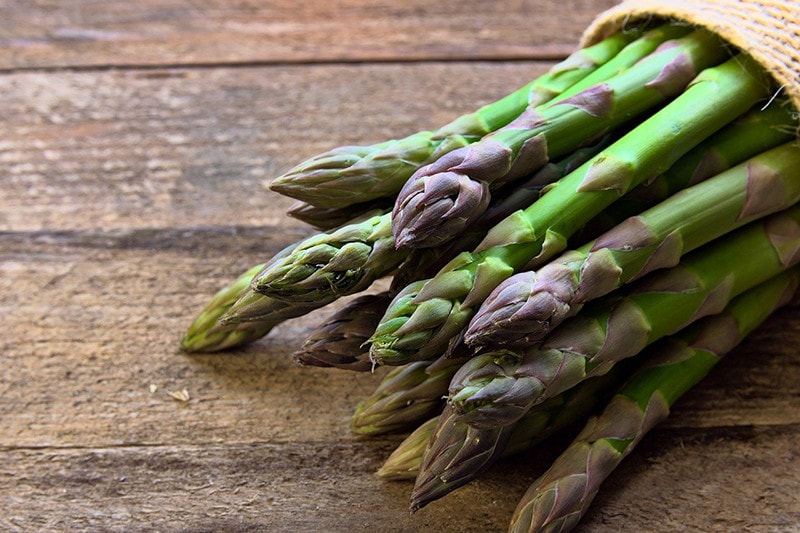
Cooked asparagus has a softer texture and is much easier to chew. A study published by the International Journal of Food Science and Technology found that cooking asparagus increased its total antioxidant activity by 16%.
More specifically, the study showed that cooking asparagus significantly increased two very powerful antioxidants. Beta carotene was boosted by 24% and quercetin by 98%.
Raw Asparagus
While cooking may have its upside when it comes to boosting some antioxidants, the same study mentioned showed that it may reduce the content of other nutrients. It was noted that the vitamin C content of asparagus was reduced by up to 52%, as vitamin C is very sensitive to heat.
In this regard, raw asparagus, while a bit more difficult to chew, is much more beneficial if your goal when eating asparagus is to get the optimal amount of vitamin C. This is as relevant in cats since their bodies can make their own vitamin C and don’t require this vitamin in their diet.
How nutrients in asparagus and other vegetables are affected by cooking is dependent on the type of nutrient, the cooking method used, and the duration of time the vegetable is exposed to heat.

Potential Side Effects
While plant-based dietary fiber is an essential part of a human’s diet, it can cause some digestive discomfort and even diarrhea in cats. Our cats’ systems are not optimized to break down plants.
Proper Diet for Cats
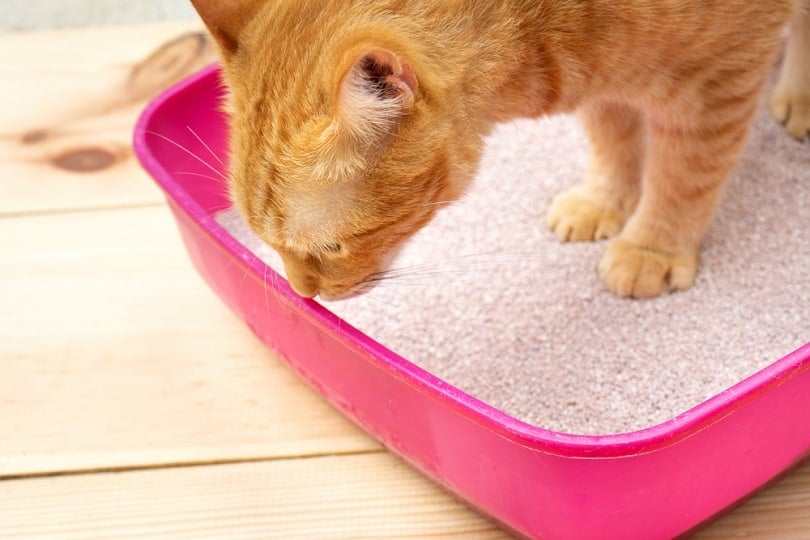
As explained, cats are obligate carnivores that require meat to survive. These incredible little creatures are highly evolved hunters who require high amounts of protein, moderate fat content, and minimal carbohydrates.
Cat foods on the market today should be complete and balanced and designed to provide your cat with their needed nutritional requirements. It is important to note that not all foods are the same quality. For this reason, it is important to speak with your veterinarian regarding the best meal plan for your cat and check the ingredient label on potential food purchases.
Types of Commercial Cat Food
Commercial cat foods come in a wide variety of forms including dry kibble, wet canned food, fresh cuts, raw meat-based diets, and even freeze-dried recipes. Commercial cat foods vary in water content, protein level, caloric density, digestibility, and palpability so reading the label and checking the ingredients is vital to ensure you are offering your cat a healthy, well-balanced diet.
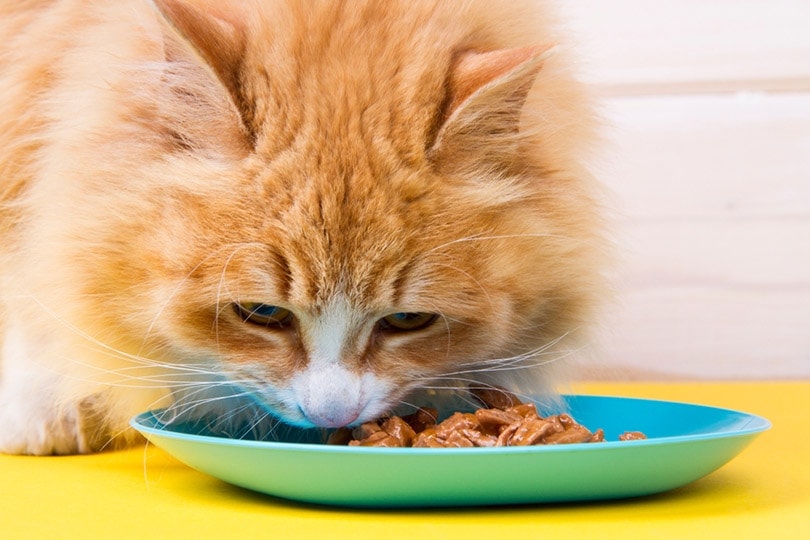
What Is an Obligate Carnivore?
Obligate carnivores, sometimes referred to as hyper carnivores or strict carnivores depend on animal meat for at least 70% of their diet. These types of carnivores lack an enzyme that is required to split carotene, which is only obtained from plants, into vitamin A. Obligate carnivores obtain their source of vitamin A directly from the liver of prey animals.
Interestingly, most carnivores are not obligate carnivores. For example, dogs are not hypercarnivores. House cats and all other members of the Felidae family are just some of the species that fit into this category. Meat is the staple diet for the smallest house cat up to the massive lion.
Other Obligate Carnivores

Conclusion
While asparagus is not dangerous or toxic to cats, their systems are not designed to digest plant-based material because they are obligate carnivores. If your cat gets into a small piece of asparagus, there is no need to worry. There is also no need to offer your cat asparagus, as it offers no health benefits, but if you have an asparagus-loving cat, speak to your vet to find out if there are any contraindications to offering your cat such high-fiber food.
Featured Image Credit: Pezibear, Pixabay
Get Hepper In Your Inbox


Pet care tips from our vets and experts, straight to your inbox.
You may opt-out at any time. View our Privacy Policy for more information.
Lindsay is a wife, mother, nature enthusiast, animal lover, and business major. She was born and raised in the United States and now lives in Tulsa, Oklahoma. She shares her home with a German Shepherd, several snakes, tarantulas, and a couple of rescue cats.
Lindsay and her husband enjoy traveling the US with their children and photographing wildlife. Lindsey is passionate about proper animal care and education around it!
Join the conversation
Ask a question, share your story, or send private feedback.