Hepper is reader-supported. When you buy via links on our site, we may earn an affiliate commission at no cost to you. Learn more.
Can Cats Eat Spinach? Vet-Reviewed Nutrition Facts & FAQ


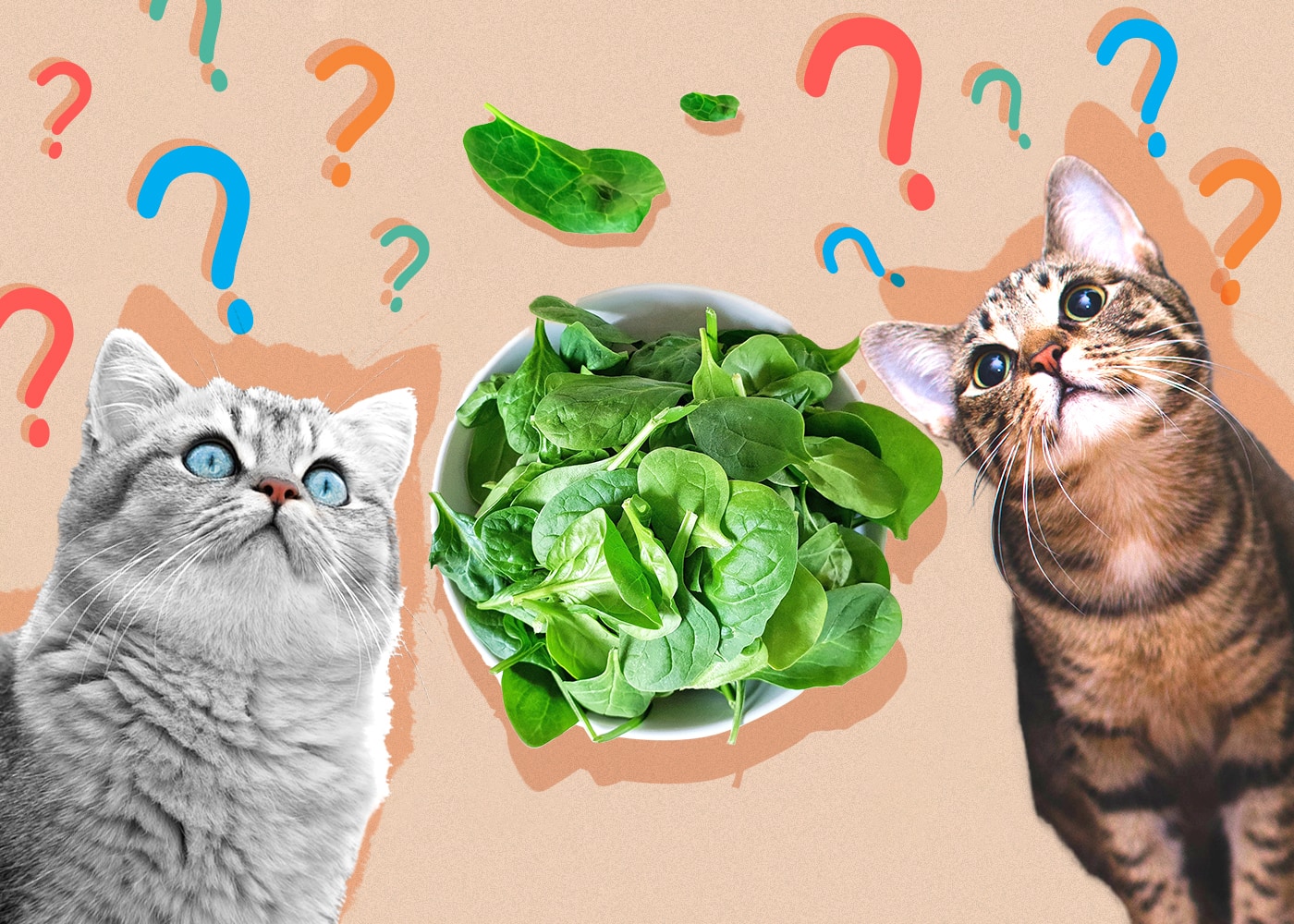
We are told that spinach is a great choice for us as humans, but what about your favorite feline? In general, spinach is safe for cats to eat. However, there are some things to consider before you serve your cat any spinach. It’s a vegetable that contains a lot of calcium and oxalate, which can be harmful to some cats.
Before you feed your cat spinach, make sure to read through the following information to know if this leafy green is safe for your cat to consume. We’ll go over everything you need to know about this vegetable along with other important information about a cat’s diet and nutritional needs.

What Happens If a Cat Eats Spinach?

Many cat food recipes contain spinach because it has high nutritional value. Spinach provides added fiber and antioxidants to a cat’s diet. It’s also a good source of essential vitamins and minerals for cats.
However, spinach may be dangerous for some cats. Although it doesn’t contain any toxins, it has a high concentration of calcium and oxalate. This can be troublesome for cats prone to having a high number of calcium oxalate crystals in their urine. If these cats ingest spinach, it can lead to them producing painful calcium oxalate bladder stones.
Raw spinach has higher numbers of oxalates than cooked spinach because boiling spinach removes many of the oxalates. However, it’s difficult to regulate the percentage of oxalates that remain in cooked spinach. Therefore, to be safe, it’s best to avoid giving spinach to cats prone to developing calcium oxalate bladder stones.
For other cats, spinach is safe raw or cooked. So, the way you prepare it will depend on your cat’s taste and texture preferences. It’s also a vegetable that’s relatively low-carb, so it fits in well with a cat’s diet.

Basic Diet and Nutritional Needs for Cats
Spinach fulfills some nutritional requirements, but cats will benefit from a high-protein diet because they’re obligate carnivores.
Overall, cats require the following elements in their diet:
Water
Cats need around 4 ounces of water per 5 pounds of body weight. Some cats do well with drinking water from a water bowl, but some can be picky and refuse. Therefore, it’s important to monitor your cat’s water intake to avoid dehydration.
If your cat doesn’t like drinking from a stationary water bowl, you can try using a water fountain or switching your cat’s diet to wet food.
Proteins
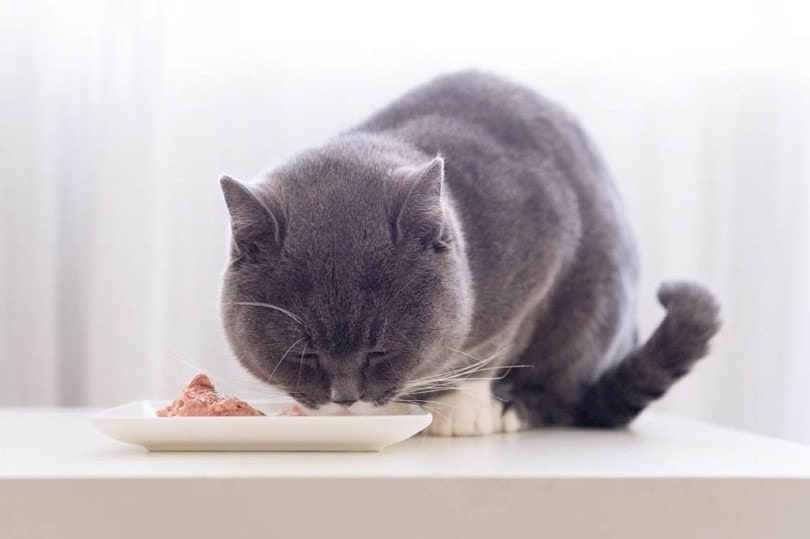
Since cats are obligate carnivores, their diet should mainly consist of meat protein. In general, an adult cat’s diet should consist of at least 26% protein, but it doesn’t hurt to serve a high-protein diet that’s 30–50% protein.
An important component that animal protein provides is amino acids that cats can’t produce on their own. There are 11 essential amino acids that all cats need in their diet. One of the most important ones is taurine.
Cats with taurine deficiency can develop feline central retinal degeneration (FCRD), dilated cardiomyopathy, and digestion issues.

Fats
A cat’s diet should also be between 20% and 40% fat. However, the sources of fat make all the difference. Healthy fatty acids, such as omega-3 and omega-6 fatty acids, are essential for maintaining bodily functioning. Specific things that fatty acids do are transport nutrients within the body and control inflammation. They are also part of the structure of cells, promote healthy growth and development, and contribute to healthy-looking skin and coat. Not all fats are the same. The best kinds of fats for cats include fish oil and krill oil. Some cat food recipes will contain sunflower oil. Although this is safe for cats to consume, it does not provide omega-3 fatty acids, so it’s not the most nutrient-dense option.
Carbohydrates
As obligate carnivores, cats are meant to eat only a low amount of carbohydrates. For example, a mouse is only 1–2% carbohydrates. If it has grains in its gut, that number could slightly increase. Regardless, cats are not meant to eat diets high in carbohydrates; protein and fats are their main energy sources.
Vitamins and Minerals
The Association of American Feed Control Officials (AAFCO) provides recommended nutritional guidelines for cats. These also contain a list of the minimum and in a few cases, the maximum amounts of vitamins and minerals that cats need to receive from their diet. Essential vitamins and minerals that the AAFCO lists include the following:
AAFCO Essential Vitamins For Cats:
AAFCO Essential Minerals For Cats:
What Vegetables Are Safe for Cats To Eat?

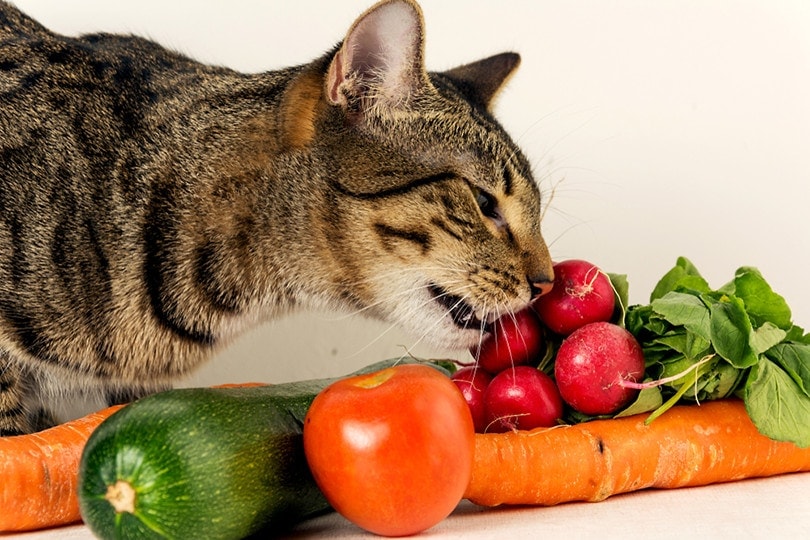
Along with spinach, cats can safely eat other kinds of vegetables. If you’re looking to provide a variety of flavors and micronutrients in your cat’s diet or to give them low-calorie and low-carb snacks, you can try serving any of these vegetables:
When you introduce a new food to your cat’s diet, make sure to give it to your cat in small increments. Drastic changes in their diet can cause an adverse reaction, such as an upset stomach.
What Vegetables Should Cats Avoid?
For the most part, cats can safely eat a wide variety of vegetables. However, there are several kinds that are unsafe for them.
Onions and garlic of all forms are toxic to cats, including food seasoned with onion and garlic powder. These vegetables can cause an upset stomach and also damage their red blood cells.
Rhubarb is also toxic to cats.

Conclusion
Overall, spinach is a safe and nutritious treat for cats, as long as they’re not prone to having calcium oxalate bladder stones. Spinach and other vegetables have high water content, so they can be a great snack to give to cats that don’t like to drink from a water bowl.
Just keep in mind that cats require a high-protein diet. Therefore, spinach and other vegetables should not take up the majority of their diet. If you ever have any concerns about meeting your cat’s nutritional needs, make sure to consult with your veterinarian.
A healthy diet is essential to your cat’s well-being and quality of life. It reduces the risk of developing health issues and can help them live longer. So, a well-balanced diet not only keeps your cat happy, but it can give you many more years of happiness with your special furbaby.
Featured Image Credit: ponce_photography, Pixabay
Get Hepper In Your Inbox


Pet care tips from our vets and experts, straight to your inbox.
You may opt-out at any time. View our Privacy Policy for more information.
Nicole is a lover of animals of all sizes but is especially fascinated with the feline variety. She’s the proud mom of Baby, a Burmese, and works every day so he can relax in the sunshine or by the fire. She’s always had a cat in her home and has spent countless days with others, observing behaviors and softening up even the grouchiest of the lot. Nicole wants to share her kitty expertise with you so you and your cat can live happy, healthy, and care-free.
Join the conversation
Ask a question, share your story, or send private feedback.