Hepper is reader-supported. When you buy via links on our site, we may earn an affiliate commission at no cost to you. Learn more.
10 Best Vegetables for Dogs: Vet-Approved Options (With Pictures)


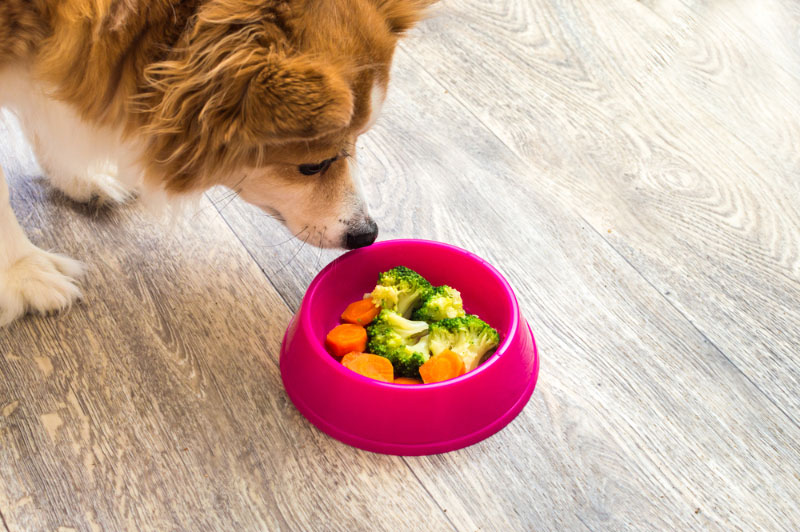
Since your dog should already be on a complete, well-balanced diet, extra vegetables are not required as they already acquire all the daily nutrition they need from their regular food. However, if you are looking for tasty treat options for your beloved pet, whether it’s for fun or as a reward during training, vegetables are a great choice. They are often healthier than most commercial treats, are usually more economical, and are likely already hanging around in your refrigerator.
Before giving you our list of 10 safe vegetables to offer your dog, it is wise to run this past your veterinarian to ensure that they are safe for your pet specifically. Why? Even some vegetables that are considered safe for our canine companions could be a no-no for yours, depending on if they have allergies or other health issues. With that said, let’s check out some of the best vegetables to feed our furry friends.

The 10 Best Vegetables for Dogs
1. Broccoli
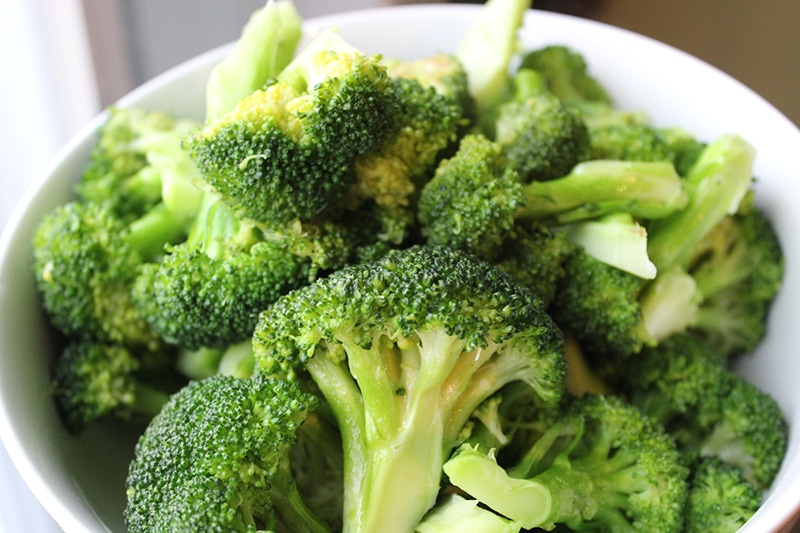
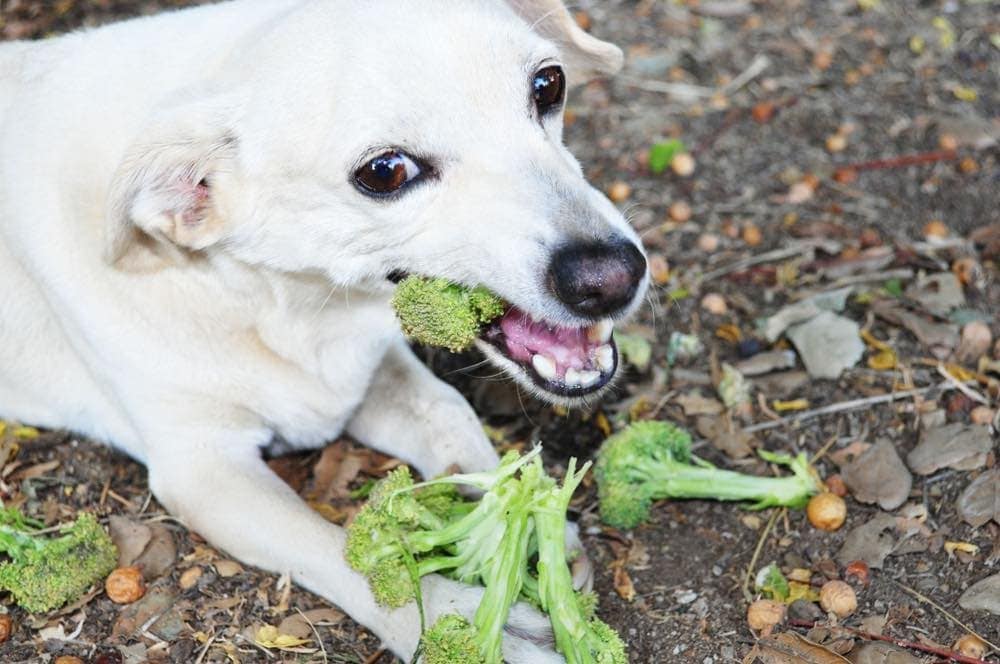
Broccoli is a low-fat, nutritious green vegetable containing vitamin C, vitamin K, potassium, magnesium, and folic acid. However, it is also full of fiber, which can increase gas, bloating, and flatulence, so be prepared!1
Be careful not to overfeed broccoli, as too much of this green goodness can irritate the gastrointestinal tract and, if the stalk is consumed, it may become stuck and cause a blockage.
2. Brussels Sprouts
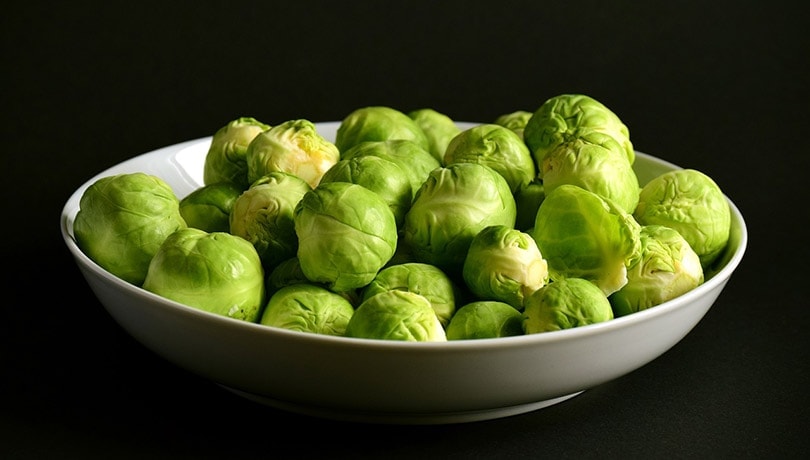
Like broccoli, brussels sprouts come with a gas warning! Too many sprouts will increase flatulence and may cause an upset stomach, but if it's a vegetable your dog likes, it is safe to feed them a couple on rare occasions. Brussels sprouts are full of fiber, antioxidants, and vitamins A, B1, B6, C, and K.
3. Bell Peppers
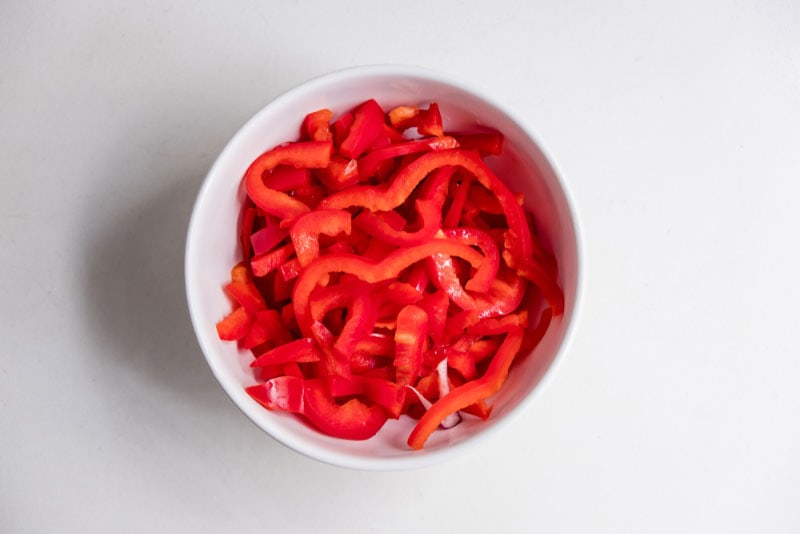
All color varieties of bell peppers pack a nutritional punch. Red peppers are the best color to feed your dog, though, as they contain the highest quantities of vitamins and minerals due to being on the vine longer. Bell peppers contain vitamins A, B6, C, E, and K, as well as beta-carotene. Be sure to remove the seeds and core of these low-calorie veggies first.
4. Carrots
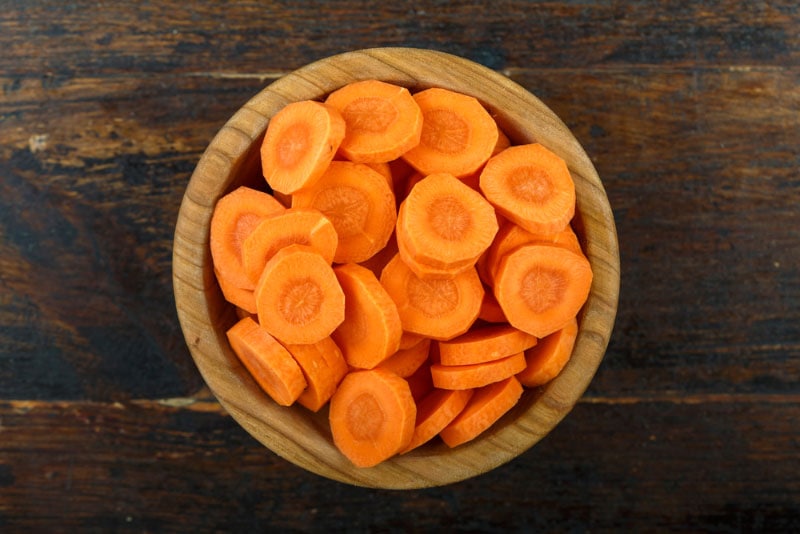
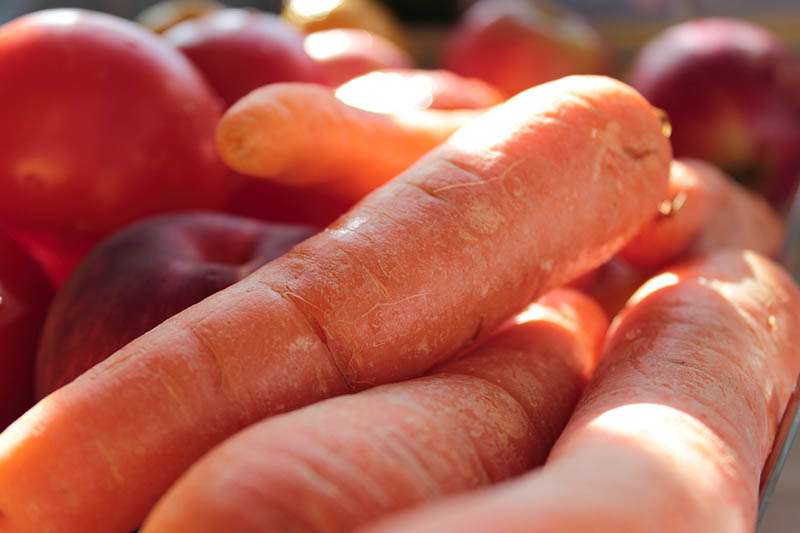
A firm favorite among many canines, likely due to their sweet taste, carrots can also be utilized in many ways. They act as a great alternative to dog chews, as the crunchiness of this veggie helps a dog’s teeth and gums stay clean and healthy. Carrots contain beta-carotene which produces vitamin A and fiber, and they are low in calories. Because of the high sugar levels in carrots, offer them in moderation.
5. Celery
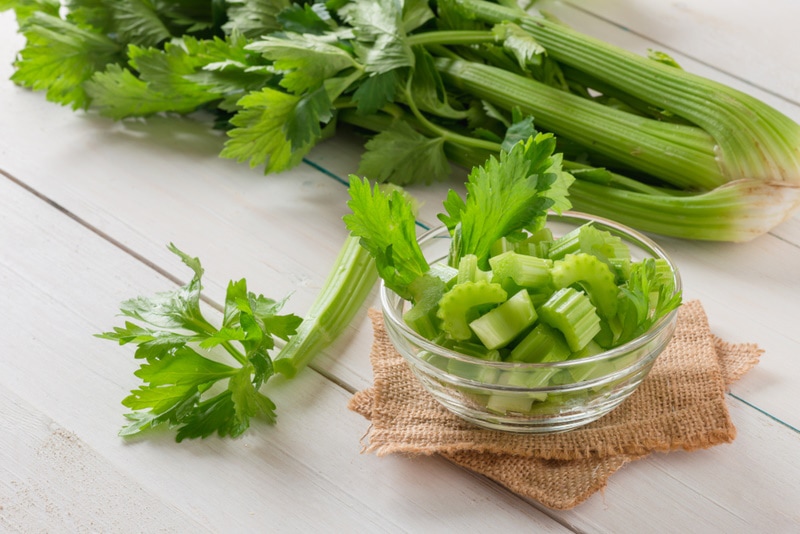
Celery requires a little extra preparation because it needs to be de-stringed first, but it is a fun water- and fiber-filled veggie. As well as being low in calories, it contains the following vitamins and minerals: vitamins A, B, C, and K, folate, potassium, and manganese. Celery is also known to freshen breath.
6. Green Beans
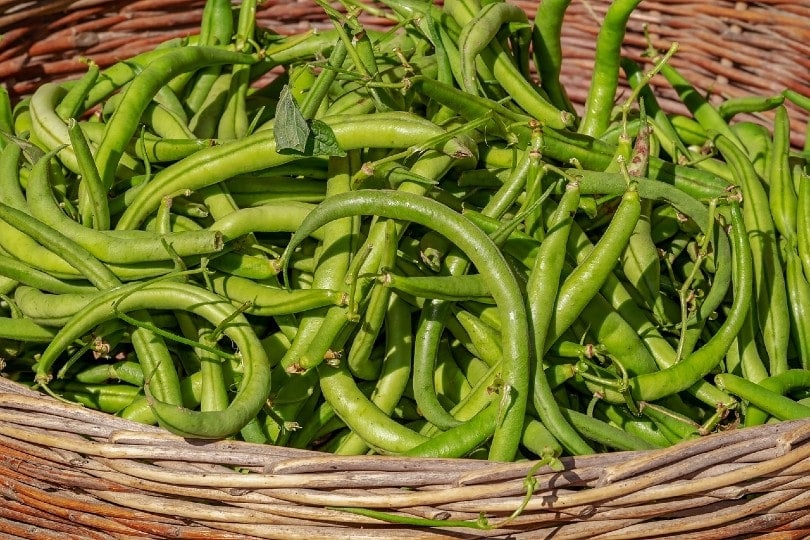
Another option of a low-calorie vegetable full of fiber and best served plain. Opt for reduced-salt or no-salt products if feeding your dog canned versions. Green beans contain iron and vitamins A, B, C, and K.
7. Peas
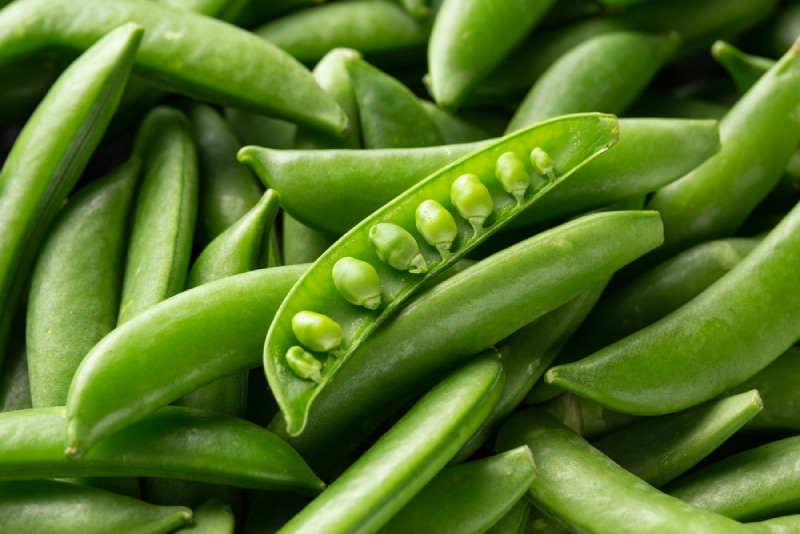
All pea varieties are safe to feed to dogs. These include green peas, sugar snap peas, garden peas, English peas, and snow peas. Canned peas are best avoided due to the high salt content, but fresh and frozen types are fine. Peas are rich in protein, fiber, folic acid, and vitamins A, C, K, and some of the B complex.
8. Sweet Potatoes

Avoid feeding sweet potatoes raw, as they are hard to digest and large pieces can become lodged and stuck in the gastrointestinal tract, causing an internal blockage. Otherwise, sweet potatoes are a nutritionally dense and amazing vegetable to offer to your pet. They contain vitamins A, C, B6, beta carotene, and manganese, and they are also full of fiber for aiding the digestive system.
9. Sweet Corn
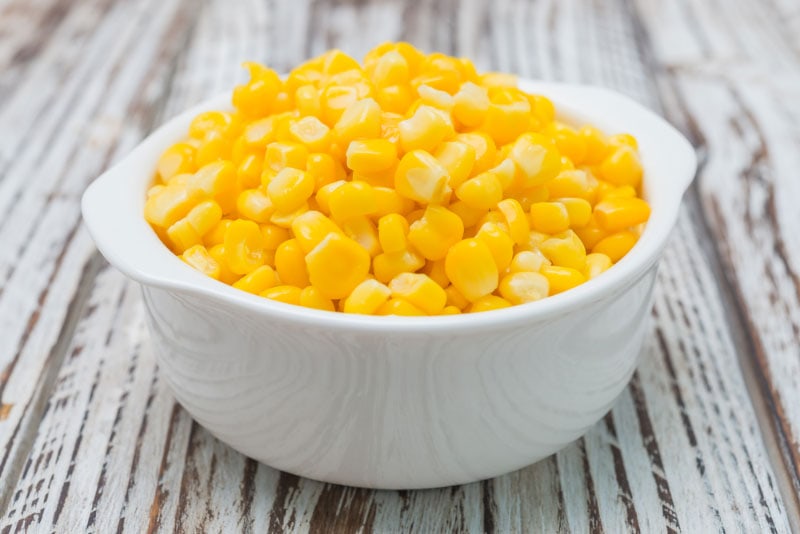
This bright yellow vegetable is a healthy choice. High in fiber, antioxidants, and fatty acids, it’s great to sprinkle on top of your pet’s main meal. Sweet corn is high in sugar, so only a little is recommended. Feeding a whole corn on the cob can cause an obstruction and blockage, so only offer your dog the kernels. Canned versions of sweet corn are another option but are not advised due to the higher salt content.
10. Zucchini
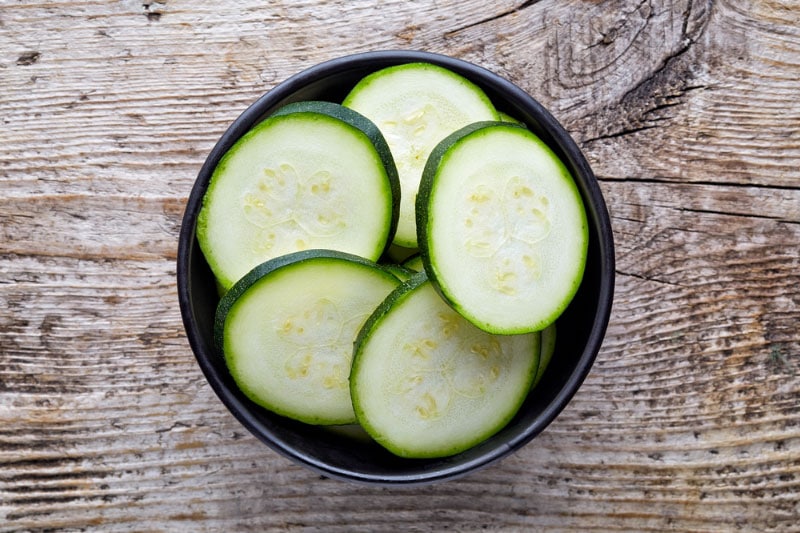
Like carrots, zucchinis can be utilized and offered in several ways and may be fed raw. Offered in small amounts and small pieces, they are low in cholesterol, fat, and calories yet high in fiber, antioxidants, and vitamins A, C, B6, and K.

Preparing Vegetables for Dogs
Preparing vegetables for your dog is similar to how we prepare them for ourselves. Wash the vegetables to clean off any soil, pesticides, or other debris, and then remove any seeds, stems, cores, and leaves. Make sure you chop or slice them into bite-sized pieces before serving them. Depending on the type of vegetable, you may wish to feed it raw, cooked, blended, steamed, pureed, or frozen.

Conclusion
Although your dog doesn’t need extra treats or supplements if they are on a complete diet, vegetables are a versatile and healthy option to use when you’re in the mood to reward your pet. They are less fattening and contain fewer additives than commercial dog treats. As well as being handy as rewards for behavioral training, they also increase the parent-pet bond. Care must be taken to ensure treats (including vegetables) make up no more than around 10–15% of your dog’s daily food intake, however.
See also:
Sources
https://www.forbes.com/advisor/pet-insurance/pet-care/what-vegetables-can-dogs-eat/
https://www.akc.org/expert-advice/nutrition/can-dogs-eat-brussels-sprouts/
https://www.akc.org/expert-advice/nutrition/can-dogs-eat-bell-peppers/
https://vcahospitals.com/know-your-pet/nutrition-general-feeding-guidelines-for-dogs
Featured Image Credit: Anastasiya Tsiasemnikava, Shutterstock
Get Hepper In Your Inbox


Pet care tips from our vets and experts, straight to your inbox.
You may opt-out at any time. View our Privacy Policy for more information.
Annaliese began her career as a veterinary nurse in Edinburgh, later advancing her qualifications with a diploma in advanced veterinary nursing in surgery from London. Her work in small and mixed veterinary practices led her to become a head nurse, where she trained other veterinary nurses, managed the nursing department, conducted nurse clinics, and developed new patient care protocols.
Throughout her career, Annaliese has cared for thousands of patients and their owners, setting higher standards in nursing regimes with a focus on surgery and anesthesia. She co-authored multiple veterinary nursing textbooks and contributed to various mainstream publications in the UK and USA. After more than twenty years in the veterinary and pet care professions, she retired from clinical practice to pursue full-time writing. Having cared for thousands of patients and owners, Annaliese specialized in surgery and anesthesia. She was asked to co-author several veterinary nursing textbooks and contributed to a number of other publications in the UK and USA. After more than two decades in the veterinary and pet care industries, she retired her scrub suit and now works as a full-time writer.
Annaliese Morgan has been a dedicated veterinary nurse for over two decades, having completed a diploma in advanced veterinary nursing in surgery from London and qualifying from Edinburgh. Her professional experience includes managing a nursing department, training other veterinary nurses, providing patient care, and running nurse clinics in both small and mixed veterinary practices.
As an expert in surgery and anesthesia, Annaliese has treated thousands of patients and owners. In addition to being asked to co-author multiple veterinary nursing textbooks, she has written for a variety of publications in the UK and USA. After a long and successful career in the veterinary and pet care professions, Annaliese now dedicates her time to writing full-time. You can find out more about her work at www.annaliesemorgan.com.
Join the conversation
Ask a question, share your story, or send private feedback.