Hepper is reader-supported. When you buy via links on our site, we may earn an affiliate commission at no cost to you. Learn more.
Can Cats Eat Cantaloupe? Vet-Reviewed Nutritional Facts & FAQ


Cantaloupe is a sweet and refreshing fruit that people enjoy all year round. It’s packed with nutrients necessary for human nutrition, along with plenty of water and fiber, but is it safe for cats?
Can cats eat cantaloupe? Yes, they can, but only in moderation. In fact, cantaloupe is often regarded as one of the strange foods that cats enjoy eating. Learn more about cantaloupe for cats and other foods that you can and can’t feed cats.

Health Benefits of Cantaloupe
Cantaloupe is a water-dense, low-calorie melon that’s an excellent source of added hydration, fiber, folate, and potassium. Melon is also a source of antioxidants, helping to protect your cat’s cells by reducing the free-radical damage that can accelerate the aging process or cause disease.
Is Cantaloupe Safe for Cats?
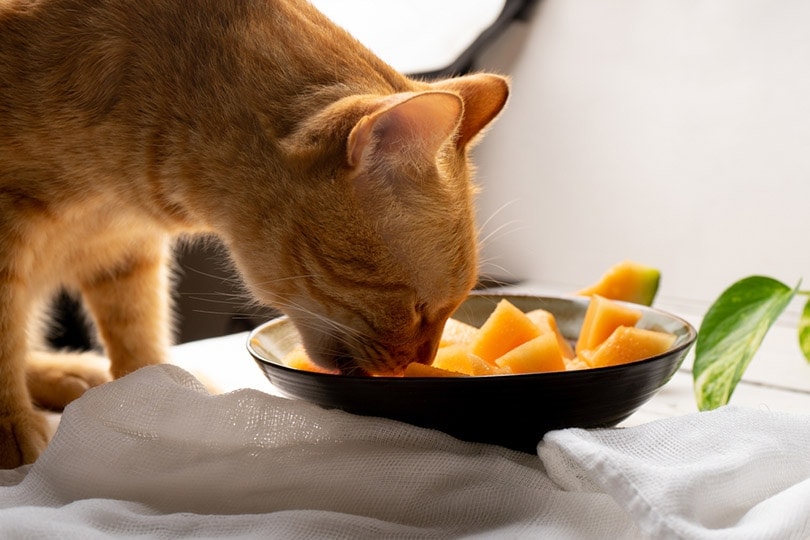
Cantaloupe and other melons are safe for cats in general. Like with other foods, though, it’s important to only feed cantaloupe to your cat in moderation. Consuming too much of this sweet fruit will result in too many additional carbohydrates in the diet, which can lead to weight gain.
As always, you should check with your veterinarian about feeding cantaloupe to your cat. If they approve, make sure to introduce it slowly with small pieces on occasion, and make sure your cat doesn’t have an adverse reaction. If your cat does experience an adverse reaction or digestive upset, such as diarrhea or vomiting, avoid feeding it to them again.
Precautions When Feeding Cantaloupe to Cats
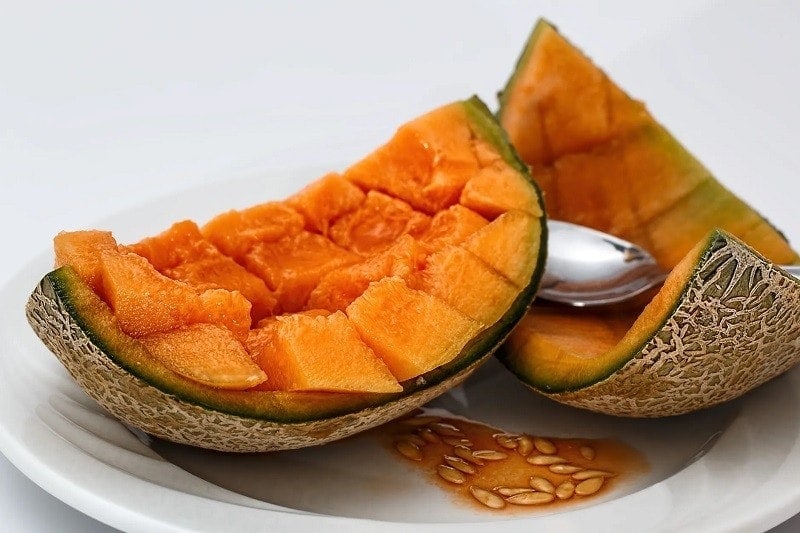
Cantaloupe has high sugar content and thus, a risk of obesity and all the diseases that overweight cats are prone to, such as diabetes. It also has a rind, and if your cat eats the rind, it can lead to GI upset, intestinal impaction, or choking. You should also avoid feeding the seeds, which can present a choking hazard.
If you do feed cantaloupe to your cat, make sure it’s free from rind and seeds. Don’t allow your cat to have a slice of cantaloupe whole—instead, offer cut pieces that are small enough for your cat to eat safely. Cats are naturally curious and likely to bite on the rind, which may have harmful bacteria, pesticides, or chemicals, or they may ingest something unsafe, like a piece of rind or seed.
Cantaloupe should only be fed as an occasional treat in small portions, not as an addition to the regular diet. In addition, if your cat has a sensitive stomach or has been diagnosed with diabetes, it’s best to avoid cantaloupe altogether.

Foods to Avoid With Cats
Cantaloupe isn’t the only human food that cats like to eat. Despite being obligate carnivores, cats like to sample all kinds of human foods, including foods that are hazardous for them.
Here are some foods you should avoid feeding your cats.
Onions and Garlic
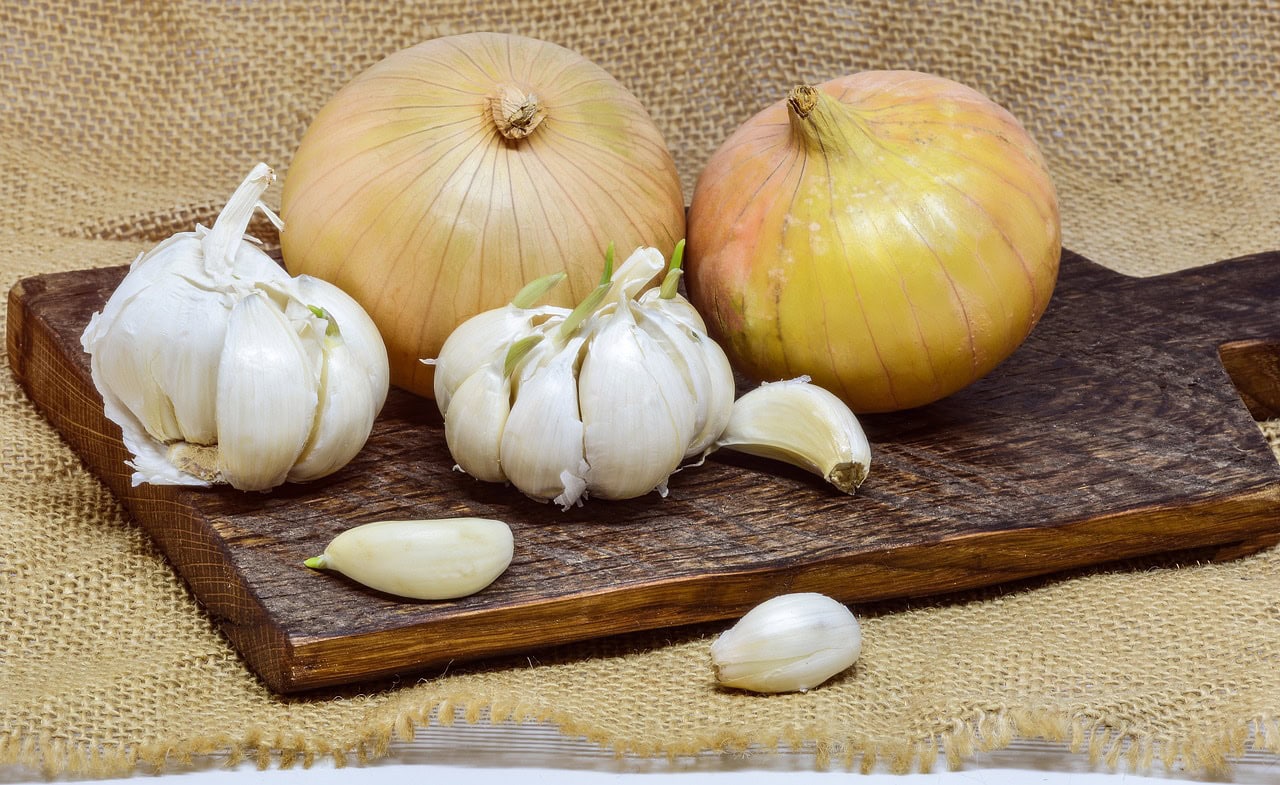
Foods in the onion and garlic family, including scallions and shallots, are poisonous to cats. Whether in whole or powdered form, they can damage your cat’s red blood cells and lead to anemia. If you suspect your cat got into some garlic or onion and shows signs like lethargy, inappetence, weakness, or pale gums, take them to the vet immediately.
Alcohol
Most people don’t give a mixed drink to a cat, but they can come in contact with alcohol from lapping a human drink. When cats ingest alcohol, they can become disoriented or experience diarrhea, vomiting, drooling, and low respiratory rate. In a high enough dose, alcohol can cause a collapse and even death in your cat.

Chocolate and Caffeine
Chocolate and caffeine are poisonous for cats and dogs. Chocolate contains methylxanthines, which can lead to vomiting, diarrhea, tremors, abnormal heart rhythm, and seizures. Caffeinated beverages also contain methylxanthines. This substance builds up over time, so avoid giving your cat any chocolate or caffeine.
Grapes
Grapes or dried grapes in the form of raisins are highly toxic to dogs. Even small amounts can cause a dog to go into kidney failure. Veterinarians still do not understand the exact mechanism of this toxicity in dogs, but as a precaution, they recommend also keeping your cat away from grapes, raisins, currants, etc. It is just not worth the risk!
Final Thoughts
Cats enjoy melons like cantaloupe, and they’re safe in moderation. Make sure to take precautions like removing the rind and seeds, and feed cantaloupe only as an occasional treat to your cat.
Related read: Can Cats Eat Minnows? Vet-Reviewed Health & Safety Guide
Get Hepper In Your Inbox


Pet care tips from our vets and experts, straight to your inbox.
You may opt-out at any time. View our Privacy Policy for more information.
Nicole is a lover of animals of all sizes but is especially fascinated with the feline variety. She’s the proud mom of Baby, a Burmese, and works every day so he can relax in the sunshine or by the fire. She’s always had a cat in her home and has spent countless days with others, observing behaviors and softening up even the grouchiest of the lot. Nicole wants to share her kitty expertise with you so you and your cat can live happy, healthy, and care-free.
Join the conversation
Ask a question, share your story, or send private feedback.