Hepper is reader-supported. When you buy via links on our site, we may earn an affiliate commission at no cost to you. Learn more.
Can Cats Eat Minnows? Vet-Reviewed Health & Safety Guide


In this article
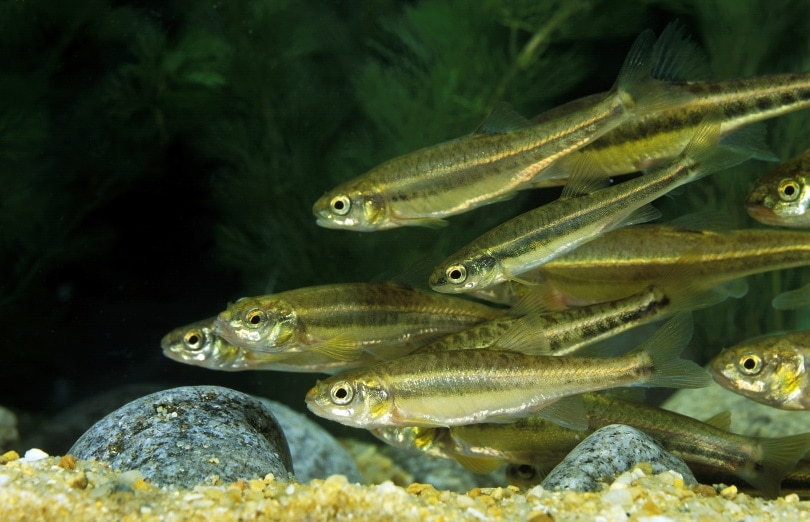
Minnows are popular pets because they are relatively easy to care for. They have very gentle personalities, so they can easily situate any freshwater tank. If you have a pet fish and a particularly curious cat living in your home, you might be concerned about what happens if your cat ends up eating one of your minnows.
Well, the answer to minnows being safe for cats to eat isn’t clear-cut. It heavily depends on the situation. For the most part, minnows are not safe for cats, as eating live or raw minnows can pose a health risk.
Let’s dive in to see why it may not be a good idea for cats to eat minnows.

Are Minnows Safe for Cats to Eat?
It’s a popular belief that cats love fish. While it’s mostly true, seafood isn’t always safe for domesticated cats. Minnows have to be prepared specially to ensure that your cat won’t get sick from eating them.
Live and Raw Minnows
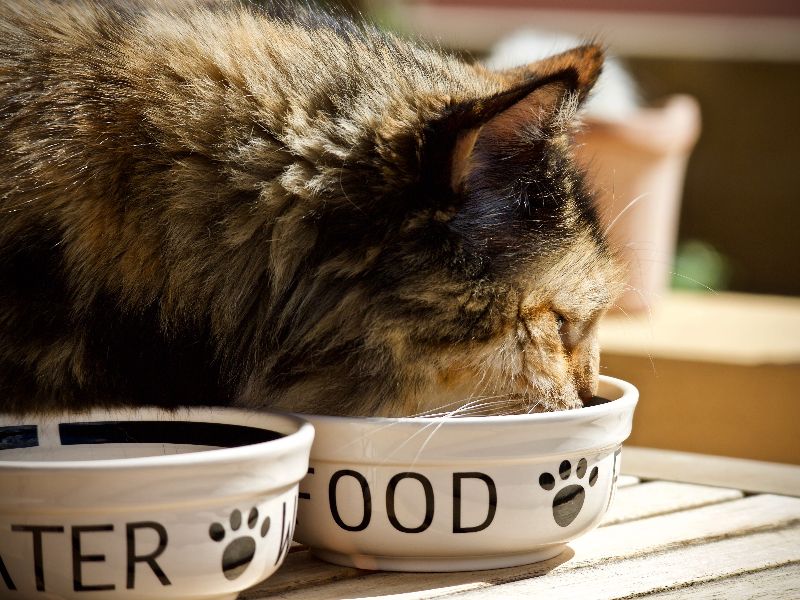
Cat owners should avoid giving their cats live or raw minnows because minnows contain an enzyme known as thiaminase. This enzyme deactivates thiamine, an important B-vitamin in your cat's body. Prolonged thiamine deficiency has detrimental effects for your cat's health.
In addition, live minnows may carry parasites that can transfer to cats. For example, minnows can be carriers of hookworm or roundworm. If your cat eats a raw or live minnow, these parasites may transfer to your cat, resulting in their parasitism and gastrointestinal distress for your feline.
It becomes worse if you have multiple cats or pets in your home. The eggs of many worms are passed by your cat in their stool. If your cats share a litter box, there’s a great chance that gut parasites will infect all of them. Therefore, wild-caught minnows should never be treats for cats because you just never know what kinds of parasites or infections they have.
Minnows from pet stores aren’t that much safer than wild minnows. Most commercial pet stores won’t regularly monitor for parasites in tanks containing small, common fish. Minnows and other fish sold as live bait or food are often housed in unsanitary, overcrowded tanks and are therefore carriers of many diseases you do not want near your cat.
Minnows That Are Safe for Cats
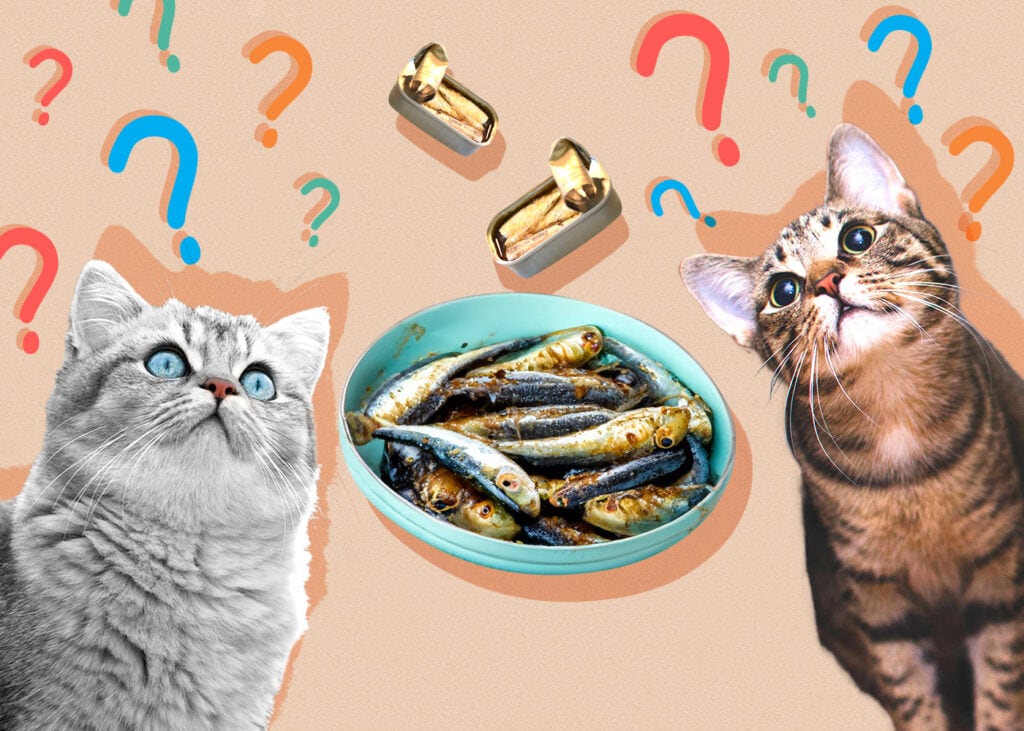
Not all minnows are dangerous for cats. If prepared the right way, they can be healthy and tasty treats. One of the best and safest ways to give your cats minnows is to buy freeze-dried minnow treats. Manufacturers prepare these tasty snacks with methods that get rid of parasites and eliminate the possibility of your cat eating an unhealthy or contaminated minnow.
You might be thinking that the heat from cooking minnows will get rid of any parasites, but it’s not that simple. Hot water alone may kill some larvae; however, most parasites–especially those in their adult form–can tolerate hot water of up to 140° F (60° C).
It can become quite the hassle to give your cat a homemade fish treat that’s been safely prepared. In most cases, the best option is store-bought treats. However, enthusiastic pet owners may set up their own minnow tanks with properly sourced and cared-for fish, if required.
You can also roast, steam, poach, bake, or grill minnows for your cat. When preparing minnows for your cat, do not add any oil, seasonings, or spices onto the fish or during the preparation process. Remember that some seasonings, such as onions, garlic, and chives, are toxic for cats.
Portion control is key when feeding your cat. If your cat isn’t used to minnows as a regular part of their diet, introducing large quantities at once may lead to an upset stomach. Start with a small piece and monitor for any adverse reactions. If your cat tolerates the intake well, you can adjust the serving size to an appropriate amount for your cat's age, activity level, and size by gradually increasing the portions on the next feeding.
Nutritional Value of Minnows
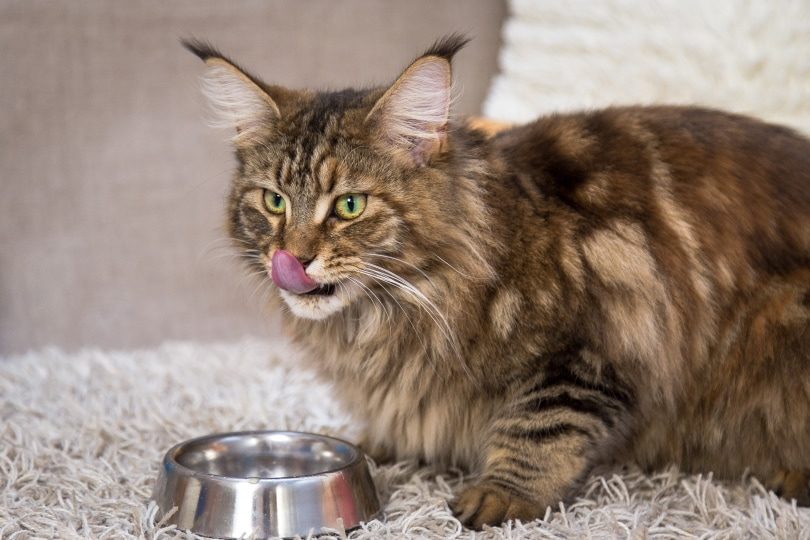
Minnows are extremely healthy snacks when they’re safely prepared. Like most fish, minnows are high in protein and are also a source of omega-3 fatty acids and fish oil, which can help improve your pet's skin and coat health, reduce inflammation, help improve joint health, and function as an immune system supplement. Minnows also have some micronutrients in the form of vitamins and minerals that are beneficial for your cat.
Cat’s Natural Diet
Cats are obligate carnivores, so they thrive on a high-protein diet with adequate amounts of healthy fats. The majority of a cat's diet should be some form of animal protein, as their protein requirements are much higher than omnivores or herbivores.
Fats are also one of the main energy sources for cats, so it’s crucial for them to eat enough fats to stay active. Cats also need several essential vitamins and minerals to stay healthy.
Now that you know what you can safely feed your cat, it’s just as important to find a bowl that supports their health and well-being. With whisker-friendly bowls and a wide tray to catch any spills, our Hepper NomNom Cat Bowl is our favorite option.

- NO MESS - The 360° tray on this cat food and water bowl set has a raised design to catch and contain stray crumbs and drips. Protect your indoors and floors from wet and messy meals!
- WHISKER FRIENDLY - Shallow and wide metal containers with flat bottoms ensure your kitty can enjoy mealtime free from whisker fatigue!
- CHEW-SAFE MATERIALS - Kittens and cats love chewing on silicone and soft rubber - but it's a choking hazard. Our cat feeding station materials are anti-chew for a 100% safe feeding frenzy!
Conclusion
Minnows can be extremely healthy and tasty treats for your cat, but improper preparation of this food can completely negate their beneficial qualities. Cat owners should never give live and raw minnows to cats because it can lead to serious consequences that put their health at risk.
Fortunately, safely prepared minnow treats are readily available, so your cat doesn’t have to miss out on eating these delicious snacks. Your cat will love you for feeding them yummy goodies while you can rest assured in knowing that your cat’s eating healthy and nutritious food.
Featured Image Credit: WebLab24_Siti_Web, Pixabay
Get Hepper In Your Inbox


Pet care tips from our vets and experts, straight to your inbox.
You may opt-out at any time. View our Privacy Policy for more information.
Nicole is a lover of animals of all sizes but is especially fascinated with the feline variety. She’s the proud mom of Baby, a Burmese, and works every day so he can relax in the sunshine or by the fire. She’s always had a cat in her home and has spent countless days with others, observing behaviors and softening up even the grouchiest of the lot. Nicole wants to share her kitty expertise with you so you and your cat can live happy, healthy, and care-free.
Join the conversation
Ask a question, share your story, or send private feedback.