Hepper is reader-supported. When you buy via links on our site, we may earn an affiliate commission at no cost to you. Learn more.
Can Cats Eat Watermelon? Vet-Reviewed Nutritional Facts & FAQ


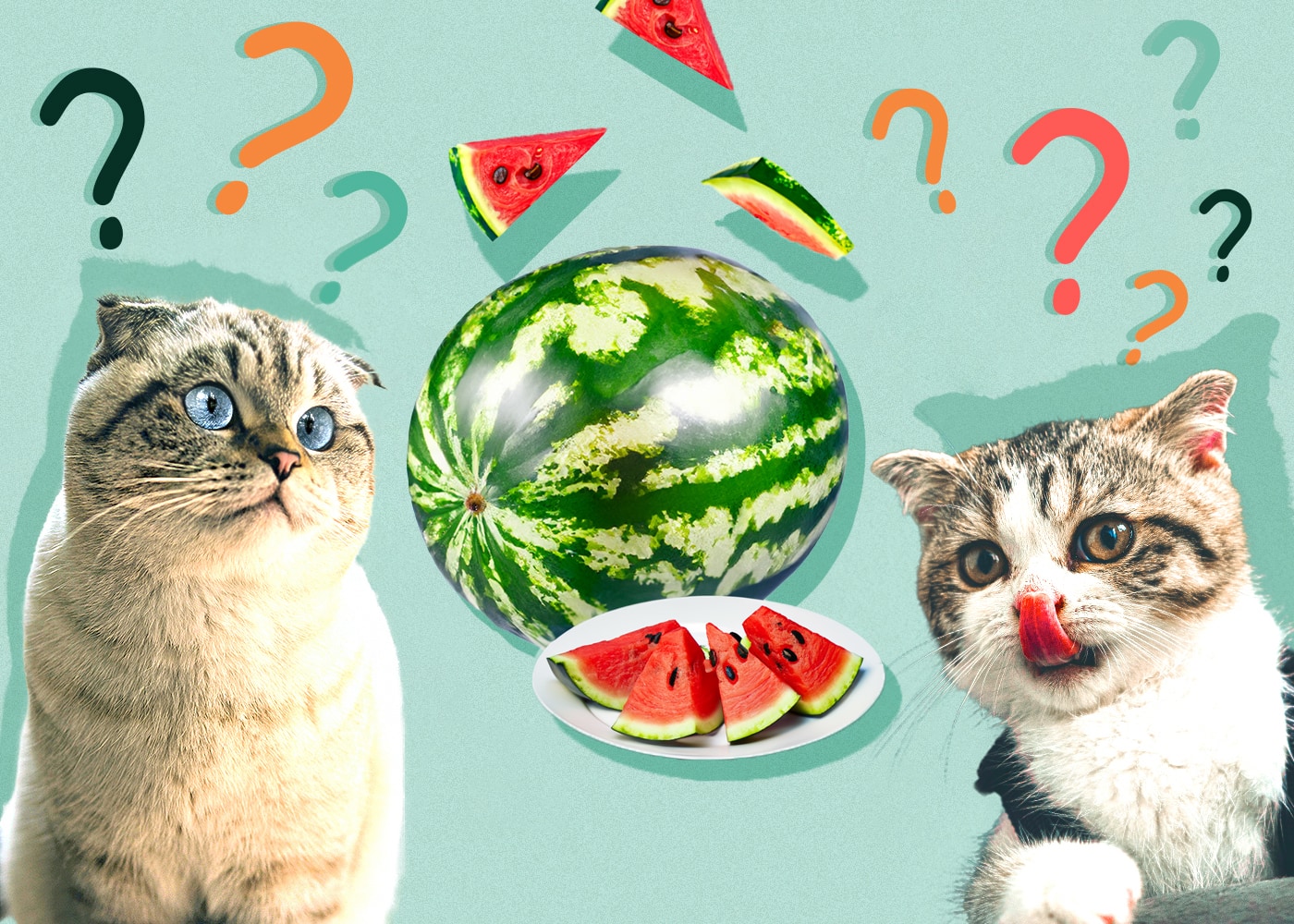
Watermelon is a refreshing treat for a hot summer day for humans. As a fruit, it's delicious and comes with interesting health benefits. However, for your feline friend, the situation may differ.
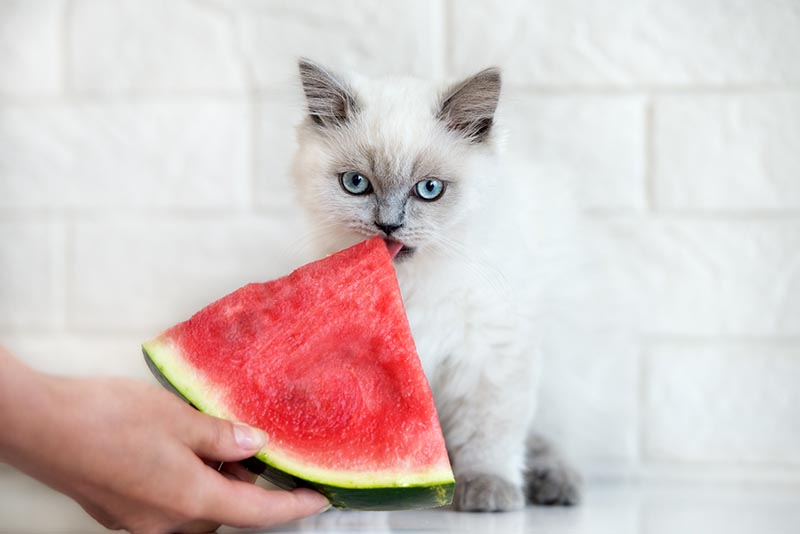
But can cats eat watermelon? The quick answer is yes, cats can consume this fruit, but you'll need to take precautions when preparing and serving it. While this fruit is non-toxic to cats, it might upset their stomach.
Some cats will love this treat, while others might not like it. Before adding watermelon to your kitty's diet, here's all you need to know.

Is it Safe to Feed Your Cat Watermelon?
As a cat owner, you might wonder if you can feed this fruit to your cat. It can be a good occasional treat because it has vitamins and antioxidants and is moisture-rich, which might be handy if your cat is not a good water drinker. Some cats are fussy about consuming water; therefore, this fruit can be a good treat option, especially during the hot summer months.
It might also be useful if your kitty is suffering from mild constipation.
Health Benefits of Watermelon
Cats are obligate carnivores and get their nutrients from meat and other foods. While watermelon doesn't fit their typical diet, they can enjoy the occasional small piece, and it does have a few benefits.

Let's take a look at some of them.
1. Water
As the name suggests, watermelon primarily contains water, about 92% of the whole fruit. Proper hydration is essential for good digestion and is part of all bodily functions.
2. Micronutrients
Watermelon is a source of micronutrients in low quantities. These include vitamins, potassium, and choline.
3. Lycopene
This antioxidant compound gives the fruit its red color and comes with various health benefits. While there are still ongoing studies to prove lycopene’s health benefits, specifically in cats, past studies in laboratory animals and humans have proven the protective effects of this antioxidant against the renal and cardiac damage caused by certain cancers and toxins.

Should You Feed Watermelon to Your Cat?
Although watermelon is not toxic to felines, it is not a species-appropriate food, because it is a carbohydrate and not a protein source. You can offer your cat a small piece of watermelon as an occasional treat. However, several precautions should be taken before giving this treat to your pet.
It Should Be Plain
Humans love to add toppings like salt or sugar when consuming watermelon. When giving the fruit to your cat, it's best to avoid these options and serve it plain. Cats don't need the extra sodium or sugar in their diet.
Make Frozen Popsicles
During extremely hot months or when your cat is dehydrated, you can opt to freeze tiny pieces of seedless watermelon and serve them as natural popsicles. This will make your feline friend curious, and they are more likely to benefit from the extra hydration that these popsicles provide.
Serve It in Moderation
Since watermelon is a treat, you should serve it to your cat only in moderation. Even if your cat enjoys the fruit, it still has high sugar content, which their bodies can't digest well. Too much watermelon can lead to stomach issues.
In addition, especially if it's their first time, some cats might not be tolerant to human foods; therefore, you need to pay attention if they develop diarrhea, vomiting, indigestion, or constipation.
Remove the Seeds
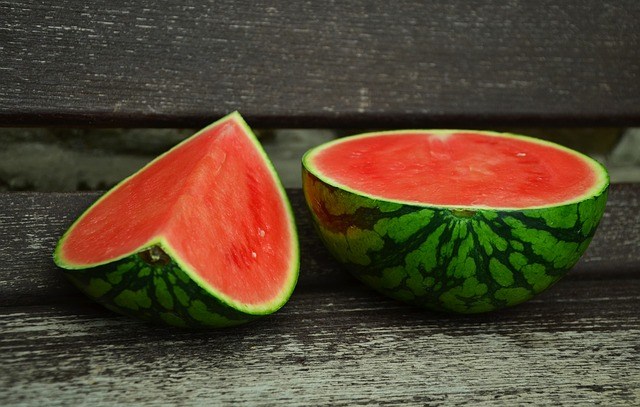
Watermelon seeds should not be consumed by your cat. They contain cyanide, which could release toxins that are harmful to your feline friend. Cyanide lowers the tissues’ ability to use oxygen. Cats exposed to cyanide become excited and present increased breath and heart rates. Drooling, watery eyes, vomiting, muscle spasms, and fecal or urinary leakage are possible signs of intoxication.
Apart from causing potential intoxications, the seeds can also be a choking hazard, especially for kittens and small cat breeds.
Remove the Rind
Just like seeds, your cat should not eat the rind. All the nutritional benefits of this fruit are found in the flesh and not the skin.
The watermelon rind tends to be hard and can be difficult for cats to chew and digest. This can cause choking, stomach upset, or even blockages. Therefore, the safest way to serve watermelon is to remove the seeds and rind.
The 4 Steps to Take Before Feeding Watermelon to Your Cat
While taking into account the precautions, here is a guideline that you can follow before feeding watermelon to your cat.
1. Talk to the Vet
Before feeding any human food to your pet, it's advisable to talk to your vet to get proper advice on the best nutrition. They can provide a guideline on which human foods are typically safe for cats to consume.
2. Calculate the Portions
Based on the vet's advice, you can decide whether to include watermelon as a treat option. The vet can also tell you about your cat’s nutritional requirements depending on their weight. If the vet allows your cat to have watermelon, it is still best to keep it to one or two tiny occasional pieces.

3. Prepare the Fruit Properly
Just like with other foods, prepare the watermelon well and safely for your cat to consume. Wash the fruit thoroughly, remove the seeds and the rind, and then cut the fruit into tiny pieces that your feline friend can handle comfortably.
4. Monitor Your Cat
Once the cat consumes the watermelon, closely monitor the reaction for any adverse gastrointestinal issues. This step is essential, especially if it's the first time that your cat has consumed watermelon.
It also makes it easier to pinpoint the cause of any potential health issues that may arise later. If you notice any issues, call your vet immediately.
Health Concerns from Watermelon Consumption
While watermelon can be safe for cats, you may want to avoid feeding it to your cat. Cats are obligate carnivores and are better off consuming protein ingredients and staying clear of additional carbohydrate sources.
Diabetes
Although watermelon contains natural sugar, it's still potentially harmful if your pet has diabetes. Even in low amounts, the sugar can trigger insulin spikes.
Obesity
If your cat is on a diet and trying to lose weight, feeding them watermelon isn't a good choice. While watermelon is not calorie-dense, the sugar content in the fruit still adds up. You'll need to avoid this fruit and any additional treats if your cat needs to lose a few pounds.


How Often Should You Feed Watermelon to Your Cat
We've established that watermelon should only be added to your cat’s diet as a treat. It should only be offered on rare occasions like hot summer days when you wish to entice your cat to increase their hydration with frozen watermelon “popsicles.” Treats should never make up more than 10% of a cat's diet, especially if they are not species-appropriate treats. Cats mostly require meat and protein in their diet; therefore, fruit treats should only be offered on rare occasions. It would be best if you concentrated more on high-quality cat food to keep your pet healthy.
Alternatives to Watermelon for Your Cat
If you are looking for additional hydrating options, there are alternatives to watermelon that you can go for. The best would be bone broth prepared without onion or garlic. You can even freeze this to make species-appropriate popsicles. While carnivores like cats do not require vegetables, they can have a small amount of vegetables to mimic the food content in their prey’s digestive system. These foods are also good options if your cat does not like watermelon. You can feed them vegetables like zucchini, spinach, celery, carrots, pumpkin, or broccoli. Pet owners should introduce these alternatives in small amounts to supplement a cat's primary food.
Summary
Feeding your cat a piece or two of watermelon occasionally is not harmful. This fruit is safe for your feline friend as long as you take precautions to remove the seeds and the rind. You also need to closely monitor your cat if they encounter any digestive reactions from eating this fruit.
Watermelons are also safe as long as your cat is not diabetic or obese. Furthermore, they are perfect for hydration and come with beneficial antioxidants. Therefore, you can add them to your cat's diet as treats.
See also:
Featured Image Credit: Paul Brennan, Pixabay
Get Hepper In Your Inbox


Pet care tips from our vets and experts, straight to your inbox.
You may opt-out at any time. View our Privacy Policy for more information.
Nicole is a lover of animals of all sizes but is especially fascinated with the feline variety. She’s the proud mom of Baby, a Burmese, and works every day so he can relax in the sunshine or by the fire. She’s always had a cat in her home and has spent countless days with others, observing behaviors and softening up even the grouchiest of the lot. Nicole wants to share her kitty expertise with you so you and your cat can live happy, healthy, and care-free.
Join the conversation
Ask a question, share your story, or send private feedback.