Hepper is reader-supported. When you buy via links on our site, we may earn an affiliate commission at no cost to you. Learn more.
Can Cats Eat Mango? Vet Approved Facts & FAQ



In this article
If you’re someone who likes to consume tropical fruits, particularly mango, you may be wondering if your cat can also enjoy this sweet delight. So, can cats eat mango? Or is this fruit unsafe for feline consumption?
Cats are obligate carnivores and rely on nutrients found in animal tissues to meet their nutritional requirements, they don’t need fruit in their diet. That said, cats can safely eat mangos, though you should be familiar with their benefits and health risks.

A Well-Balanced Cat Diet
As true carnivores, cats need animal protein in their diet, as such foods contain the nutrients that felines require to be happy and healthy.
In their natural environment, cats mainly hunt prey high in protein, with minimal carbohydrates and moderate amounts of fat. For a well-balanced diet, felines also need the correct intake of vitamins, minerals, and amino and fatty acids.
Due to the specific nutrients that cats need to prosper, it’s best to offer high-quality commercial cat food to them. Such products are designed to contain all the essential nutrients that a cat requires to be healthy and strong. Your cat should also have constant access to fresh water, which is necessary for almost all metabolic functions and helps prevent dehydration.

Can Cats Eat Fruits? Is Eating Fruits Safe for Cats?
Although fruits are not something that should become a regular part of your cat’s diet, nibbling on cat-safe fruits every now and then can be a good treat for your feline.
As true carnivores, cats don’t actually need fruits in their diet, especially since most are high in sugar, contain too much fiber, and have little nutritional value for your feline.
Our cat companions also lack the taste receptor for sweetness, so fruit's sweet taste typically does not spark a cat’s interest.1 Instead, most felines like fruits due to their unusual texture.
So, while there’s no need for your cat to consume fruits, your feline can eat several different fruits as treats. Still, you have to offer them sparingly and in moderation to prevent possible health problems. Cats who have underlying health conditions such as diabetes, or those on a special diet, should avoid eating fruit entirely.
Which Fruits Are Safe for Cat Consumption? Which Ones Are Not?
Here is a list of the most common cat-safe fruits and some of the nutrients they contain, along with a list of fruits considered unsafe for cats. We always advise checking with your vet before adding a new food to your cat’s diet to make sure it is suitable for their individual situation.
| Cat-Safe Fruits and Nutrients | Fruits Unsafe for Cats |
| Mango (fiber, vitamin C, vitamin B6 and B9 vitamin A) | Grapes |
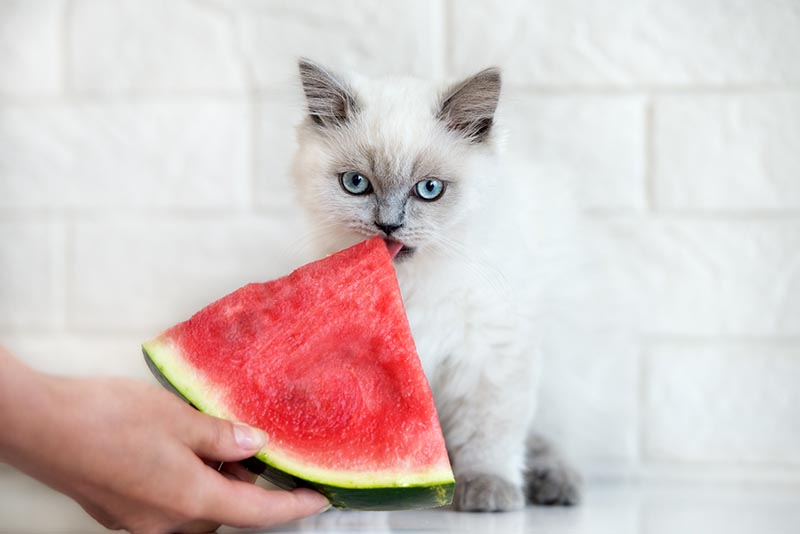
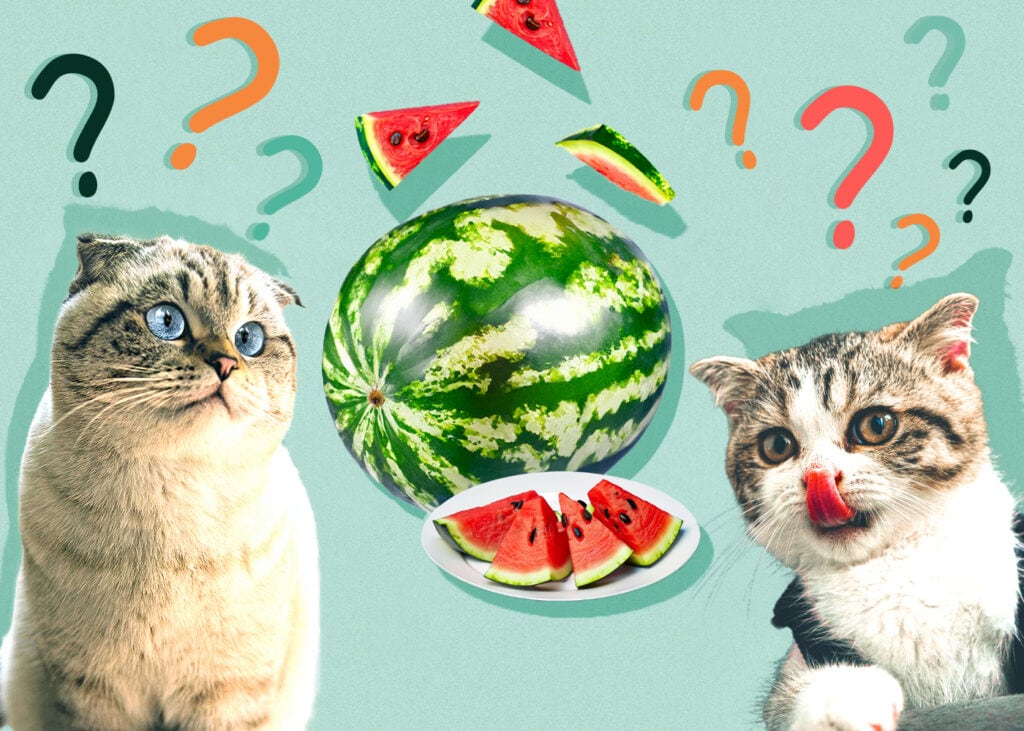
| Watermelon (extra hydration, vitamin C) | Raisins |
| Banana (vitamin B6, vitamin C, potassium) | Lemons |
| Strawberries (folate, vitamin C, potassium, antioxidants, fiber) | Limes |
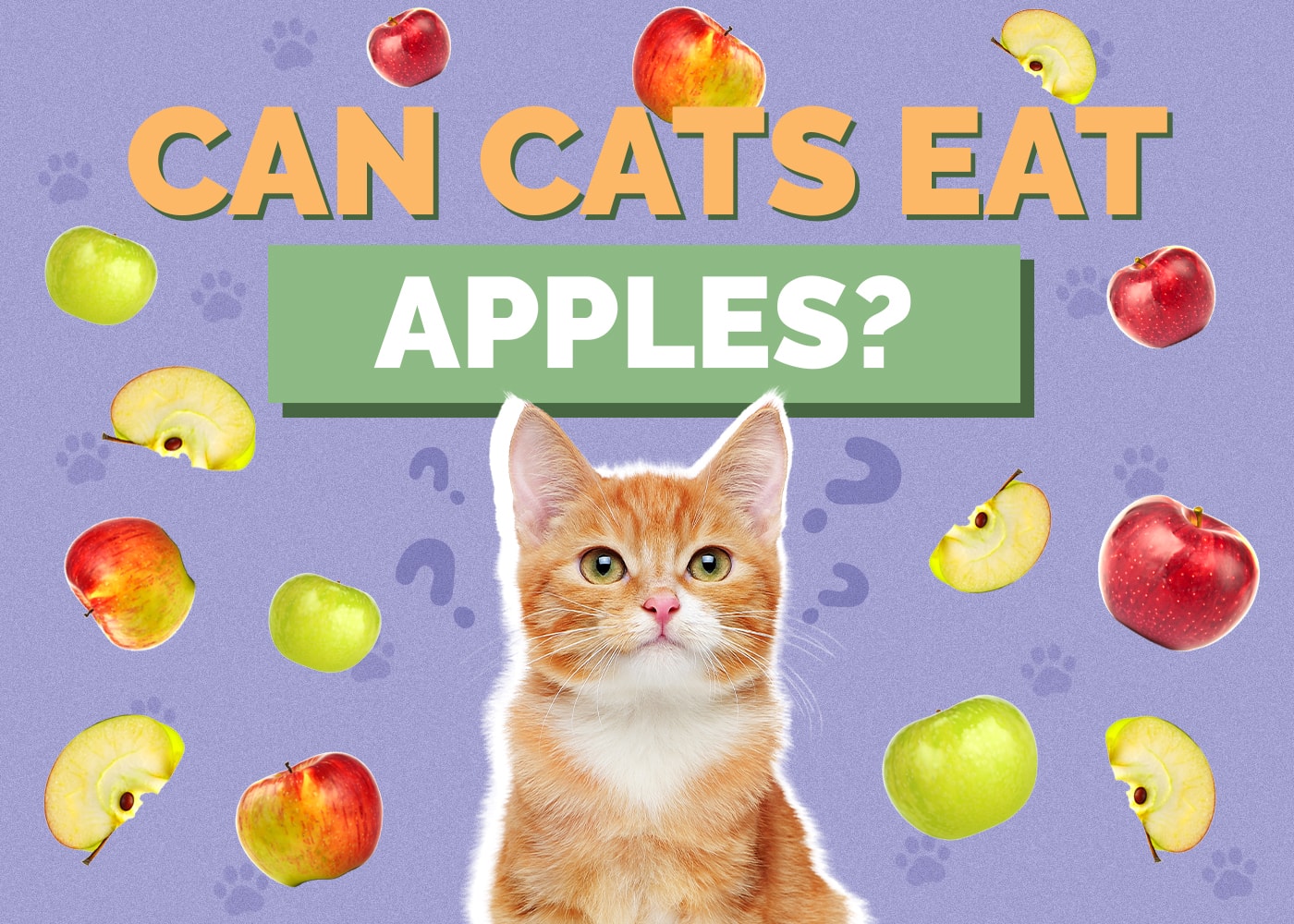
| Apples (calcium, vitamin K, vitamin C) | Oranges |
| Cantaloupe (vitamin C, fiber, antioxidants) | Grapefruits |

Mango Overview
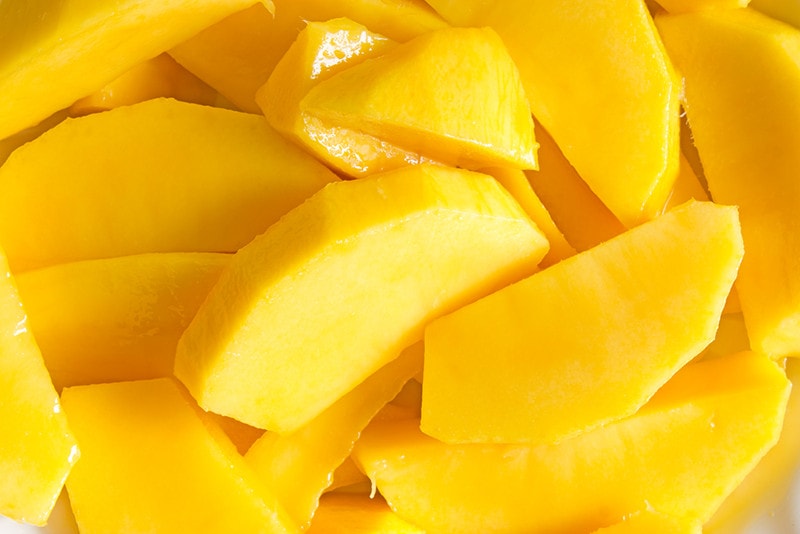
Mango is a tropical fruit native to southern Asia, coming from the tree known as the Mangifera indica. The mango tree can reach a height between 98 and 131 feet, producing large fruits that take around 4–5 months to ripen.
Mango fruits are usually yellow, orange, or green, depending on their variety, and they’re mainly known for their sweet taste.
| Fruit: | Mango |
| Toxic to cats: | Non-toxic to cats |
| Commonly allergenic: | No |
| Species-appropriate: | Not species-appropriate |
| Feeding frequency: | Occasionally (treat) |
| Feeding quantity: | Moderate/small amounts |
Mango Nutrients
Here is a list highlighting the most important nutrients in mangos.
| Nutrients | Amount (1 medium-sized mango) |
| Calories: | 202 kcal |
| Protein | 3 grams |
| Fat | 1 grams |
| Carbohydrates | 50 grams |
| Sugar | 45 grams |
| Fiber | 5 grams |
Source: https://www.webmd.com/diet/health-benefits-mango
When it comes to its nutritional value, mango is not particularly nutritious for cats because it’s low in protein and high in sugar and carbohydrates.
The Downsides of Feeding Mango to Your Cat

High Sugar Content
Cats don’t need any sugar in their diet, as it can negatively impact their health. Mangos have a high sugar content, and eating them regularly can lead to consumption of excess calories and weight gain. Obesity is a major health concern for cats making them more prone to many serious health conditions including joint disease and diabetes. If your cat is already diabetic they should not be given high sugar treats such as mango.
Some felines have particularly sensitive digestive tracts and experience gastrointestinal issues, including abdominal pain, vomiting, and diarrhea, after consuming sugary foods.
Choking Hazard
A mango represents a potential choking hazard for cats if not prepared correctly. If you give this fruit to your cat, you should never offer the pit or the peel. These mango parts are hard to chew, meaning your feline could choke or go on to cause intestinal obstructions. The pit also contains harmful toxins.
The Advantages of Feeding Mango to Your Cat
Cats don’t require fruits in their diet, so theoretically, a mango is not something that they would eat. Although mango contains vitamins including B6, A, C and folate, and potassium, in the small amounts your cat should be eating mango, they are unlikely to be getting any significant benefits from it. Your cat should be getting all their essential nutrients from their balanced and complete diet. It's also important to note that cats can produce their own vitamin C so they do not require it in their diet like humans do.
However, eating a small amount of mango every now and then won’t usually harm your feline. As long as you have got the all clear from your vet first and know how to offer this treat to your furry friend, you shouldn’t encounter any problems.
How Much Mango Is Safe for Cats?
Cats should only consume mango in moderation, as an occasional treat. While there’s no precise rule on how much mango is safe for cats and how often you should offer it, there are general guidelines.
It’s best to offer this type of fruit in small quantities, up to a tablespoon occasionally. This amount shouldn’t affect your cat’s diet and their regular nutrient and calorie intake. Not all cats will enjoy the acidic taste of mango and many will prefer healthier meat-based snack options.

Frequently Asked Questions (FAQ)
How Can I Feed Mango to My Cat?
Here’s a list of tips that will ensure that you feed mango to your cat in the best possible way to lower the risk of any mishaps:
- Check in with your vet before including mango or any other new food in your cat’s meals. They are familiar with your cat’s current diet and health and will be able to confirm if this fruit is entirely safe for your specific cat.
- Use a fresh, ripe mango, without any added sugar or preservatives.
- Wash the mango fruit.
- Remove the peel, remove the flesh from the pit, and chop the mango into small bite-sized pieces so your cat can easily chew them.
- Monitor your cat for any behavioral changes, and ensure that there are no reactions after eating mango fruit. If you notice any signs of illness in your cat, contact your veterinarian.

Can Cats Eat Dried or Canned Mango?
Cats shouldn’t eat dried and canned mangos as these products have an even higher sugar content and could contain other ingredients, such as artificial dyes, sweeteners, and similar chemicals and substances, that are harmful to cats.
Therefore, you should only offer fresh mango to your cat.
Final Thoughts
Cats can eat mango but they should only consume this fruit in moderation and in small amounts.
Consuming too much of this fruit could cause tummy troubles in your cat and lead to weight gain and several other problems, so only offer it as an occasional treat. Due to the high sugar content and lack of nutritional benefits, there are healthier treat options for our feline friends which they often prefer anyway. Look for commercial meat-based treats specially designed for cats, or a small piece of plain cooked lean meat such as chicken is usually a well-received treat!
Related reads:
Sources
Featured Image Credit: Bowonpat Sakaew, Shutterstock
Get Hepper In Your Inbox


Pet care tips from our vets and experts, straight to your inbox.
You may opt-out at any time. View our Privacy Policy for more information.
Visnja is a content writer that covers various topics such as DIY, pets, home improvement, travel, gardening, and more.
She is a young mom and a college student, who didn’t have enough time to balance her personal and work life, so after multiple years of working a regular 9 to 5 job, she decided to pursue her passion and make a living out of it. She has been writing for a couple of years, helping people find valuable and interesting information online.
Join the conversation
Ask a question, share your story, or send private feedback.