Hepper is reader-supported. When you buy via links on our site, we may earn an affiliate commission at no cost to you. Learn more.
Can Cats Eat Saltines? Vet Reviewed Facts & Info

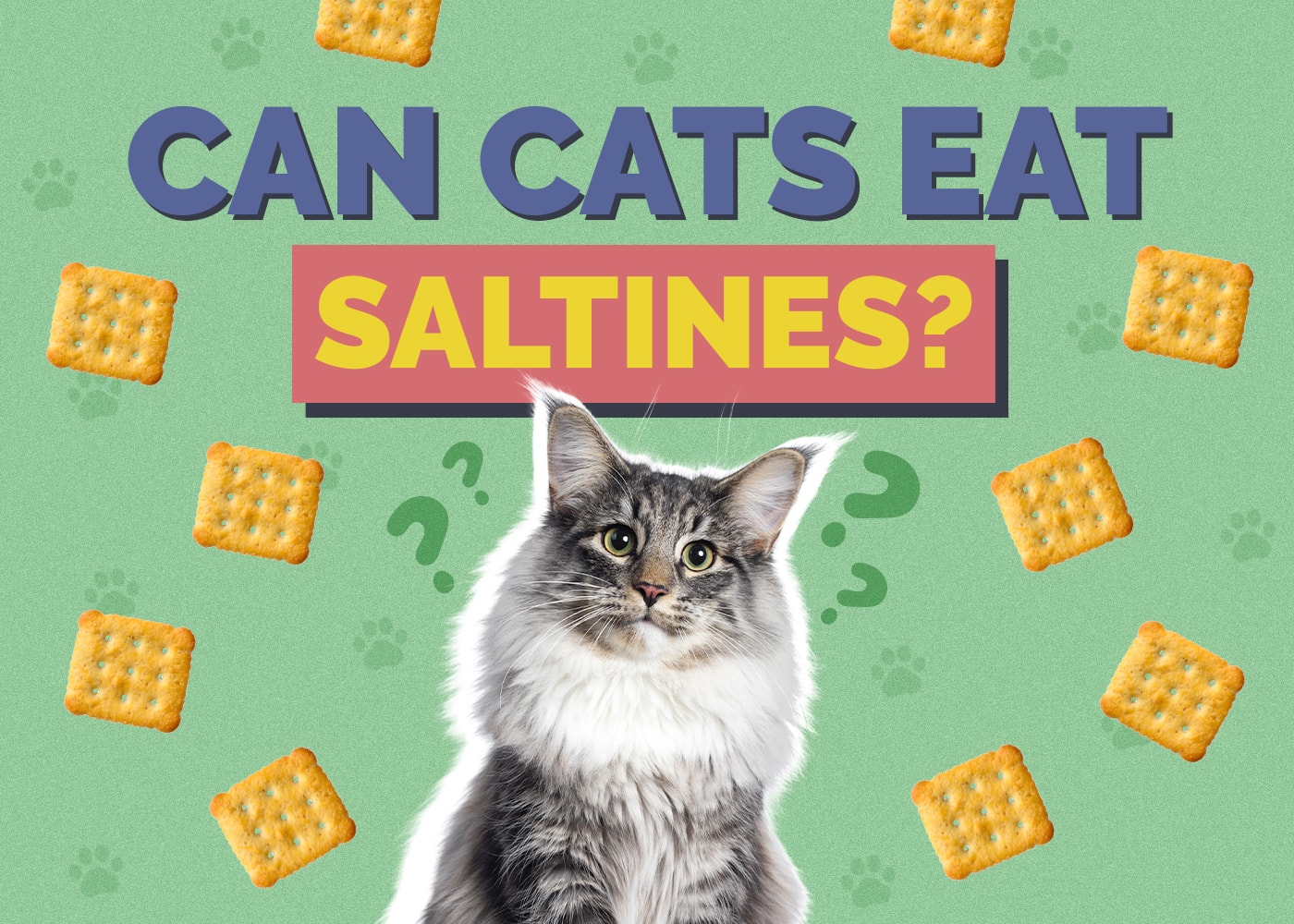
Many cat owners like to give their cats a wide variety of treats to keep things interesting. Although saltine crackers might have a crunchy texture similar to cat treats, it’s not healthy for cats to eat. Many veterinarians discourage cat owners from feeding their cats these salty snacks.
Cats shouldn’t eat saltines and other kinds of bread because they provide no nutritional value and they can be difficult to digest. Consistently feeding cats this food can lead to serious consequences.

Why Shouldn’t Cats Eat Saltine Crackers?
Cats are obligate carnivores, so they don’t need to eat a lot of carbohydrates. Their digestive system also isn’t able to process carbohydrates very well. Therefore, grains aren’t a part of a cat’s natural diet. Saltine crackers also have a lot of salt in them, and consumption of excessive salt can be a bad idea for some cats. These snacks also often have preservatives in them to extend their shelf life.
Therefore, the combination of carbohydrates, salt, and preservatives makes saltines a very unhealthy snack for cats. Not only does it lack nutritional benefits, but it can also cause digestive issues for your cat. Since cats can’t process saltine crackers very well, they can get an upset stomach if you feed them these snacks.
Signs of an upset stomach are the following:
If your cat has an upset stomach, keep track of their signs, and if they persist, make sure to contact your veterinarian.

What to Feed Cats with Upset Stomachs
When humans get upset stomachs, we can eat saltine crackers and other plain carbs to feel better. However, saltine crackers are one of the worst foods you can give a cat with an upset stomach. If your cat has an upset stomach, better options can help your cat feel better. One food that’s safe for cats to eat is organic canned pumpkin. Pumpkin has fiber, which can help stop diarrhea and loose stool.
If your cat enjoys eating pumpkin, you can mix it into their food. Just make sure that you only buy organic 100% pure canned pumpkin. Non-organic canned pumpkins can contain preservatives and additives that could potentially make your cat feel sicker.
You can also feed your cat very bland cat food with limited ingredients. Your cat may have a sensitive stomach, and it might have difficulty processing different kinds of food. Sometimes, cats will benefit most from a simple diet. If your cat consistently develops an upset stomach multiple times a month, you can try to give them probiotics to help support their gut and digestive system. It’s a more natural way to help your cat recover a healthy gut microbiome.
It’s not normal for cats to throw up regularly. If they’re frequently vomiting, make sure to contact your veterinarian to find the root cause of their upset stomachs.
A Cat’s Natural Diet
Now that we know that cats don’t need a lot of carbohydrates, it’s important to know what they do need in their diets. Overall, cats require a high-protein diet with adequate amounts of healthy fats.
Protein
The Association of American Feed Control Officials (AAFCO) is an organization that provides set standards for healthy pet food. AAFCO standards state that cat food should consist of at least 26% protein. However, those standards are based on the minimum amount. Ideally, adult cats generally need their food to be at least 30–40% protein. Anything less than this can lead to muscle loss over time.
When you look for high-quality cat food, make sure that the ingredient list contains real animal protein as the first ingredient. Look for meat such as chicken breast, beef, turkey, or lamb.
Low-quality cat food will often list meat meal, such as chicken meal, as the first ingredient. Meat meal is a vague term, so you won’t ever really know what goes inside it. Therefore, it’s best to avoid this ingredient, especially if your cat has a sensitive stomach or food allergies. Also, cats need meat protein and can’t survive on a plant-based diet. A plant-based diet isn’t sufficient for cats because it doesn’t have the essential amino acids that they must eat to survive. One such amino acid is taurine.
Cats can’t produce taurine on their own, so they have to get it from a food source. Animal protein, such as beef and chicken, contains high amounts of taurine. Therefore, plant-based foods don’t meet a cat’s nutritional needs.
Cats with a taurine deficiency can experience fatal consequences. They can develop central retinal degradation (CRM) and dilated cardiomyopathy (DCM). CRM can end with a cat living with irreversible blindness, while DCM can lead to heart failure. Both CRM and DCM are completely preventable illnesses if your cat consumes enough taurine in their diet.

Fats
Low-fat diets are bad for cats because fat is a significant energy source for them. Fat also supports healthy skin and coat, and it helps move nutrients between cell membranes.
A cat’s diet should consist of 20–24% fat. Common sources of fat that you can find in cat food recipes are krill oil, fish oil, and sunflower oil. Safflower oil, flaxseed oil, and coconut oil aren’t as common, but you can still find them in some pet foods. All these oils are considered safe for cats to eat, although animal-based oils are more species-appropriate and therefore better metabolized by cats.
Vitamins and Minerals
Cats also need specific vitamins and minerals in their diet. High-quality cat food that is complete and balanced will contain sufficient amounts of these essential vitamins and minerals, so you don’t have to worry about adding supplements to your cat’s diet.
Water
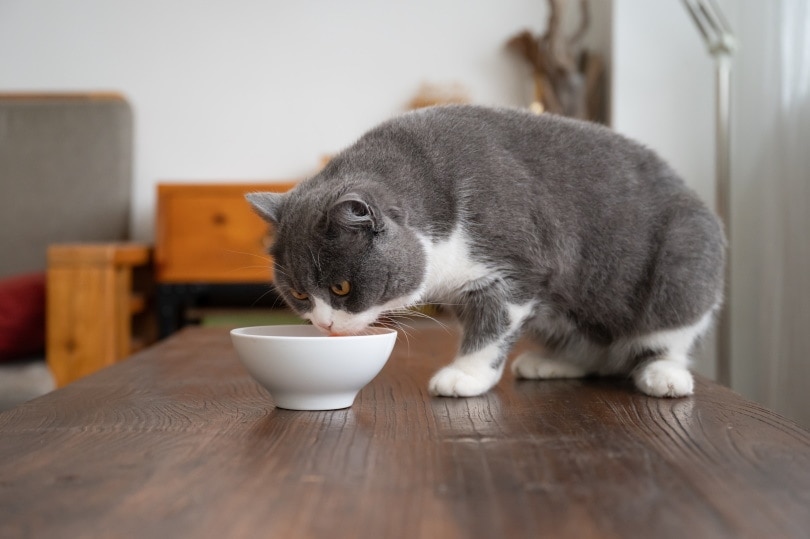
Cats also need to drink between 3.5–4.5 ounces of water per 5 pounds of their weight. Therefore, a 10-pound cat should drink between 7–9 ounces of water.
Some cats don’t enjoy drinking water from a stationary water bowl. You can try adding more water to a cat’s diet by adding broth to their food or switching from dry kibble to moisture-rich fresh or wet cat food. If your cat faces frequent dehydration, it can benefit from adding electrolytes to their diet.

Wrapping Up
Overall, cats should not eat saltines because they’re essentially junk food that doesn’t contain any nutritional value. Saltines can make them feel sicker, so there are many more nutritious options that they can eat. You’re better off feeding your cat a crunchy cat treats or a high-protein snack.
Related Read: Can Cats Eat Ginger? Potential Health Benefits
Featured Image Credit: Tafilah Yusof, Pixabay
Get Hepper In Your Inbox


Pet care tips from our vets and experts, straight to your inbox.
You may opt-out at any time. View our Privacy Policy for more information.
Oliver (Ollie) Jones is a zoologist turned freelance animal writer living in South Australia with his partner Alex and their mini zoo consisting of many aquatic creatures, dog Pepper, and of course, cat Steve. Ollie is originally from the USA and holds a Master's degree in wildlife biology. He hopes to share his feline knowledge and expertise with people so they can share in his passion and help their cats live their best lives.
Join the conversation
Ask a question, share your story, or send private feedback.