Hepper is reader-supported. When you buy via links on our site, we may earn an affiliate commission at no cost to you. Learn more.
Can Cats Eat Chestnuts? What You Need to Know!
In this article
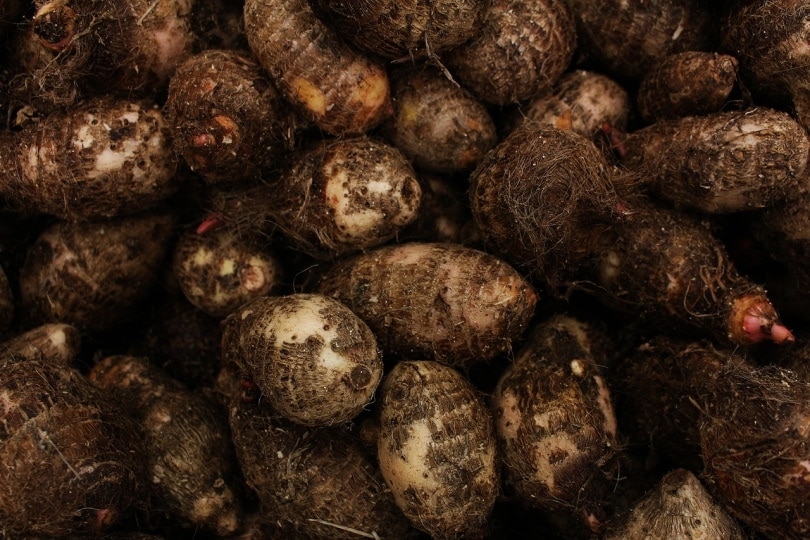
Chestnuts are a seasonal favorite around the winter holidays. Sometimes, they are left out in the open on a table or countertop for easy access. If you have a cat, you may have caught your cat playing with chestnuts or even trying to eat them.
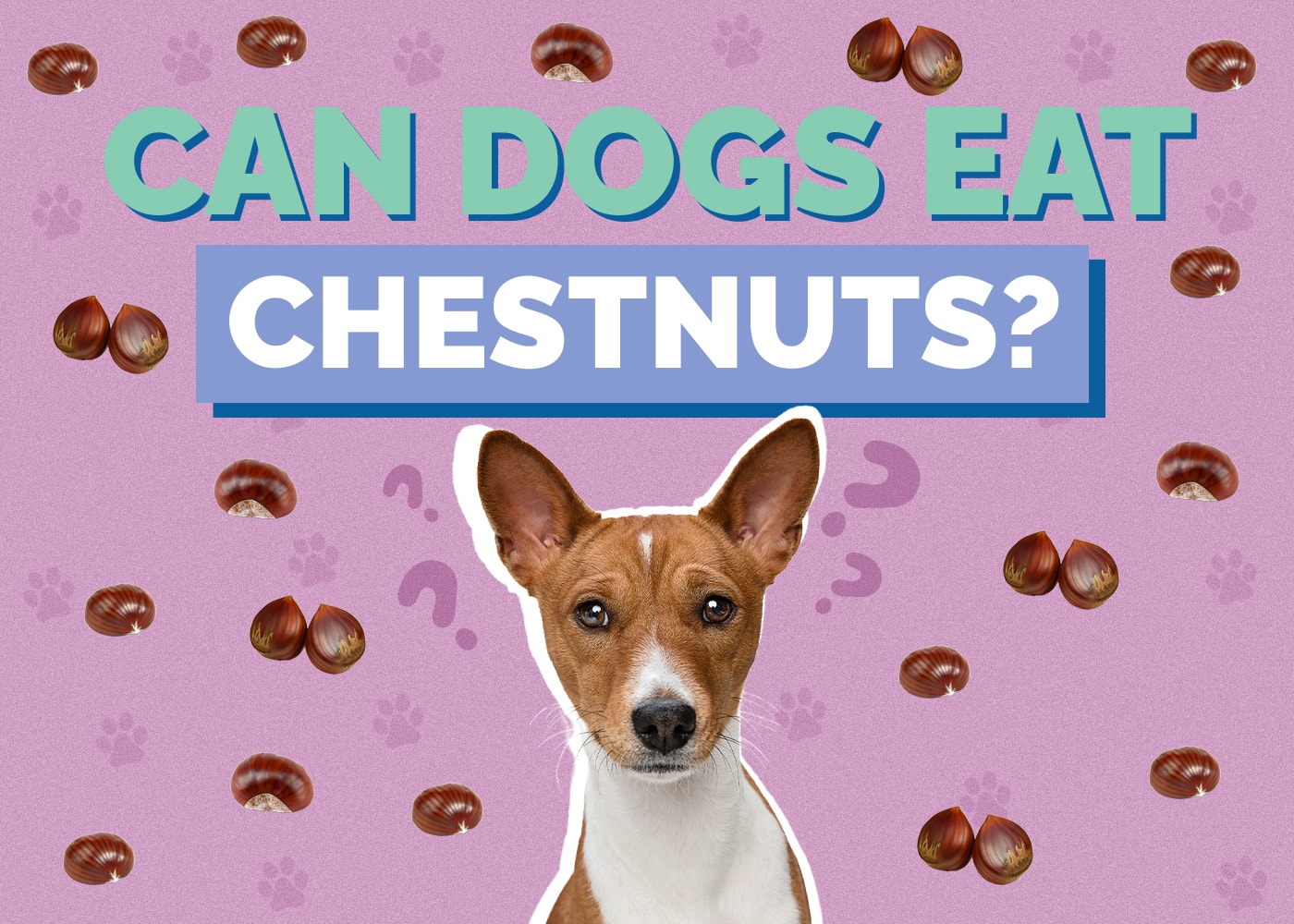
But is it safe for your cat to eat a chestnut? Yes, chestnuts are safe, but in moderation. Here’s what you need to know about letting your cat eat chestnuts.

Can Cats Eat Chestnuts?
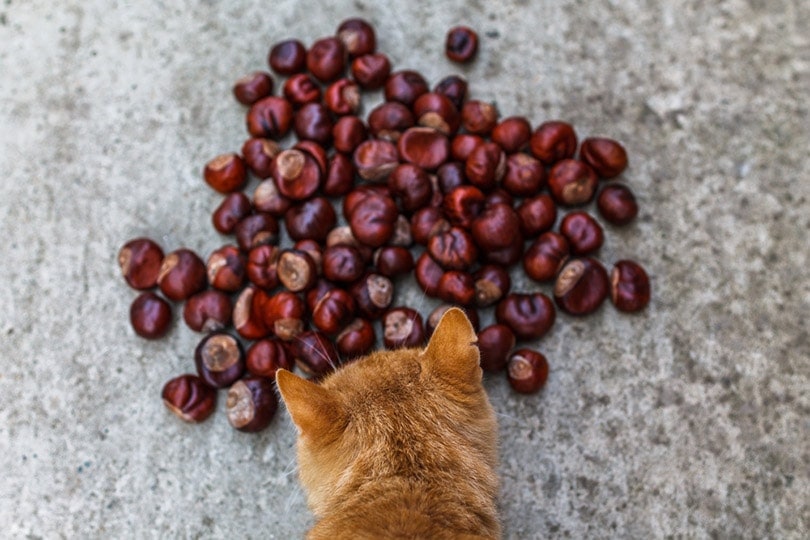
According to the ASPCA, chestnuts and the leaves and stems of chestnut plants are safe for cats to eat. However, horse chestnuts, which are also sometimes called buckeyes, are toxic to cats and should not be consumed. Horse chestnuts are not a common item in most households, so this risk is higher for outdoor cats that may come into contact with these plants in the wild.
Are Chestnuts Good for Cats?
In moderation, chestnuts aren’t necessarily bad for cats. However, most vets recommend avoiding feeding nuts to cats at all. One big reason for this is that cats have a small esophagus and trachea, which increases their risk of choking on small food items, like nuts. Nuts can also become lodged in the stomach or intestines, causing an obstruction, which can require emergency surgical intervention to correct in extreme cases.
Chestnuts are high in nutrients, like magnesium, B vitamins, potassium, fiber, and protein, all of which can be good for cats. However, they are a calorie-dense food that contain high levels of fat. This means that one or two nuts can make a significant impact on your cat’s daily calorie intake. Fatty foods, like nuts, also increase the risk of your cat developing pancreatitis.
What Can Happen if I Feed My Cat Too Many Chestnuts?
Overfeeding chestnuts and fatty foods regularly can lead to pancreatitis, an inflammation of the pancreas that essentially leads to the pancreas digesting itself. It’s a painful and dangerous condition. Pancreatitis is more common in dogs than in cats, but it can occur with the overfeeding of high-fat foods.
Other risks associated with chestnuts are digestive problems. Chestnuts and other fatty nuts can lead to diarrhea, abdominal cramps, nausea, and vomiting. Your cat may also experience inappetence or constipation.
If you’ve given chestnuts to your cat and you notice they seem to be having significant abdominal pain and tenderness, nausea and vomiting that aren’t resolving, lethargy, severe diarrhea or notable constipation, bloating, or weakness, you should have your cat seen by the veterinarian as soon as possible. These can be signs of an intestinal obstruction, which can quickly become deadly if left untreated.
What Precautions Should I Take if I Feed Chestnuts to My Cat?
If you decide to offer chestnuts to your cat, you should consider a few things. Depending on the size of the nut and your cat, you may need to chop it into bite-sized pieces to reduce the risk of choking and intestinal obstruction. Even if your cat is simply playing with a chestnut, it’s a good idea to make sure it’s not a choking size due to the risk of accidental or intentional ingestion.
You should also only offer unsalted nuts to your cat. There should be no seasonings or other additives. Plain nuts without the shell can be offered in very small quantities. Many seasonings are not safe for cats, and cats do not need the extra sodium they’d get from consuming salted nuts.
Now that you know what you can safely feed your cat, it’s just as important to find a bowl that supports their health and well-being. With whisker-friendly bowls and a wide tray to catch any spills, our Hepper NomNom Cat Bowl is our favorite option.

- NO MESS - The 360° tray on this cat food and water bowl set has a raised design to catch and contain stray crumbs and drips. Protect your indoors and floors from wet and messy meals!
- WHISKER FRIENDLY - Shallow and wide metal containers with flat bottoms ensure your kitty can enjoy mealtime free from whisker fatigue!
- CHEW-SAFE MATERIALS - Kittens and cats love chewing on silicone and soft rubber - but it's a choking hazard. Our cat feeding station materials are anti-chew for a 100% safe feeding frenzy!
Conclusion
When offered in moderation, chestnuts are generally a safe option for cats. However, they pose a choking risk and a risk of intestinal obstruction, pancreatitis, and stomach upset. Cats do not require nuts in their diet, so there’s no reason to go out of your way to begin offering chestnuts to your cat. If your cat shows an interest in a chestnut, you may offer a small bite to them, but don’t make a habit of it.
Since chestnuts are high in fat and calories, they are not a good option for cats due to the risk of obesity, pancreatitis, and digestive problems. There are much better treat options for cats, like cooked chicken and fish, as well as food and treats that are formulated specifically for cats. Due to the risks associated with overeating chestnuts, it’s a good idea to keep them up out of the reach of your cat, so they don’t begin snacking on them or accidentally ingesting them during play while you’re not around to stop them.
See also:
Featured Image Credit: Couleur, Pixabay
Get Hepper In Your Inbox


Pet care tips from our vets and experts, straight to your inbox.
You may opt-out at any time. View our Privacy Policy for more information.

After nine years as a veterinary assistant, Brooke Billingsley transitioned to a career as a nurse in 2013. She lives in Arkansas with her boyfriend, sharing their home with three dogs, two cats, five fish, and two snails. A dedicated animal lover, Brooke has a special place in her heart for special needs pets, including a three-legged senior dog and a famous cat with acromegaly and cerebellar hypoplasia. Fish keeping is one of her hobbies, and she is constantly improving her knowledge to care for her aquarium pets. Brooke is an active yoga enthusiast, having obtained her 200-hour yoga teacher certification in 2020. She believes in the importance of continuous learning and dedicates time each day to developing new skills and expanding her knowledge.
Join the conversation
Ask a question, share your story, or send private feedback.