Hepper is reader-supported. When you buy via links on our site, we may earn an affiliate commission at no cost to you. Learn more.
Can Cats Eat Pecans? Vet Approved Facts & Potential Alternatives


In this article
Cats are curious creatures that sometimes lead the charge with their mouths, a behavior that can be frightening for their owners. It’s not uncommon for cat parents to find their cats face-first in a bowl of whatever their owners were eating last, leading to some frantic Googling to find out if what they’ve chowed down on is toxic for them. Luckily, pecans aren’t toxic for your cat, but that doesn’t mean they should be eating them.
While pecans may not be toxic, they don’t have the same nutritional benefits for cats that they do for humans. If your cat ingests too many pecans, it can upset the stomach, leading to vomiting or diarrhea. If they contain mold, this can cause serious gastrointestinal and neurological signs, while trying to swallow a whole pecan can lead to choking or a blockage. Read on to learn more!

What Do Cats Normally Eat?
Cats are known scientifically as obligate carnivores1, or hypercarnivores. Cats need to eat a well-balanced diet comprised of a bare minimum of 26-30% proteins according to AAFCO guidelines2, depending on life stage, and most quality commercial diets have much more than this cut-off value.3 The bare minimum ensures survival, while higher protein levels help your cat thrive. The enzymes that are produced by gut bacteria in herbivores, used to break down plant material, are not present in cats’ stomachs or intestines, as their bodies are designed for existing off animal proteins almost entirely.
However, this doesn’t mean that no plant material is present in their diet. Cats will occasionally eat grass, although it remains unknown exactly why they do so. There is anecdotal information that they do so because they are feeling nauseous or have hairballs or an upset stomach, but this does not seem to be the case based on recent research4, and it may be actually related to instinctual behavior inherited from their ancestors. We just don’t know. Still, nuts and other plant materials are not recommended sources of nutrients for cats since they can cause gastrointestinal distress, and will not provide the cat’s bodies with all the nutrients they need for a healthy active life.
What’s the Nutritional Value of a Pecan?
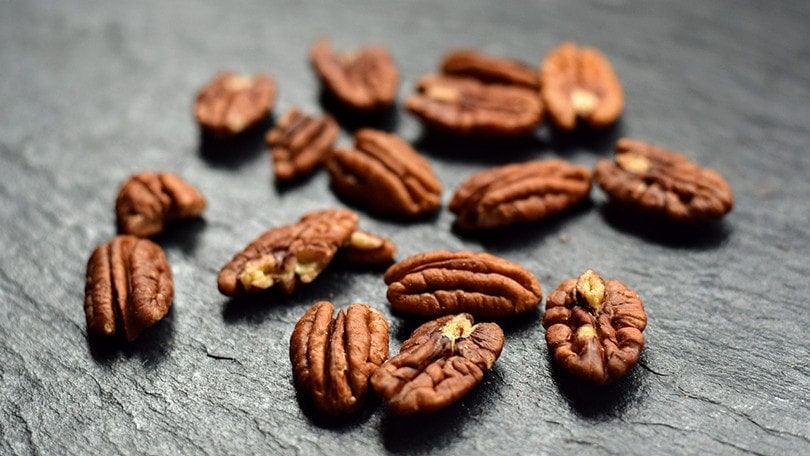
One ounce of pecans has about 196 calories, 20.4 grams of fat (1.8 saturated), 2.7 grams of dietary fiber, vitamins A and E, calcium, potassium, omega-3 fatty acids, and zinc. This is jam-packed with nutrients for omnivorous and herbivorous animals despite its fat amount.
However, the beneficial nutrients aren’t nearly as important when consumed by an animal that can’t break the nuts down correctly. Rather than feed your cat nuts for the nutrients, consider alternative nutrient sources that provide the same nutrients in a profile more appropriate for the cat's dietary needs.
Potential Concerns with Pecans
If a cat attempts to swallow a whole pecan, they may experience choking, which is a veterinary emergency. On the other hand, if they do swallow it, or eat a few, there may be a bigger problem. Because of pecans’ structure and shape, if swallowed whole, they may also cause a blockage of the stomach or intestines. Along with causing stomach upset, pecans can be contaminated by mold, which can cause serious gastrointestinal and neurological signs in your cat. A small piece of mold-free pecan is safe for most cats, but keep in mind that mold is often difficult to see by the naked eye, and there are safer options for your cat than this nut.
High fat content in pecans is also not ideal, as it may lead to a stomach upset and could potentially predispose some animals to pancreatitis, although the exact link between the percentage of fat in the food and pancreatitis remains unclear.
Alternatives to Pecans
When looking for nutrient alternatives for food, you’ll want to break the source down into its nutritional components and substitute other options for those components.
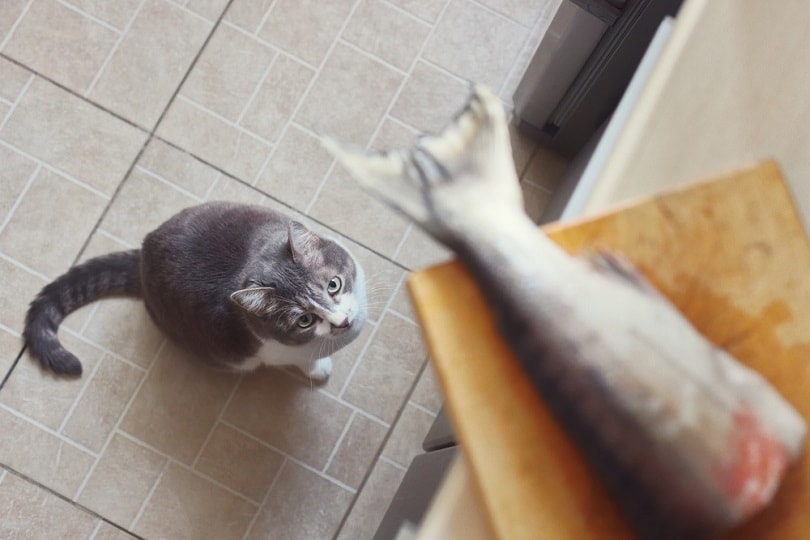
Consider giving your cat mackerel or salmon to get those omega-3 fatty acids in the pecans. Many cat foods already contain mackerel and salmon because they’re such a dense source of nutrients for cats.
Pecans are also a great source of nutritional oils, but for cats, mackerel or sardines is a more species-appropriate choice for dietary oils.
Lastly, pecans have a pretty high amount of protein, but your cat should already be getting enough protein from their regular diet. Proteins should be a bare minimum of 26-30% of their diet. If your cat lacks protein, you’ll want to look at the contents of their regular foods first.
Good cat food comprises more than 30% proteins and will satisfy their dietary protein needs. If your cat isn’t getting enough protein, their health will suffer, and over time, they may develop serious essential amino acid deficiencies, such as a lack of taurine, that will leave consequences on their heart and eyes. Speak to your vet if you’re not sure how much protein your cat should have.
So, instead of pecan, you can supplement your cat’s food with a little bit of cooked meat if you don’t use any spices or oils during the cooking process.
Final Thoughts
Just because our cats want something doesn’t mean we should give it to them. Pecans may not be toxic, but they can leave our cats with gastrointestinal distress and even cause more severe illnesses, if they are contaminated with mold, or cats try to swallow them whole. So, it is best to give them more appropriate foods for their dietary needs.
As always, if you are unsure if what your cat ingested is safe for them, a call to your veterinarian can help alleviate any worries surrounding their eating habits. If you suspect your cat may have ingested a poison or toxic food, call your vet immediately.
If your cat is interested in pecans, one that is crushed won’t hurt them in the long term. But you should look for more suitable foods that your cat can indulge in instead of pecans for long-term feeding.
See also:
Sources
Featured Image Credit: LisaRedfern, Pixabay
Get Hepper In Your Inbox


Pet care tips from our vets and experts, straight to your inbox.
You may opt-out at any time. View our Privacy Policy for more information.
Luxifa is a freelance writer with a passion for animal science and technology. She loves to share the world of animal science with people to help them make informed decisions for themselves and their pets. Luxifa has worked in professional pet care for over six years and realised she could help change the world of pet care by bringing the information people needed to them in terms they could understand. Knowledge is power and she loves to help everyone become the most informed they can be.
Join the conversation
Ask a question, share your story, or send private feedback.