Hepper is reader-supported. When you buy via links on our site, we may earn an affiliate commission at no cost to you. Learn more.
Can Dogs Eat Chestnuts? Vet-Approved Safety Facts & FAQ


In this article
Chestnuts are a delicious snack for humans that offer several vitamins and minerals and are low in fat, making them a healthy go-to treat. They can be eaten roasted, raw, ground into flour, or even mixed into pastries for an added nutty flavor.
Although chestnuts are an excellent nutritional food for humans, can dogs eat chestnuts? Most dogs will watch you eat these nuts with envy or jump at the chance to snatch one that has fallen to the ground, but is it safe? The good news is, yes, your dog can eat most types of chestnuts (the edible ones) but only in small quantities. However, horse chestnuts or conkers are toxic, and you should never let your dog eat one of these. Remember that it is always important to consult with your vet if you are planning on offering your dog any new human food they’ve never had before.

Types of Chestnuts That Are Safe
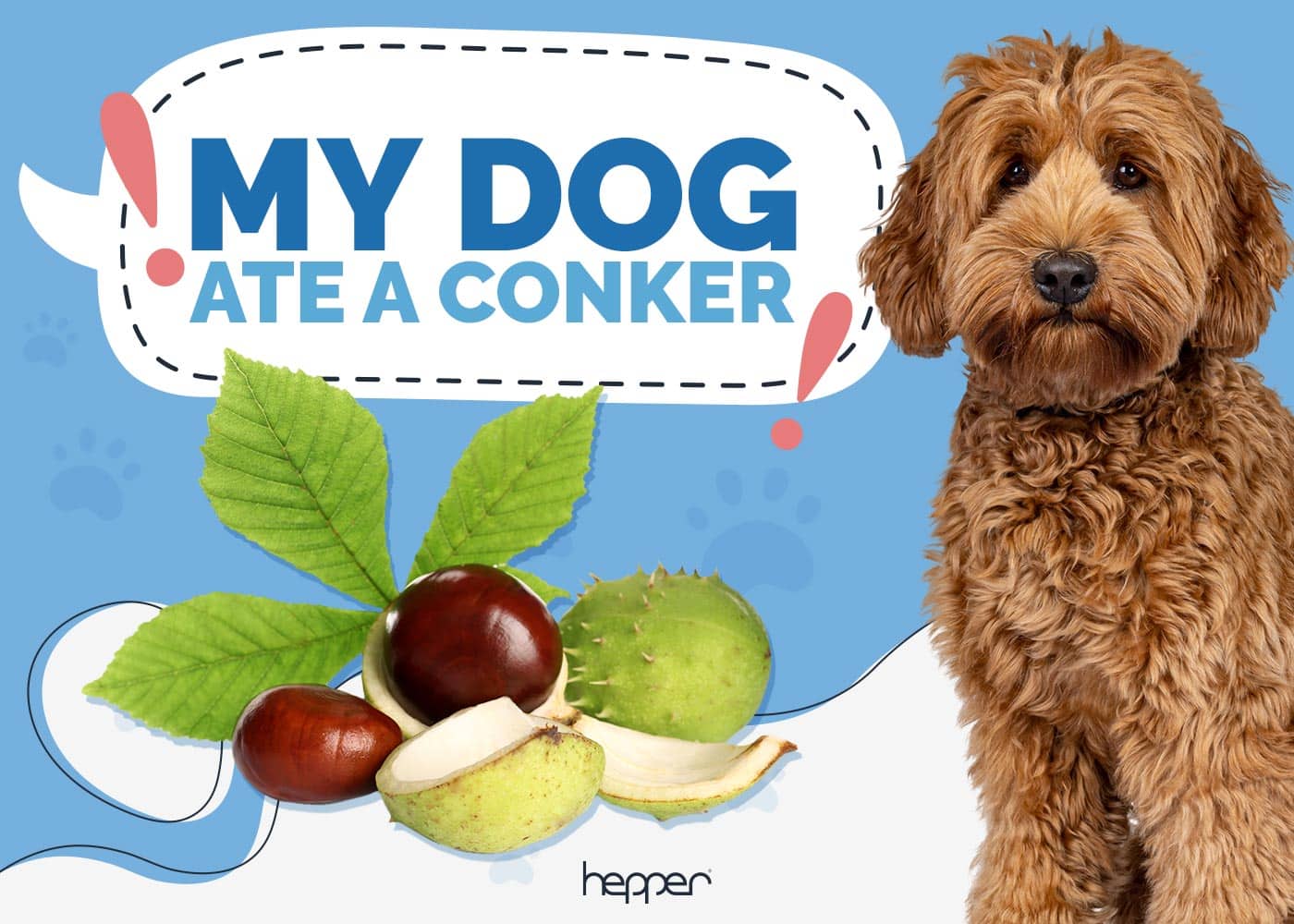
Most chestnuts are non-toxic to dogs and can be consumed safely if fed sparingly. Edible chestnuts belong to the genus Castanea. However, one exception to the rule is horse chestnuts. Also known as buckeyes or conkers, horse chestnuts come from horse chestnut trees (Aesculus hippocastanum) and are not considered true chestnuts, but their looks can be deceiving. Horse chestnuts contain brown seed pods containing aesculin and other saponins, which can make your dog very ill. In actuality, these chestnuts are bitter and serve better being used as fall décor.
The appearance of horse chestnuts are:
Do Chestnuts Provide Nutritional Value for Dogs?
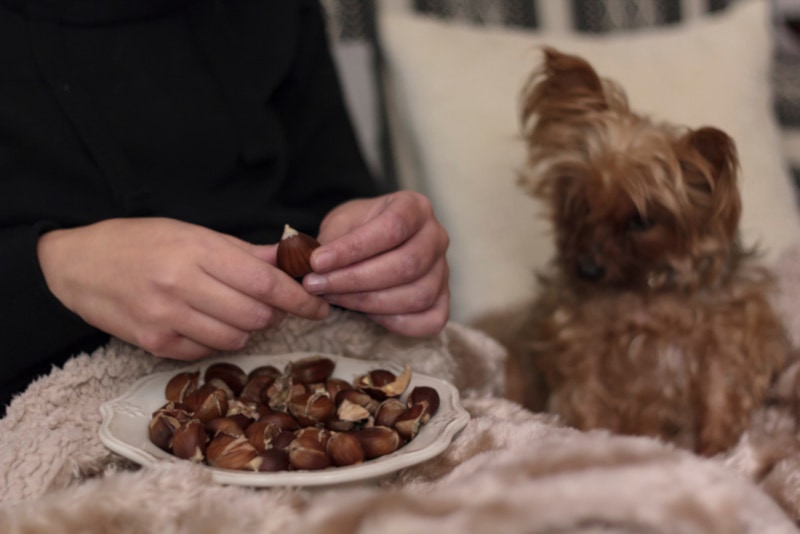
Dogs receive all the nutrients they need from eating a high-quality complete and balanced diet. It is important to know which human foods are not dangerous to dogs and can be safely offered as an occasional treat. Chestnuts would be included in this list. Chestnuts are high in fiber, which is important for your dog’s digestive system. They also contain unsaturated fatty acids that provide energy for your dog, as well as help maintain shiny, healthy skin and coat.
Chestnuts also contain potassium, an important electrolyte in the body that is essential in normal muscle and nerve function. Chestnuts are also low in fat, which makes them a healthy choice of snack for overweight dogs.
How Often Can I Give My Dog Chestnuts?
Now that we know chestnuts are safe for your dog, you should only feed them as an occasional treat. Generally speaking, treats should only make up 10% of your dog’s normal diet to prevent weight gain, which can lead to obesity.
It's important to note that when giving your dog the occasional chestnut treat, ensure it contains no seasonings or salt or is not coated with chocolate or sugar. Also, remember to avoid horse chestnuts!
Can Dogs Eat Raw Chestnuts?
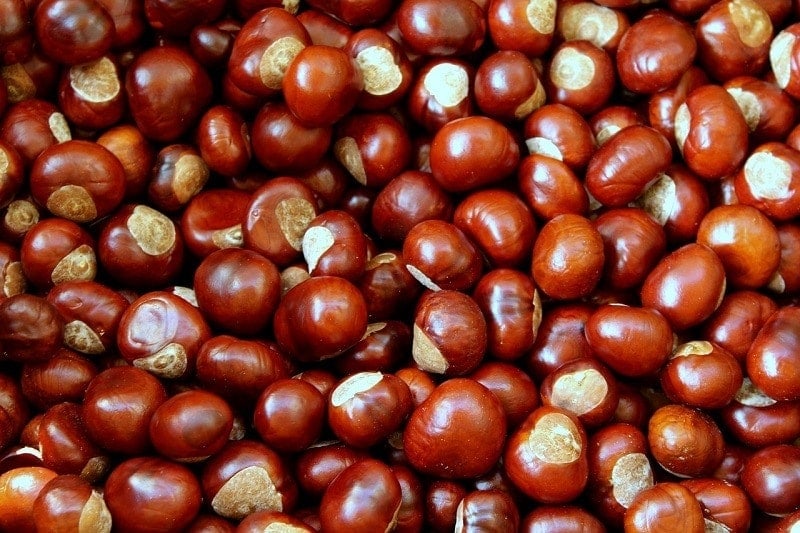
Typically, raw chestnuts should be avoided due to your dog possibly swallowing them whole, which could become a gastrointestinal foreign body. Raw chestnuts are also harder for your dog to chew, which means if your dog has dental issues, you should refrain from giving your dog raw chestnuts to prevent injuries to the teeth and gums.
If you opt to feed your dog raw chestnuts, these should be cut into smaller pieces. Also, ensure you remove the hard outer layer first.
Feeding Your Dog a Healthy Diet
It’s important to feed dogs a complete and balanced diet that contains high-quality protein as the first ingredient, followed by nutritious sources of carbohydrates and fats. The food should be well-balanced and contain essential vitamins, minerals, omega fatty acids from fats, and amino acids from proteins.
Ensure any commercial dog food you consider adheres to AAFCO’s nutritional guidelines for optimal health, and check with your veterinarian for suggestions if you’re unsure about what to feed. You should also ensure the dog food is age and size-appropriate.

Final Thoughts
With the specific exception of horse chestnuts or conkers, which are toxic, chestnuts can provide your dog with a healthy occasional treat. The safest way to feed chestnuts is to cook them with no seasonings and chopped up into smaller pieces for easy consumption. Make sure you always check with your veterinarian first and consider adding them to your dog’s kibble occasionally as a treat during mealtimes. Always be sure to monitor your dog for ill effects, such as diarrhea or constipation.
See Also:
Sources
Featured Image Credit: _Alicja_, Pixabay
Get Hepper In Your Inbox


Pet care tips from our vets and experts, straight to your inbox.
You may opt-out at any time. View our Privacy Policy for more information.
Rachel Giordano is a writer and musician out of Pensacola, Florida, living there with her partner and their two dogs, Aero, a Border Collie/Sheltie mix, and Sophie, a Boston Terrier. Rachel has a Bachelor of Arts degree in communication and enjoys writing about all types of animals. When Rachel’s not dedicating her time to writing about animals, she enjoys writing thriller/suspense novels. A writer by day and a musician by night, she's passionate about educating the public about the requirements and needs of all types of animals.
Join the conversation
Ask a question, share your story, or send private feedback.