Hepper is reader-supported. When you buy via links on our site, we may earn an affiliate commission at no cost to you. Learn more.
Can Cats Eat Chia Seeds? What You Need to Know!


In this article
Humans have become obsessed with the idea of superfoods over the past few years, and chia seeds are one of the top foods on the list. We love how nutritionally beneficial they are for us, so it can be tempting to want to give our cats a few bites of these foods too. But of course, that isn’t always a smart idea. If you’re going to feed your cats chia seeds, you need to be sure that they’re actually safe for feline consumption.
So, is it okay to feed your cat chia seeds? Yes, chia seeds are safe for your cat to consume. These tiny seeds are nutritionally dense and don’t pose a choking hazard. Keep in mind, though, that just because cats can eat chia seeds doesn’t mean that they should be a staple part of their diet.

About Chia Seeds
Chia seeds belong to two different plants. One of these plants, Salvia hispanica, is native to the central and southern parts of Mexico and Guatemala. The other plant, Salvia columbariae, is native to southern states in the U.S. These states include California, New Mexico, Nevada, and Arizona.
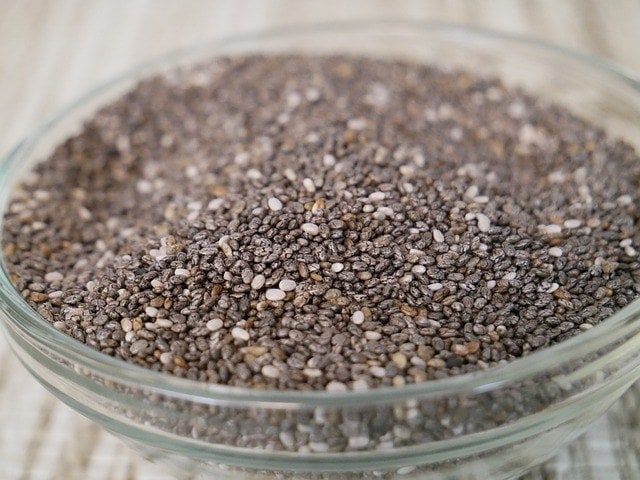
Chia seeds are very small and belong to the same family as mint. They are either black or white and can absorb up to 12 times their own weight in liquid! When they absorb water, they get covered in a coating of a jelly-like substance.
Nutritional Information on Chia Seeds
100 grams of regular, unsoaked chia seeds contain:
Chia seeds also contain:
One of the biggest benefits of eating chia seeds is the antioxidants. Antioxidants can protect humans against many types of chronic diseases, such as heart disease and cancer. They also have 18 different amino acids for proper growth and development.
Overall, chia seeds are an extremely healthy food that may benefit cats. They aid in digestion, promote gut flora, absorb toxins, and prevent diarrhea and constipation.
Do Cats Like Chia Seeds?
It’s not always easy to say whether or not cats, in general, like a certain food. Like us, some prefer the taste of certain foods to others. Chia seeds don’t have a whole lot of flavor, but they are a little bit nutty. Most people enjoy them for the texture rather than the taste. Either way, most cats are able to tolerate them.
How To Feed Chia Seeds to Your Cat
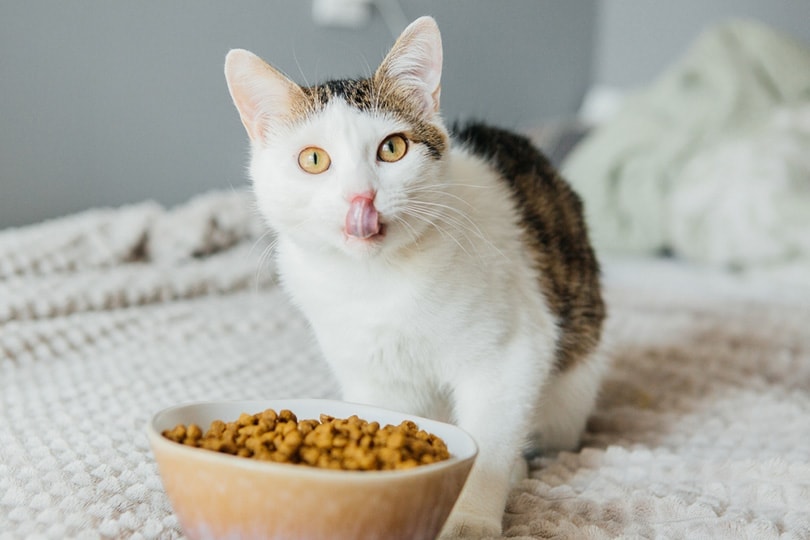
The best way to feed chia seeds to your cat is to make it as easy as possible for them to swallow. Some people grind them into a powder and sprinkle the powder over the top of food; other people prefer to soak them in water overnight and feed it to their cats like pudding. Both of these forms are going to be easier for your cat to swallow and digest.
When it comes to dry chia seeds, we don’t recommend feeding them to your cat if you can help it. The dry seeds will soak up extra water as they travel through your pet’s digestive system and as they swell, they could create a blockage. Even though they aren’t really a choking hazard, they could create some discomfort as they work their way through the body. To be safe, either grind or soak the seeds before allowing your cat to eat them.
How Many Chia Seeds Can a Cat Eat?
Cats are small animals and don’t need a lot to experience the benefits of chia seeds. Give your kitty about half of a teaspoon of chia seeds for every 5 pounds of body weight. Start by measuring the dry seeds first and then soak them for 24 hours before serving.
If your cat has never eaten chia seeds before, you might want to start out with half of the recommended amount. You should also monitor them for the next 48 hours to ensure that they don’t get sick or have any discomfort. If you notice any unusual behavior, contact your local veterinarian as soon as possible.
Now that you know what you can safely feed your cat, it’s just as important to find a bowl that supports their health and well-being. With whisker-friendly bowls and a wide tray to catch any spills, our Hepper NomNom Cat Bowl is our favorite option.

- NO MESS - The 360° tray on this cat food and water bowl set has a raised design to catch and contain stray crumbs and drips. Protect your indoors and floors from wet and messy meals!
- WHISKER FRIENDLY - Shallow and wide metal containers with flat bottoms ensure your kitty can enjoy mealtime free from whisker fatigue!
- CHEW-SAFE MATERIALS - Kittens and cats love chewing on silicone and soft rubber - but it's a choking hazard. Our cat feeding station materials are anti-chew for a 100% safe feeding frenzy!
Final Thoughts
Chia seeds are a superfood with nutritional benefits to many animals. While cats certainly don’t need chia seeds to survive, they can be a nice treat for them and a boost to their immune systems. Remember that not all cats will like chia seeds, and you shouldn’t force them to eat anything they’re not interested in. If they enjoy them, though, then it’s perfectly safe to treat them from time to time!
Related Reads:
Featured Image Credit: ValeriaLu, Pixabay
Get Hepper In Your Inbox


Pet care tips from our vets and experts, straight to your inbox.
You may opt-out at any time. View our Privacy Policy for more information.
Hallie has been a proud nature and animal enthusiast since she was a little girl. She attributes her passion for the environment and all its creatures to her childhood when she was showing horses on weekends and spending her weeknights devoting her attention to her pets. Hallie is happiest when she is playing with her two rescue cats, Chewbacca and Lena, and her dog, Clayton. When Hallie isn’t writing about animals, you can probably find her curled up on the couch read a good books or watching a documentary.
Join the conversation
Ask a question, share your story, or send private feedback.