Hepper is reader-supported. When you buy via links on our site, we may earn an affiliate commission at no cost to you. Learn more.
Can Cats Drink Vegetable Oil? Vet-Approved Facts & FAQ


Vegetable oil is a common ingredient in many home kitchens due to its varied uses for cooking and baking. On the surface, wondering if your cat can drink vegetable oil seems like an incredibly odd question. However, due to its availability in homes and your cat’s potential for exposure, it becomes clear that it’s likely your cat will find vegetable oil at some point. Vegetable oil is safe for cats to eat, as long as it's in small quantities.
Some people may want to know the answer to this question due to the benefits that some oils can have for cats. Many types of oils, like salmon oil and flaxseed oil, are fed to cats in small quantities to support skin and coat, eye, brain, or digestive health. For some people, vegetable oil may be the best oil option available, whether due to cost or availability. Here’s what you need to know about giving vegetable oil to your cat.

Can Cats Have Vegetable Oil?
Vegetable oil is safe for cats in small quantities, and it is sometimes included in commercial cat food. Ideally, cats should receive most of the fats they need through a healthy, balanced diet, and generally speaking, you don’t need to supplement them with any vegetable oil. The tricky part about giving oil to your cat is that it’s easy to overdo it, leading to some unpleasant side effects.
Is Vegetable Oil Good for Cats?
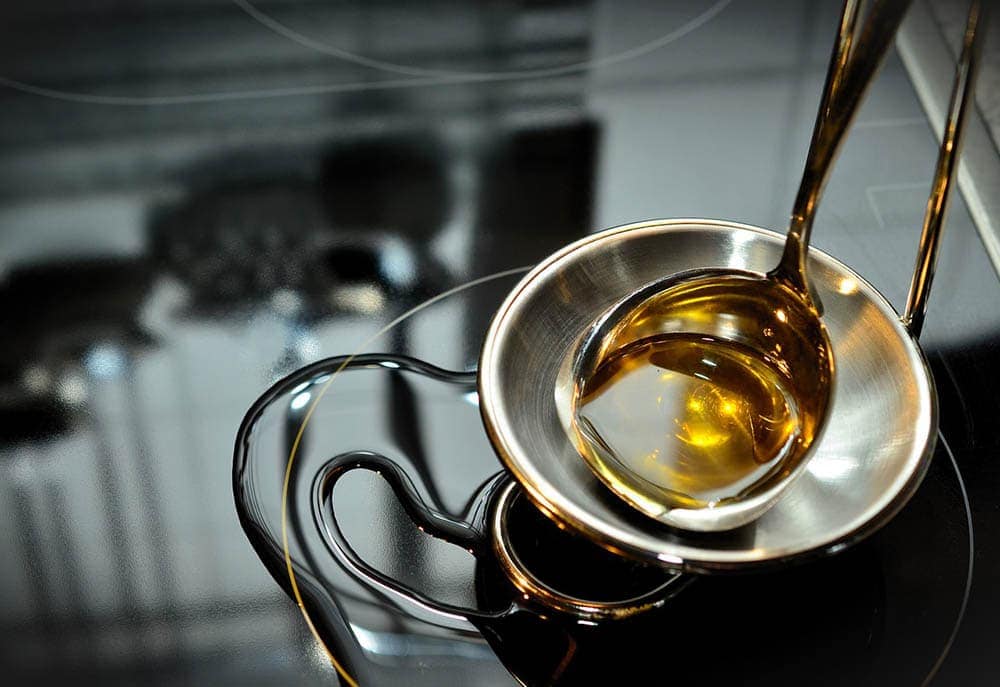
Vegetable oil contains some components that are good for cats. Overall, though, it can quickly become unhealthy when not fed in proper quantities.
Omega-3 and omega-6 fatty acids are good for cats and can help support skin, coat, joints, heart, brain, and eye health, among other things. Vegetable oil is a good source of these fatty acids, which means it can be beneficial for your cat and can help support overall good health. Some fats can even help support your cat’s immune system and vitamin absorption.
How Much Vegetable Oil Can My Cat Have?
It’s extremely easy to give too much! When it comes to vegetable oil, there is no “dose” proven to be safe and effective without causing negative effects. Every cats’ body will respond differently to oil being added to their daily diet. If your cat is fed a complete and balanced diet, there is no need for you to supplement your cat with vegetable oil.
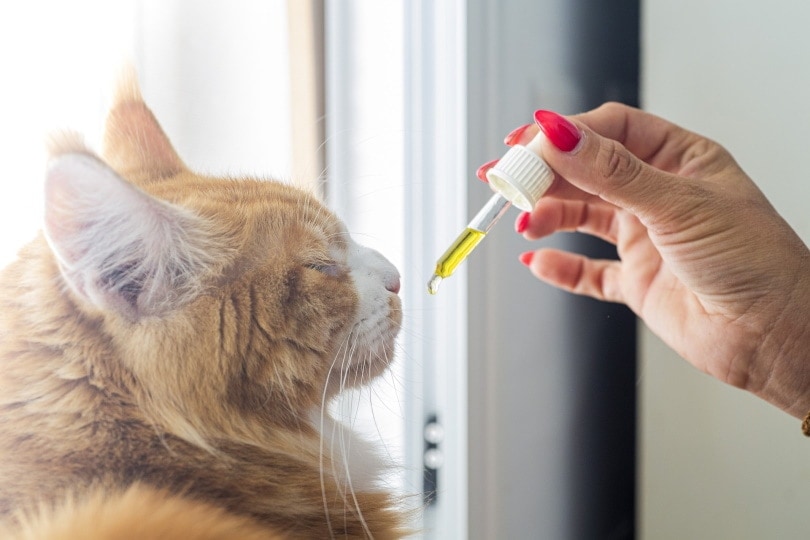
If, for any reason, you need to feed your cat vegetable oil, you should follow your vet’s or nutritionist’s advice. As with any oil, the best course of action is to feed very small quantities to your cat and slowly increase the dose over time to meet your cat’s nutrition goals. Most oils have a recommended serving size of 1 teaspoon or less for an average cat, so you may only start with ¼ teaspoon or less.
What Happens if My Cat Gets Too Much Vegetable Oil?
Whether your cat got into vegetable oil in your kitchen or you accidentally gave too much to your cat, you’re going to know relatively quickly if you gave too much. Overdosing vegetable oil in cats will lead to notable digestive symptoms. Diarrhea is the most likely sign, but abdominal discomfort, gas, bloating, nausea, and vomiting are all possible.
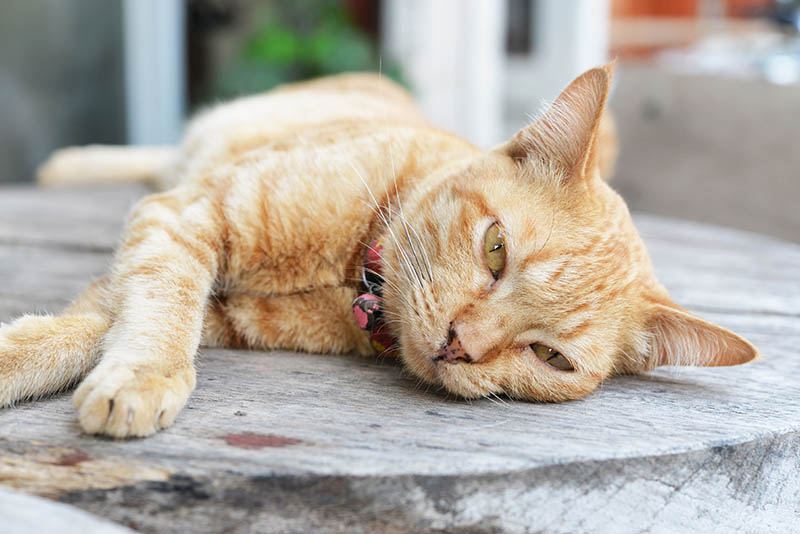
Some oils are given to cats as laxatives or digestive stimulants. The high fat content can be difficult for the body to digest and utilize, leading to it rapidly passing through the digestive system.
Over time, too much oil can lead to weight gain due to the excess calories your cat consumes with the oil.

Conclusion
Vegetable oil is a common ingredient in cat food and can have some benefits for your cat. It’s rich in omega fatty acids that support multiple aspects of your cat’s overall health. However, this ingredient should be included in your cat’s diet, and you should not need to supplement them with any.
Overfeeding vegetable oil can lead to weight gain, digestive upset, and other more serious problems for your cat. It’s important always to measure any oils you feed your cat to ensure you are feeding a safe and appropriate amount. If you intend to feed vegetable oil to your cat on a regular basis, the best starting point is to discuss it with your veterinarian to ensure this course of action is right for your cat.
Related Reads:
Sources
Featured Image Credit: Alexas_Fotos, Pixabay
Get Hepper In Your Inbox


Pet care tips from our vets and experts, straight to your inbox.
You may opt-out at any time. View our Privacy Policy for more information.
After nine years as a veterinary assistant, Brooke Billingsley transitioned to a career as a nurse in 2013. She lives in Arkansas with her boyfriend, sharing their home with three dogs, two cats, five fish, and two snails. A dedicated animal lover, Brooke has a special place in her heart for special needs pets, including a three-legged senior dog and a famous cat with acromegaly and cerebellar hypoplasia. Fish keeping is one of her hobbies, and she is constantly improving her knowledge to care for her aquarium pets. Brooke is an active yoga enthusiast, having obtained her 200-hour yoga teacher certification in 2020. She believes in the importance of continuous learning and dedicates time each day to developing new skills and expanding her knowledge.
Join the conversation
Ask a question, share your story, or send private feedback.