Hepper is reader-supported. When you buy via links on our site, we may earn an affiliate commission at no cost to you. Learn more.
Can Cats Eat Lentils? Vet-Reviewed Nutrition Facts & FAQ


In this article
As a cat owner, it can be a little nerve-wracking sometimes when our kitties eat things we prefer they didn't. After all, you have cleaning products, chemicals, food items, and other finds in your home that can be real threats to our felines. But for you, it might be as simple as your feline trying to get in on your soup and bread Sunday dinner.
With hearty warm meals in mind, are lentils on the list of potentially toxic foods for cats? You’ll be happy to know if your kitty got a mouthful of this little legume, it’s perfectly fine—though we don’t recommend switching out your cat’s daily kibble for lentils, of course! Here’s more.

Lentil Nutrition Facts
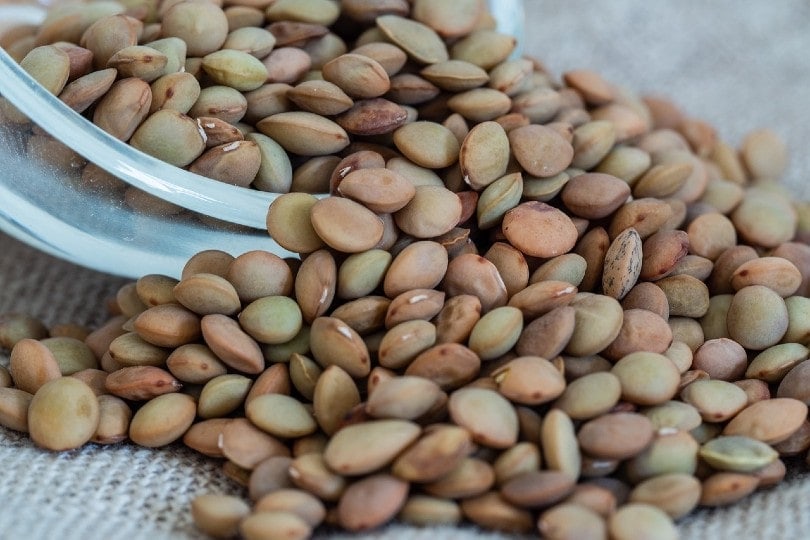
Lentils, boiled
What Are Lentils?
Lentils are protein-rich legumes known for lens-shaped seeds. While the growth of lentils is moderately widespread, they are cultivated mainly in Canada and India, which produce 58% of lentils on production between both countries.
Lentils are often mistaken for beans, but that’s not the case. Lentils are related and have a similar taste and texture, but they offer much different makeup than plants in the bean family.
Because they are so high in protein, they are often a perfect addition to a vegetarian or vegan diet. However, in carnivorous animals, the plant-based protein doesn’t make up for lack of animal-based protein.
Why Cats Need Animal Protein
Cats need animal protein because it contains the essential nutrients they need to survive. Perfectly balanced, animal protein has just the right amount of required amino and fatty acids that build and maintain your cat's muscles, coat, and skin, and supports their immune and nervous system.
Adult cats require a bare minimum of 30% protein in their daily diet, but the majority of high quality diets contain more than this. Protein requirements also vary significantly based on the cat’s age, growth and development stage, activity levels, and nutritional needs.
Potential Health Benefits of Lentils for Cats
Lentils may be small, but they’re loaded with goodness. These healthy little pods are tasty and packed with nutrients even your cat may benefit from, but not in the same way or the same extent as you can.
Even though lentils aren’t on a cat’s natural menu, their fiber content may support a cat’s digestive system, but excess of it can also lead to unwanted and messy side effects.
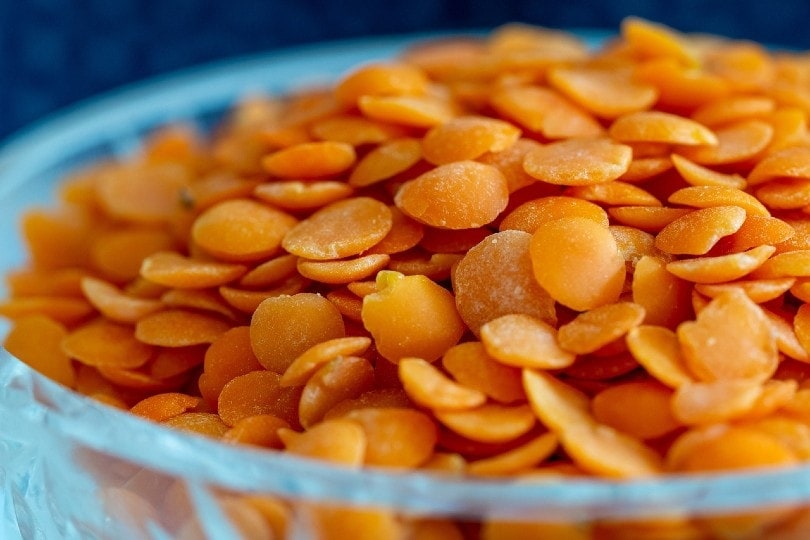
Although a good source of protein with a low caloric content, lentils cannot replace the animal protein with essential amino acids that cats require for a healthy life. These legumes are also sometimes added to commercial cat food, but most of the benefits are actually quite limited.
Bottom line, lentils can be offered to most cats occasionally and in moderation, in order to avoid unpleasant digestive and other signs, and many of the presumed benefits are extrapolated from human nutrition. If your cat is a diabetic or they are suffering from an underlying gastrointestinal or other illness, please consult your veterinarian before making any changes to their diet, including offering lentils as treats.
Downfalls of Lentils for Cats
Cats are carnivorous ruffians. Even though you have your occasional lazy daisies, most cats would literally jump at the chance to pounce on a live mouse. In the wild, cats eat meat strictly—and they get most of their hydration from their food source as well.
Domesticated cats may have come far from their days in the great unknown but their diet still reflects their predatory ancestry in many ways. They require animal protein in order to thrive.
Lentils can make a good occasional snack, but only in moderation and in accordance with your vet’s advice. Too many lentils can give your cat an upset tummy—plus, they don't meet all the nutritional needs of your kitty.
Signs of too many lentils include:
In most cases, this isn’t vet-worthy, but your guy or gal will probably be miserable for a few hours.

Potentially Dangerous Foods Often Served with Lentils
One major concern here is not with lentils themselves but their recipe pairings. Lentils can go in quite a few delicious recipes that might be quite tasty for us, but potentially dangerous for our cats.
Here are some additional ingredients to watch out for:
Garlic/Onions/Chives/Shallots/Scallions/Leeks
What we are saying here is anything at all in the allium family is toxic to cats. It doesn’t lose toxicity when it is cooked down, dehydrated, or condensed. These potent veggies are harmful for dogs and cats alike.
Cayenne Pepper
Cayenne pepper isn’t technically toxic to pets, but it can make them feel very ill. Luckily, the capsaicin in the pepper wards cats away naturally, often used in cat repellents. However, if it's in a recipe with many other flavors, they might ingest it without realizing it.
How to Serve Your Cat Lentils
You may offer your cat plain lentils without any additional ingredients, as an occasional snack. However, if your cat is suffering from any health issues, it’s best to get a green light from your vet.
Some cats may show interest in lentil soups because of the broth and meat therein, but make sure there are no other ingredients in it, such as garlic or onions. Most commercial soups do have these ingredients, which are toxic for cats, and such lentil soups should not be offered.
To avoid gastrointestinal upset, you should limit your cat’s lentils intake to about once a week, but no more.
Now that you know what you can safely feed your cat, it’s just as important to find a bowl that supports their health and well-being. With whisker-friendly bowls and a wide tray to catch any spills, our Hepper NomNom Cat Bowl is our favorite option.

- NO MESS - The 360° tray on this cat food and water bowl set has a raised design to catch and contain stray crumbs and drips. Protect your indoors and floors from wet and messy meals!
- WHISKER FRIENDLY - Shallow and wide metal containers with flat bottoms ensure your kitty can enjoy mealtime free from whisker fatigue!
- CHEW-SAFE MATERIALS - Kittens and cats love chewing on silicone and soft rubber - but it's a choking hazard. Our cat feeding station materials are anti-chew for a 100% safe feeding frenzy!
Final Thoughts
So, yes, your cat can eat lentils—but only in moderation. They are not a part of your cat's natural diet, and they are unlikely to reap any significant benefits from it.
Remember, while lentils are non-toxic, you should consider other ingredients, too. If your dish was soup or a savory recipe, look over the list to ensure it's free of potentially harmful spices or veggies—like garlic or cayenne pepper. If so, go to your vet immediately.
Related Reads:
Featured Image Credit: aitoff, Pixabay
Get Hepper In Your Inbox


Pet care tips from our vets and experts, straight to your inbox.
You may opt-out at any time. View our Privacy Policy for more information.
Ashley Bates, a freelance writer with a passion for pets, is currently studying animal therapy. She is a mother to four children and 23 pets, both furry and feathery. Ashley actively volunteers at local shelters, advocates for animal welfare, and rescues animals in distress. Her mission is to promote awareness, education, and entertainment about pets to help prevent animal homelessness. She specializes in the care and well-being of dogs and cats.
Join the conversation
Ask a question, share your story, or send private feedback.