Hepper is reader-supported. When you buy via links on our site, we may earn an affiliate commission at no cost to you. Learn more.
Can Cats Eat Lemons? Vet-Reviewed Safety Facts & FAQ


In this article
Cats are curious little creatures that like to explore the world around them. For indoor cats, this includes kitchen countertops. Cat owners need to be aware of the potential dangers that are lurking in and around the home, from toxic chemicals to seemingly harmless human foods.
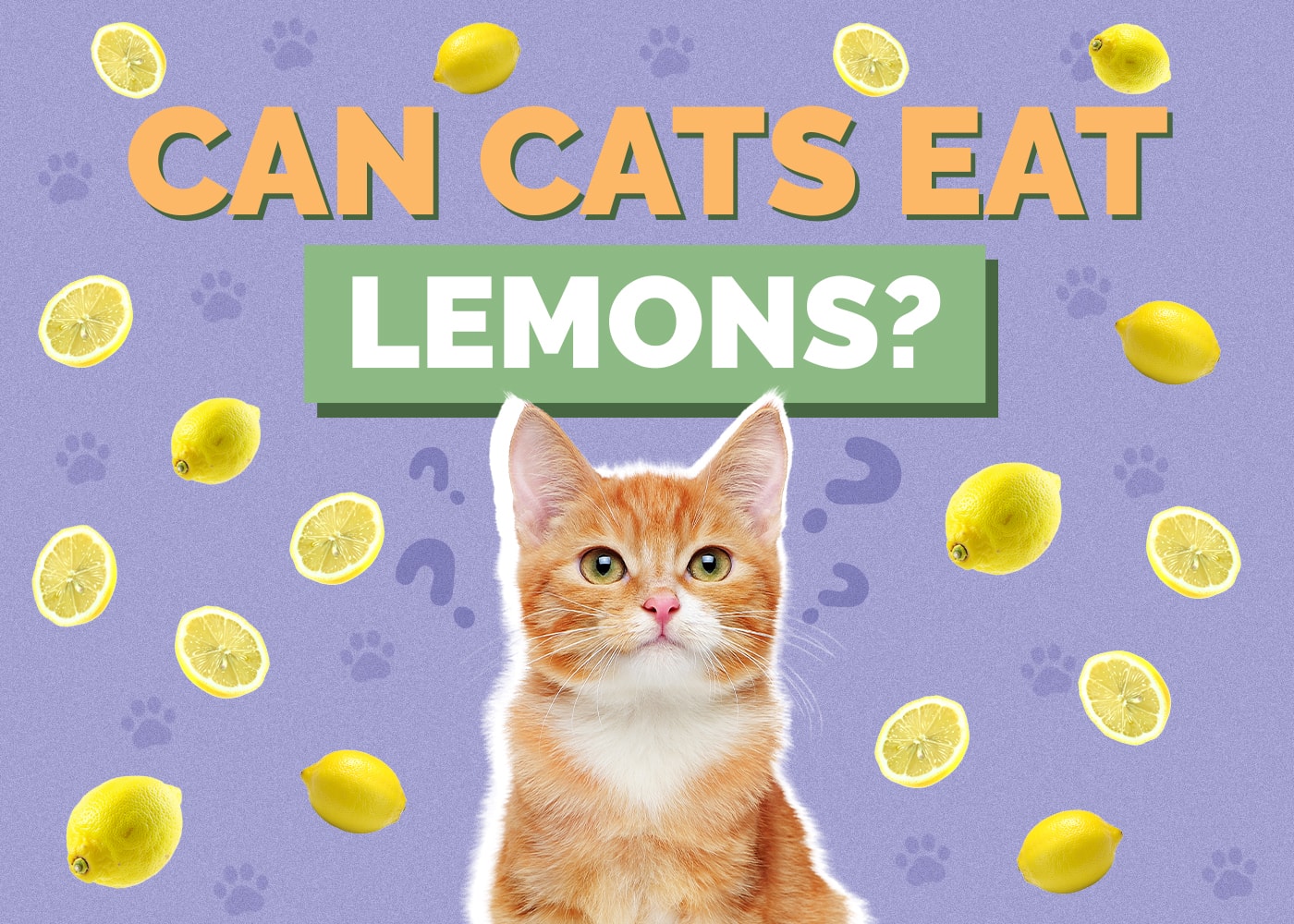
Here we will look at one of the most common fruits you will find in your fruit basket, lemons. Lemons serve so many purposes in the kitchen and it's easy to overlook this fruit as a possible danger to your cat. So, can cats eat lemons? In short, no, they cannot, as citrus fruits are toxic for felines. Let’s take a closer look at why your cat cannot eat this tart yellow fruit and what it means if they do.

Cats and Lemons
The good news is, lemons and other citrus fruits are commonly used as deterrents for cats. The scent alone will repel most cats. The bad news is that lemons and other citrus fruits are toxic to cats and can result in poisoning if consumed.
It is important to note that not all cats will be repelled by lemons and it’s better to be safe than sorry. Cat owners should keep lemons, and citrus oil products in particular, stored safely out of the cat’s reach.
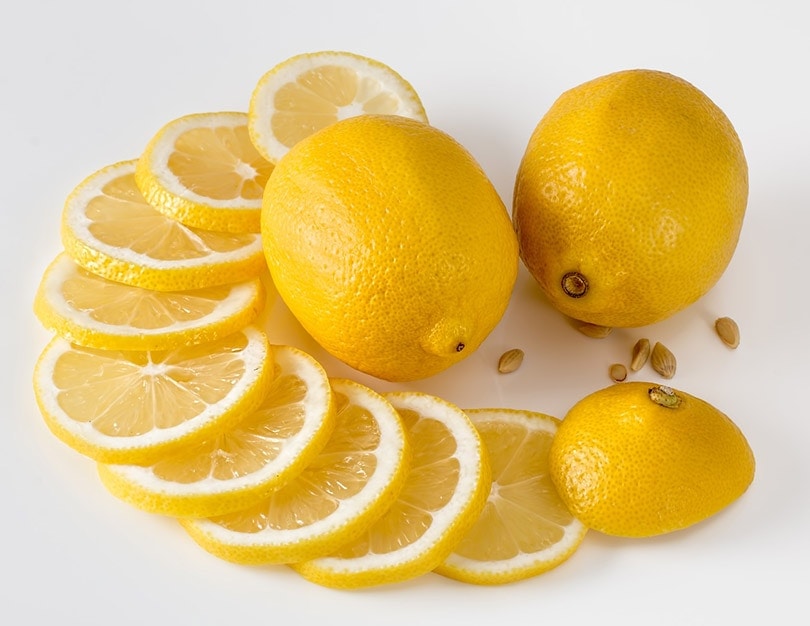
The reasons lemons and other citrus fruits are toxic to cats are due to the essential oils like limonene and linalool in addition to psoralens (chemicals found in certain plants). Most parts of lemons and other citrus fruits are toxic to cats, this includes the peel and plant products, while the fruit itself seems less toxic.1
There aren’t many studies into the extent of the toxic effects of these compounds in cats, but we know they have a potential for inducing neurological and digestive signs, alongside skin lesions, depending on the compound in question and the amount.2 Most of the reported cases are from exposure of cats’ skin to citrus oil preparations for insecticide purposes or when used as an ointment. This is why we err on the side of caution when it comes to lemon and citrus essential oil products, and this is the recommendation of the ASPCA as well.
Toxic Lemon Components

Possible Signs of Toxicity
Ingesting lemons and other citrus fruits such as limes, grapefruits, and oranges can cause cats to experience gastrointestinal discomfort that can vary in severity depending on how much was consumed. Skin reactions can also occur. Excessive amounts would need to be consumed for more severe reactions.
While these reactions are typically mild, severe signs are possible so you should still contact your veterinarian for guidance if your cat were to consume citrus or especially essential oils, which are concentrated and thus highly toxic. Some signs to be on the lookout for include:
Diagnosis and Treatment of Lemon or Citrus Poisoning
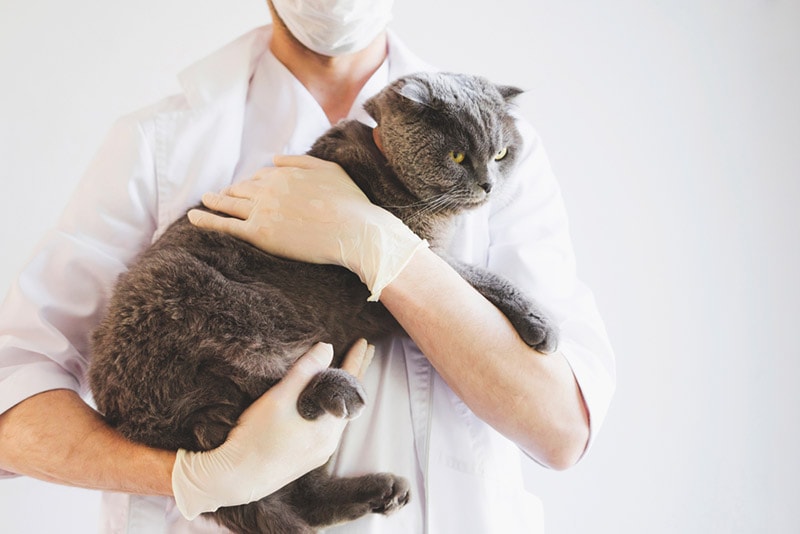
In any case, if your cat has ingested something they should not have, contacting your veterinarian immediately is key. If your veterinarian does not have after-hours services, make sure you have the information handy for emergency veterinary services and/or a pet poison helpline.
The veterinarian will ask you questions about what was ingested, the amount (if known), and the signs you have observed from your cat thus far. Depending on the signs and their severity, and the toxic compound formulation, they may recommend either monitoring at home or bringing your cat in straight away. In the latter case, they will complete a thorough physical examination and possibly run some additional tests.
The treatment will depend on the signs and severity of the poisoning. You can expect your veterinarian to give you the best course of action for your situation once a proper evaluation has been completed.
Keeping Your Cat Safe
The best way to keep your cat safe from foods that pose a danger is to prevent them from having access to these foods. Thankfully, cats are typically deterred by citrus fruits, like lemons but here are some tips for keeping your cat safe.
Cats are obligate carnivores that are designed to get all their needed nutrients directly from meat sources. Our domesticated cats are evolved hunters, just like their wild counterparts. They require very high amounts of protein, moderate fat content, and minimal carbohydrates.
A Cat’s Dietary Needs
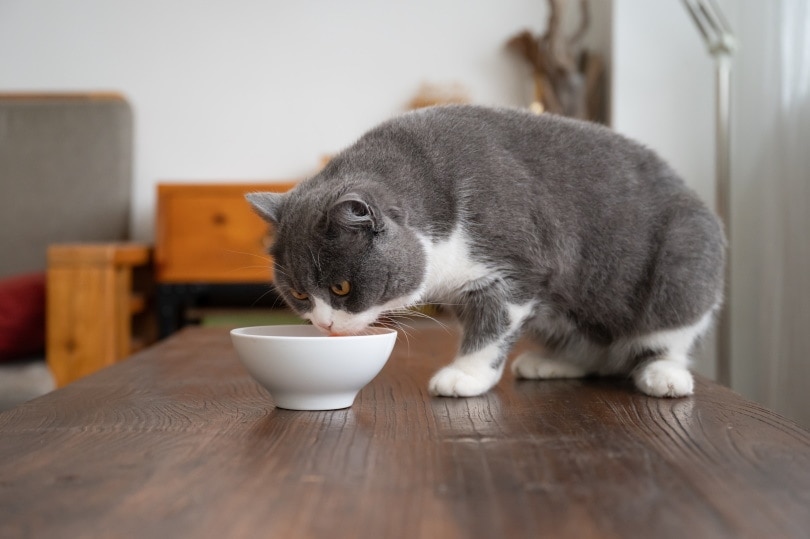
Cats have pretty specific dietary requirements. Since they are obligate carnivores, they get all of their needed nutrients directly from meat. You do not have to worry about supplementing their diet with fruits, vegetables, grains, or any other plant material.
The digestive system of a cat is not designed for anything other than meat, even though plant-based foods have a lot of health benefits for humans and other species, they simply do not have the same kind of benefits for our feline companions.
Commercial cat foods come in a wide variety of forms and are designed to meet all of your cat’s dietary needs. As a cat owner, it is important to pick high-quality cat food that does not contain artificial ingredients, harmful chemicals, or unnecessary fillers and by-products.
Types of Cat Food Varieties
Consult an Expert
If you ever find yourself questioning the best meal plan for your cat or have any questions about the safety of certain foods or any other typical household or outdoor items, reach out to your veterinarian or a veterinary nutritionist. Not only can they help you ensure your cat is getting the proper nutrition and food quantity, but they will also be able to go over potential toxicities.
Knowledge is power when it comes to pet ownership, and the more you know, the more capable you are of keeping your cat safe and healthy for many years of loving companionship.
Now that you know what you can safely feed your cat, it’s just as important to find a bowl that supports their health and well-being. With whisker-friendly bowls and a wide tray to catch any spills, our Hepper NomNom Cat Bowl is our favorite option.

- NO MESS - The 360° tray on this cat food and water bowl set has a raised design to catch and contain stray crumbs and drips. Protect your indoors and floors from wet and messy meals!
- WHISKER FRIENDLY - Shallow and wide metal containers with flat bottoms ensure your kitty can enjoy mealtime free from whisker fatigue!
- CHEW-SAFE MATERIALS - Kittens and cats love chewing on silicone and soft rubber - but it's a choking hazard. Our cat feeding station materials are anti-chew for a 100% safe feeding frenzy!

Conclusion
Cats should not eat lemons or any other citrus fruits or come in contact with citrus essential oils, as the compounds within these fruits and oil are toxic and can cause digestive and neurological signs, alongside skin reactions. Thankfully, most cats are deterred by citrus and will have no interest in them due to the smell alone. Regardless, it is very important to keep these foods and products safely stored and out of reach of your cat.
If your cat were to ever ingest any part of a lemon or citrus fruit, contact your veterinarian as soon as possible for further information on how to best handle the situation. While citrus fruit toxicity can vary in severity and is rarely fatal, citrus oil poisoning, in particular, should be taken very seriously.
Sources
Featured Image Credit: MiraCosic, Pixabay
Get Hepper In Your Inbox


Pet care tips from our vets and experts, straight to your inbox.
You may opt-out at any time. View our Privacy Policy for more information.
Lindsay is a wife, mother, nature enthusiast, animal lover, and business major. She was born and raised in the United States and now lives in Tulsa, Oklahoma. She shares her home with a German Shepherd, several snakes, tarantulas, and a couple of rescue cats.
Lindsay and her husband enjoy traveling the US with their children and photographing wildlife. Lindsey is passionate about proper animal care and education around it!
Join the conversation
Ask a question, share your story, or send private feedback.