Hepper is reader-supported. When you buy via links on our site, we may earn an affiliate commission at no cost to you. Learn more.
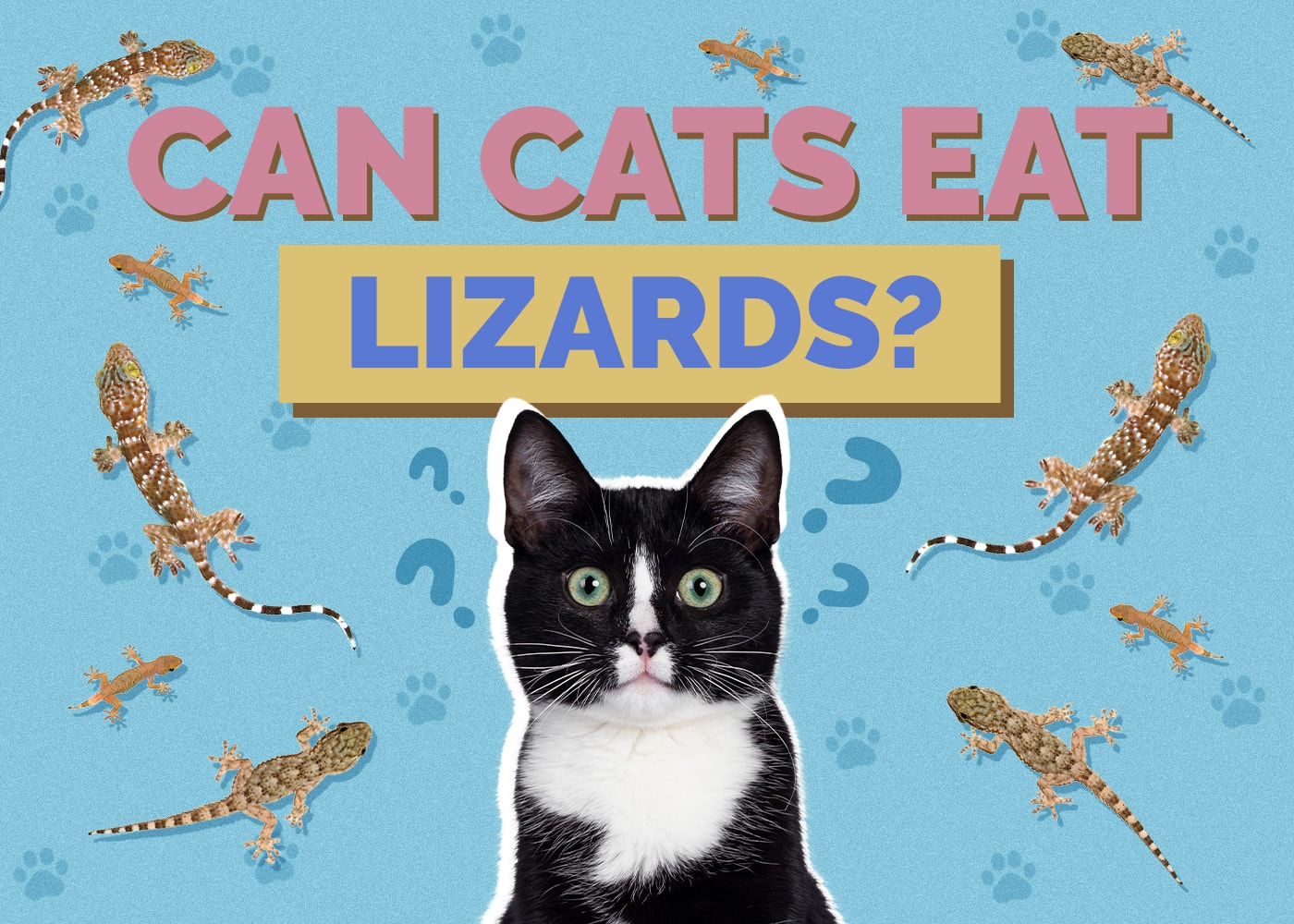
Can Cats Eat Lizards? Safety Facts & FAQ


In this article
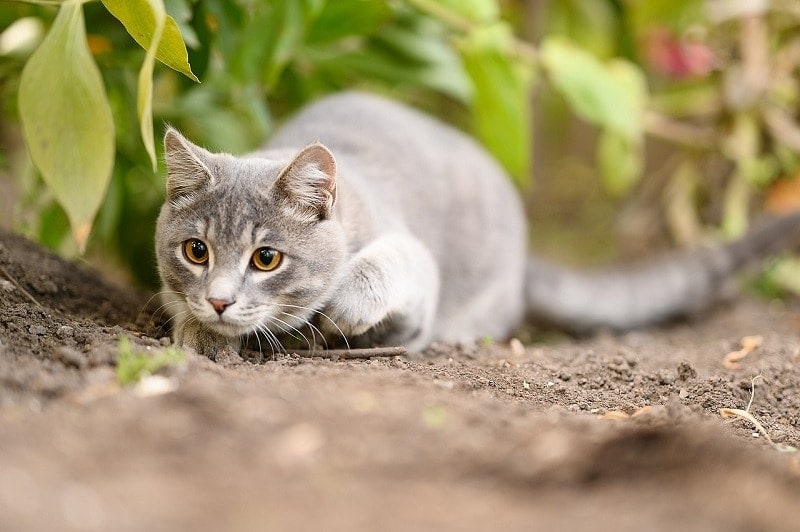
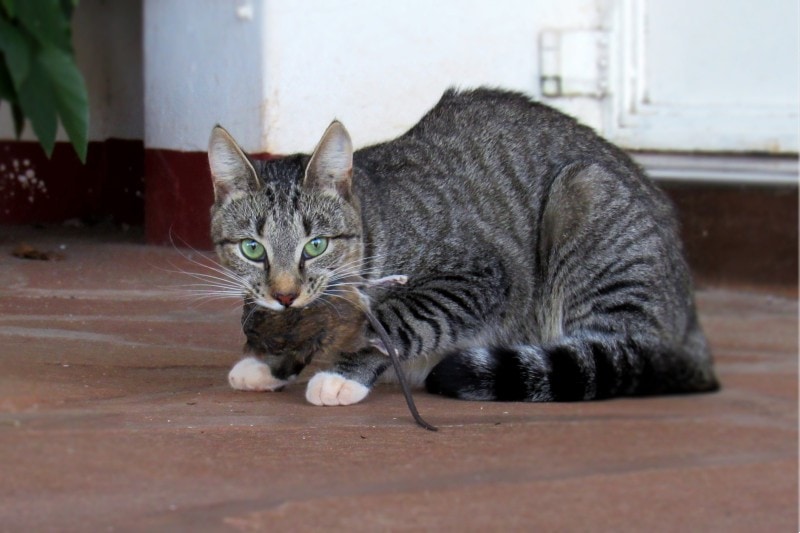
If you’ve ever spent time around an outdoor cat, you know what efficient hunters they can be. Owners of some outdoor cats are used to finding parts of small animals, like birds, squirrels, and lizards, left on their doorstep. When given the opportunity, many cats will eat lizards.
However, that may lead to the question of if your cat actually should eat lizards. You should try to prevent your cat from eating lizards as much as possible. Here’s everything you need to know about it.

Can Cats Eat Lizards?
Anytime you have the opportunity to prevent your cat from eating lizards, you should. There are multiple reasons that your cat should not eat lizards. The conservation of many species of lizards is a big reason, and since cats are such effective hunters, it can be damaging to the ecosystem for your cat to eat them, as well as other animals from the natural environment.
Another reason your cat should not eat lizards is because of the risk of illness. Even if lizards have nutritional value, there’s no reason for cats to eat them. Consuming raw meat runs the risk of dangerous bacterial infections, like Salmonella. Infection with this type of bacteria can lead to vomiting, bloody diarrhea, and lethargy.
A huge risk associated with your cat eating lizards is they can become infected with a parasite known as the liver fluke. These flukes get into your cat’s system when they eat an infected lizard. They can infest the liver, bile ducts, and gallbladder. Over time, liver flukes can lead to bile duct blockages and liver failure. In the early stages of infection, they can cause vomiting, diarrhea, weight loss, poor appetite, and lethargy.
As the infection worsens, you may begin to see your cat develop a yellow tint to the whites of the eyes, the gums, and the skin. This condition is known as jaundice. They may also experience swelling and tenderness of the abdomen.
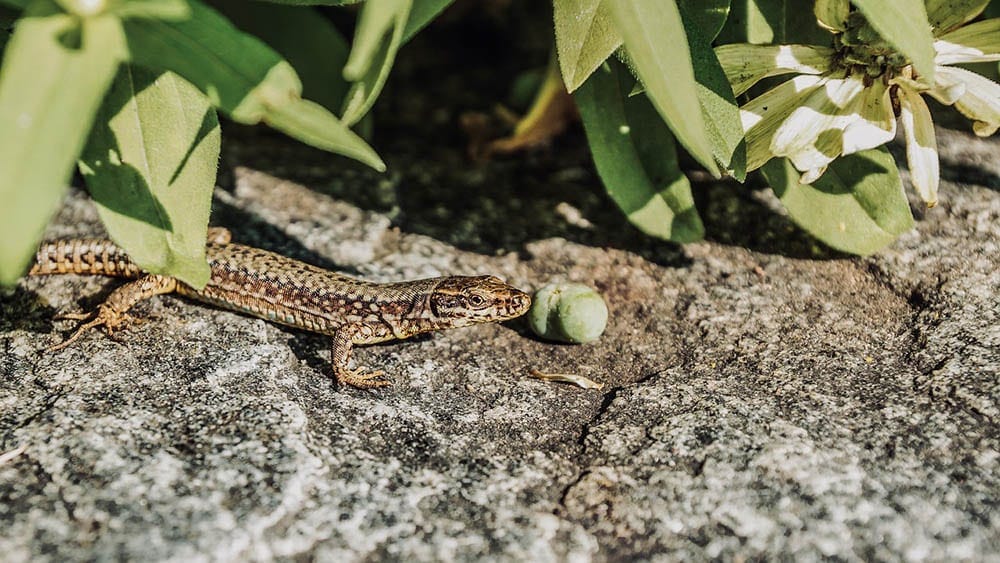
Are Lizards Toxic to Cats?
In the US, most lizards are not toxic to cats. The majority of lizards you might catch eating are anoles and geckos. There are multiple species of these lizards your cat may encounter, but they are all nontoxic. While this does decrease some risks associated with eating lizards, there are still risks you want to avoid.
How Can I Keep My Cat from Eating Lizards?
The best way to keep your cat from eating lizards is to keep your cat indoors. Outdoor cats are at a much higher risk of injury and preventable illness than indoor cats.
It isn’t always possible to keep cats indoors, unfortunately. If that’s the case for your feline friend, then you’ll need to look for ways to keep them from eating wildlife like lizards. One way may be to simply ensure your cat is getting enough food. Often, cats will hunt and kill for sport, but they are not likely to eat a lizard unless they are hungry.
By ensuring your cat is getting enough to eat, you’ll decrease the risk of your cat eating a lizard. Also, make sure their food isn’t being eaten by other critters, like possums, raccoons, stray cats and dogs, and other domestic animals.
Another way to help keep your cat from eating lizards is to play with your cat more. Engage them in games that speak to their hunting nature. In doing this, your cat may be less likely to hunt around the neighborhood to pass the time and get into other types of mischief.
Final Thoughts
Cats will often hunt and eat lizards when given the opportunity, but they really shouldn’t. Allowing your cat to eat lizards can endanger their health. So it’s important to find ways to curtail their lizard-eating ways and avoid potentially harmful illnesses such as Salmonella and liver flukes.
There may be some nutritional aspects of consuming lizards, but they don’t outweigh the risks associated with it. If your cat is fully outdoors, you can find creative ways to keep them entertained and tired. Hopefully, this will curb their desire to hunt. If your cat is full and has had plenty of playtime, you may be able to easily keep them from eating lizards.
Related Reads:
Get Hepper In Your Inbox


Pet care tips from our vets and experts, straight to your inbox.
You may opt-out at any time. View our Privacy Policy for more information.
After nine years as a veterinary assistant, Brooke Billingsley transitioned to a career as a nurse in 2013. She lives in Arkansas with her boyfriend, sharing their home with three dogs, two cats, five fish, and two snails. A dedicated animal lover, Brooke has a special place in her heart for special needs pets, including a three-legged senior dog and a famous cat with acromegaly and cerebellar hypoplasia. Fish keeping is one of her hobbies, and she is constantly improving her knowledge to care for her aquarium pets. Brooke is an active yoga enthusiast, having obtained her 200-hour yoga teacher certification in 2020. She believes in the importance of continuous learning and dedicates time each day to developing new skills and expanding her knowledge.
Join the conversation
Ask a question, share your story, or send private feedback.