Hepper is reader-supported. When you buy via links on our site, we may earn an affiliate commission at no cost to you. Learn more.
My Cat Killed a Rat: 5 Vet Approved Tips on What to Do Next


In this article
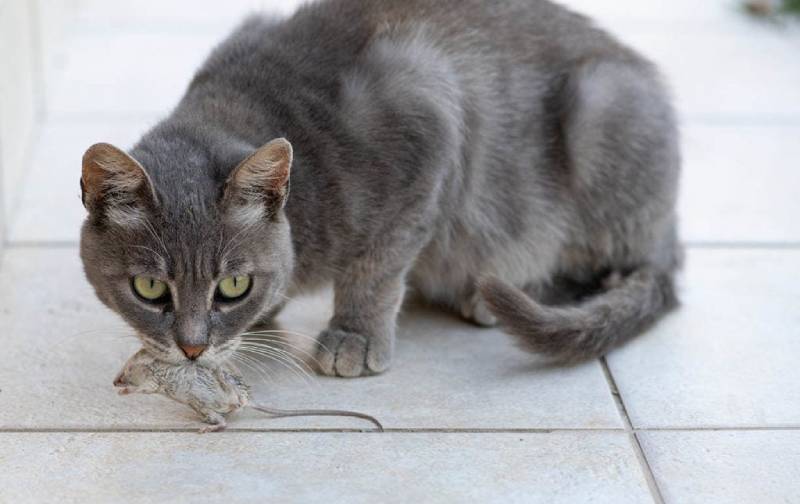
Rats can be a huge nuisance, especially if they get in your home or other buildings, like garages, sheds, and barns. It can be difficult to get the rat population under control, but house cats are often very willing to help out.
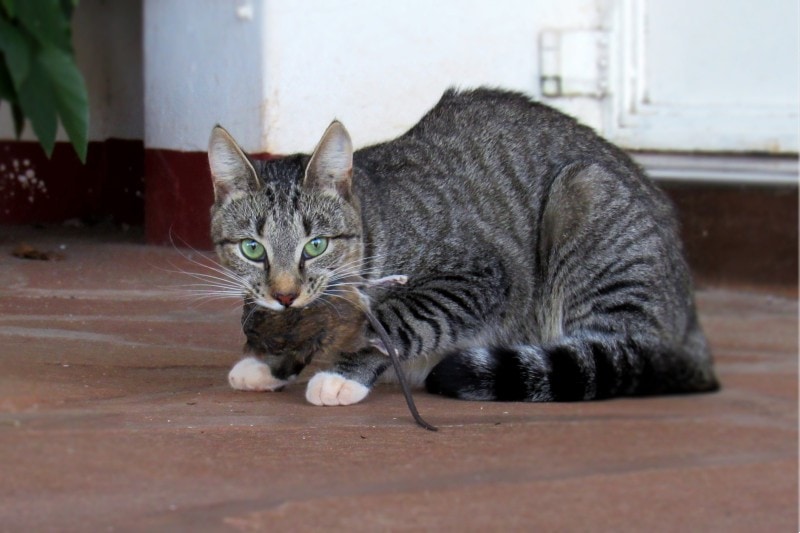
If your cat is not a barn cat, then this can be shocking and upsetting, not to mention leaving you with concerns. Rats are often considered to be “dirty” animals, which is not necessarily true, but they do carry diseases that can be dangerous. So, what should you do if your cat kills a rat?

The 5 Tips on What to Do When Your Cat Killed a Rat
1. Don’t Touch It With Your Bare Hands
Rats can carry diseases that aren’t just dangerous for your cat, but also humans and other pets. You should never attempt to handle a wild rat, dead or alive, with bare hands. Only handle them while wearing gloves and avoid touching your face or clothes with the dirty gloves. If you don’t have gloves available, you can use other methods to touch the rat, like a plastic bag or shovel.
Make sure to sterilize any household items you use to touch the rat. Always wash your hands after handling a rat or anything the rat may have urinated or defecated on, even if you were wearing gloves when you did so.

2. Remove the Rat
Once you’ve discovered that your cat has managed to catch and kill a rat, your next step should be to get rid of the rat entirely. Ideally, you should wrap the rat up in plastic bags and dispose of it in outdoor trash. By wrapping it up, you’ll limit its contact with items, and you might reduce the risk of another animal trying to eat it. The other option, if you have the space, is to bury the rat in a fairly deep hole (around 2 feet) in your yard, and cover it with a rock.
If you throw the rat away in your trashcan in your home, your cat or dog is likely going to obsess over the trash. On top of that, the rat will start to smell, potentially within hours of death, and it may attract pests, like flies and maggots.
3. Monitor Your Cat
If your cat has not eaten the rat, they are behaving normally, and you haven’t put out any rat bait, pesticides, or other dangerous chemicals, then you should be fine to just monitor your cat. Watch for any concerning signs that your cat may begin to exhibit over the next few days. Nausea, vomiting, loss of appetite, abdominal tenderness, and fatigue should all be noted.
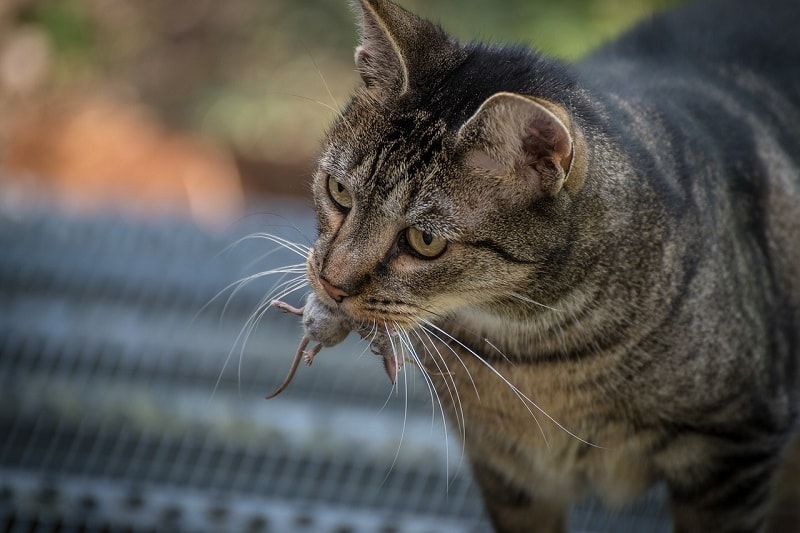
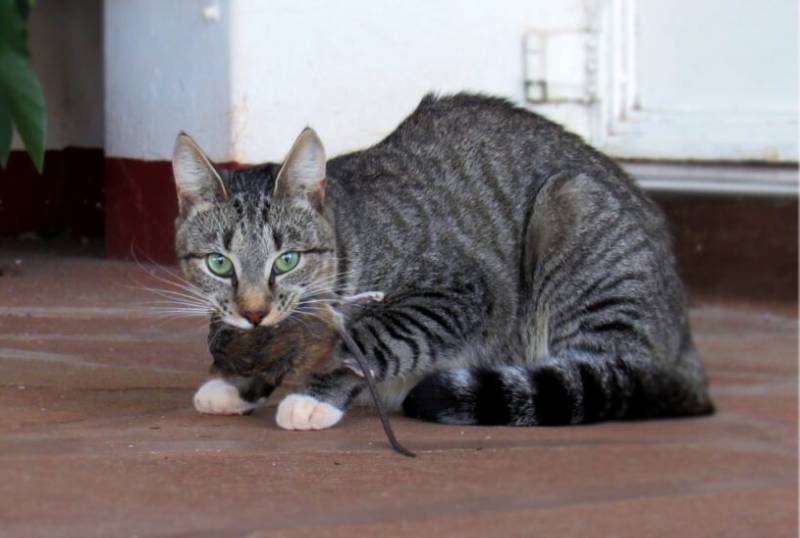
In most cases, cats that kill a rat have no ill effects, so it’s unlikely you’ll notice any changes in your cat at all. Cats are apex predators, and it’s in their nature to hunt small animals like rats, so under normal circumstances, it’s nothing more than a hunting instinct kicking in for Mittens.
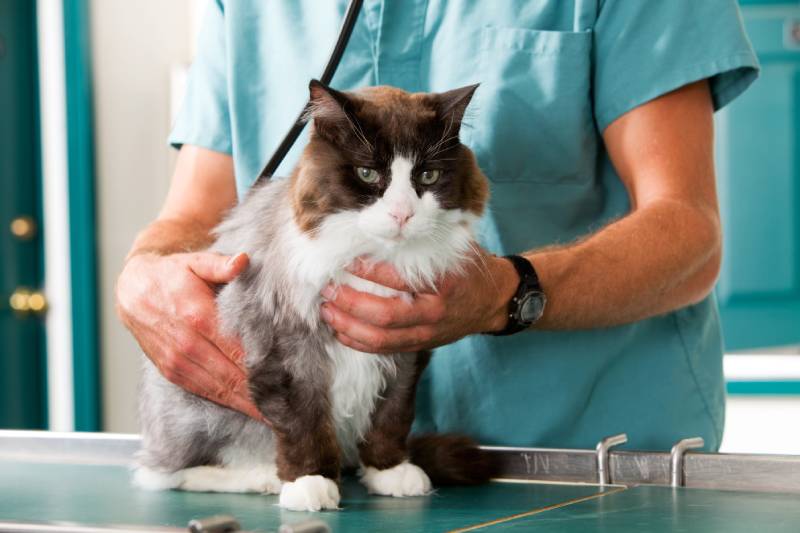
4. Take Your Cat to the Vet
Sometimes, simply monitoring your cat after they’ve killed a rat isn’t the appropriate thing to do. This would be the case if you know that there are toxins in or around your home. Rat baits and rodenticides, as well as things like antifreeze, can be extremely toxic and even fatal to pets.
Many rodenticides work by causing bleeding disorders by interfering with vitamin K, while others create neurologic issues. These issues can sometimes occur in a cat if they ingest the whole rat or parts of a rat that has consumed enough toxin, particularly if they eat multiple rodents over a short period of time or are farm cats that rely on hunting for food.
If you know there are toxins nearby that the rat could have gotten into or that have been purposefully placed there, then you should gather any packages of toxins that the rat may have gotten into and then take your cat straight to the vet. Most of the time, toxin exposures have better outcomes with early interventions. If you suspect your cat might have consumed or killed a rat that could have ingested poison, you should, at minimum, contact a pet poison control hotline for guidance.
If your cat has ingested the rat and is a keen hunter, there are certain parasites, viruses, and bacteria that may affect not only the cat’s health but yours as well. Some of these include leptospirosis, Lyme disease, toxoplasmosis, and even parasites like roundworms. Fleas and ticks may also enter your home this way, carrying various pathogens and causing skin irritation to your cat.
It’s important to speak to your vet about the prevention of these diseases by restricting your cat's outdoor access overnight, placing a bell on them to give the rodents a head start, or securing an outdoor space, such as a catio. Speak to your doctor about some of the illnesses you may be at risk from, particularly if you have handled a dead rodent or been bitten by one. Pregnant women should be particularly careful when dealing with the litter box of their cats due to Toxoplasmosis.
5. Choose Safe Extermination Methods
If you have rats in your home or on your property and you are attempting to find a way to eliminate them, always consider the risks that certain products might pose to your cat, as well as other domestic and wild animals and children. If using any type of rodenticide, it should only ever be placed in an area that you know for a fact that your pets cannot access.
Safer options include live traps and mousetraps, but even these should be kept out of the reach of your pets. Also, the problem with live traps is that rats must be relocated relatively far away to not return, but relocating rats isn’t legal in many areas. If you have a true infestation, an exterminator may be necessary, but it’s important to explain your concerns about the safety of your cat.

What are the Potential Risks of Rats?
Leptospirosis
This extremely serious bacterial infection is zoonotic, meaning it can cause people to get sick, even though it’s primarily spread by animals. Even handling items that a rat has urinated on can transmit this illness. The bacteria can live in soil and on some surfaces for exceptionally long periods, making it dangerous even after the rat is long gone.
Your cat can catch this infection from the rat, but you can also contract it from your cat if they get sick. In its final stages, Leptospirosis can cause meningitis, kidney failure, and liver failure, leading to death.
Toxoplasmosis
This parasite can be passed from a rat to your cat and you. This disease can be dangerous for humans, and it is considered to be one of the leading pathogenic or parasitic food-borne diseases that cause death in humans. It can be passed to the baby during pregnancy, leading to problems with the newborn, or, in many cases, issues later in life can develop, like mental disability and blindness.
Cats are often considered to be the definitive host of this parasite, and killing and eating a rat can easily lead to them catching Toxoplasmosis.
Parasitic Worm Infections
While there are a few parasites that pose a threat from rats, the most common is roundworms. Roundworms are zoonotic and have the potential to make humans and animals sick. They feed on nutrients in the intestines, decreasing the amount of nutrition being absorbed by their host. Signs can also include abdominal pain, diarrhea, intestinal blockages in the case of overwhelming worm numbers, and nutrient deficiencies, which is most common in children.
Poisoning
As previously discussed, if a rat has consumed certain toxins, it can cause poisoning in your cat if consumed. This one has an extremely low risk to humans, but it can be deadly for your cat, depending on what and how much they ingest.
Conclusion
If your cat kills a mouse or rat, it likely won’t be of any real concern. You should always avoid handling wild rats with bare hands, and all surfaces the rat contacts should be thoroughly cleaned. If you do not suspect the rat has consumed a poison, then the best course of action is to watch your cat for any changes or signs of illness. If you notice any issues, make sure to get your cat to the vet as soon as possible. Sometimes, time makes all the difference in the chances of recovery. Consult with your vet if your cat has eaten the rat, and be mindful about the viruses, bacteria, and parasites that rats can transfer to not only your cat but you as well.
Sources
Put A “Paws” On Hunting: Keep Your Cat Safe From Rodent-Carried Disease
Coagulopathies in Veterinary Patients: When Is It Rat Poison?
Leptospirosis in cats: Current literature review to guide diagnosis and management
CDC - Toxoplasmosis - General Information - Frequently Asked Questions (FAQs)
Toxoplasmosis in Cats | Cornell University College of Veterinary Medicine
Featured Image Credit: Meh Hikwa, Pixabay
Get Hepper In Your Inbox


Pet care tips from our vets and experts, straight to your inbox.
You may opt-out at any time. View our Privacy Policy for more information.
After nine years as a veterinary assistant, Brooke Billingsley transitioned to a career as a nurse in 2013. She lives in Arkansas with her boyfriend, sharing their home with three dogs, two cats, five fish, and two snails. A dedicated animal lover, Brooke has a special place in her heart for special needs pets, including a three-legged senior dog and a famous cat with acromegaly and cerebellar hypoplasia. Fish keeping is one of her hobbies, and she is constantly improving her knowledge to care for her aquarium pets. Brooke is an active yoga enthusiast, having obtained her 200-hour yoga teacher certification in 2020. She believes in the importance of continuous learning and dedicates time each day to developing new skills and expanding her knowledge.
Join the conversation
Ask a question, share your story, or send private feedback.