Hepper is reader-supported. When you buy via links on our site, we may earn an affiliate commission at no cost to you. Learn more.
Can Cats Eat Worms? Vet Approved Risks, Concerns, & FAQ


In this article
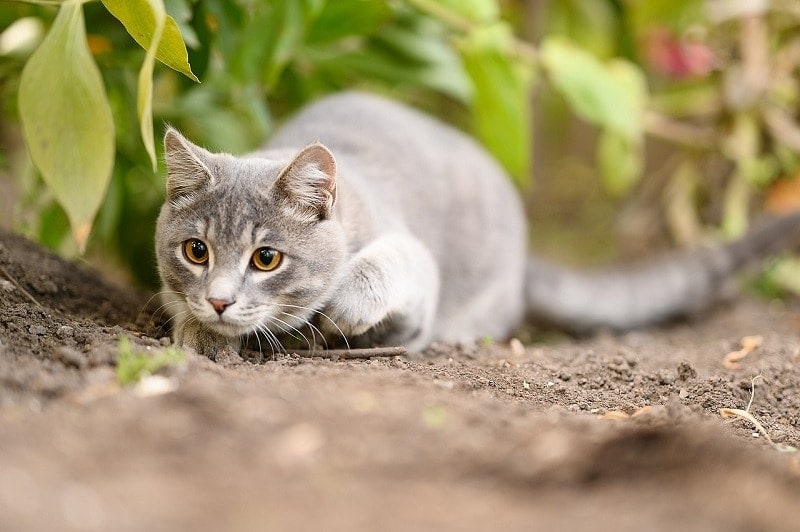
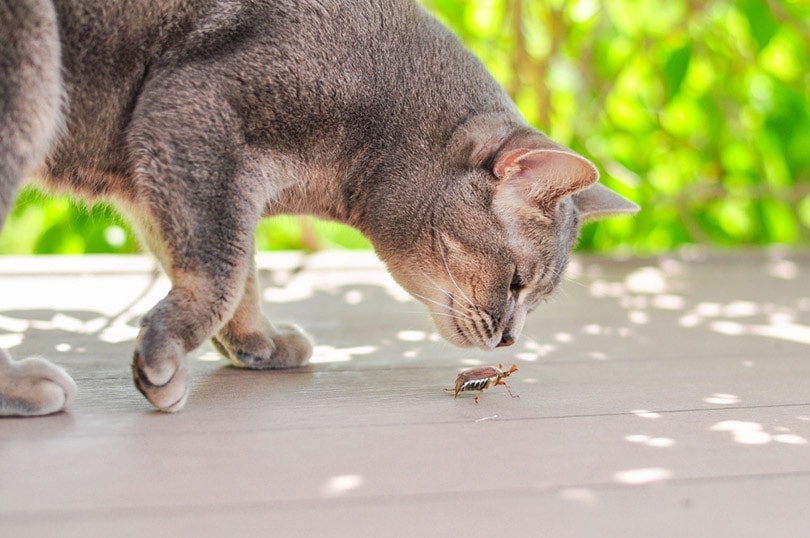
As obligate carnivores and expert hunters, cats enjoy catching and eating live prey, whether it’s a larger prey animal like a bird or a tiny worm they found in the garden. Although it is normal for cats to occasionally eat live foods like worms, they should not form part of your cats’ regular diet.
There are certain risks associated with outdoor worms to your cat which could put your cat’s health in danger.

Are Worms Safe for Cats to Eat?
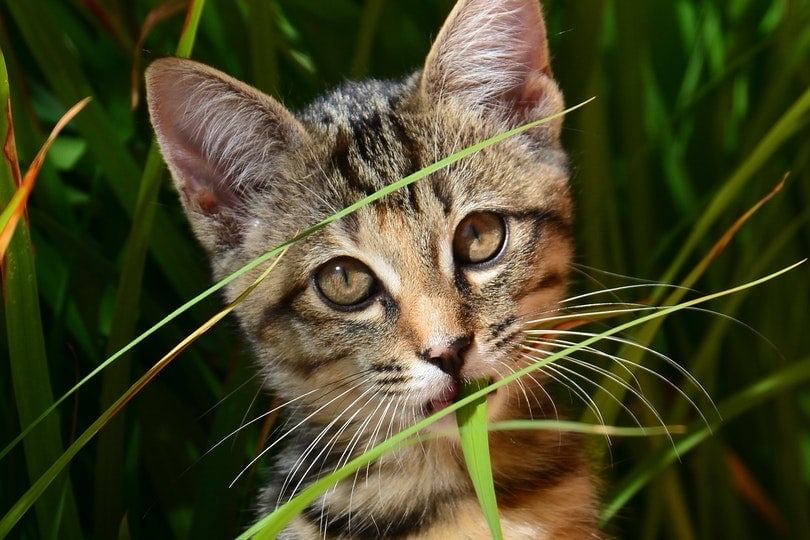
When your cat is exploring the outdoors, it's difficult to control what they catch and eat. Most cats will consume a few insects or worms in their lifetime with few problems. This could be an earthworm they dug up or a hammerhead worm they ate off a leaf in the garden. Most cats will be fine if they ate an identifiable worm by accident or out of curiosity. It is unlikely that cats will continue to eat worms from the garden, and it is normally a rare occurrence.
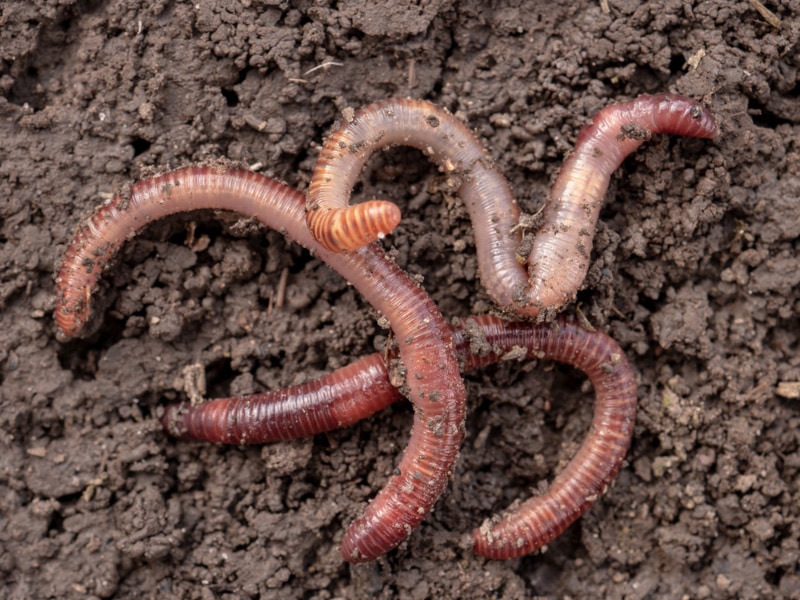
However, you should not purposefully add outdoor worms to their diet for nutrients. While worms can be a source of protein, outdoor worms are not safe for cats to eat regularly. Worms may contain various mites, nematodes, and protozoa that make them risky for cats to eat. The worms themselves could contain other worms which are parasitic by nature. For example, earthworms can carry internal parasitic worms such as Capillaria which can infect your cat.
Therefore, cats shouldn't be allowed to eat any live or dead worms (like earthworms, hammerheads, and leeches) as part of their diet. Nor should they be eating any foods containing intestinal worms and their eggs or larvae. Some common intestinal worms that can infect cats are tapeworms, roundworms, and hookworms. Most worms are not safe for cats to eat and have no major role in a cat’s diet. Your cat could get very ill from eating outdoor worms, and especially from foods containing parasitic worms.
Potential Risks and Concerns
There are three main reasons cats should not eat worms which we will discuss more in-depth below.
- Exposes your cat to intestinal parasitic worms or pathogens.
- May infect your cat with salmonella or E. coli.
- Exposes your cat to potential toxins in the worm’s body.
Allowing your cat to eat worms from the garden is risky. You do not know what types of parasites and pathogens the worms could be harboring. Many of the parasites are harmful to cats and can cause all sorts of infections and diseases in your cat. Worms may also contain salmonella and E. coli, which can infect your cat’s gastrointestinal system and cause signs of infection.
Another potential risk for cats who eat outdoor worms is exposure to toxins such as heavy metals. Earthworms seem to accumulate heavy metals that have leached into the soil, which your cat will end up ingesting too.
Frequently Asked Questions (FAQ)
What Happens If My Cat Eats a Worm from the Garden?
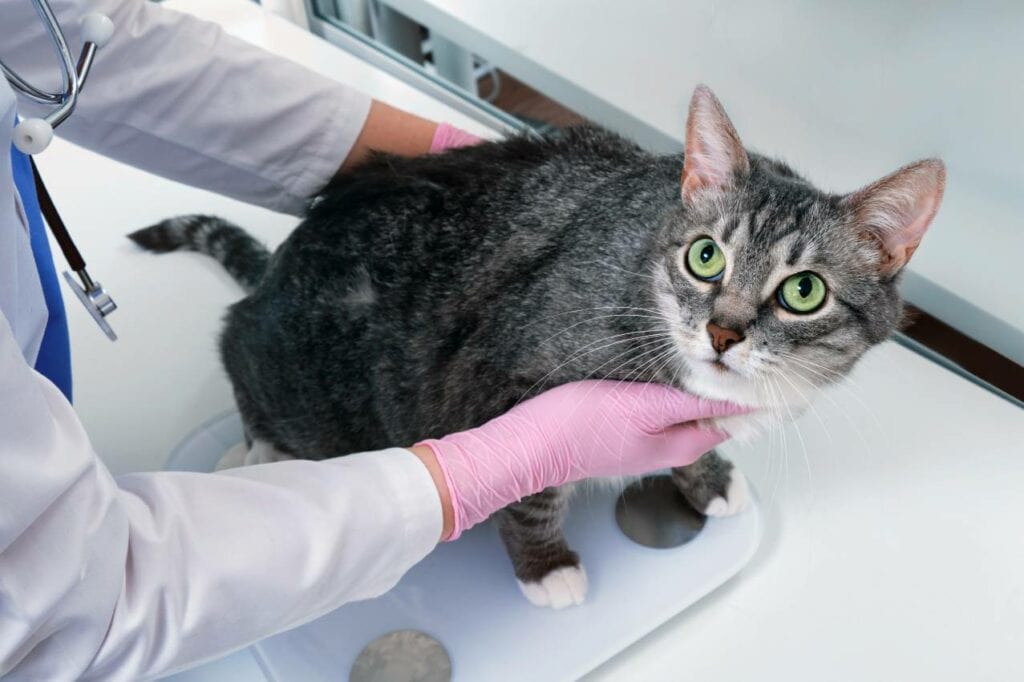
Most cats will occasionally eat worms from the garden without becoming ill. If your cat has eaten a worm and you notice that they are acting abnormally, it is important to take them to a veterinarian. It will be helpful to capture a picture or give the veterinarian a detailed description of the worm your cat has eaten. While there are worms that can cause intestinal infections, most worms your cat will encounter outdoors are unlikely to be poisonous or toxic.
What Signs Should You Look Out for If Your Cat Ate a Worm?
Signs your cat is sick from eating worms can take days or weeks to show up. This is especially true if your cat has ingested the eggs of a parasitic worm which can take weeks to hatch and even longer before your cat shows signs of a parasitic worm infection. Some cats might not show any signs at all, so you might not know if they are infected or not.
Signs your cat might be infected with intestinal worms:
In severe cases of a parasitic worm infection, cats may become weak, dehydrated, and even go into shock. The signs can vary depending on the type of parasitic worm your cat has ingested, and some cause more severe problems than others.
Can Cats Eat Earthworms?
While cats can eat earthworms, they shouldn’t eat them too often. Earthworms are probably the most common worms cats encounter outdoors. They are drawn to the earthworms' wriggling movements and are likely to consider them prey. While some cats aren't harmed by eating earthworms, the risks should not be ignored.
Earthworms may carry parasites, pathogens, and heavy metals that are harmful for your cat to ingest.
A major concern with earthworms is that they may host nematodes like Capillaria. According to experts at VCA Animal Hospitals, cats can be infected by ingesting an earthworm that has Capillaria within it. Your cat will need to be taken to a veterinarian for a diagnosis and treatment if they have been infected by Capillaria.
What Happens If a Cat Eats a Roundworm?
Cats can be infected by roundworms and other intestinal worms by ingesting them. This can also happen if they ingest food or prey animals hosting the parasites, along with coming into contact with another infected animal and their excrement. Many common garden worms like earthworms and hammerhead worms can host roundworms too which can infect your cat after they ingest the affected host.
After your cat ingests the parasitic worms, they make their way into your cat's gastrointestinal tract. Depending on the type of worm, they may stay there or migrate to other parts of your cat’s body. If your cat has ingested eggs, the larvae will hatch and live out their various life stages.
Can Cats Eat Mealworms?
Yes, mealworms can be safe for cats to eat. Out of all the different worms out there, mealworms are the most appropriate food source for cats. However, the mealworms being fed should only be bred and raised as food and not taken from the wild. Most mealworms sold as reptile food are safe for cats to eat occasionally. Mealworms are high in protein which is beneficial to cats who are obligate carnivores. And, most cats simply aren’t going to be very interested in eating mealworms.
Conclusion
Most cats are bound to eat a worm at some point in their life. However, your cat could get sick from eating worms that contain intestinal parasites, mites, salmonella, E. coli, or heavy metals. While most cats do not show any adverse signs after eating worms from the garden, it should not become a regular habit.
Aside from being fun to catch, most outdoor worms do not offer cats any noteworthy nutrients that make them worth ignoring the risks of feeding them to your cat. However, cats can eat freeze-dried or roasted mealworms as a high-protein snack.
Get Hepper In Your Inbox


Pet care tips from our vets and experts, straight to your inbox.
You may opt-out at any time. View our Privacy Policy for more information.
Sarah is residing in South Africa with her partner and pets. She currently is interested in veterinary science and ichthyology, which she wants to study alongside her main passion: pet content writing. Sarah has over 60 fish including goldfish, tropicals, shrimp, and snails. She also keeps hamsters and a tarantula and wishes to provide quality content for readers and allow others to learn from her knowledge and experience. Sarah has much experience in all aspects of pet care, and providing the world with knowledge on ethical pet ownership is her lifelong dream.
Join the conversation
Ask a question, share your story, or send private feedback.