Hepper is reader-supported. When you buy via links on our site, we may earn an affiliate commission at no cost to you. Learn more.
Can Cats Eat Nutritional Yeast? Vet-Reviewed Facts & Safety Tips


In this article
Nutritional yeast is a popular and delicious condiment used to give a cheesy flavor to some vegan cuisine dishes. You may have wondered if your cat would enjoy this rich umami flavor and whether it would be safe for your cat to try.
The good news is yes, cats can have nutritional yeast, and depending on how the nutritional yeast is made and what ingredients are in it, it may even offer some excellent health benefits for your cat. Read on to find out the potential benefits as well as the possible side effects of adding nutritional yeast to your cat's diet.

What Is Nutritional Yeast?
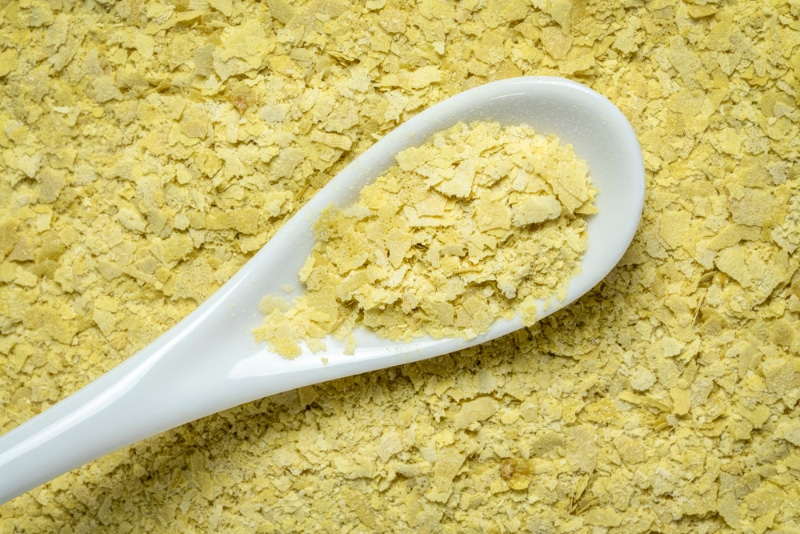
Usually available in bulk aisles of natural foods stores as yellow flakes or powder, nutritional yeast is commonly made from the Saccharomyces cerevisiae yeast strain, which is grown on sugarcane or beet molasses before being deactivated. This is usually a topper or seasoning ingredient.
Vegans and vegetarians often use nutritional yeast in their diets, as it can be used to produce non-dairy "cheeses" made from nuts but with a taste similar to cheese. It also tastes great sprinkled on popcorn!
Nutritional yeast is a good source of B vitamins, potassium, and folic acid. It is almost 60% protein. Besides being fat-free, sugar-free, and dairy-free, it is also low in sodium.
What Are the Health Benefits of Nutritional Yeast?
In addition to being a protein source, nutritional yeast is praised for having a lot of B vitamins, which play important roles in your cat’s biological processes and help them maintain healthy skin and circulation. Nutritional yeast has also been shown to improve a cat's immunity1 in some cases.
Try adding a little nutritional yeast to your cat's food if they seem to reject their regular food, as the glutamic acid in nutritional yeast can help make the food more appetizing2 for cats.
How Can I Safely Feed Nutritional Yeast to My Cat?
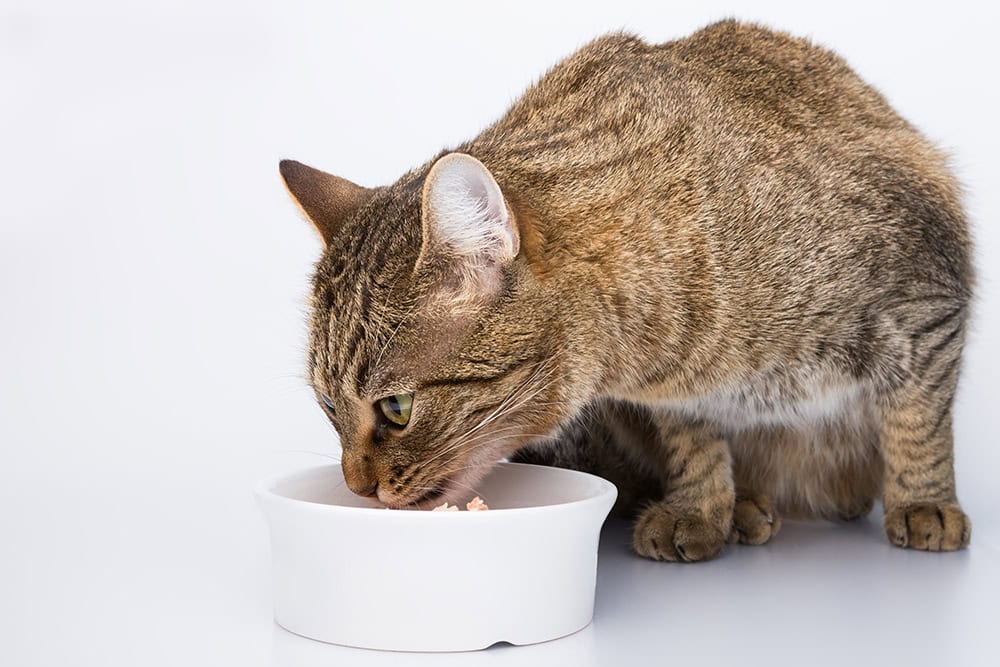
Nutritional yeast is available at most health food stores and supermarkets but you should always consult your veterinarian first and select a brand they recommend. It’s a good idea to start small when it comes to serving nutritional yeast to your cat safely and a quarter teaspoon is a good place to start.
That said, before you decide on the exact amount of human food your cat will receive, it is always a good idea to consult your veterinarian.
Nutritional yeast is different from the uncooked yeast that you would use when making bread or pizza dough. While active yeast can be highly dangerous for cats, overall, nutritional yeast is safe for them. Most cats love the taste of nutritional yeast, but not every cat will.
Is Nutritional Yeast High in Phosphorus?
There are many basic nutrients in nutritional yeast, including proteins, folic acid, and B vitamins. Nutritional yeast has a high phosphorus content, which can deplete the body of calcium. Phosphorus is an acid-forming mineral, and too much of it can cause a pH imbalance, causing the body to use its calcium reserves to restore equilibrium.
Is Phosphorus Bad for Cats?
Nutritional yeast does contain phosphorus, which can be hazardous to cats. An average dose of 1/4 to 1/2 a teaspoon would add about 20-40 milligrams of phosphorus to a cat's diet, which is generally safe, but if their diet is already high in phosphorus it could prove to be a problem. There is some evidence that phosphate concentrations that exceed the daily intake requirement for health maintenance by more than fivefold may damage kidney function in healthy cats.
Studies have also shown that high phosphorus intake exacerbates chronic kidney disease in cats. If you are feeding your cat nutritional yeast, take care to ensure they are not getting high levels of phosphorus or phosphates elsewhere in their diet.
What Is the Difference Between Nutritional Yeast And Brewer’s Yeast?
Brewer's yeast, which is a by-product of beer brewing, is not the same thing as nutritional yeast. Brewer’s yeast is higher in chromium, potassium, and selenium, and lower in B vitamins. While it is also rich in some nutrients, brewer's yeast has a bitter flavor.
This does not bother all cats, but if you want to try brewer’s yeast on your cat, read the labels carefully. A lot of manufacturers add garlic, which is toxic to felines.
What Is the Difference Between Nutritional Yeast and Active Yeast?
Nutritional yeast and active yeast are two completely different products. Breads and other baked goods are leavened by active yeast. You use it to make your baked goods rise and is commonly found in most grocery stores. Nutritional yeast is deactivated yeast. It can't make things rise and cannot be used as a replacement for yeast when baking.
Why Is Active Yeast Dangerous For Cats?
Active yeast is unsafe for cats to consume. It is possible for a cat that has ingested active yeast to suffer from either bloating or alcohol poisoning. These problems would require the immediate attention of an emergency veterinarian.
Aside from fermenting carbohydrates in bread, active yeast poses a serious threat to your cat due to its ability to produce carbon dioxide and ethanol alcohol. When ingested by a cat, alcohol gets absorbed into the bloodstream, which can cause seizures and respiratory failure.
Why Is Active Yeast Bad For Cats?
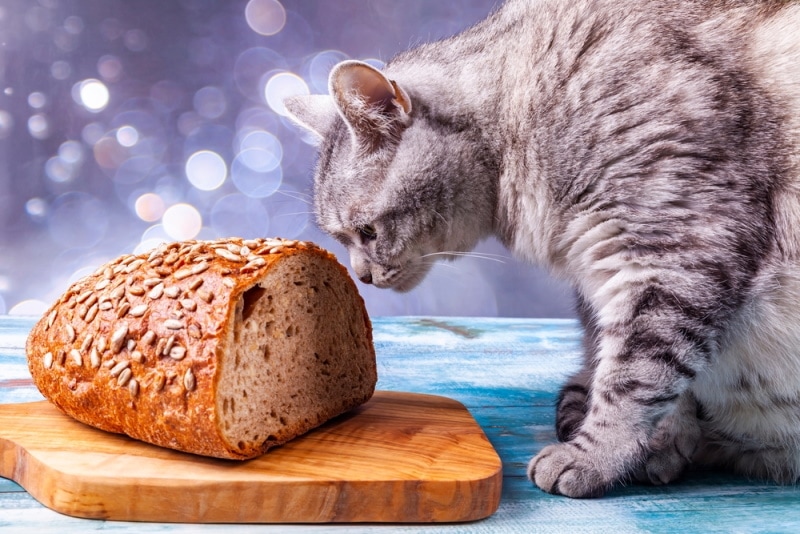
It’s true that bread is not toxic to cats; however, carbohydrate-based foods aren't very healthy for cats either. Uncooked yeast can be extremely dangerous for cats if eaten. The ingredient will continue to rise and expand in the stomach of a cat, and as a result, the cat may suffer from bloat and a distended stomach.
It may even take surgery to remove the dough from the cat's stomach in some cases. As yeast ferments, it also produces ethanol. Alcohol poisoning can result if the ethanol is absorbed into the cat's bloodstream.
Now that you know what you can safely feed your cat, it’s just as important to find a bowl that supports their health and well-being. With whisker-friendly bowls and a wide tray to catch any spills, our Hepper NomNom Cat Bowl is our favorite option.

- NO MESS - The 360° tray on this cat food and water bowl set has a raised design to catch and contain stray crumbs and drips. Protect your indoors and floors from wet and messy meals!
- WHISKER FRIENDLY - Shallow and wide metal containers with flat bottoms ensure your kitty can enjoy mealtime free from whisker fatigue!
- CHEW-SAFE MATERIALS - Kittens and cats love chewing on silicone and soft rubber - but it's a choking hazard. Our cat feeding station materials are anti-chew for a 100% safe feeding frenzy!
Final Thoughts
A small amount of nutritional yeast is generally safe for cats to consume. It contains vitamins, protein, and many other beneficial nutrients. Remember, though, that nutritional yeast is not the same as the yeast you use for baking bread, and it’s highly dangerous for cats to consume active yeast.
Consult your regular veterinarian before feeding your cat any human food, including nutritional yeast and as with any novel food, it’s best to provide your cat with a moderate amount only. Overall, if you want to spoil your cat, it's probably best to stick to cat treats that are specially formulated to nourish your feline friend.
Related Read:
Get Hepper In Your Inbox


Pet care tips from our vets and experts, straight to your inbox.
You may opt-out at any time. View our Privacy Policy for more information.
Nicole is a lover of animals of all sizes but is especially fascinated with the feline variety. She’s the proud mom of Baby, a Burmese, and works every day so he can relax in the sunshine or by the fire. She’s always had a cat in her home and has spent countless days with others, observing behaviors and softening up even the grouchiest of the lot. Nicole wants to share her kitty expertise with you so you and your cat can live happy, healthy, and care-free.
Join the conversation
Ask a question, share your story, or send private feedback.