Hepper is reader-supported. When you buy via links on our site, we may earn an affiliate commission at no cost to you. Learn more.
How Many Grams of Protein Does a Cat Need Per Day? Vet-Reviewed Facts & FAQ


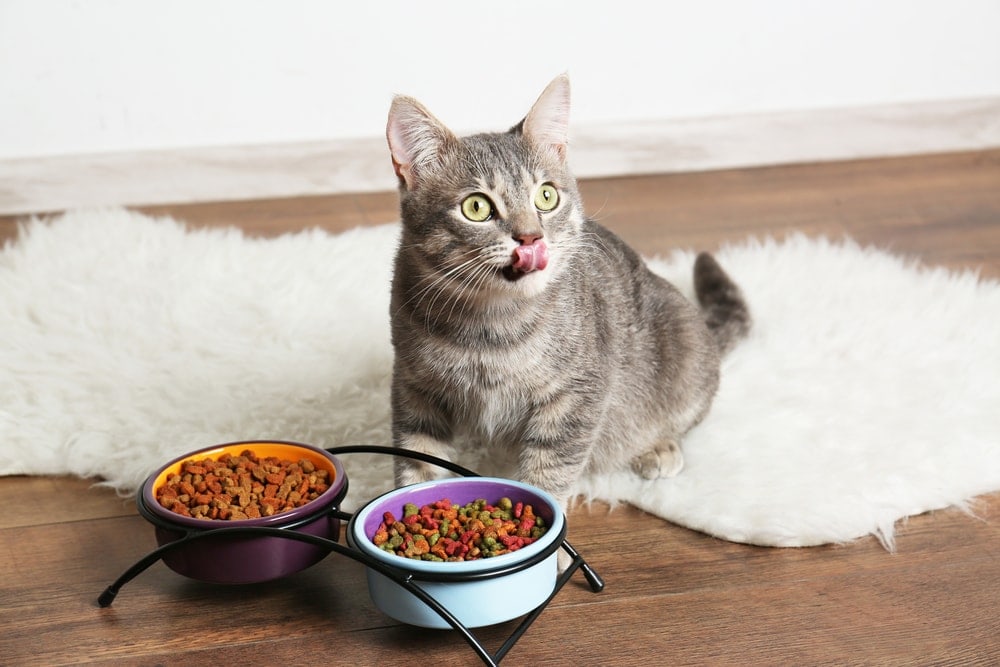
Cats are obligate carnivores, which means they were designed to live on mostly meat. Meat is made up of protein and fat for the most part. Cats need quite a bit of protein in their daily lives. Otherwise, they may develop nutritional deficiencies, which can lead to other issues.
If you want your feline to be as healthy as possible, they must be given the appropriate amount of protein. For the most part, adult cats need at least 2.2 grams of protein per pound of healthy body weight, per day. That said, many factors go into how much protein a feline must eat. Kittens need more protein per pound than adults because they are growing and building muscles. Nursing and pregnant females will also need more protein, for themselves and their kittens.
Generally, this translates into a high-protein diet. Therefore, it is essential that your cat is eating a diet rich in high-quality, animal-based protein, which should be the main source of their protein.
Cat Calorie Calculator
Recommended Daily Calories
Our recommended product
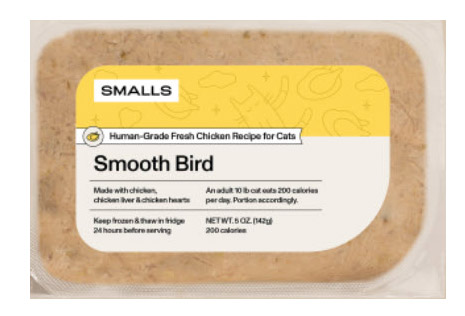
Smalls Fresh Smooth Bird Human-Grade Cat Food
The exact amount of calories an individual animal needs to maintain a healthy weight is variable and influenced by many factors including genetics, age, breed, and activity level. This tool is meant to be used only as a guideline for healthy individuals and does not substitute veterinary advice

The Type of Protein Matters
While cats need about 2.2 grams of protein per pound of body weight per day, the type of protein does matter. Preferably, the protein should be complete, which means that it should contain all the essential amino acids that your cat can not synthesize and needs to consume in order to thrive. The more bioavailable amino acids a meat contains, the better, as it will help ensure a balanced and complete diet. Otherwise, your cat may develop nutritional issues.
Most animal tissues provide a complete source of protein. Therefore, your feline should be getting most of their protein from animal-based ingredients, as these naturally supply all the essential amino acids that cats require, including taurine, arginine, methionine, cysteine, and lysine. Organ meats, such as liver and heart, are particularly valuable because they supply concentrated levels of taurine and other critical micronutrients, while muscle meat contributes high-quality, highly digestible protein. Many animal products are also complete proteins, including eggs. However, eggs contain only minimal taurine, so they should be viewed as a supplemental protein source rather than a primary one for meeting a cat’s taurine requirement. When added to your cat’s food, these animal-derived ingredients can provide the necessary amino acids and support optimal metabolic and developmental functions.
Plant-based proteins are generally not complete, though. Most do not include all of the essential amino acids that your cat needs. Even if they do, they lack other amino acids that your feline may occasionally need. Additionally, plant proteins are typically lower in key nutrients that cats must obtain from animal tissues, such as taurine, arachidonic acid, vitamin A in its active form, and certain B vitamins. For instance, some amino acids are technically not classified as essential, but nursing and pregnant cats may have increased demand for them to support growth and lactation.
Protein from plant sources may also not be as digestible. Research shows that cats have lower digestive efficiency for plant-based proteins due to their shorter, carnivore-adapted gastrointestinal tract, which can limit the amount of nutrition that your cat can receive from these sources.
Therefore, animal products are always the better option. Choose them over plant-based sources when possible.
While providing our feline companions with high-quality food is paramount, selecting the right food and water bowl is equally important. The modern yet practical design of our Hepper NomNom Cat Bowl combines cat-catered features, like whisker-friendly shallow dishes and slight elevation, with a contemporary style aimed at protecting your floors from messy eating and drinking. The NomNom is entirely dishwasher safe and was thoughtfully created with your cat’s health and well-being in mind.

- NO MESS - The 360° tray on this cat food and water bowl set has a raised design to catch and contain stray crumbs and drips. Protect your indoors and floors from wet and messy meals!
- WHISKER FRIENDLY - Shallow and wide metal containers with flat bottoms ensure your kitty can enjoy mealtime free from whisker fatigue!
- CHEW-SAFE MATERIALS - Kittens and cats love chewing on silicone and soft rubber - but it's a choking hazard. Our cat feeding station materials are anti-chew for a 100% safe feeding frenzy!
Should Cats Be on a High-Protein Diet?
What exactly a “high-protein” diet is varies. Compared to people and non-obligate carnivores, cats should be on a decently high-protein diet. However, compared to a cat’s typical nutritional needs, cats do not necessarily require diets labeled as “high-protein,” as long as the diet meets their established daily protein requirement and amino acid profile. Most felines will not need more than 2.2 grams of protein per pound of body weight per day unless they are nursing or pregnant.
However, excessive protein intake probably won’t be harmful in healthy cats. Most cats can handle slightly more protein than they need. The extra nitrogen from protein metabolism can be filtered out and eliminated through the urine, so most felines won’t have anything to worry about.
That said, some cats may have underlying health problems that can make filtering out nitrogenous waste difficult. In this case, you may want to limit your cat’s protein intake. Your vet will provide you with the necessary information about your cat’s diet if they fit into this category.
Generally speaking, cats should consume at least 26% protein on a dry-matter basis in their food. The rest should be largely fat. Anything over this range is usually considered “high protein.” While not all cats will benefit from extra protein, most won’t be harmed by it either. Kittens and pregnant females may need closer to 30% –35% protein on a dry-matter basis.

How Much Protein Should a Senior Cat Have Daily?
Aging cats often need more protein. Most older cats experience decreased digestive efficiency and a reduced ability to absorb and utilize nutrients, which means they need a higher proportion of high-quality, animal-based protein to make up for this issue. In many cases, senior cats benefit from diets containing 30%–40% protein on a dry-matter basis, depending on their health status.
Furthermore, older cats are prone to losing muscle mass, which can make them unhealthier overall. Therefore, extra highly digestible protein can help decrease this loss. However, some older cats may have chronic kidney disease, which makes them more sensitive to excessive dietary phosphorus. These felines may require a diet with carefully controlled phosphorus and moderate, not excessive, protein, to prevent further kidney problems.
What Type of Protein Do Cats Need?
Generally, all cats should consume mostly animal protein. While plant protein does have its place, it is often missing key amino acids. Therefore, it may not provide your cat with everything that they need to thrive. While most foods are formulated with the appropriate number of amino acids, we’re still learning which nutrients a cat needs and when.
Therefore, it is often better to be safe than sorry and to focus on animal-based, highly digestible protein when possible.
That said, the type of meat also matters, as different tissues provide different nutrients. Muscle meat is an excellent source of high-quality protein, while organ meats such as liver and heart provide essential micronutrients and higher taurine concentrations. However, within balanced commercial diets, various meats can be used effectively as long as the amino acid profile is complete. You shouldn’t avoid one particular type of protein unless your cat is allergic, which can happen. Cats are often allergic to common dietary proteins like chicken, as this is one of the most common proteins. However, cats can be allergic to any protein.
You should provide your feline with a variety of animal-based proteins over time, to ensure that they are consuming a diverse range of amino acids, fatty acids, and micronutrients, although each individual meal does not need to be varied if the diet is complete and balanced.
What Is the Easiest Protein for Cats to Digest?
Generally, most animal-based protein is easy for cats to digest, as their gastrointestinal system is adapted for processing meat. Highly digestible options typically include poultry (such as chicken and turkey), rabbit, and well-cooked eggs, which cats can utilize efficiently. Digestibility can vary depending on the specific cut of meat, the amount of connective tissue, and how the protein is processed or cooked.
That said, fish tends to be slightly lower in digestibility compared to other animal proteins. Certain fish may also contain thiaminase, an enzyme that destroys thiamine, and therefore should not be fed as a primary protein source unless properly cooked or formulated. The higher risk of environmental contaminants such as mercury also means that cats should not consume high amounts of fish, or they may develop toxicity over time. For this reason, we recommend choosing a variety of other primary animal proteins for your feline.
Conclusion
We highly recommend that cats eat at least 2.2 grams of protein per pound of healthy body weight per day, preferably from an animal-based source. Eggs and muscle meats are easier to handle though organ meats can also be utilized to supply essential micronutrients and naturally occurring taurine.
Different cats may have slightly different needs, though. For instance, kittens are growing and often need significantly more protein. Pregnant and nursing females also need more protein because they are providing protein to their kittens and have increased amino acid and caloric demands.
Overall, your feline should eat a comparatively high-protein diet, but that is because they are carnivores and would be consuming mostly animal meat in the wild. This means that the quality, digestibility, and amino acid balance of the protein are just as important as the total amount.
Related Read:
Featured Image Credit: Africa Studio, Shutterstock
Get Hepper In Your Inbox


Pet care tips from our vets and experts, straight to your inbox.
You may opt-out at any time. View our Privacy Policy for more information.
Kristin is passionate about helping pet parents create a fulfilling life with their pets by informing them on the latest scientific research and helping them choose the best products for their pets. She currently resides in Tennessee with four dogs, three cats, two fish, and a lizard, though she has dreams of owning chickens one-day!
Join the conversation
Ask a question, share your story, or send private feedback.