Hepper is reader-supported. When you buy via links on our site, we may earn an affiliate commission at no cost to you. Learn more.
Are Reed Diffusers Safe for My Cat? Vet Approved Facts & FAQ


In this article
If you have a pet in your life, you know it’s a struggle to keep your home smelling nice. One way people might do this is with reed diffusers, but how safe are they around our cats? The reed diffuser itself isn’t dangerous to cats, but the essential oils inside it can be. So, let’s take a look at reed diffusers, how they can be used safely around cats, and which essential oils you should keep out of your home.

What Makes Reed Diffusers Unsafe?
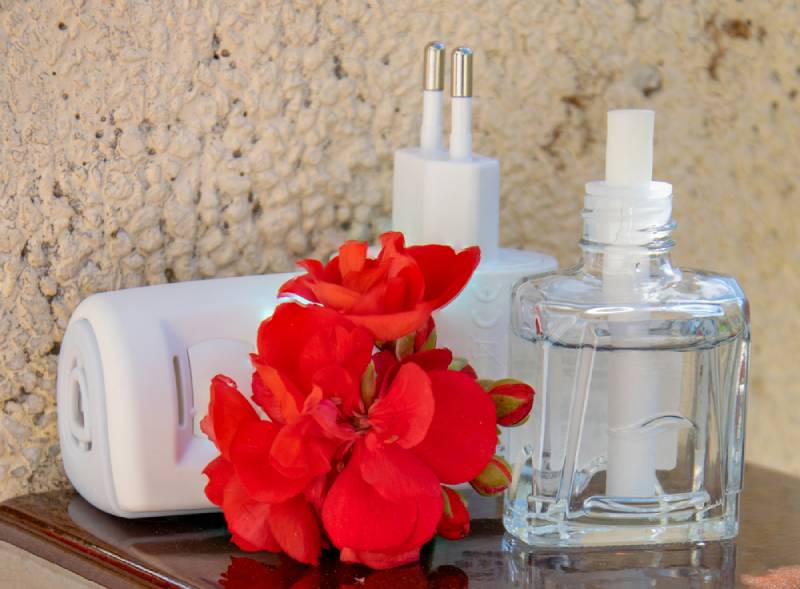
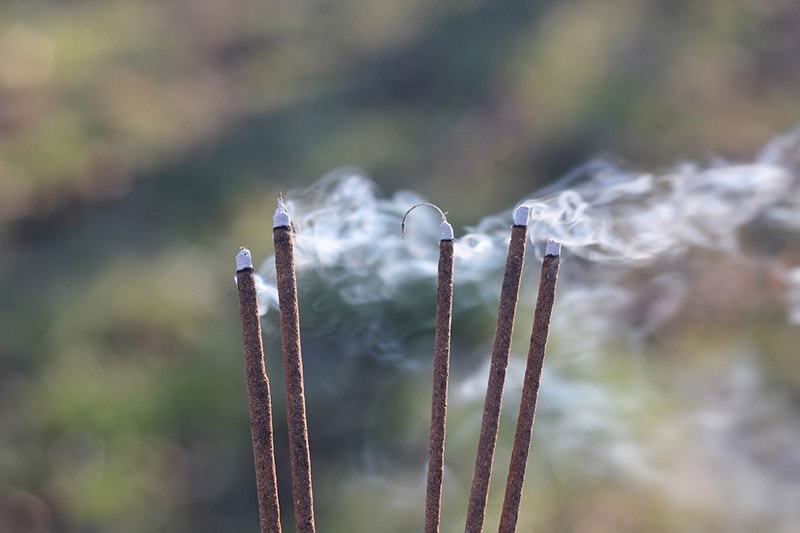
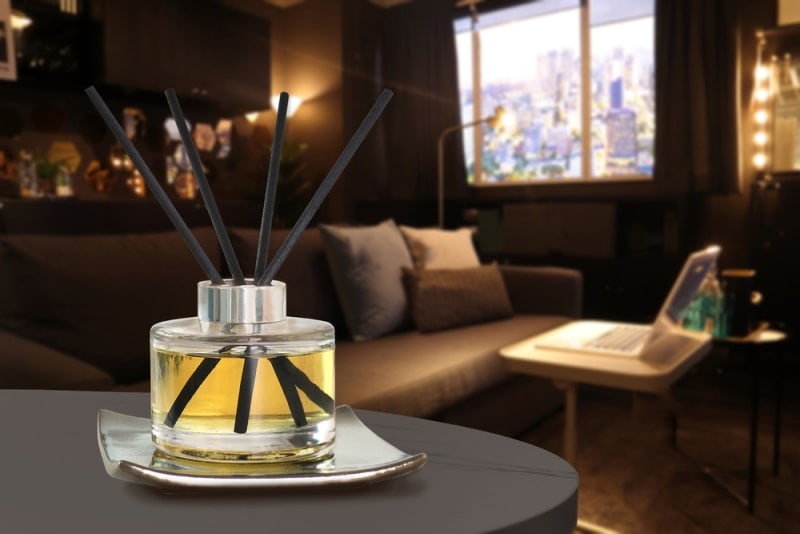
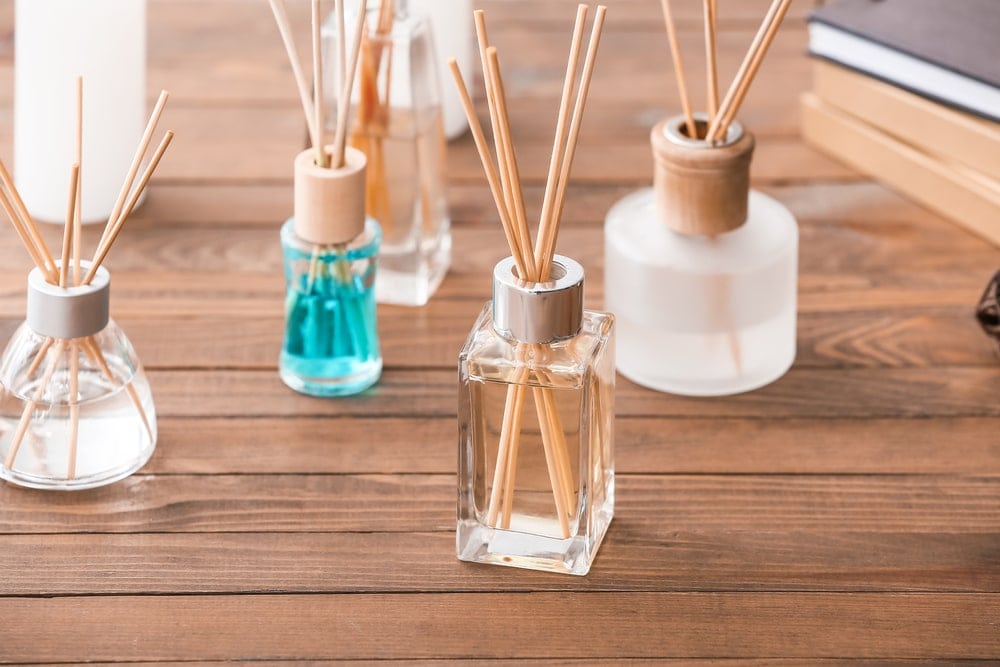
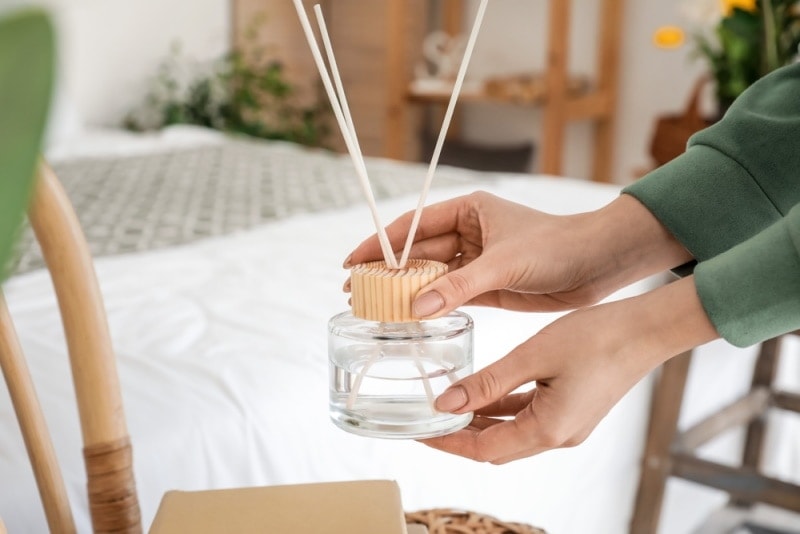
Reed diffusers are made up of three main parts: a small glass or ceramic bottle with a narrow neck, the oil, and the reeds, which are about the size and shape of a stick of incense. The reeds are placed in the bottle with the oil, and the idea is they soak up the oil like a wick and then diffuse the scent into the air.
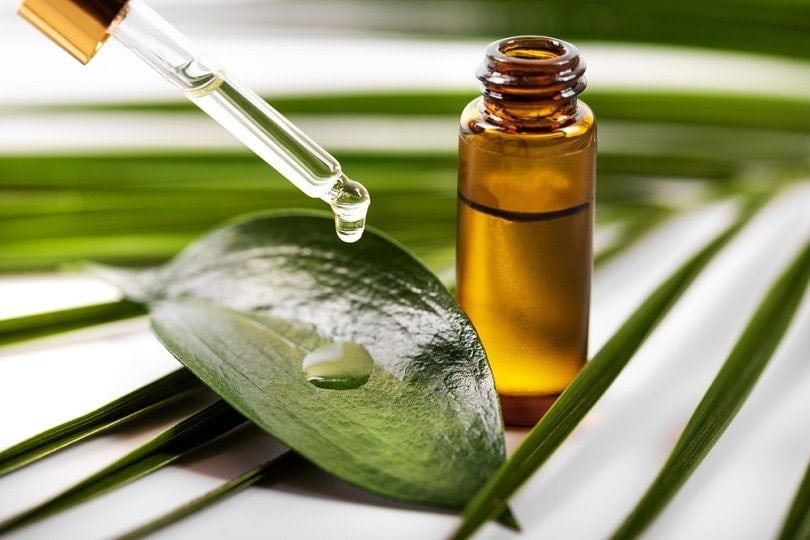
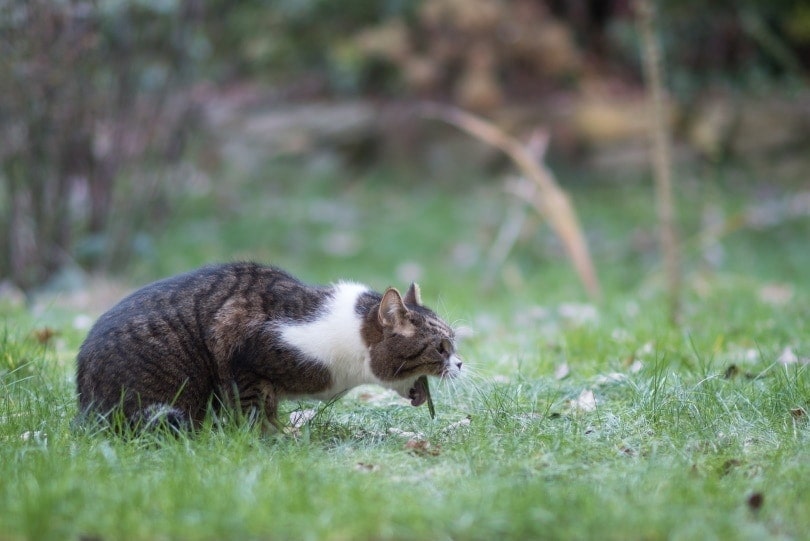
Essential oils can be toxic through skin contact, inhalation, and ingestion for your cat.1 If they come into contact with essential oils in any of these ways, it can cause severe organ damage and result in liver failure, seizures, and, most severely, death.
If your cat gets essential oils on its fur or skin, they could be absorbed. Your cat could also lick the oil off its fur and swallow it as it grooms itself. You need to be especially careful if your cat has asthma or allergies, and we would suggest keeping essential oils out of your home entirely.
Which Essential Oils Are Toxic to Cats?
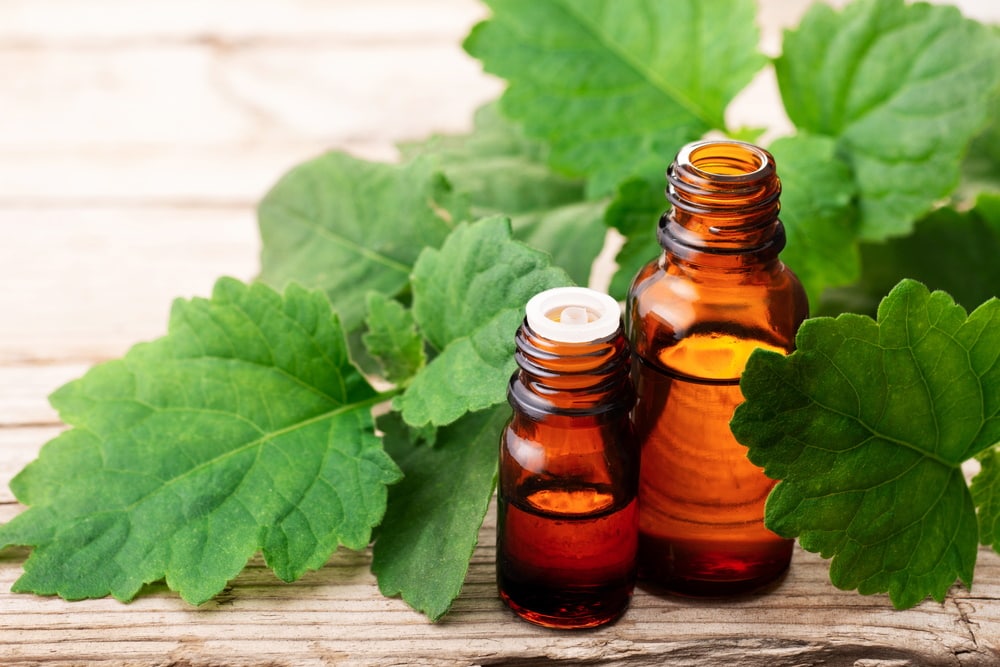
Most essential oils are toxic to your cat, but in particular, you should stay away from:2
- Bergamot
- Cinnamon
- Citrus Oils
- Clove
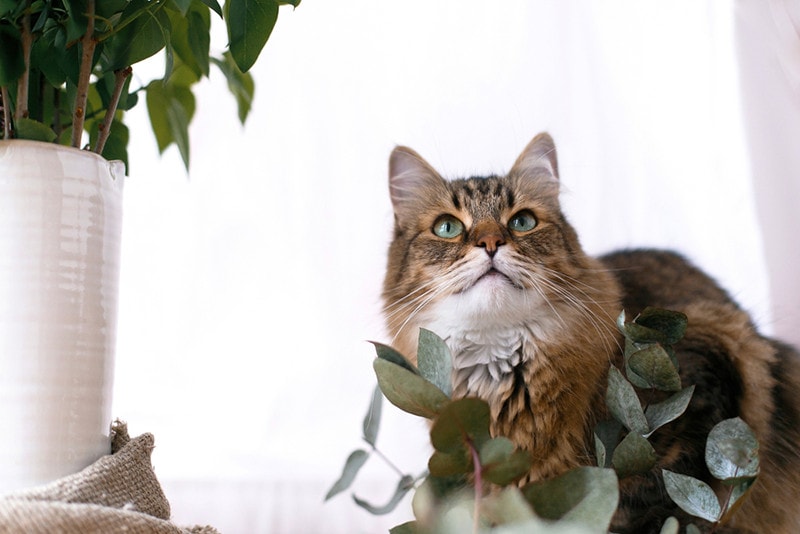
- Eucalyptus
- European pennyroyal
- Geranium
- Lavender
- Lemon, lime, and orange
- Lemongrass
- Pine
- Rose
- Rosemary
- Sweet Birch
- Sandalwood
- Tea tree
- Thyme
- Wintergreen, peppermint, spearmint, and mint
- Ylang-ylang
It is important to note that tea tree, in particular, is never safe to use around cats and is very hazardous.
Signs Your Cat Has Essential Oil Poisoning
Contact your vet immediately if you suspect your cat has come into contact with essential oils, even if there are no signs of illness. Check the product packaging, as it will be helpful for your vet to know which essential oil they have been exposed to and at what concentration.
If you notice any of the following signs in your cat, they could be suffering from essential oil poisoning:
- Collapse/seizures
- Excessive drooling
- Difficulty breathing/breathing with their mouth open
- Lethargy or depression
- Shaking/trembling
- Unsteady on their paws (like they’re drunk)
- Vomiting
Contact with essential oils can also make the cat’s skin sore or red or even result in chemical burns. However, they may still be unwell even if there is no damage to their skin.
How to Keep Your Cat Safe Around Essential Oils
You can take steps to minimize the risk of your cat coming into contact with essential oils and hurting itself.
- Store essential oils out of reach: It might seem obvious, but keep all containers closed in a cupboard your cat can't access. This will keep nosy paws safe.
- Wash your hands: Don't handle your cat after using essential oils until you’ve washed your hands. If you stroke them, it might transfer to their fur, and they could then lick it off.
- Don’t clean with essential oils: Cats rub against objects, which means they could easily get this on their fur.
- Use heavily diluted oils: This will help to minimize the risk to your cat.
- Keep your cat out of the room: Also, picking a well-ventilated room will help if you plan to let them in later.
- Use prescription flea products: Some over-the-counter treatments contain essential oils to keep fleas away. Not only are these less effective than other medications, but they can also be dangerous for your cat, so we recommend you use products prescribed by your vet.
Summary
Reed diffusers aren’t necessarily bad for cats, but their essential oils can be. There are ways to enjoy essential oils without harming your cat, such as keeping your cat out of the room and only using diffusers when your cat is outside. However, if you are in doubt, it’s best to steer clear of them. That is the only surefire way you will keep your cat completely safe.
Related Reads: Is Frankincense Safe for Cats? Vet Approved Facts
Sources
Featured Image Credit: Enjoy The Life, Shutterstock
Get Hepper In Your Inbox


Pet care tips from our vets and experts, straight to your inbox.
You may opt-out at any time. View our Privacy Policy for more information.
Kerry-Ann lives in Scotland and wishes her garden was bigger so she could have her very own Highland cow. But her dogs probably wouldn’t like that very much. She has a La Chon called Harry who was poorly with a liver shunt when he was a puppy. It wasn't likely he would make it into adulthood, which was difficult, but he beat the odds and is a healthy old man now. She also has a Pug called Maddie who is a big foodie. She’s small, sassy, and every day she finds a new way to mess with her brother.
When she isn’t writing you can find Kerry-Ann going for long walks when the weather isn't bad, reading, or watching cartoons when she should be tidying her house. She would one day like to be a tourist in her own country and travel through the Highlands with her family.
Join the conversation
Ask a question, share your story, or send private feedback.