Hepper is reader-supported. When you buy via links on our site, we may earn an affiliate commission at no cost to you. Learn more.
Can Cats Eat Plums? Vet-Reviewed Safety Facts


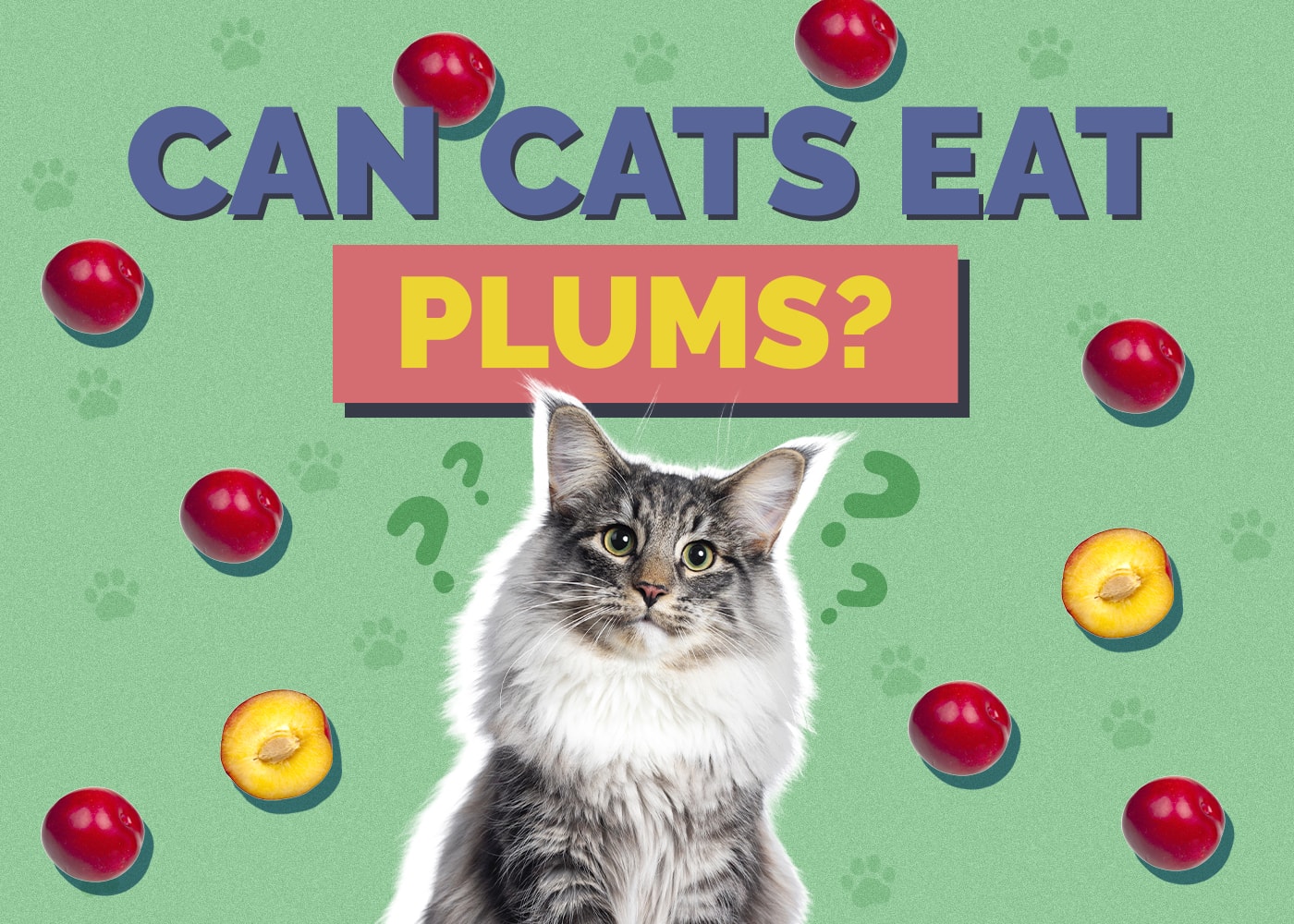
Summer is fruit season, bursting at the seams with juicy and sweet fruits, such as plums. Everyone in the household gets to enjoy these delicacies, so it is natural to want to share our blessings with the cats in our family. We know that cats are carnivores and thrive on a meat-based diet, but are they able to share our plums with us?
The skin and flesh of plums are fine for cats to eat in small amounts. However, the stem, leaves, and pit all contain cyanide which can cause fatal toxicity in cats. While we know that plums are mostly safe for cats, is it really a beneficial addition to their diet?

Are Plums Safe for Cats?
As loving owners, our cat’s health is the most important thing to us. We want to ensure they are always safe, happy, and healthy. Before you decide to feed them any new food, it’s a good idea to understand what risks our “human food” can pose to them.
Cyanide Poisoning
Cyanide is a vaguely familiar word to many of us, and it’s commonly known as a poison we often see in the media. But what is less known is that cyanide glycoside is naturally found in many fruits we eat! Cyanide glycoside is found in the stems, leaves, and pits of plums. While cyanide glycoside is not very toxic, it is converted to hydrogen cyanide during digestion, which can be very toxic1.
While small amounts of cyanide in fruits won’t impact the human body much, the much smaller cat body can suffer from fatal toxicity from only a small exposure to cyanide2. Your cat may be drawn to chew on tough stems of plums in the fruit bowl and could potentially consume cyanide this way, so ensure plums are stored safely away from their reach.
If feeding small amounts of plum flesh, always wholly remove the pit. There are two varieties of plums that can affect the pit: cling-stone and free-stone. Cling-stone types have the pit attached to the flesh, and removing all the pit can be difficult. Free-stone varieties have a loose pit that is removed easily so this variety is preferable.
Other fruits that contain cyanide in their leaves, stems, and pits include:
- Apricots
- Cherries
- Peaches
- Pears
- Prunes
- Apples
Symptoms of cyanide poisoning may include dilated pupils, difficulty breathing, open mouth breathing or panting, and collapse or shock. If you think your cat has consumed planet material containing cyanide or is showing any signs, you should seek emergency veterinary care.
Choking Hazard
In addition to potential toxicity, plums can pose a choking risk to a cat’s small body. The pits themselves are the perfect size to get lodged in their throat if they attempt to ingest it. The flesh itself is soft enough for cats to swallow safely, but the skin is more fibrous, and cats' carnivorous teeth may struggle to break down these fibers before swallowing, making the skin a choking hazard.
If you want to give your cat a small piece of plum to try, ensure it is perfectly ripe, so the flesh is soft and juicy. Additionally, you should either remove the skin or cut it into small pieces.
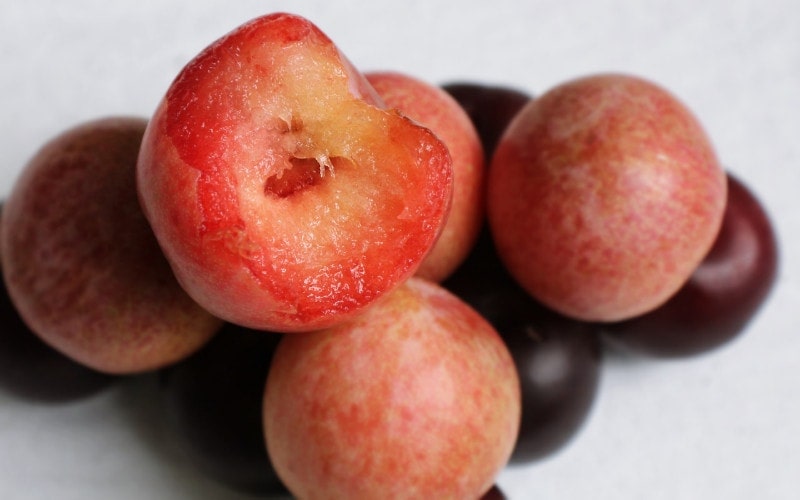

Are Plums Good for Cats?
While plums are packed full of beneficial vitamins for us omnivorous humans such as vitamins A, K, and C, our carnivorous roommates get all they need from their meat-based diets. Plums may offer a few nutritional benefits if consumed by cats, but they are not required in any sense. Plums and other fruits are also proportionally higher in sugar than a cat's natural diet.
However, cats are unlikely to like plums in any instance. Unlike dogs, cats cannot taste sweetness. So don’t feel bad when you don’t share your plum, as your cat will be indifferent anyway! Curious cats may show some interest, but it will end not far from that.
Ensure your cat has a balanced diet suited for their needs in good quality cat food. Any extra supplementation is not needed, especially not fruit, unless a vet advises so.
Healthy Treats for Cats
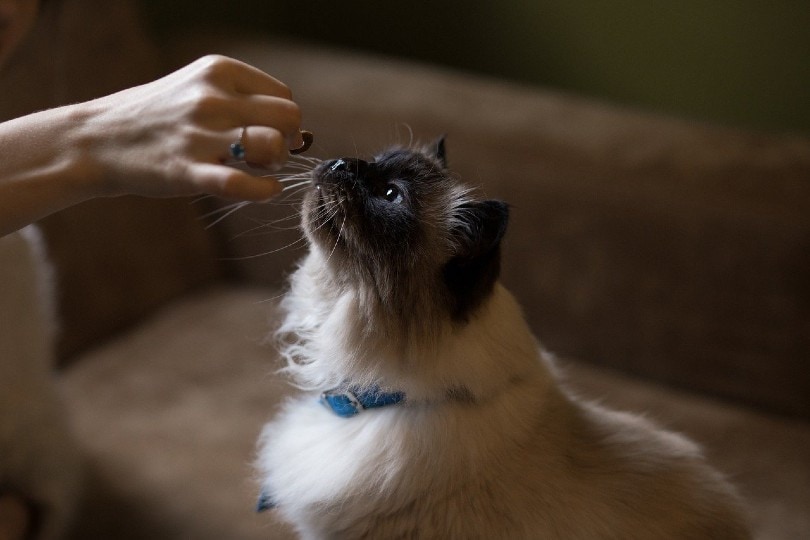
If you’re considering sharing your juicy plums with your cat because you want them to enjoy a treat, then remember that what they consider a yummy treat is different from ours.
Your cat might enjoy some catnip or cat grass, which you can purchase or grow yourself organically! They will also enjoy their carnivore urges being sedated with cooked meat such as chicken or safe fish.
Final Thoughts
Plums should not be the first pick of a treat for your cat. While the flesh of plums is safe, many parts, including the pit, can be potentially harmful. Fruit is not needed in a cat’s diet, so when offering treats, look for something from their natural diet that they will enjoy!
Featured Image Credit: Neven Krcmarek, Shutterstock
Get Hepper In Your Inbox


Pet care tips from our vets and experts, straight to your inbox.
You may opt-out at any time. View our Privacy Policy for more information.
After an early start in the veterinary industry and as a conservation educator at Disney’s Animal Kingdom in Florida, Sophie has since been a successful Zookeeper and Conservationist, specializing in native New Zealand species. When she’s not bird watching in native forests or crawling through the underbrush at midnight searching for rare frog species, she can be found with her farmer husband on their sheep and beef station, far from civilization. Alongside them, they have 2 cats, 9 chickens, and 11 dogs (most notably, her sidekick, a black Labrador aptly named Jellybean). Sophie enjoys her writing career as it provides opportunities to help and support pet owners of all kinds to give animals the best welfare possible. The only downside is the long list of strange searches in her internet history!
Join the conversation
Ask a question, share your story, or send private feedback.