Hepper is reader-supported. When you buy via links on our site, we may earn an affiliate commission at no cost to you. Learn more.
Can Cats Eat Prunes? Vet Reviewed Nutrition Facts & FAQ


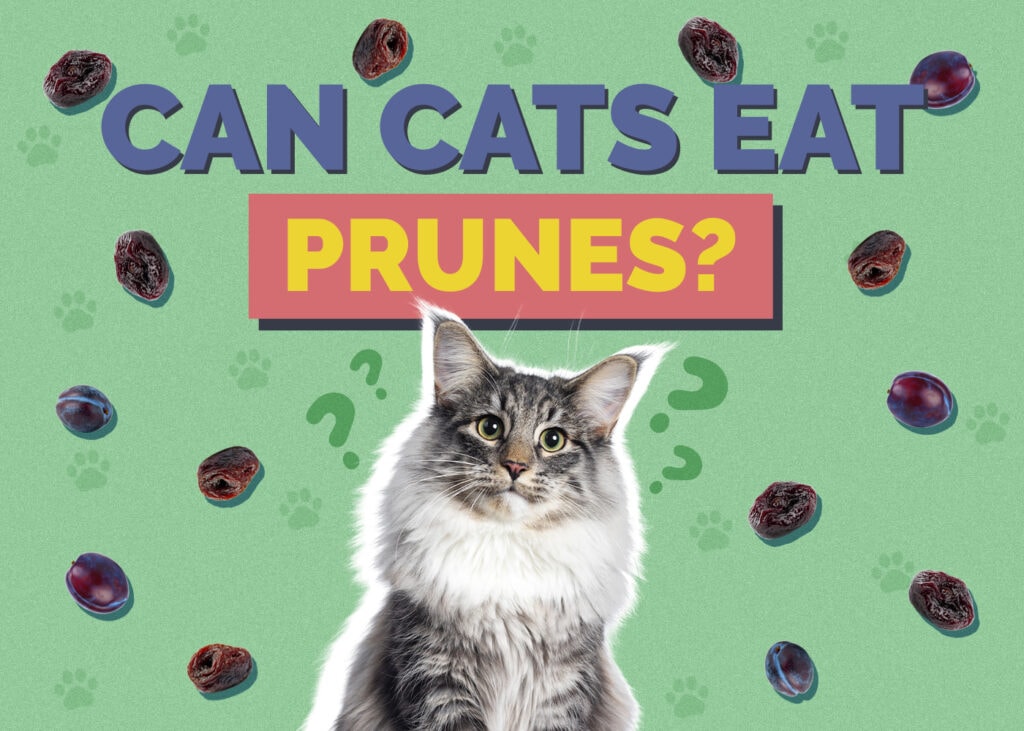
Lots of fruits can be dehydrated into a tasty, shriveled snack that is good for our health. Similar to how grapes can be made into raisins, plums are a sweet and juicy fruit used to make prunes. Any animals that you have in your house might also get a little curious about this food. Should you worry if your cat tries to eat some prunes?
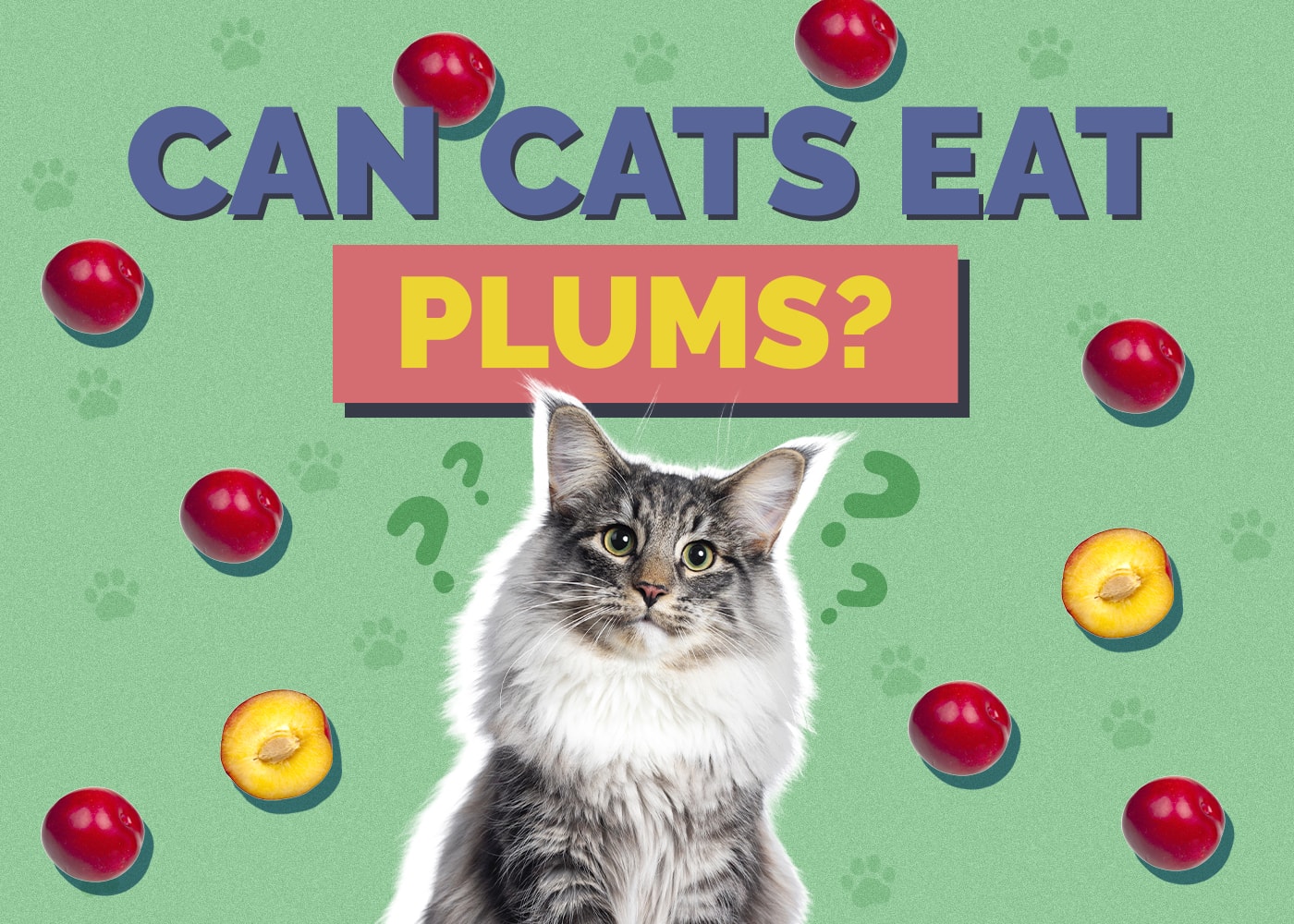
Cats should never be allowed to eat plums. The fruit body itself may not be toxic, but other parts of the plum are highly toxic. Trust us when we say that feeding your cats plums or prunes is not worth the risk. On top of that, they offer cats no nutritional benefits, so you might as well refrain from feeding them to your pets.

Do Cats Enjoy Prunes?
It’s hard to say whether your cat is personally going to take an interest in eating prunes. Most would probably take a couple of sniffs and move on, but you never know how an animal is going to react. Because cats are obligate carnivores, it is possible that a couple of cats out there might try to eat anything they come across. There is a good chance that you’re only reading this article because your cat already took a bite out of one.
If so, it’s a good idea to call your vet right away.
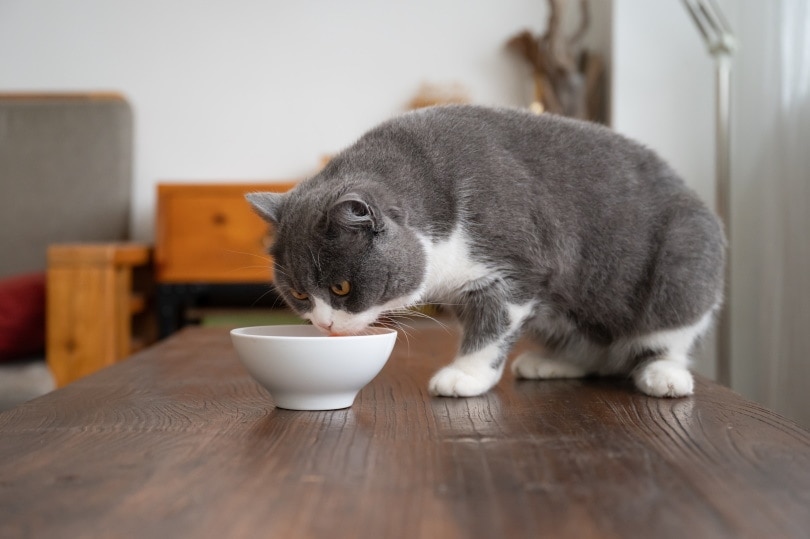
Are Prunes Dangerous for Cats?
It is entirely possible that the consumption of a plum or prune could make them violently ill and even be fatal. You should never allow your cats to eat prunes. The problem with the fruit is that the leaves, stems, and seeds all contain high amounts of cyanide which could be deadly.
This is called cyanide poisoning, or plum poisoning if it came explicitly from plums, and common symptoms include:
- Breathing problems
- Vomiting
- Cardiac arrest
- Coma
- Difficulty walking
- Unconsciousness
- Shock
- Dilated pupil
- Panting
- Bright red gums and mucous membranes
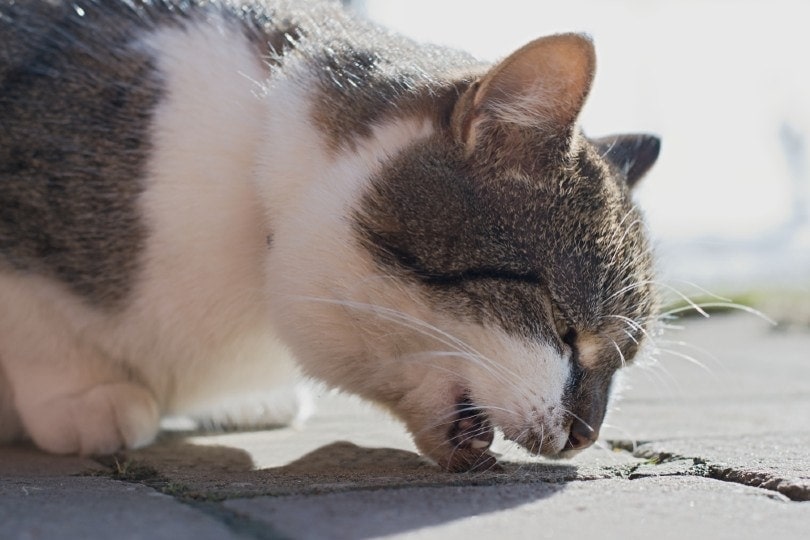
How Cats Get Diagnosed for Plum Poisoning
If your cat has eaten any prunes, you need to take them to the veterinarian as soon as possible, even if none of the symptoms have started yet. Tell your vet what your pet ingested so that they can quickly intervene. If you aren’t certain that they ate a prune but noticed they have similar symptoms, be as detailed with your veterinarian as possible. It might be a good idea to collect samples from cats that have already started vomiting.
Veterinarians can test for cyanide poisoning, although this type of testing usually has to be sent out to a specialty laboratory. They do this by removing gastric fluid from the stomach and testing for specific toxins.
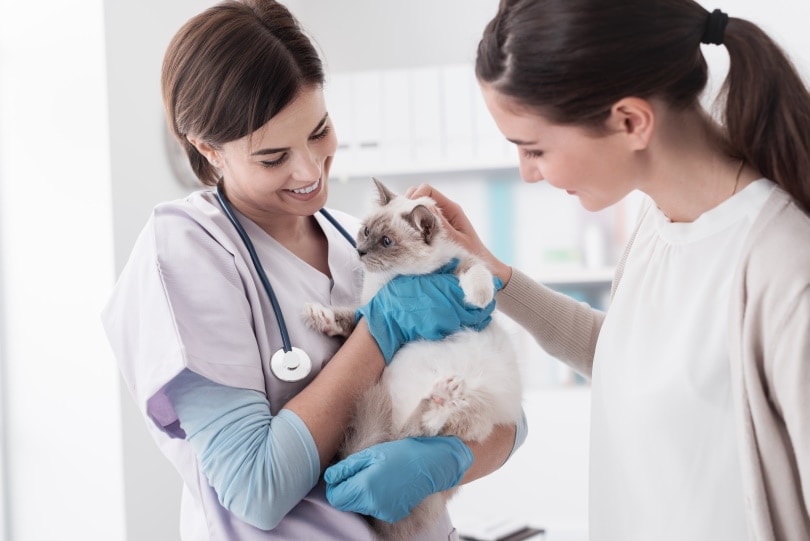
How Are Sick Cats Treated?
Treatment for plum poisoning and most toxicities can be divided into decontamination therapy and supportive care. Decontamination should take place within 1-2 hours of toxin ingestion. Common gastric decontamination methods include induction of vomiting, gastric lavage, and activated charcoal administration.
Supportive care and treatment may include administering lots of fluids to flush your cat’s system and prevent any damage to the major organs. Diagnostics such as blood work will likely be recommended so the vet can check for any indications of organ damage and electrolyte imbalances.
Your cat will most likely have to stay overnight at the animal hospital until they can ensure that they are safe. Each animal must be monitored closely for hours to ensure symptoms improve, and no further action needs to take place. The sooner you take them in for treatment, the better their chances of recovery are.
What Other Foods Contain Cyanide?
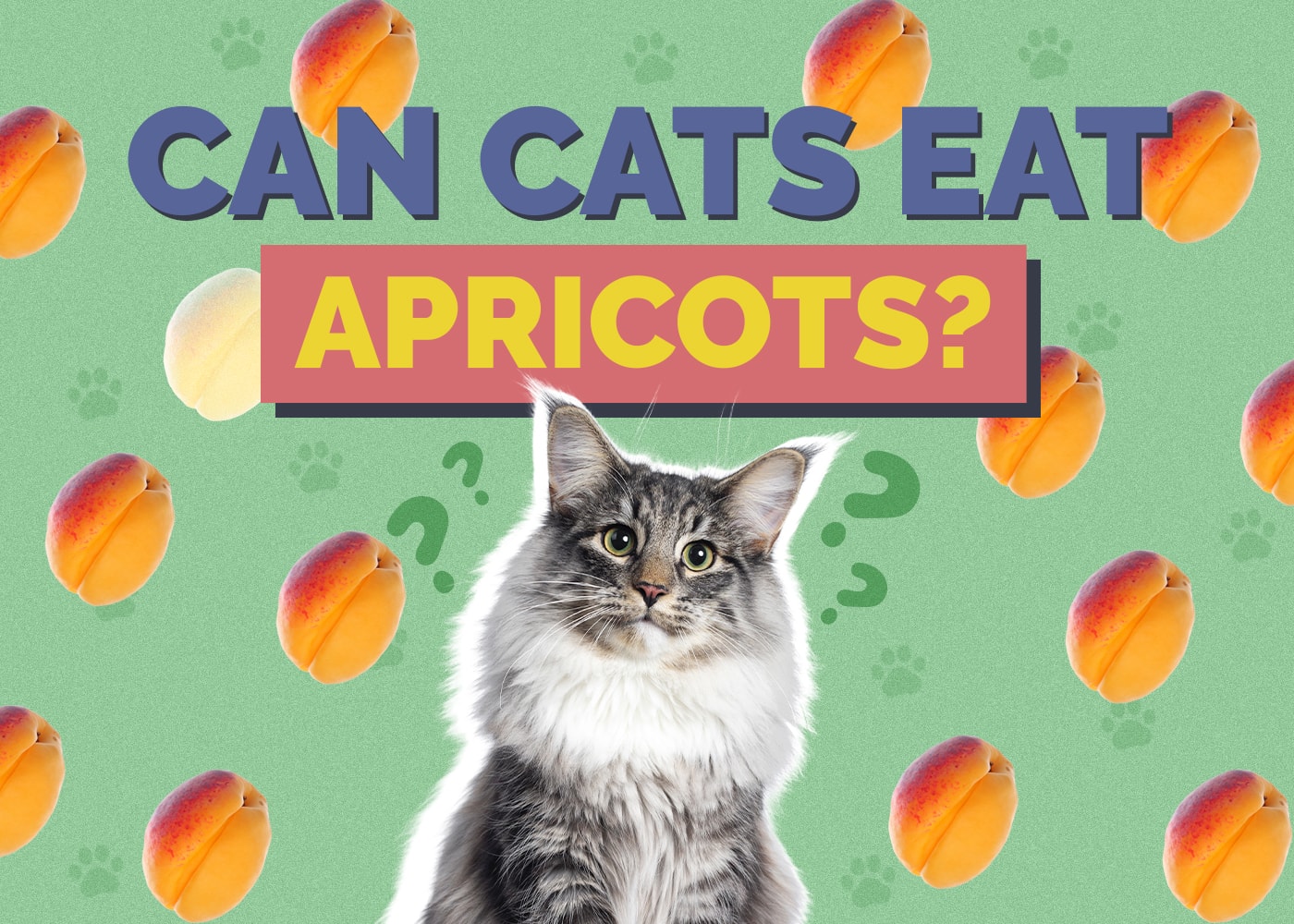
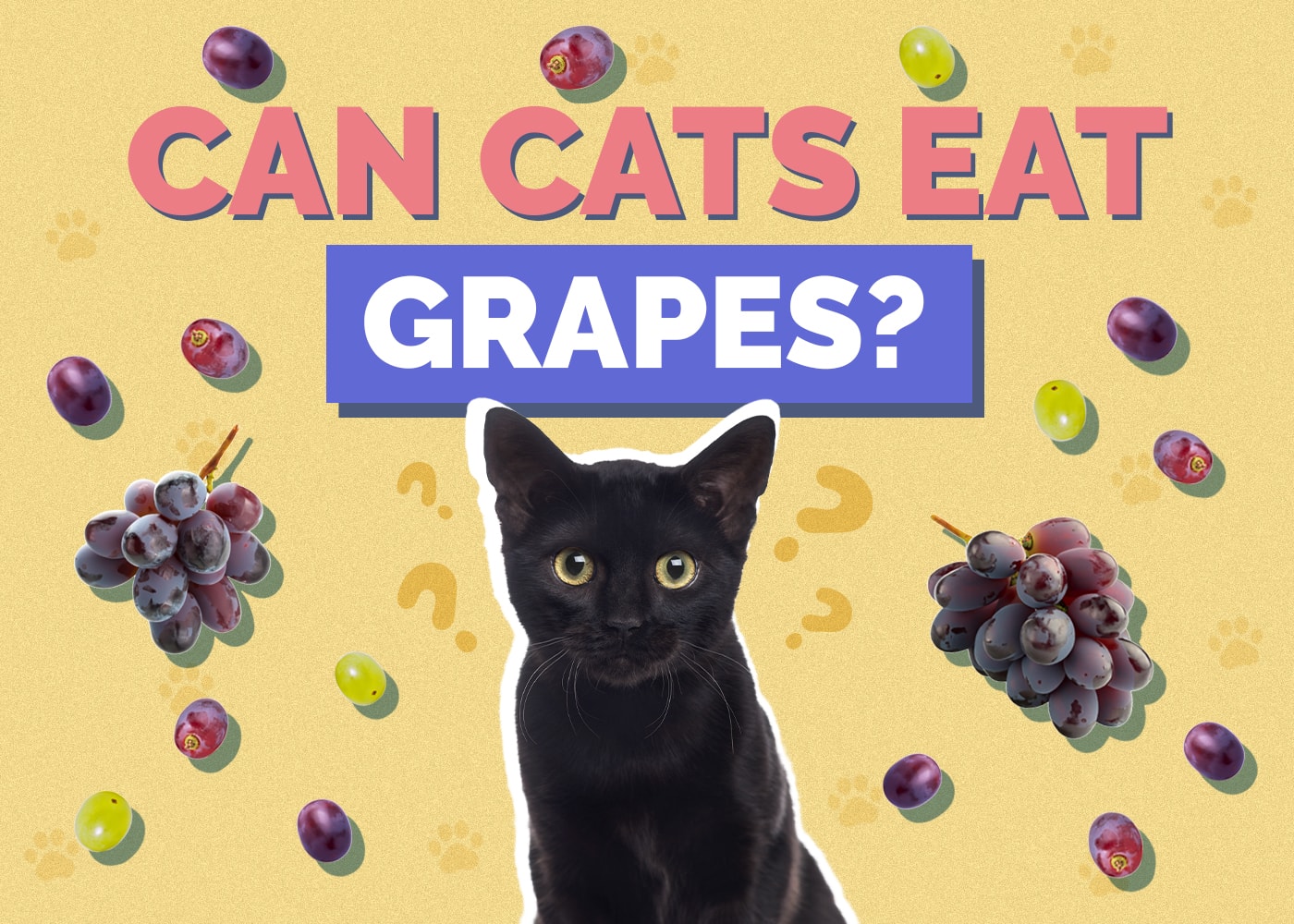
There are a lot of common fruits that also contain cyanide in their seeds and pits. Aside from the well-known grapes, and now plums, other fruits that you should keep away from your fur babies include apples, cherries, peaches, and apricots. Remember that cyanide poisoning could be fatal, and you should never allow your pet to eat these foods. If they already have, take them for medical treatment as soon as possible.
Now that you know what you can safely feed your cat, it’s just as important to find a bowl that supports their health and well-being. With whisker-friendly bowls and a wide tray to catch any spills, our Hepper NomNom Cat Bowl is our favorite option.

- NO MESS - The 360° tray on this cat food and water bowl set has a raised design to catch and contain stray crumbs and drips. Protect your indoors and floors from wet and messy meals!
- WHISKER FRIENDLY - Shallow and wide metal containers with flat bottoms ensure your kitty can enjoy mealtime free from whisker fatigue!
- CHEW-SAFE MATERIALS - Kittens and cats love chewing on silicone and soft rubber - but it's a choking hazard. Our cat feeding station materials are anti-chew for a 100% safe feeding frenzy!
Conclusion
It’s not always easy to deny our kitties their favorite treats. Those of us with pets that have major appetites know that we can’t always catch them eating the foods before it’s too late. The best thing you can do is keep an eye out for symptoms, take them to a vet, and find a better storage place for your fruits in the future.
Cats are not humans, and they should stick to eating mostly meat if you want them to have a balanced diet. Plus, they’ll enjoy the taste of plain cooked chicken much more than they will of foods that aren’t a natural part of their diets.
Related Reads:
Featured Image Credit: Krasula, Shutterstock
Get Hepper In Your Inbox


Pet care tips from our vets and experts, straight to your inbox.
You may opt-out at any time. View our Privacy Policy for more information.
Hallie has been a proud nature and animal enthusiast since she was a little girl. She attributes her passion for the environment and all its creatures to her childhood when she was showing horses on weekends and spending her weeknights devoting her attention to her pets. Hallie is happiest when she is playing with her two rescue cats, Chewbacca and Lena, and her dog, Clayton. When Hallie isn’t writing about animals, you can probably find her curled up on the couch read a good books or watching a documentary.
Join the conversation
Ask a question, share your story, or send private feedback.