Hepper is reader-supported. When you buy via links on our site, we may earn an affiliate commission at no cost to you. Learn more.
Can Cats Eat Raw Pork? Nutrition Facts & Safety Guide
In this article
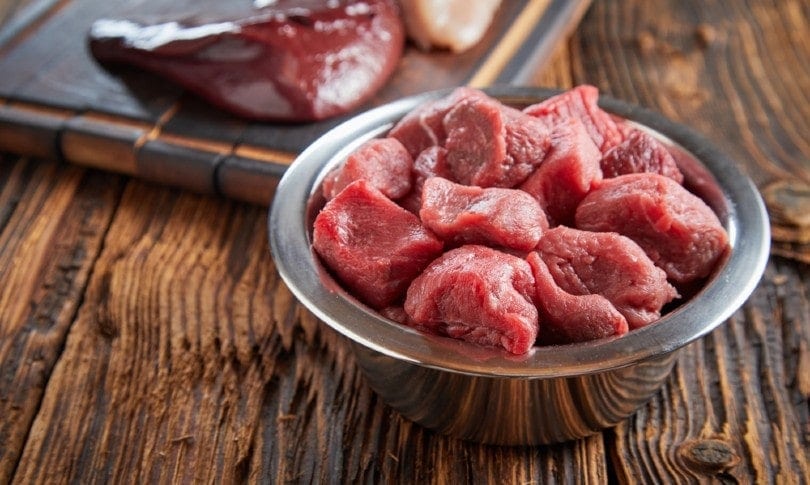
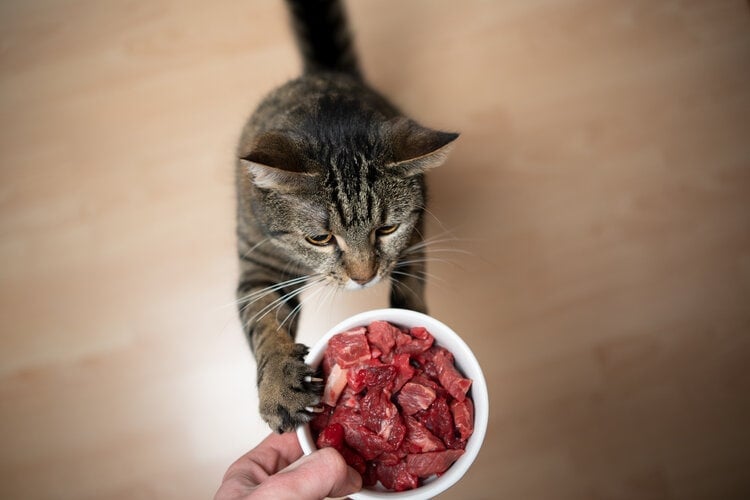
Whether you’re looking to transition your cat to a more natural diet, or you just want to share morsels of your own food, feeding your cat raw meat is something you might be wondering about. After all, cats eat raw mice, birds, and other small animals in the wild.
Raw pork and other raw meats are usually a good food source for cats, but they come with some risks. Although cats can digest raw pork, you do run a risk of feeding your cat meat with bacteria or parasites that will make your cat sick. You also need to be careful to avoid feeding your cat spoiled meat or meat that’s been improperly stored.
Overall, raw pork can be a good choice for cats, but you should use proper food-handling techniques to make sure that the meat is as safe as it can be. Read on to learn more!

Why Can Cats Eat Raw Meat?
Cats are obligate carnivores—this means that they need a meat-based diet to get their nutrition. Unlike humans, they don’t need plants in their diet to be healthy, although some plant matter can add extra vitamins and minerals to cat food. Cats have digestive systems adapted to eating meat, including differences in stomach acid, gut bacteria, and other changes that let them get more nutrition out of raw meat than we can.

Dangers of Raw Pork
Although cats usually have strong immune systems to help them eat raw meat, they can’t always avoid sickness from parasites and bacteria. Parasites are rare in commercial pork, but they can be found in wild game, including boar. If you have access to boar meat or other wild-caught meat for your cat, you should always follow all recommended guidelines—including following proper freezing and cooking procedures—before feeding it to your cat.
Bacteria are a bit more common and harder to remove. Pork can contain bacteria such as yersinia, salmonella, enterococcus, and listeria that can make cats sick, although they are unlikely to cause lasting harm.
Finally, bone-in raw meats also carry a risk of injury from choking on bones. You should always make sure that you remove any bone pieces small enough for your cat to choke on. Large bones are okay.
Raw Meat Safety
If you choose to feed your cat raw meat, always source it from a reliable vendor. Keep your meat frozen if you don’t plan to use it within three to five days, and let it thaw in the fridge, not on the counter. When it’s time to feed your cat, take pork straight from the fridge and dispose of any uneaten meat. Bacterial illnesses often happen because raw meat is left at room temperature for too long.
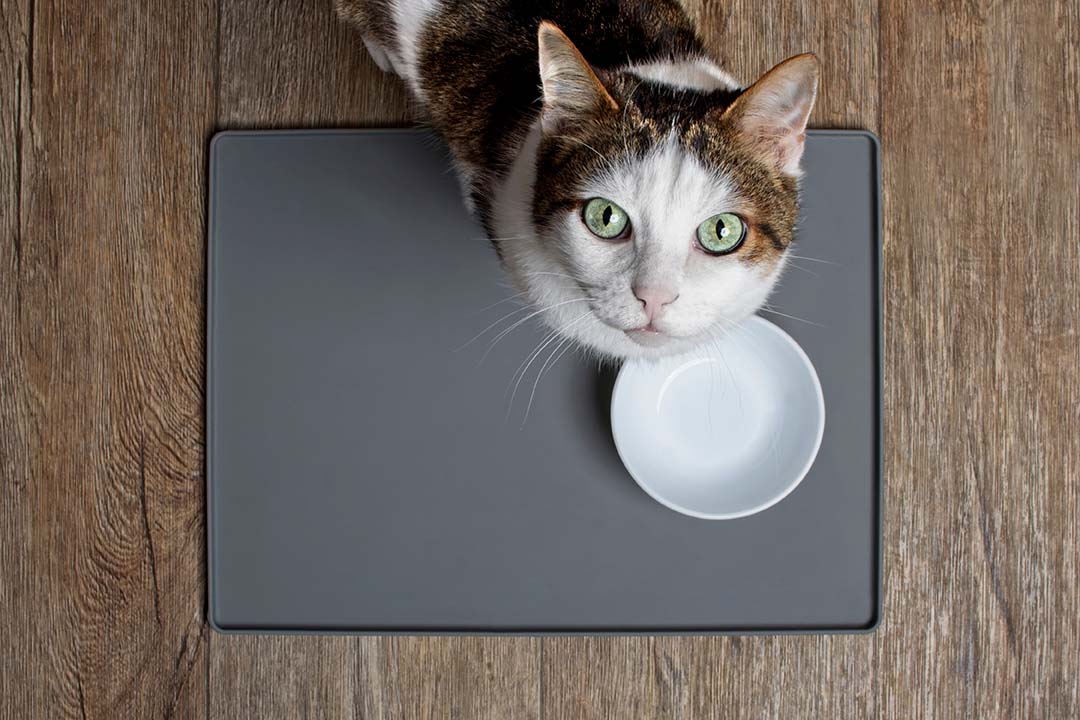
Now that you know what you can safely feed your cat, it’s just as important to find a bowl that supports their health and well-being. With whisker-friendly bowls and a wide tray to catch any spills, our Hepper NomNom Cat Bowl is our favorite option.

- NO MESS - The 360° tray on this cat food and water bowl set has a raised design to catch and contain stray crumbs and drips. Protect your indoors and floors from wet and messy meals!
- WHISKER FRIENDLY - Shallow and wide metal containers with flat bottoms ensure your kitty can enjoy mealtime free from whisker fatigue!
- CHEW-SAFE MATERIALS - Kittens and cats love chewing on silicone and soft rubber - but it's a choking hazard. Our cat feeding station materials are anti-chew for a 100% safe feeding frenzy!
Benefits and Drawbacks of Eating Pork
Pork is a less common meat in cat food, but it is a great choice to feed cats. Pork is high in protein and loaded with essential vitamins that your cat needs. Pork contains thiamine, an essential vitamin for cats, and it is also high in essential amino acids like taurine that cats need to function. Pork is a common alternative for cats with food allergies to other meats and is easily digestible.
However, not all pork is created equal. Commercial pork often has added sodium, something that cats can’t handle well. It might also have other preservatives that are bad for your cat. In addition, pork has a reputation for being a fatty meat. This is a bit of a myth in that the fat content in pork varies considerably, just like all meats. Lean cuts of pork, like loin chops, loin roast, and tenderloin, are high in protein and low in fat, perfect for feeding to cats. On the other hand, cuts such as belly or shoulder cuts are very fatty, making them a poor source of nutrition.
Raw vs Cooked vs Cured Pork
There are many different methods of pork preparation, and some of them are better for cats than others. Aside from raw meats, cooked and cured pork is also common. Cooked pork is a healthy, safe option for cats. The pork is safest if it is cooked without spices or seasonings that might give your cat stomach trouble. Also, avoid deep-fried pork and other cooking methods that are high in fat. Cured pork, including bacon, is usually less healthy for cats. Cured pork is often high in sodium, fats, and preservatives that are unhealthy and sometimes dangerous to cats.

Last Thoughts
Pork is a great way to add variety to your cat’s diet if you do your research and prepare it properly. However, raw meat can carry a slightly higher risk than cooked meat, so use caution in feeding your cat raw pork. Don’t feed raw meat to a kitten or an immune-compromised cat, and consider speaking to your vet before switching to a raw diet. By picking the right cuts of meat and following food safety guidelines, you can minimize risks to your cat.
See also:
Get Hepper In Your Inbox


Pet care tips from our vets and experts, straight to your inbox.
You may opt-out at any time. View our Privacy Policy for more information.

Chelsie is a freelance writer who is passionate about helping pet owners and beloved animals live their best lives. She lives in rural Alberta, Canada with her husband and two sons. She is also currently a pet parent to four horses, four cats, and a border collie.
Join the conversation
Ask a question, share your story, or send private feedback.