Hepper is reader-supported. When you buy via links on our site, we may earn an affiliate commission at no cost to you. Learn more.
9 Potential Risks & Benefits of Raw Cat Food: Our Vet Explains

When it comes to your cat’s diet, there are plenty of options available on the market today. From dry kibble to canned food to fresh food, owners can get caught up in a sea of confusion when trying to decide which diet is right for their cat.
Raw meat-based diets have been growing increasingly popular among cat owners. As more cat lovers become aware of raw cat food diets, it is important to understand both the benefits and risks associated with such a diet.
Just like us, our cats are individuals with unique needs. Therefore, we always recommend speaking directly with your veterinarian or cat nutritionist before you ever make any changes to their food or add any supplements to their diet.
In this article, we will look at raw meat-based diets in greater detail.

What Is a Raw Meat-Based Diet?
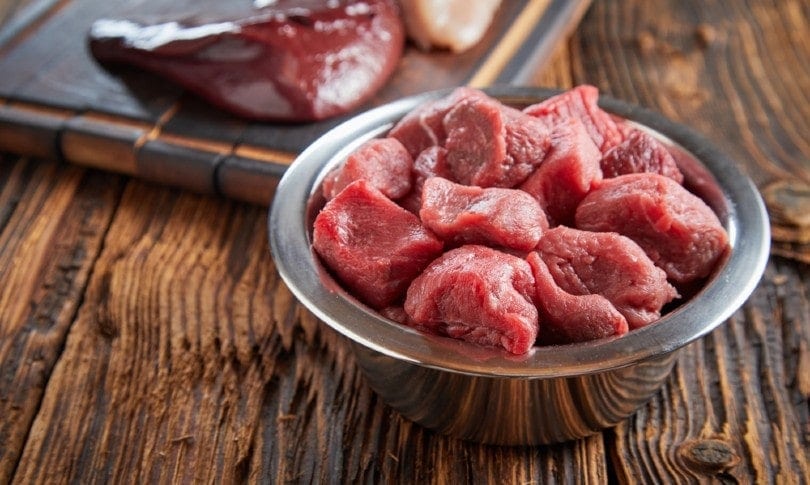
A raw meat-based diet is a diet that includes uncooked ingredients derived from food animal species that are fed to pets. These ingredients include skeletal muscles, internal organs, and bones from mammals (beef or lamb), fish, or poultry, as well as unpasteurized milk and uncooked eggs.
Raw meat-based diets can be divided into two main categories: commercial and home-prepared.
Commercial Raw Meat-Based Diets
These diets usually come in fresh, frozen, or freeze-dried forms and are intended to be nutritionally complete. They are formulated to meet values listed in the AAFCO Cat Food Nutrient Profiles, and individual diets may meet requirements for all life stages of your cat.1
However, some of these diets are labeled as supplemental; this means they are not nutritionally complete and balanced. A supplemental commercial diet cannot be used as a standalone diet for your cat, as it isn’t nutritionally complete.
Another somewhat rare form of commercial raw diets is carbohydrate premixes. These include grains, vitamins, and minerals and are designed with the intention that owners will add a raw meat protein source of their choice to the mix to provide their pets with a meal.
Home-Prepared Raw Meat-Based Diets
These formulations are recipes, feeding regimens, and diet plans that are made by individuals at home but aren’t subjected to any testing to ascertain whether or not they provide your cat with all the nutrition they need. A wide variety of programs exist for such diet plans.
While commercial raw meat-based diets usually aim to be nutritionally complete, home-prepared diets are often based on a rotation of ingredients with the belief that variety in diet will provide a good mix of the essential amino acids, fatty acids, vitamins, and minerals your cat needs to live a healthy life.
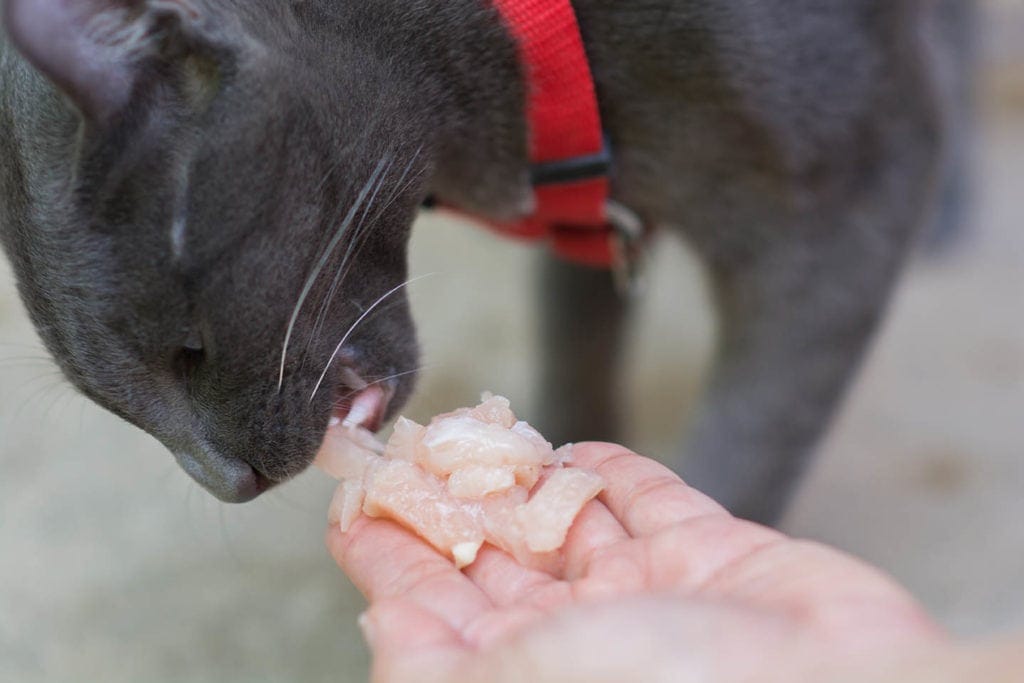

The 6 Potential Benefits of a Raw Meat-Based Diet
1. Enhancing and Reinforcing the Pet-Owner Bond
One of the biggest advantages of raw meat-based diets is the impact they may have on your relationship with your furry friend. For many owners, feeding their cats is a very important aspect of their day-to-day life, and it is also the best way they can influence and care for the well-being of their cats. At the same time, many non-raw commercial diets are confusing and complicated to understand, with ingredients and additives that may make no sense to many folks.
Owners want to do what is best for their cats, including feeding them properly. The simplicity of the ingredients in raw diets may help owners enhance the bond they have with their furry friends. Although many owners may not understand complicated medical procedures and terms, they can easily understand the concept of what they are feeding their cats, and the concept of raw diets is very easy to grasp and comprehend.
2. Feeling Natural
Another advantage of raw diets is the fact that they are mostly natural, and many owners feel this is appropriate because wild cats, the ancestors of our domestic cats, eat natural diets, too. This makes owners feel that raw diets are the best for their furry friends and that eating natural food will help their cats develop cleaner teeth, shinier coats, and better wellness.
Some research has suggested that processing, rendering, and the inclusion of additives and preservatives in non-raw diets are unhealthy and may cause disease ². The natural approach of raw diets may lessen these risks.
3. Perception of Better Safety
In recent years, the trend of raw meat-based diets has risen because of some callbacks for commercial, non-raw diets. For a long time, commercial diets were considered very low risk, making the case for a raw diet difficult. However, no diet is without risks.
In 2007, a recall of commercial pet food due to contamination rang alarm bells among pet owners 3. For many owners, seeing how even commercial non-raw food has safety risks made a case for switching to raw as an alternative to protect their pet cats from potential health risks.
4. Anecdotal Health Benefits
There are many anecdotal benefits of feeding your cat a raw diet. Although they all require further extensive research to be made into true claims, they're still quite plausible. Owners who use such a diet have claimed the following benefits.
Anecdotal Health Benefits of a Raw Meat Based Diet:
It is, however, important to reiterate that all these claims are thus far anecdotal only and require further testing before they may be validated.
5. Improved Digestibility
Studies on raw meat-based diets have found that they are more digestible than some non-raw diets. In one study, investigators found higher amounts of dry matter, energy, and proteins in raw meat-based diets.
Another study in Cats 4 found significantly higher energy and nutrient digestibility of a raw meat-based diet compared to a dry kibble diet. Research has also found that improved digestibility results in less food in the large intestine and less fecal output. This may be perceived as a benefit by some pet owners.
6. Potentially Improved Immunity
The same study (as mentioned above) found that cats that were fed a raw meat-based diet for 10 weeks saw a significant increase in some white blood cells versus cats that were fed a commercial moist diet. However, the potential benefits of these changes and the effects of long-term feeding of a raw diet have not been critically evaluated yet.
The 3 Potential Risks of Raw Meat Based Diets
Though there are many claimed potential benefits of raw meat-based diets, there are risks associated with it as well. Broadly speaking, the risks of raw diets are better understood and researched than the potential benefits, which is a big reason behind the controversy of this feeding style. Let’s explore some of the most documented risks.
1. Nutritional Risks
The biggest drawback to raw meat-based diets is that many research projects done on these diets have found deficiencies in them, which pose a risk to your cat’s health in the long term. One study revealed that such diets are often deficient in some nutrients.
Additional studies of over 90 raw meat-based diets and recipes had similar results for animals that had existing health conditions, such as cancer and chronic kidney disease. To date, this remains one of the biggest risks associated with raw diets. It is also important to note that though studies have shown that raw-food diets have better digestibility of some ingredients, non-raw diets have better nutritional digestibility for others and are found to be much more reliably compliant with AAFCO or FEDIAF feline requirements.
2. Safety Risks
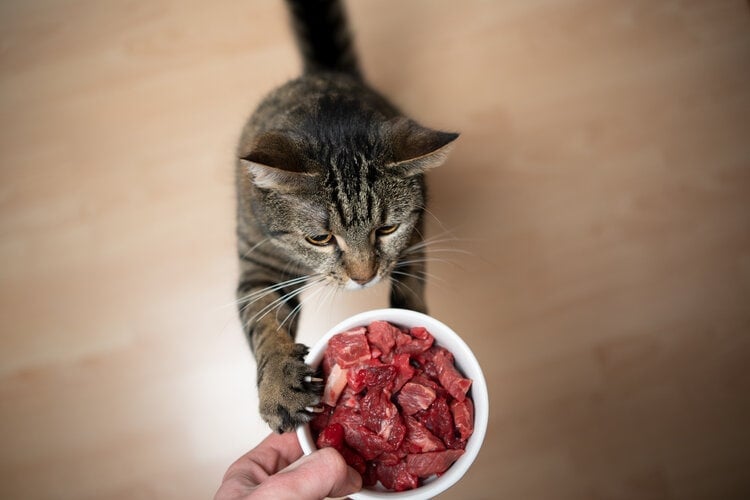
Another risk with raw meat-based diets is that they may be contaminated with pathogens, which pose a danger to both cats and their owners. Cats that are fed raw diets are also known to shed bacteria that are potentially detrimental to both humans and other cats. Salmonella remains a major concern with raw diets in research. However, certain commercial raw meat-based companies use high-pressure pasteurization to reduce these risks.
3. Other Health Risks
Other risks exist for raw meat-based diets as well. For example, a cat may chew on a bone added to a raw diet and potentially break a tooth or choke if they eats too quickly. Raw meats may also carry other pathogens that are detrimental to your cat’s health, such as parasites. The risks for humans have been extensively documented; cats that are intended as emotional support animals cannot legally be put on a raw meat-based diet because of these risks.
In addition, though not a risk, it is important to note that raw diets may be more expensive and time-consuming than non-raw options, especially if the diets are being prepared at home by pet owners.
The ingredients used in home-cooked raw diets may not be readily available or sourced depending on the time of year or potential supply chain disruptions from butchers or meat shops. Busy owners are not able to fully commit to a raw diet program, and switching between diet types frequently and suddenly is detrimental to your cat’s digestive health.
Now that you know what you can safely feed your cat, it’s just as important to find a bowl that supports their health and well-being. With whisker-friendly bowls and a wide tray to catch any spills, our Hepper NomNom Cat Bowl is our favorite option.

- NO MESS - The 360° tray on this cat food and water bowl set has a raised design to catch and contain stray crumbs and drips. Protect your indoors and floors from wet and messy meals!
- WHISKER FRIENDLY - Shallow and wide metal containers with flat bottoms ensure your kitty can enjoy mealtime free from whisker fatigue!
- CHEW-SAFE MATERIALS - Kittens and cats love chewing on silicone and soft rubber - but it's a choking hazard. Our cat feeding station materials are anti-chew for a 100% safe feeding frenzy!
Precautions When Feeding Your Cat Raw Meat-Based Diets
Because raw meat-based diets are surging in popularity at a pace faster than research on them is being done, there are certain precautions you should take if you intend to switch your cat to such a diet. These include the following:
- Always consult with your veterinarian or a cat nutritionist before attempting to transition your cat to a raw meat-based diet.
- Closely monitor your cat for any adverse reactions as you transition them to a raw diet. Often, these include signs of gastrointestinal distress, such as diarrhea, vomiting, or inappetence. Consult with your veterinarian if you have any concerns about your feline’s welfare as you transition them to a raw diet.
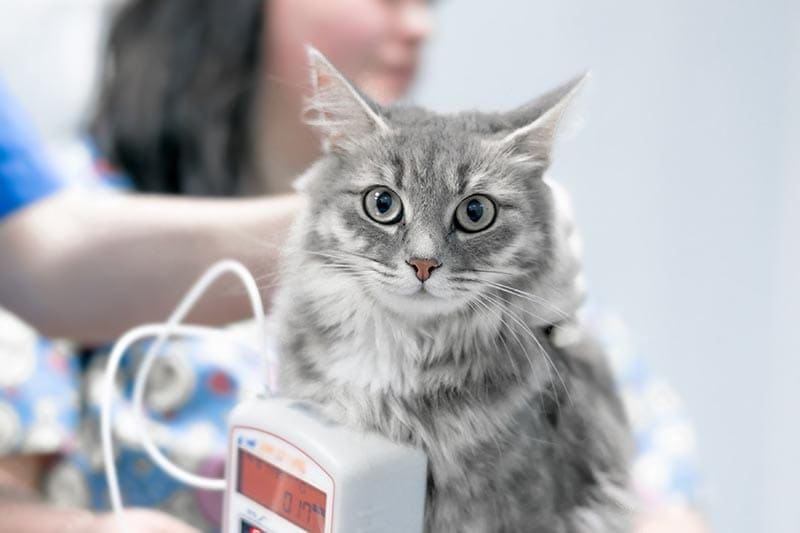
- Take your cat for frequent veterinary check-ups. Routine welfare checks and diagnostic workups such as blood analysis, serum biochemistry, urine tests, and fecal tests done by your vet give them clues about your cat’s welfare and help them give you the best possible advice for your feline’s health and well-being. Again, as research on raw diets is still inconclusive, these check-ups are highly paramount to your cat’s well-being.
- Source your ingredients from facilities, shops, and suppliers that have the appropriate health and safety certifications and clearances to operate where you live.
- Keep an eye on the news for the recall of any raw ingredients by your local authorities. If ingredients you have purchased have been recalled, do not feed them to your cat and discard them as advised by the authorities making the announcement.
- Extra caution is required when attempting to add any raw fish as part of a raw meat-based diet for cats. Many species of fish contain an enzyme called thiaminase, which can lead to thiamine deficiency in cats if consumed raw for long periods.
Final Thoughts
Any diet one intends to use for their cat has inherent risks and benefits associated with it. Though there are many anecdotal benefits of feeding cats a raw meat-based diet, many of these claims haven’t been studied extensively enough to make reliable claims about their long-term use. At the same time, the risks associated with the diet have been extensively researched and documented and it should be taken seriously before committing to the change.
It is important to stay on top of veterinary check-ups, nutritional research, and raw food news to ensure you provide your cat with the best possible diet and quality of life. The dedication you put toward your feline’s culinary well-being will allow your cat to live a happy, healthy, and fulfilling life.
Sources
Nestle M, Neshein M. Feed your pet right: the authoritative guide to feeding your dog and cat. New York: Free Press: 2010
Volhard W, Brown KL. The holistic guide for a healthy dog. New York: Howell Book House, 1995.
Crissey SD, Swanson JA, Lintzenich BA, et al. Use of a raw meat-based diet or a dry kibble diet for sand cats (Felis margarita). J Anim Sci 1997;75:2154-2160
Kerr KR, Vester Boler BM, Morris CL, et al. Apparent total tract energy and macronutrient digestibility and fecal fermentative end-product concentrations of domestic cats fed extruded, raw beef-based, and cooked beef-based diets. J Anim Sci 2012;90:515-522
Freeman, Lisa & Chandler, Marjorie & Hamper, Beth & Weeth, Lisa. (2013). Current knowledge about the risks and benefits of raw meat-based diets for dogs and cats. Journal of the American Veterinary Medical Association. 243. 1549-1558. 10.2460/javma.243.11.1549.
Freeman, LM, Michel KR. Evaluation of raw food diets (Erratum published in J Am Vet Med Assoc 2001;218:1716). J Am Vet Med Assoc 2001;218:705-709
Pedrinelli, Vivian & Gomes, Marcia & Carciofi, Aulus. (2017). Analysis of recipes of home-prepared diets for dogs and cats published in Portuguese. Journal of Nutritional Science. 6. 10.1017/jns.2017.31.
Larsen JA, Parks EM, Heinze CR, Fascetti AJ. Evaluation of recipes for home-prepared diets for dogs and cats with chronic kidney disease. J Am Vet Med Assoc. 2012 Mar 1;240(5):532-8. doi: 10.2460/javma.240.5.532. PMID: 22332622.
Featured Image Credit: stockcreations, Shutterstock
Get Hepper In Your Inbox


Pet care tips from our vets and experts, straight to your inbox.
You may opt-out at any time. View our Privacy Policy for more information.
Dr. Luqman grew up with an extreme fondness for animals and turned a childhood dream into reality by becoming a veterinarian. His goals are now focused on helping pet owners understand their pets better in order to ensure the best quality of life for all pets globally. He is passionate about wildlife, exotic pets, pet owner education, and animal welfare. Luqman has 3 years of professional experience working with a variety of animal species. He has skills in demonstrating proper animal husbandry and training some exotic species, such as parrots. Additionally, he has decades of personal experience with keeping many exotic pets: freshwater fish, parrots, songbirds, chickens, ducks, turtles, and hamsters.
Dr. Luqman grew up with an extreme fondness for animals and turned a childhood dream into reality by becoming a veterinarian. His goals are now focused on helping pet owners understand their pets better in order to ensure the best quality of life for pets all around the world. His passions are wildlife, exotic pets, pet owner education, and animal welfare.
Education
Luqman received his degree from Universiti Putra Malaysia.
Experience
Luqman has 3 years of professional experience working with a variety of animal species. He has skills in demonstrating proper animal husbandry and training some exotic species, such as parrots. Additionally, he has decades of personal experience with keeping many exotic pets: freshwater fish, parrots, songbirds, chickens, ducks, turtles, and hamsters.
Join the conversation
Ask a question, share your story, or send private feedback.