Hepper is reader-supported. When you buy via links on our site, we may earn an affiliate commission at no cost to you. Learn more.
Can Cats Eat Salt? Vet-Reviewed Health & Safety Guide


In this article
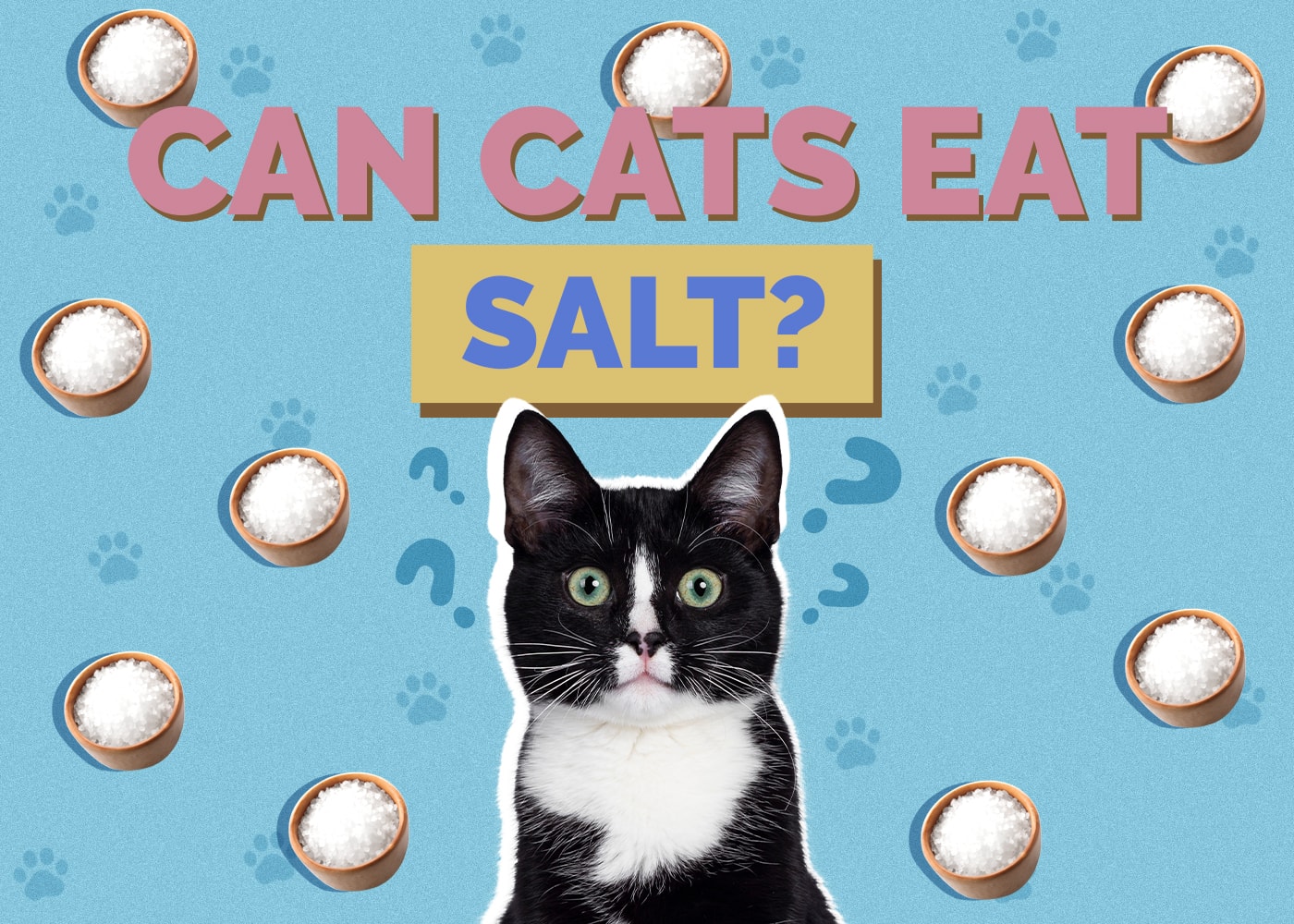
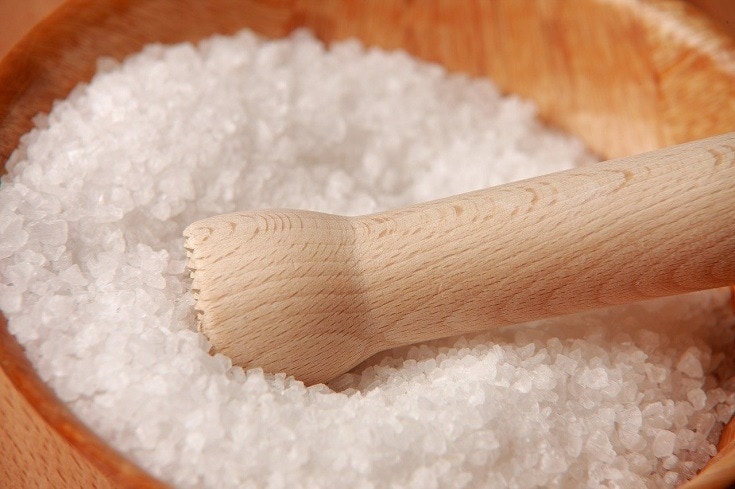
Table salt is a mineral compound composed of sodium and chloride. It's essential for life in general, and it's also one of the oldest food seasonings known to man. Saltiness is one of the basic human tastes. As a pet parent, you might be curious if your cat can be given table salt.
Although cats have dietary requirements for sodium, you should not add table salt to their food. A high sodium intake can be dangerous for cats. Pet parents need to be vigilant about their cats’ eating habits to ensure they don’t inadvertently eat food that’s high in sodium. Many human foods that cats love to snack on have high sodium indexes that could potentially be detrimental to their health.

Cat Nutrition Made Easy
Cats are part of a classification of animals known as “hypercarnivores” or “obligate carnivores”. That means their wild diet must be made up of at least 70% animal proteins. In the wild, cats hunt and eat other animals. The animals they hunt or scavenge provide them with the nutrients they need for growth, reproduction, and maintenance.
The gastrointestinal tract of obligate carnivores is relatively inefficient at processing and digesting high amounts of plant matter versus that of an omnivore or herbivore.
Cats have different nutritional needs than people. Like all animals, cats do need sodium. However, adding extra sodium into their diet will likely cause more harm than good.
How Much Sodium Should Cats Have?
Despite the warnings, sodium is necessary for a cat to thrive. It is important for many biochemical reactions that happen in your cat’s body. These include maintaining blood pressure, transmitting nerve signals, and acid/base balances.
Sodium requirements vary throughout a cat’s life. Current recommendations for healthy adult cats are approximately a minimum of 10.6 milligrams per kilogram of bodyweight per day.
Prescription diets are diets that your vet may prescribe to your cat if they have a condition or ailment that requires a dietary change. If the diet is a commercially formulated one, it comes with appropriate adjustments of nutrition that are suitable for the diet’s intended purpose.
If your vet prescribes a non-commercial diet, they will help you formulate a diet that meets your cat's new dietary requirements, including those of sodium. This ensures that your kitty gets the sodium they need to live a healthy life.
What Contains Sodium?
Salt is a common preservative that is present in most human foods. Human foods that are naturally high in sodium include breads, pizza, soups, meat seasonings, smoked or cured meats, canned foods, and salted nuts.
Canned foods and other foods meant to be preserved for long periods often have high amounts of added salt to help the food stay edible for as long as possible. It is often best to avoid giving these foods to your cats. For an occasional treat, cats should be given treats that are formulated for them. Remember that not all human food is pet-friendly or safe.
Some people take their cats to the beach as well. If you happen to see your cat sipping saltwater, it is best to discourage them from doing so. Though cats can handle small amounts of saltwater, prolonged intake can be detrimental to their health. Likewise, an occasional sip from a saltwater pool or fish tank shouldn’t be a major issue for your cat, as these sources often contain low concentrations of sodium. Still, it is best to keep your cats from doing so.
Should I Use Salt to Induce Vomiting?
Inducing vomiting is an essential first-aid trick for poisons and toxicity. In years past, salt was commonly used to cause vomiting in cats who had eaten something they shouldn’t have. However, more recent veterinary science warns against inducing vomiting in your cat, as there is no home remedy that can safely make a cat vomit.
The safest way to induce vomiting, if ever needed, is to have a veterinarian do it. They can determine if there’s a need to induce vomiting in your cat, and have access to medications that induce vomiting in cats along with the equipment to respond should something go awry.
Additionally, if your cat has gotten into something they shouldn’t have, inducing vomiting may do more harm than good. As mentioned above, your veterinarian will know when it’s appropriate to induce vomiting.
Salt Lamps and Cats
Himalayan salt lamps are a popular décor item that many people love to have in their house. Not only can they improve the aesthetics of a house, but some people also believe in their ability to help with alleviating stress levels and boosting their energy levels. While not composed of table salt, these lamps are still very dangerous for cats.
Cats are naturally inquisitive and very agile. Leaping onto counters and other surfaces and exploring every nook and cranny of your home is a normal behavior for a cat. They can often easily access a salt lamp by jumping onto an elevated surface and might be intrigued by its glowing appearance, just like how they’re intrigued with drinking fountains.
Licking a salt lamp introduces high levels of sodium into a cat’s body. Repeated exposure to salt lamps can be dangerous, as it disrupts normal electrolyte balances and disrupts several processes needed for normal function.
Initial signs that your cat might be licking a salt lamp might present themselves as unexplained episodes of vomit and diarrhea. If your cat experiences such episodes that you can’t explain, your cat may be licking your salt lamp. If such a suspicion ever arises, you should immediately relocate the salt lamp to an area your cat cannot access and take your cat to a vet for a thorough checkup.
Left unsupervised, excessive salt lamp licking can lead to severe issues like seizures. Therefore, it is always best to err on the side of caution when you have a salt lamp in your house and make sure it’s placed in an area your cat can never access.
Now that you know what you can safely feed your cat, it’s just as important to find a bowl that supports their health and well-being. With whisker-friendly bowls and a wide tray to catch any spills, our Hepper NomNom Cat Bowl is our favorite option.

- NO MESS - The 360° tray on this cat food and water bowl set has a raised design to catch and contain stray crumbs and drips. Protect your indoors and floors from wet and messy meals!
- WHISKER FRIENDLY - Shallow and wide metal containers with flat bottoms ensure your kitty can enjoy mealtime free from whisker fatigue!
- CHEW-SAFE MATERIALS - Kittens and cats love chewing on silicone and soft rubber - but it's a choking hazard. Our cat feeding station materials are anti-chew for a 100% safe feeding frenzy!

Conclusion
While cats may crave human food often, we shouldn’t give them too much, and the sodium levels of our food are just one reason! We have to stay vigilant about what we feed our pets since their care is on us. Salt is hazardous for cats and should be avoided wherever possible.
Always consult your veterinarian if you are worried about your cat’s health. If you suspect your cat may have sodium poisoning, the sooner they get into treatment, the more likely they will survive with minor long-term damage.
Featured Image Credit: mkupiec7, Pixabay
Get Hepper In Your Inbox


Pet care tips from our vets and experts, straight to your inbox.
You may opt-out at any time. View our Privacy Policy for more information.
Luxifa is a freelance writer with a passion for animal science and technology. She loves to share the world of animal science with people to help them make informed decisions for themselves and their pets. Luxifa has worked in professional pet care for over six years and realised she could help change the world of pet care by bringing the information people needed to them in terms they could understand. Knowledge is power and she loves to help everyone become the most informed they can be.
Join the conversation
Ask a question, share your story, or send private feedback.