Hepper is reader-supported. When you buy via links on our site, we may earn an affiliate commission at no cost to you. Learn more.
Can Cats Eat Mealworms? Vet Reviewed Nutrition Facts & FAQ


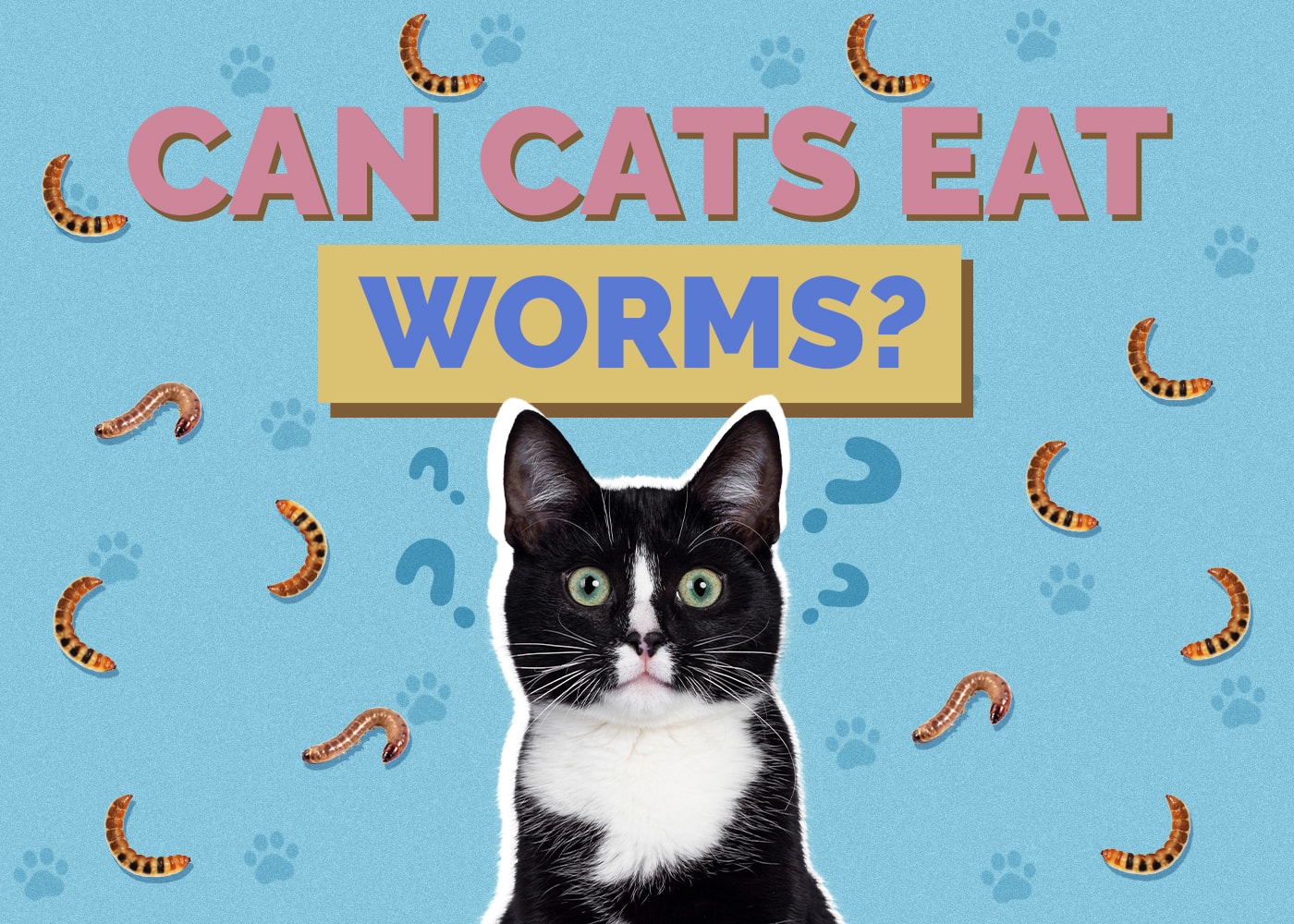
You know that saying about how curiosity killed the cat? There is a good reason for it. You wouldn’t be the first cat owner to find out that their precious pet had gotten into something that they weren’t supposed to. If you’ve got any mealworms around the property, it’s possible that your furry friend has helped themselves to a little snack.
Don’t worry too much if your cat has gotten into a bag of mealworms. Farm-raised mealworms are typically free from parasites and likely won’t do any harm to your cat in limited quantities. However, there are some bugs that you should keep them away from.

About Mealworms
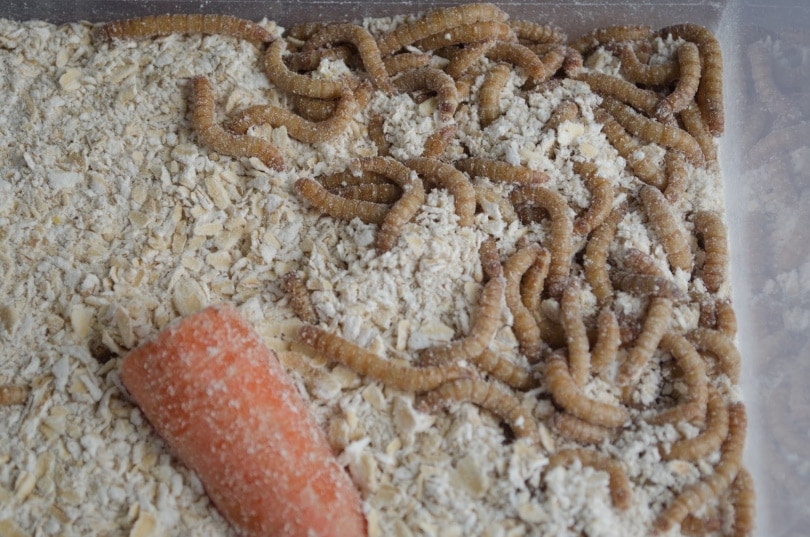
Mealworms are exactly worms like their name suggests. Whenever someone talks about mealworms, they are most likely referring to darkling beetles that are still in their larval form. In the wild, they live under rocks and in caves around the world.
These small insects enjoy eating vegetation and other dead insects. They help clean up a lot of the world. However, wild mealworms can also carry parasites that are dangerous for our pets. Still, if you have mealworms around your house, it is most likely because you are using them to feed other animals and not because you have them in excess on your property.
Why Does Your Cat Keep Eating Mealworms?
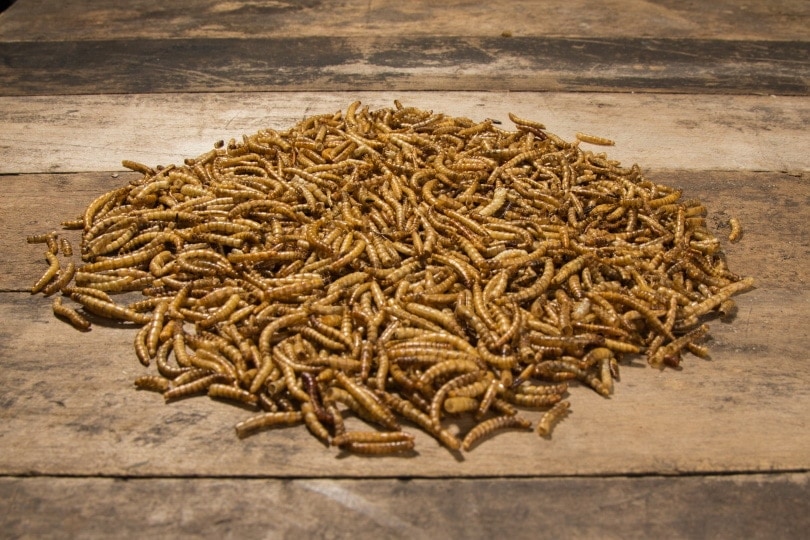
People use mealworms to feed their chickens, reptiles, and fish. They can be bought in various container sizes and having them on hand might also mean that your cat helps themselves to a few bites here and there.
Thankfully, cats can safely consume mealworms that come from a reliable source. The last thing you would want for your cat is to allow them to consume something that isn’t parasite-free. So, what is the fascination with these bugs?
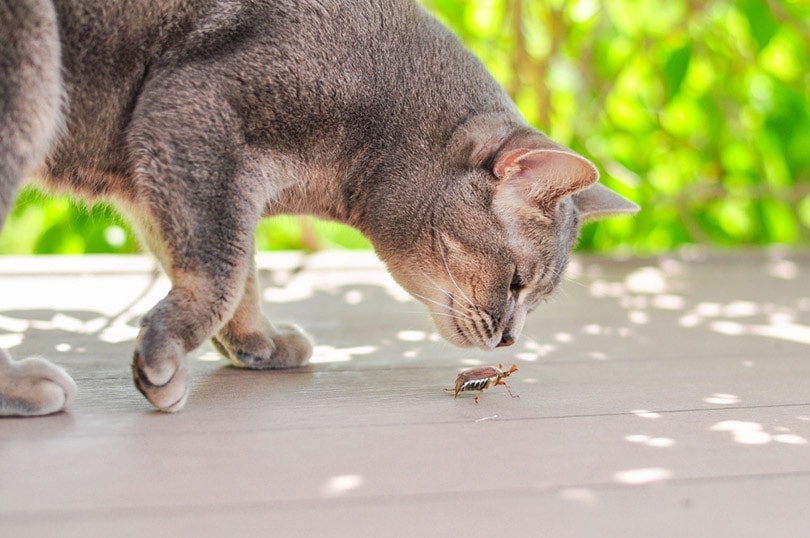
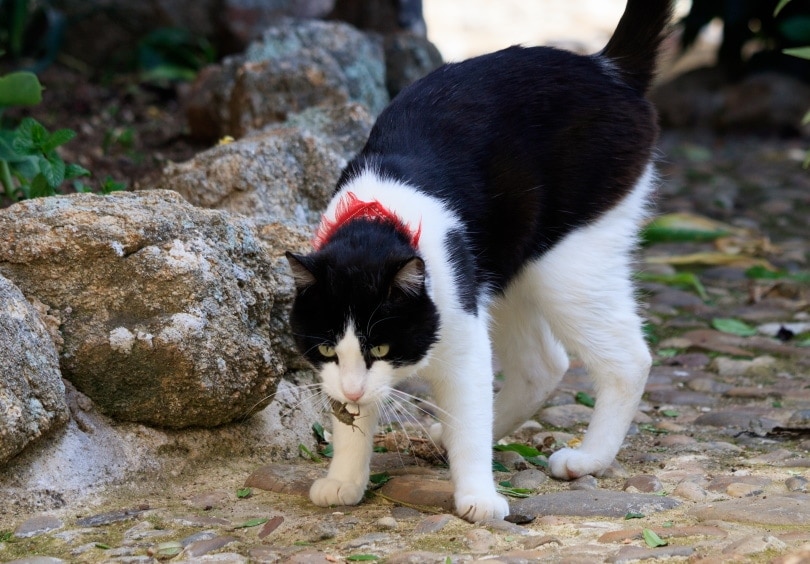
It isn’t uncommon for cats to chow down on insects every once in a while. Some bugs not only provide nutrition, but they help keep your pet’s hunting instincts sharp. Your cat enjoys the chase, plus they get a nice treat if they are successful in their hunt.
Do Mealworms Have Any Nutritional Value for Cats?
It might surprise you to find out that dried mealworms are a much healthier snack for pets than live ones are. They are widely available at most pet stores and come in airtight containers for long-term storage.
Feeding your cat an occasional mealworm is fine, but this doesn’t mean that mealworms should completely replace their current diet. Felines need a combination of protein, fat, water, carbs, vitamins, and minerals to stay healthy. Mealworms do not meet all these requirements and are not a safe meal replacement option for cats.
Nutritional Info for Mealworms
Are There Other Safe Insects That Cats Can Eat?
Domesticated cats that stay indoors and have a regular supply of food are less likely to snack on insects, but that doesn’t mean it won’t happen from time to time. There are some insects that you should keep your cats away from, but there are even more non-toxic ones that are fine to let them chase and eat.
Grasshoppers, Crickets, and Roaches
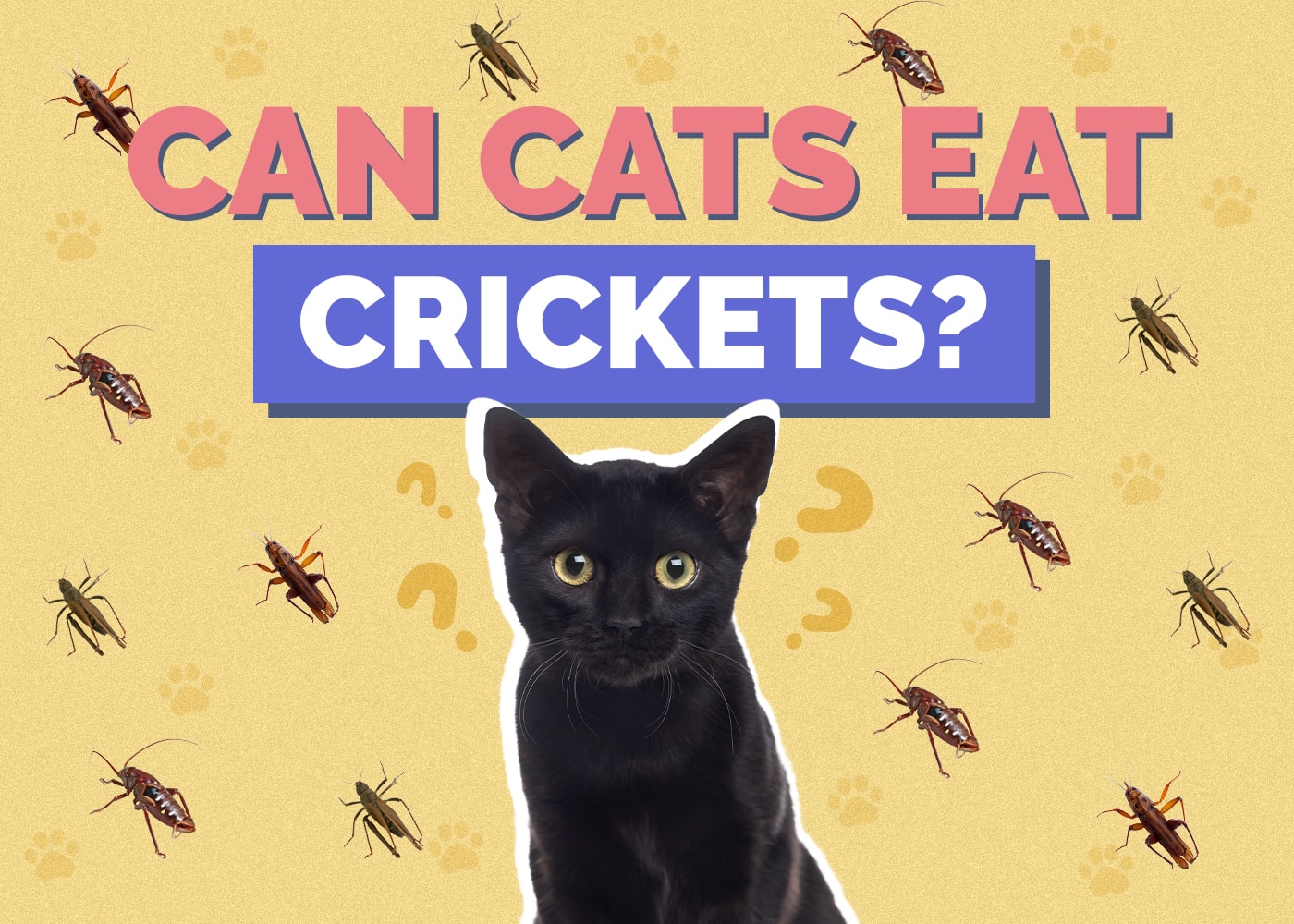
Grasshoppers, crickets, and roaches are some of the bugs that are non-toxic for cats. You don’t need to worry if your feline has caught and eaten one of these bugs. Still, we don’t advise letting them eat these bugs all the time. Some insects could create some throat and mouth irritation from all the crunchy bits. Roaches might also carry parasites that could be harmful to them.
Ants
Ants are found all over the world and are sometimes hard to avoid. Most small ants don’t really appeal to many cats, but the larger ones could definitely get their inner hunter fired up. Black ants are not venomous, but they could still bite and hurt your cat. There are many other ant species out there, though, that are venomous and could cause an allergic reaction if bitten. If you’ve got ants in the house, set up some traps and do your best to get rid of the infestation to keep your cat safe.
Spiders
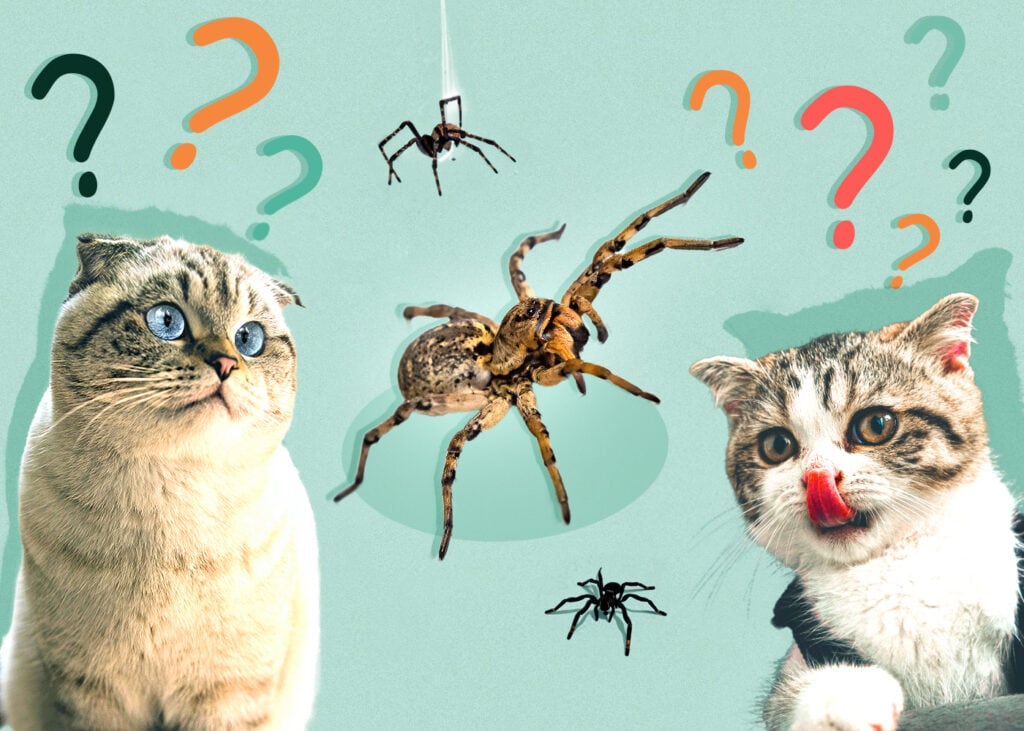
Honestly, we think it is just best not to mess with spiders because most people aren’t familiar enough with them to be able to tell which are dangerous and which aren’t. Not all spiders are venomous, but it’s still smart to keep a close eye on your cats after they eat one to ensure that they don’t become ill.
Now that you know what you can safely feed your cat, it’s just as important to find a bowl that supports their health and well-being. With whisker-friendly bowls and a wide tray to catch any spills, our Hepper NomNom Cat Bowl is our favorite option.

- NO MESS - The 360° tray on this cat food and water bowl set has a raised design to catch and contain stray crumbs and drips. Protect your indoors and floors from wet and messy meals!
- WHISKER FRIENDLY - Shallow and wide metal containers with flat bottoms ensure your kitty can enjoy mealtime free from whisker fatigue!
- CHEW-SAFE MATERIALS - Kittens and cats love chewing on silicone and soft rubber - but it's a choking hazard. Our cat feeding station materials are anti-chew for a 100% safe feeding frenzy!
Conclusion
While we certainly don’t want our cats eating every insect they see, it isn’t going to harm them to eat a couple of mealworms here and there. They are an excellent source of protein, and if they come from a reliable source, they won’t make your pets sick. It’s okay to let our cats be curious from time to time. As long as you keep a watchful eye on them and keep all real risks out of reach, it’s fun for them if you let them sneak a few mealworm treats from time to time.
See also:
Featured Image Credit: Elena Schweitzer, Shutterstock
Get Hepper In Your Inbox


Pet care tips from our vets and experts, straight to your inbox.
You may opt-out at any time. View our Privacy Policy for more information.
Hallie has been a proud nature and animal enthusiast since she was a little girl. She attributes her passion for the environment and all its creatures to her childhood when she was showing horses on weekends and spending her weeknights devoting her attention to her pets. Hallie is happiest when she is playing with her two rescue cats, Chewbacca and Lena, and her dog, Clayton. When Hallie isn’t writing about animals, you can probably find her curled up on the couch read a good books or watching a documentary.
Join the conversation
Ask a question, share your story, or send private feedback.