Hepper is reader-supported. When you buy via links on our site, we may earn an affiliate commission at no cost to you. Learn more.
Can Cats Take Baby Aspirin? Vet-Approved Risks & Alternatives


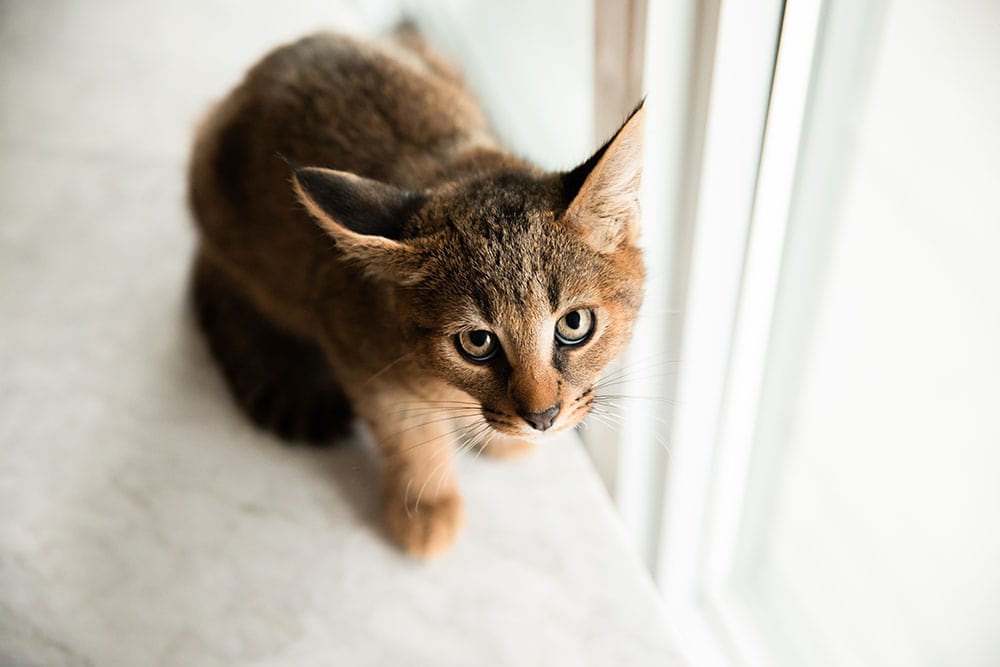
For most people, aspirin is a common go-to when they have a headache, muscle pain, or fever. There is even baby aspirin that you can buy at the store specifically designed for children. Many pet owners wonder if it’s okay to give their cats baby aspirin as well.
If you're thinking of giving it to them just like you would for yourself or a child, the answer is no. Aspirin should never be given to cats unless prescribed specifically by a vet.
It’s important to understand that when it comes to giving any type of medication (including aspirin) to cats, there are potential risks involved, some of which can be lethal.

What Is Baby Aspirin vs Regular Aspirin?
Baby aspirin is a regular dose of aspirin that is specifically designed for children. It contains 81 mg of acetylsalicylic acid (ASA), which is the active ingredient in aspirin.
Regular aspirin, on the other hand, contains between 325 and 500 mg of ASA per pill. Aspirin, both the regular and baby versions, is a type of non-steroidal anti-inflammatory drug (NSAID) and is used to reduce fever, inflammation, and pain in humans.
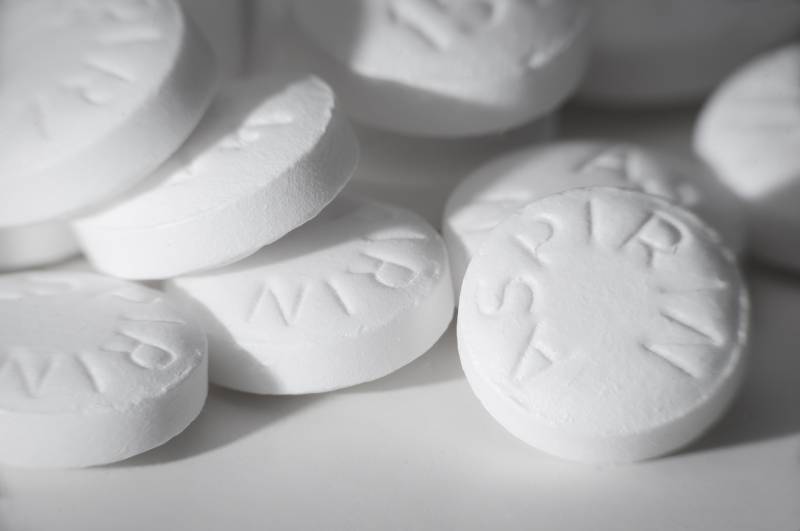
Is Aspirin Safe for Cats?
In general, human painkillers like aspirin can be dangerous to cats.
In some cases, a veterinarian may prescribe aspirin to a cat, but only under very particular situations. For instance, a cat with a high risk of blood clots may be given a low dose of aspirin as a preventative measure, though other anti-platelet agents such as clopdidogrel are typically preferred in these cases.
Also, a vet will never prescribe aspirin to a cat without considering factors like:
- The cat's age, breed, and medical history
- The severity of the pain or illness
- Possible side effects
- Possible interactions with other concurrent medications
A vet will also be able to determine the minimum effective dose for the cat, reducing the risk of adverse reactions.

The Dangers of Giving Baby Aspirin to Cats
Even small doses of aspirin and other painkillers meant for humans can be problematic for cats. For example, the acetaminophen in a single Tylenol (regular strength) can be enough to kill some cats.
Aspirin, in particular, can have serious adverse reactions in cats. The main reason is that cats are unable to metabolize aspirin properly is due to a deficiency in their enzymatic pathway. When a cat ingests aspirin, the drug forms salicylic acid, which is the active ingredient in aspirin. This then gets distributed throughout the body.
Humans and other animals (such as dogs) have the enzyme responsible for safely breaking down salicylic acid. Cats don't have this enzyme. So even taking baby aspirin can quickly overload their bodies with salicylic acid and cause aspirin toxicity.
Aspirin toxicity in cats can cause the following:
- Loss of appetite, diarrhea, and/or vomiting
- Nausea
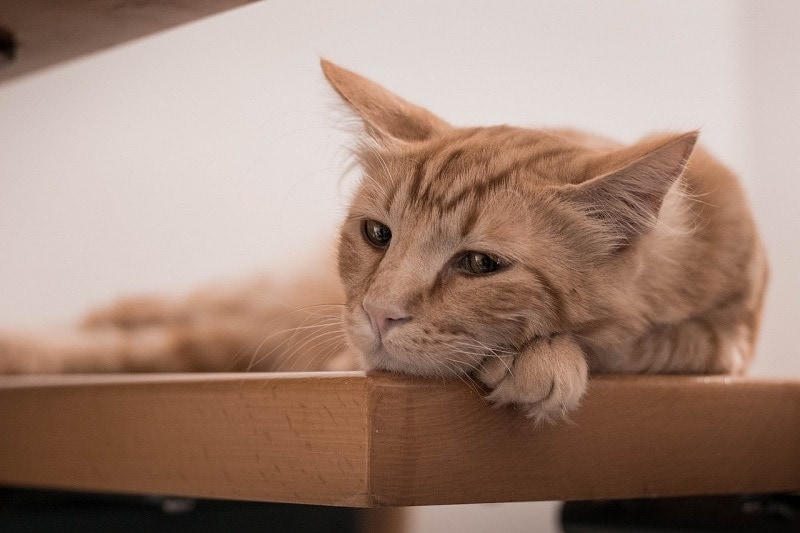
- Lethargy
- Gastrointestinal irritation or ulcers
- Kidney failure
- Liver damage
- Hemorrhaging, especially in the gastrointestinal tract
- Respiratory failure
- Blood clotting issues
- Anemia
- Acidosis
- Seizures
- Death
Note that symptoms like gastrointestinal bleeding can happen even at vet-recommended or therapeutic doses simply because cats are incredibly sensitive to aspirin.
My Cat Accidentally Swallowed Aspirin! What Should I Do?
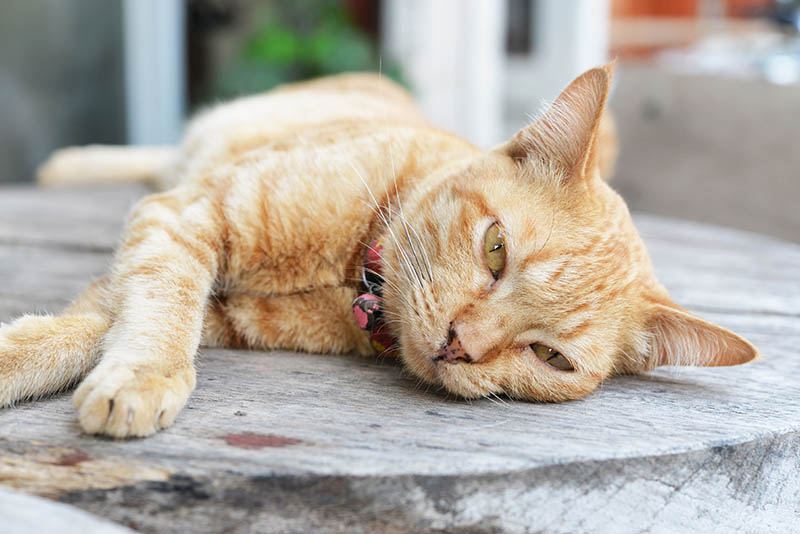
If you suspect your cat has ingested any amount of aspirin or other non-steroidal anti-inflammatory drugs (NSAID), seek veterinary care immediately.
Avoid doing the following:
If you can, bring the bottle or packaging of the aspirin to your vet's office. This will help your vet determine how much was ingested and plan the best course of treatment.
Your vet may administer decontamination treatment, such as pumping your cat's stomach (aka gastric lavage) or inducing vomiting.
Your cat may also be given activated charcoal to help absorb any remaining medication in its gastrointestinal tract. On top of that, your vet may also need to administer intravenous fluids, perform blood work, and/or provide other forms of supportive care.
In severe cases, a hospital stay may be necessary. Still, healthy cats who receive timely intervention can recover from aspirin toxicity without long-term damage.
What Can You Give Your Cat for Pain?
It can be heartbreaking to see your beloved pet in pain, but it's important to remember that aspirin and other human medications are not the answer. When it comes to giving any type of drug to your cat, always consult your veterinarian first.
And because cats are so good at hiding pain and illness, their condition may have worsened by the time they start exhibiting symptoms. So as much as possible, bring them in ASAP to get checked.
As for how to make them more comfortable while waiting for medical attention, you can:
- Give them a safe and quiet space to rest in
- Provide soft and warm bedding
- Play calming music
- Use a heating pad (low setting and never leave them unattended) to make their bed cozier
- Diffuse pet-safe calming essential oils
- Provide easy access to fresh, clean water
- Offer food and treats from time to time, but don't force them to eat
Combine these with timely vet intervention, and it will not be long before your cat is back to its old self.
Conclusion
When your cat is in pain, you want to do everything you can to make them feel better. However, do not try to medicate them yourself. Drugs that are safe for human consumption, such as baby aspirin, can be deadly for cats because their bodies are not equipped to process them.
Instead, try to make them comfortable and take them to the vet ASAP. Your vet will be able to administer the proper course of treatment to relieve their pain while preventing issues like aspirin toxicity.
Sources
https://www.webmd.com/heart-disease/news/20070508/baby-aspirin-may-be-best-for-heart
https://www.nationalgeographic.com/science/article/why-is-aspirin-toxic-to-cats
https://www.petmd.com/cat/general-health/what-can-you-give-cat-pain
https://www.vetsmall.theclinics.com/article/S0195-5616(13)00116-2/fulltext
Featured Image Credit By: Anastasiia Chystokoliana, Shutterstock
Get Hepper In Your Inbox


Pet care tips from our vets and experts, straight to your inbox.
You may opt-out at any time. View our Privacy Policy for more information.
A lifelong lover of all creatures great and small, Elizabeth got her first cat at 5 years old and at 14, she started working for her local veterinarian. After spending more than 20 years working as a veterinary nurse, Elizabeth decided to step away to become a stay-at-home parent to her daughter. Now, she is excited to share her knowledge with our pet parents. Elizabeth lives in Iowa with her family, including her two fur kids, Linnard, a husky mix and Algernon, the worldʻs most patient cat. When not writing, she enjoys reading, watching soccer, and spending time outdoors with her family.
Join the conversation
Ask a question, share your story, or send private feedback.