Hepper is reader-supported. When you buy via links on our site, we may earn an affiliate commission at no cost to you. Learn more.
Is Baby Powder Safe for Cats? Vet-Reviewed Risks & FAQ


In this article
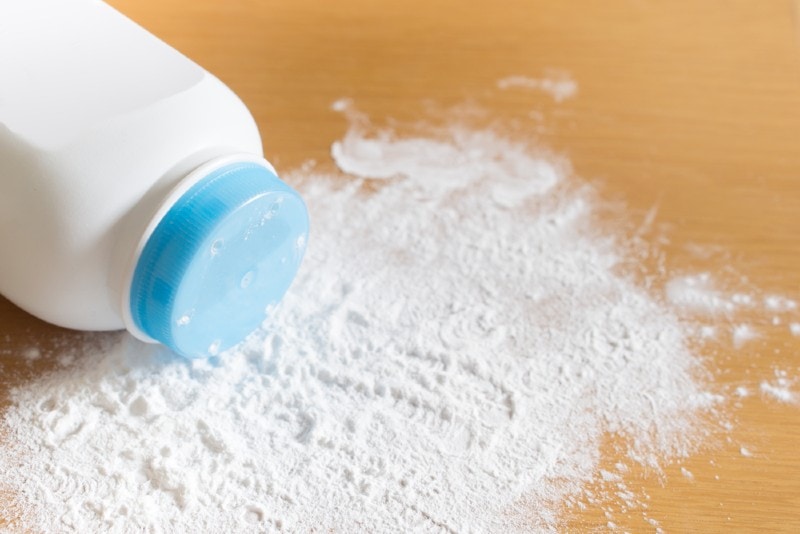
There are a lot of unexpected household items that are not safe for cats, and baby powder is just another one to add to the list. Baby powder should not be used on or around cats due to the primary ingredient. Baby powder is often made from talcum powder or cornstarch. Neither of these ingredients is considered safe for your cat; however, the danger they pose to your cat can have fairly different consequences. Talc is definitely the ingredient in baby powder that cats should stay well away from.

How Does Talcum Powder Affect Cats?
Talcum powder is derived from a mineral called talc. It is made of magnesium, oxygen, hydrogen, and silicon and has been instrumental in making baby powder. It has also been used in pet shampoos and grooming powders, as it is useful for absorbing moisture and reducing skin irritation. However, if ingested or inhaled, there can be significant health risks.
The safety of talc in human products has been debated for decades, and there is no final agreement about its continued use.1 If inhaled or ingested, talcum can lead to poisoning. However, most of these reports are based on cases in laboratory animals and people,2 and we have limited information on the effects of talc on cats due to a lack of available research. However, in people, talc exposure most commonly causes breathing problems such as coughing, difficulty breathing, and chest pain. Other organs may be affected, such as the stomach and intestines, kidneys, heart, nervous system, and skin. Irritation of the eyes, throat, and nose is also possible. Like dust, talc settles in the lung when inhaled and has an irritant effect rather than a directly toxic one. Signs in a cat exposed to talc are likely to resemble those in affected people.
Some talcum powders can be inadvertently contaminated with asbestos, although this is becoming less prevalent in recent years. Asbestos can increase the chances of developing cancer, so repeated exposure to it is ill-advised.
Overall, talcum-based baby powders are not safe for cats. Even if you intend to use it for your cat’s coat, there is a good chance that your cat will lick it off, accidentally inhale or ingest it, which can lead to signs of poisoning. So we recommend keeping talc products far away from your cat.
How Does Cornstarch Affect Cats?
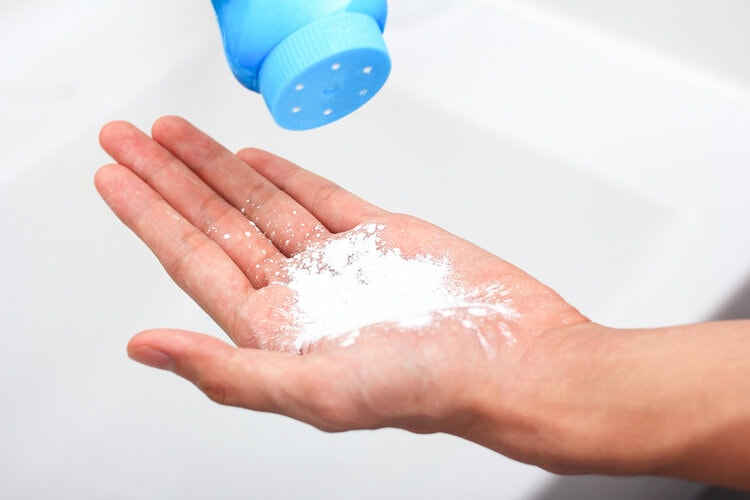
Cornstarch is an alternative ingredient often used in baby powder, but it is still not good for cats. However, the negative effects of cornstarch seem to be much more limited than the possible effects of talcum powder.
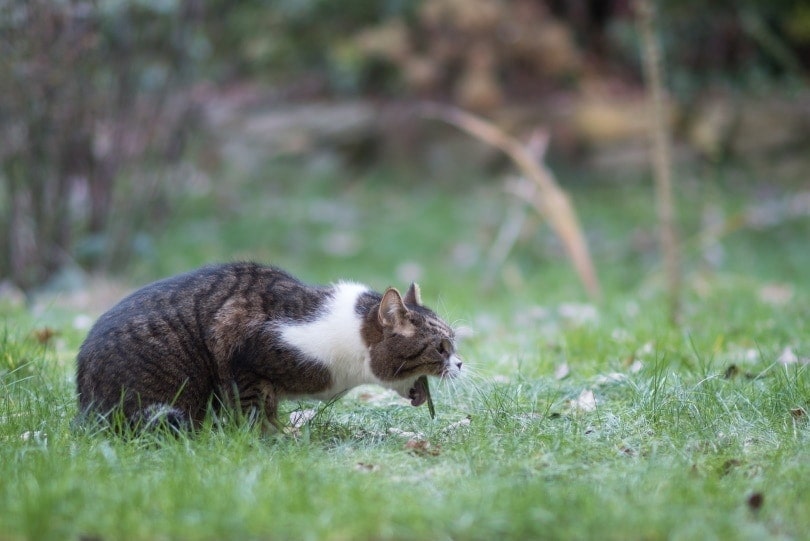
Cats can eat small amounts of cornstarch without major issues, although it definitely shouldn’t be a part of their diet. Cats have a different digestive capability for particular carbohydrates than dogs; however, they can still digest most carbs efficiently. If you put baby powder in your cat’s fur by mistake, they may lick it off and consume it, which could cause an upset stomach. Inhaling the powder can also cause respiratory irritation, leading to coughing, sneezing, and difficulty breathing, and your cat will require a trip to the vet.
The 4 Other Common Items That May Poison Your Cat
Like baby powder, there are plenty of other substances and products that may cause health concerns for your cat. Take a look at the list of some potential toxins and see if any of them are in your home. All of them should be kept safely out of your cat’s reach.
1. Household Products
Many common household products can pose a threat to your cat, such as bleach or disinfectants. If your cat walks through the chemicals on a freshly washed floor surface, their feet and skin may become irritated. If this is the case or your cat ingests any chemicals while grooming, reach out to your local vet or emergency pet poison center right away.
Medicines for humans are another common danger to cats. Laxatives, aspirin, antidepressants, and paracetamol can cause significant health issues or even death for your cat. Many cosmetics, antifreeze products, and paints can also poison your cat and be life-threatening.
In all instances, the best way to prevent poisoning in your cat is to keep all potential hazards out of reach and securely stored so that your cat cannot access them.
2. Pesticides
Pesticides can be deadly to your cat. These can include insecticides, fungicides, molluscicides, and rodenticides. Any pesticides should be securely stored where your cat cannot reach them, and any accidental spills should be cleaned promptly.
3. Plants
Many common household plants can pose a threat to your cat. If you like to keep potted plants around your home, research them to make sure that they do not cause any adverse health risks to your cat. A few houseplants, such as the Dumb Cane, are so dangerous that they should not be kept in the same house as a cat.
Some cut flowers can also be a health risk for your cat. For instance, lilies are extremely dangerous for cats. Ingesting less than one leaf is enough for your cat to require life-saving medical treatment. Since the effects of many plants can be so severe on cats, it is essential to do your research before bringing any plants home.

4. Dog-Specific Products
Products for dogs, such as dog shampoos or flea treatments, should never be used on cats. The ingredients in dog-specific products are not safe for cats and can lead to severe health concerns. Poisoning can happen when cats are accidentally treated with dog flea products, especially ones containing permethrin, which is highly toxic for cats. This can also occur when they groom themselves or other animals treated with the product.
What to Do if Your Cat Has Come In Contact With Baby Powder Or Another Poison
If you suspect that your cat has ingested or inhaled baby powder or any other poison, the first step is to remove your cat from the poison and prevent any other animals or children from coming in contact with it. Then, you will need to contact your vet right away. They may instruct you to bring a sample of the poison with the original package and exact list of ingredients with you so they can check it while examining your cat.
If the poison, such as a dusting of talcum powder, has only ended up on your cat’s coat in small amounts, it is still crucial that you reach out to your vet. They may still recommend that you bring your cat in, or they may suggest that you closely monitor them for the next 24 hours.
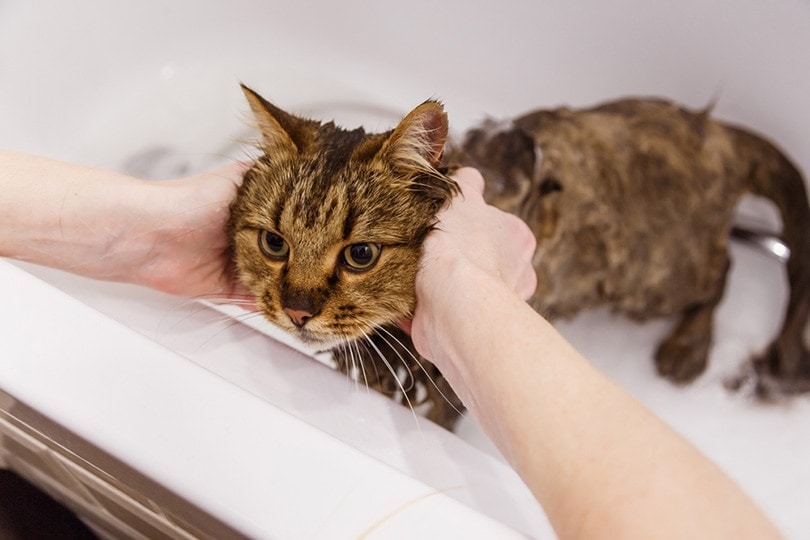
Your vet will also instruct you on how to safely and efficiently remove as much of the powder as possible from your cat’s fur. It is usually best to use pet clippers to clip off the parts of fur covered with the chemical. This is a much safer way than using scissors, as the risk of cutting the skin is low. If you are inexperienced, it is best to not attempt to clip the fur, as you might cause more harm than good. In this case, go to your vet straight away. Otherwise, after the contaminated fur has been clipped off, you can gently wash the area with warm water and cat-appropriate shampoo or mild soap. Do not force your cat under a shower. Focus on solely washing the affected area (spot cleaning). If you skip clipping and go straight to washing, this might increase the absorption of some chemicals. Remember to dry your cat with a towel to prevent hypothermia. Be extra careful using a blow dryer, as it can cause severe skin burns if held too close to the skin.
Final Thoughts
While baby powder was historically sometimes used as a grooming tool, it is no longer recommended due to its possible health consequences on your cat. Talcum powder has the potential to poison your cat, and while cornstarch isn’t as harmful, it can still give your cat gastrointestinal issues. In the end, it is best to avoid baby powder around your cat whenever possible.
Sources
https://www.healthline.com/health/is-baby-powder-safe#How-can-baby-powder-be-used-safely
https://www.consumersafety.org/product-lawsuits/talcum-powder/cancer-risk/
https://www.seattlechildrens.org/conditions/a-z/swallowed-harmless-substance/
https://www.aspca.org/pet-care/animal-poison-control/poisonous-household-products
https://www.vets-now.com/pet-care-advice/how-to-low-toxicity-dog-cat/
https://www.battersea.org.uk/pet-advice/cat-care-advice/toxic-items-cats
https://www.petpoisonhelpline.com/uncategorized/baby-items-toxic-pets/
https://www.theguardian.com/lifeandstyle/2013/jun/23/should-i-stop-using-talcum-powder
https://www.cancer.org/cancer/risk-prevention/chemicals/talcum-powder-and-cancer.html
https://www.sciencedirect.com/science/article/abs/pii/S0013935189800696
Featured Image Credit: MIA Studio, Shutterstock
Get Hepper In Your Inbox


Pet care tips from our vets and experts, straight to your inbox.
You may opt-out at any time. View our Privacy Policy for more information.
Pets are Jordyn’s passion, cats especially. Whenever she has the opportunity, she loves to learn about them and share her knowledge with everyone. She is devoted to her tabby cat named Jack and works hard to buy him his favorite treats and toys. Discovering new ways to better care for her pet is always on her to-do list, and she is eager to help pet parents everywhere who have similar pursuits. In her spare time, she loves to read, write, and take long walks. She has a creative spirit, which often helps her to come up with funny cat names.
Join the conversation
Ask a question, share your story, or send private feedback.