Hepper is reader-supported. When you buy via links on our site, we may earn an affiliate commission at no cost to you. Learn more.
Can My Dog Only Eat Wet Food and Be Healthy? Vet-Approved Facts


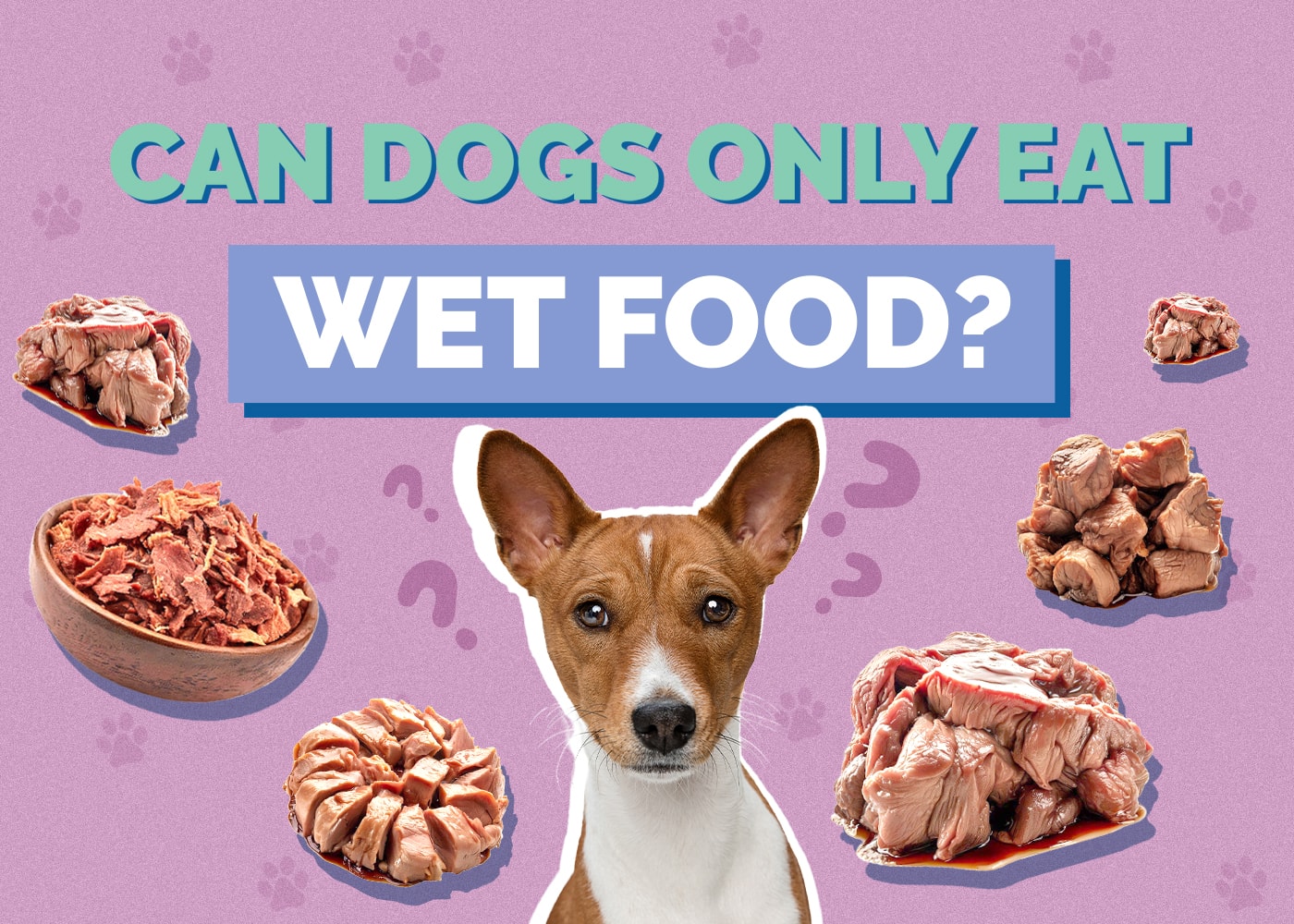
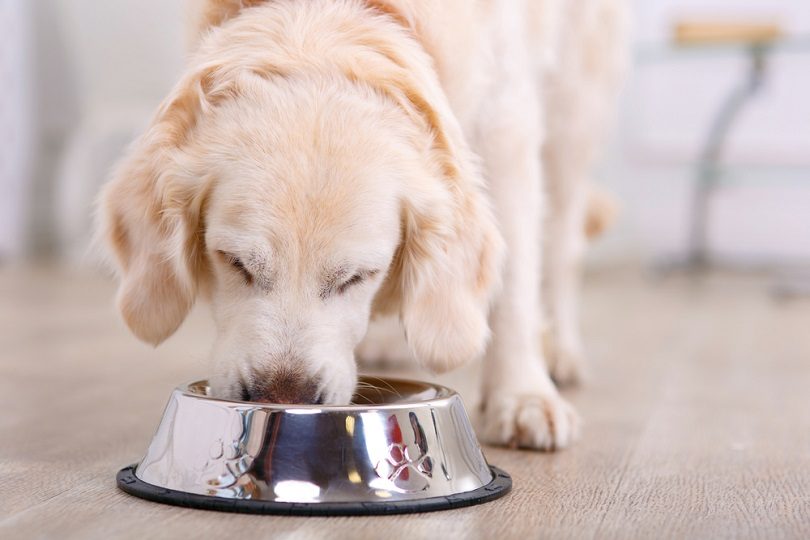
The simple answer is yes, a wet food diet is a healthy option for your dog. When it comes to dogs, their diet is of the utmost importance. Proper nutrition can help your dog maintain a healthy weight, stay strong and healthy throughout its life, and even reduce the chances of developing certain diseases.
Whether you choose to feed your dog wet food, dry food, or a combination of both, the most important thing is that you make sure the food has the right balance of nutrients for their breed, size, age, and activity level.
Here are some things to consider when transitioning your dog to a wet food diet. There are pros and cons to each diet option available to your pet.

What Is In Wet Dog Food?
The ingredients in wet dog food vary depending on the brand but typically include meat, water, grains, and various vitamins and minerals. The meat can be from a variety of sources, including beef, chicken, lamb, and fish. Some brands also add preservatives, flavorings, and other additives. These extra ingredients can help the food last longer and be more appealing to your pet but also may have some health drawbacks depending on your dog’s sensitivity and overall health profile. If you are unsure, check with your veterinarian about the best brands for your pet.
Wet food can contain significantly fewer carbohydrates than dry food. This is important because dogs do not need as many carbohydrates in their diet as humans do, and too many carbs can be harmful to their health. Wet dog food also tends to have more protein than dry food, essential for building strong muscles and keeping them healthy.

Dry Food vs Wet Food: How Is It Processed?
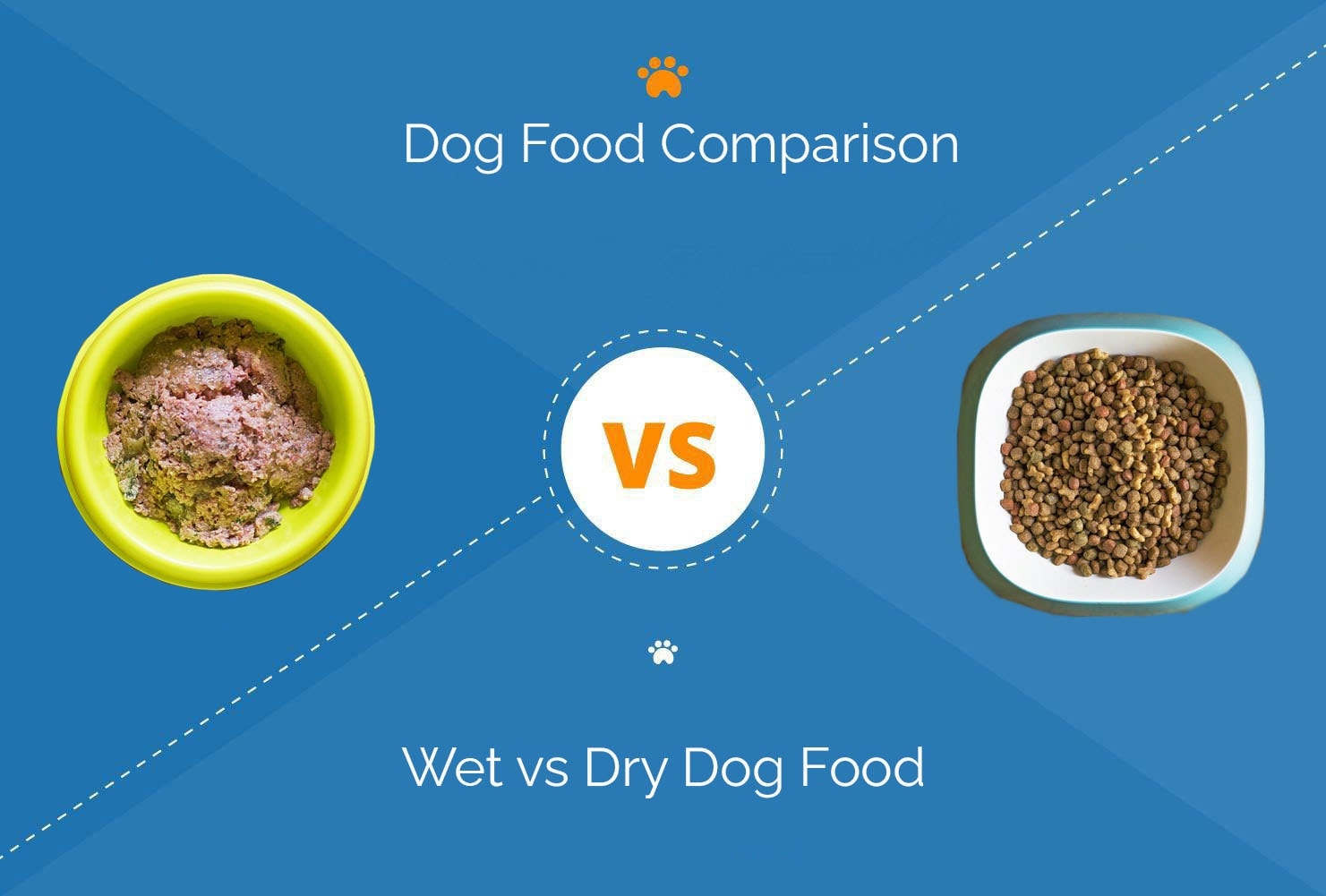
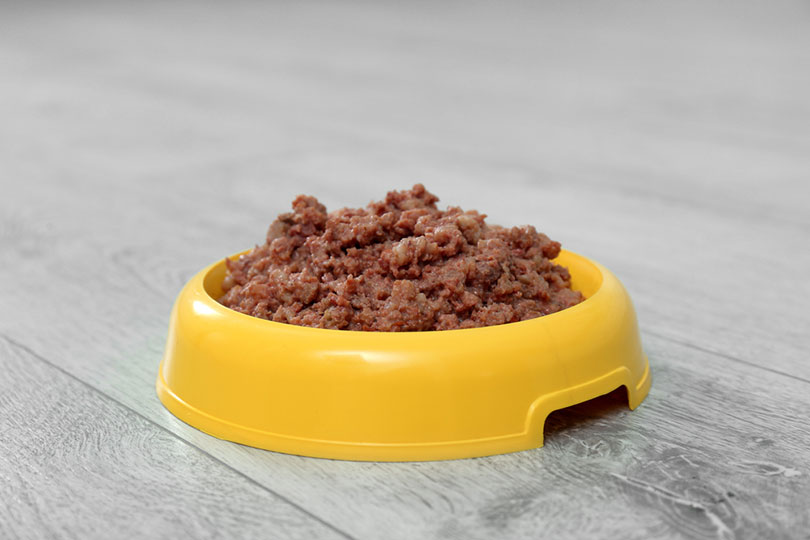
Wet food and dry food typically have similar ingredients but are processed in different ways. Wet food consists of a mix of ingredients that are mixed to get a gravy-like consistency, cooked, and sterilized in cans or containers.
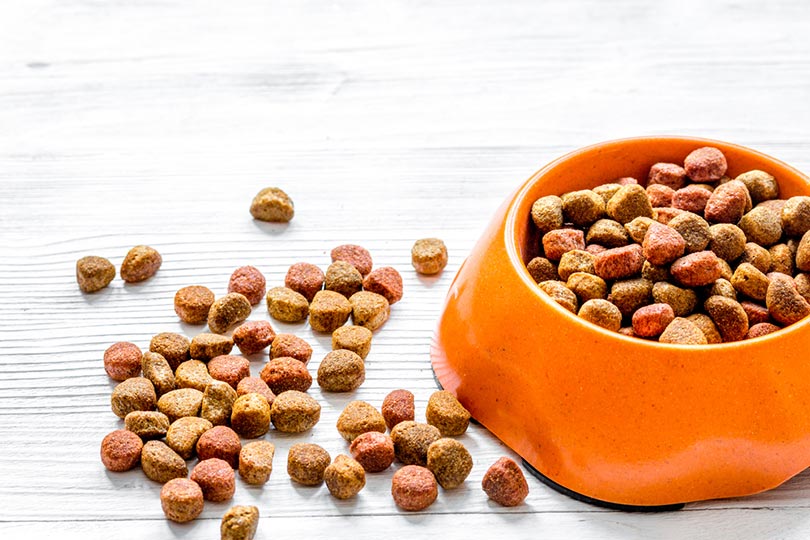
Dry food ingredients are similar but dry food uses less water, and the ingredients are made into a dough or a paste. This is then cooked longer and then cut into kibble pieces. After that, the kibble is dried out and there may be several other steps to finish adding nutrients to it. After the preparation is complete, the dry food is rapidly packaged to maintain its freshness.
Ultimately this means that wet food has a much higher moisture content than dry food, roughly around up to 80% (wet) vs.10% (dry). This can be an added benefit for your pet’s digestive health for many reasons.
The Pros of Wet Dog Food
- Wet food is more palatable to dogs, so they may be more likely to eat it.
- If your dog is having problems with its teeth, the moisture in wet food can make it easier to chew.
- Wet food is also easier to digest than dry food and can help prevent gastrointestinal issues such as bloat.
- Wet food is typically lower in carbohydrates which can be a more healthy option for your pet throughout their life.
- Fresh or small-batch wet food can be a great option and is made with fewer preservatives, but make sure you are choosing a reputable brand that is tested to meet all your dog’s nutritional needs.

Things to Consider When Choosing a Wet Food Diet
When transitioning to a wet food diet for your dog, there are a few things you should keep in mind. Wet food will spoil quickly and cannot be left out for long periods. If your dog does not eat all their food at one time, you will need to serve smaller amounts of food in multiple meals during the day. If you have food left over in the can or container, you will need to refrigerate it between feedings.
Wet food can also be more likely to attract ants, but an ant-proof dog bowl can help.
Another thing to consider is how tartar-prone your dog is. Tartar build-up can be a problem with wet diets since the moist food sticks to teeth more easily. If tartar build-up is a concern for you, ask your vet for a recommendation.
If traveling with your pet, having some dry or semi-moist food on hand can offer a less messy alternative to use as a quick meal while you are en route to your destination.
Finally, if you're transitioning your dog to a wet food diet, do so slowly over several weeks. This will help avoid stomach upset.
Final Thoughts
In conclusion, wet dog food is a healthy choice for dogs, but it does have some drawbacks. It is more expensive than dry dog food, it can be messy to feed, and it can spoil quickly if not stored properly. However, wet dog food is a good source of protein and other nutrients, and it can help keep dogs hydrated. So if you can afford it and are willing to put in some extra effort, wet dog food is a good option for your pet.
Get Hepper In Your Inbox


Pet care tips from our vets and experts, straight to your inbox.
You may opt-out at any time. View our Privacy Policy for more information.
Nicole is a lover of animals of all sizes but is especially fascinated with the feline variety. She’s the proud mom of Baby, a Burmese, and works every day so he can relax in the sunshine or by the fire. She’s always had a cat in her home and has spent countless days with others, observing behaviors and softening up even the grouchiest of the lot. Nicole wants to share her kitty expertise with you so you and your cat can live happy, healthy, and care-free.
Join the conversation
Ask a question, share your story, or send private feedback.